Windows Brings Out the Rorschach Test in Everyone: Why Your OS Opinion Says More About You Than Microsoft
In 2026, a seemingly innocuous Hacker News thread about Windows updates spiraled into thousands of comments—some praising the OS's stability, others condemning its bloat, a few waxing nostalgic about Windows 7, and a vocal minority arguing that Linux had already won. The pattern was familiar. Every time Windows comes up, the discussion fractures into irreconcilable camps. It's as if each person is looking at the same inkblot and seeing something entirely different.
That's because Windows isn't just an operating system. It's a projective test. The way you talk about Windows—what you praise, what you loathe, what you miss, what you've never noticed—reveals more about your own relationship with technology than it does about Microsoft's engineering.
The Inkblot Is Real: Why Windows Defies Consensus
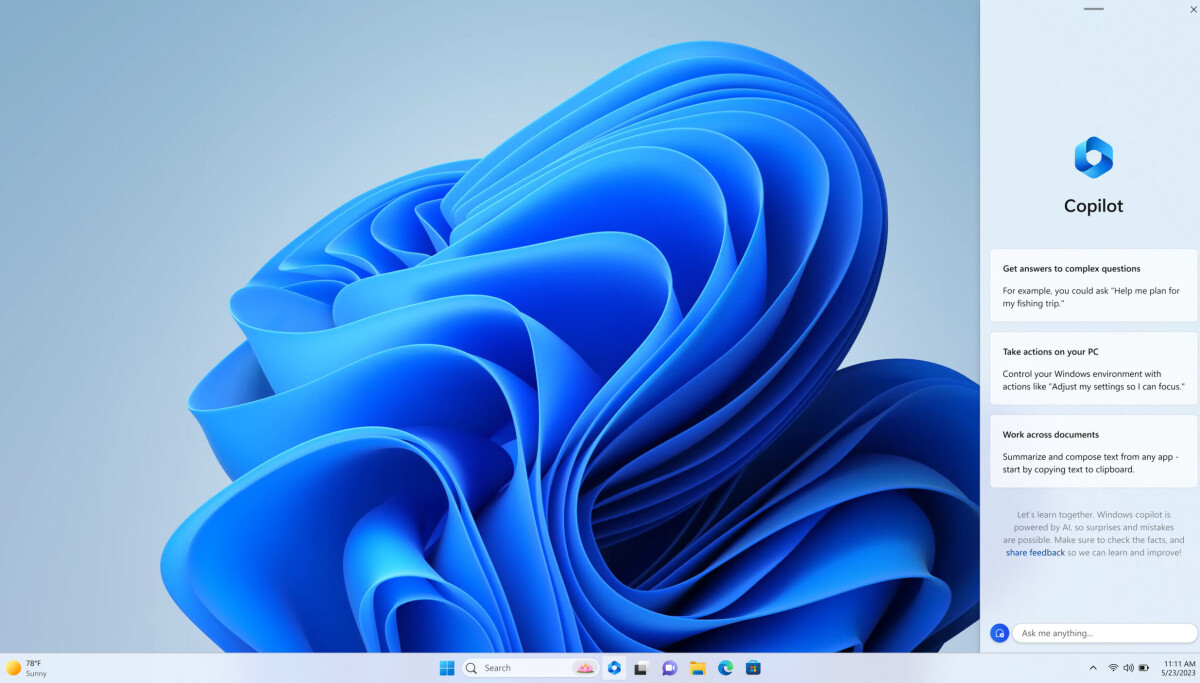
A Rorschach test works because the stimulus is ambiguous. A symmetric inkblot has no inherent meaning, so the subject projects their own unconscious motives and conflicts onto it. Windows, in its current form, is similarly amorphous. It's a desktop OS, a gaming platform, an enterprise management tool, a legacy compatibility layer, a cloud gateway, and a UI experiment—all at once.