Maybe sometimes users know best
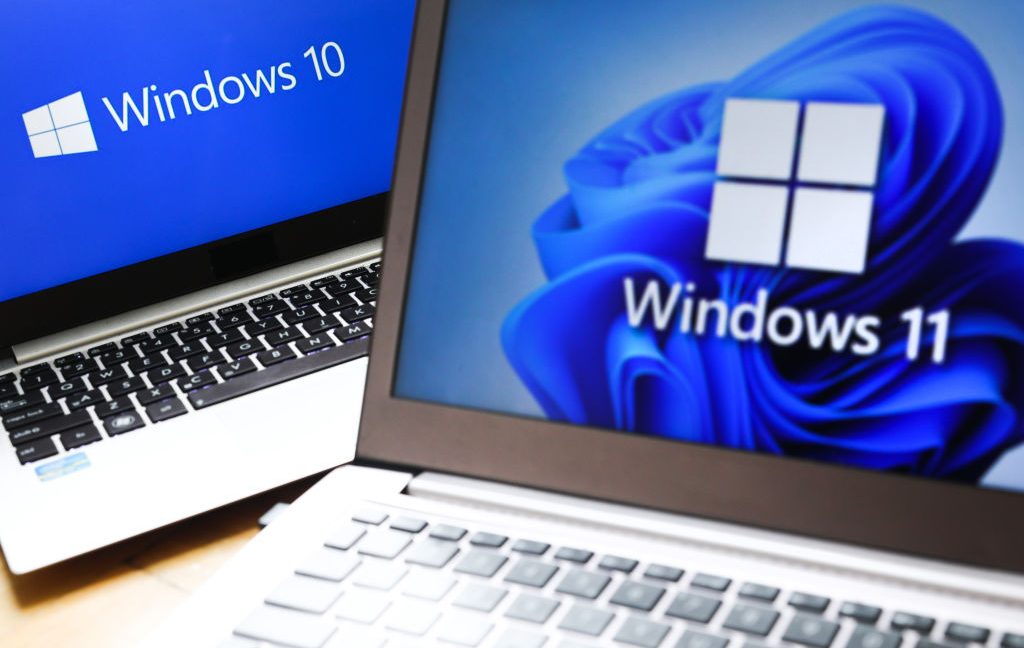
OPINION On June 24, 2021, Microsoft announced Windows 11, unveiling a new and controversial operating system. Five years on, how has that worked out for you, Redmond?Windows 11 has always been a problem child for Microsoft. It was announced in June 2021 and became generally available on October 5 that year, while much of its customer base was still reeling from the COVID-19 pandemic. At the time, The Register called it pointless rather than a point release of Microsoft's flagship operating system.Why? Because Windows 10 was more than adequate. Microsoft's apology for the Windows 8.x era was… fine. It mostly worked without difficulty. It lacked the user-experience missteps of its predecessors and was an architectural step up from Windows 7. And, most importantly, the operating system didn't trip up a user's workflow.
There is an old adage: "If it ain't broke, don't fix it," but Microsoft set to work fixing Windows 10 regardless, and the result was Windows 11.
The user experience has irked users ever since. Did you like being able to move the taskbar around in Windows 10? Tough – in Windows 11, you'll have to learn to love where Microsoft stuck it. How about the Start Menu? Again, Microsoft knew best and redesigned it.In the last year, Microsoft appears to have realized that its actions have alienated users and promised to restore eliminated user interface elements, such as the movable taskbar. It hasn't, however, gone back on another Windows 11 feature – the infamous hardware requirements.While Windows 11 contained plenty of software elements to annoy users, it was the company's decision, on security grounds, to render hardware perfectly capable of running the operating system obsolete at a stroke that really angered users. Even hardware (including some of the company's own) that was still on sale at the time wouldn't work. The company demanded TPM 2.0 and warned that anything older than an eighth generation Intel CPU (or equivalent) would not make the cut.Then and now, the decision carries an arbitrary air, particularly as several workarounds emerged, revealing the requirements to be the technically unnecessary decisions they were.More than anything, Microsoft's hardware requirements slowed the operating system's adoption, as hardware that ran Windows 10 perfectly well was rendered obsolete overnight.