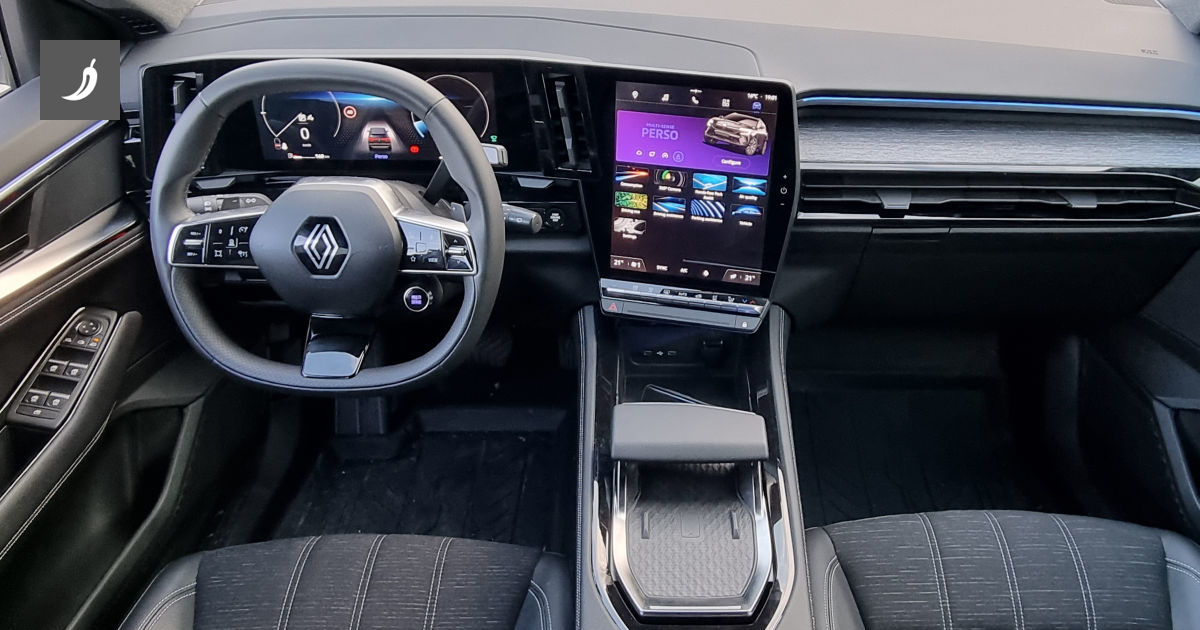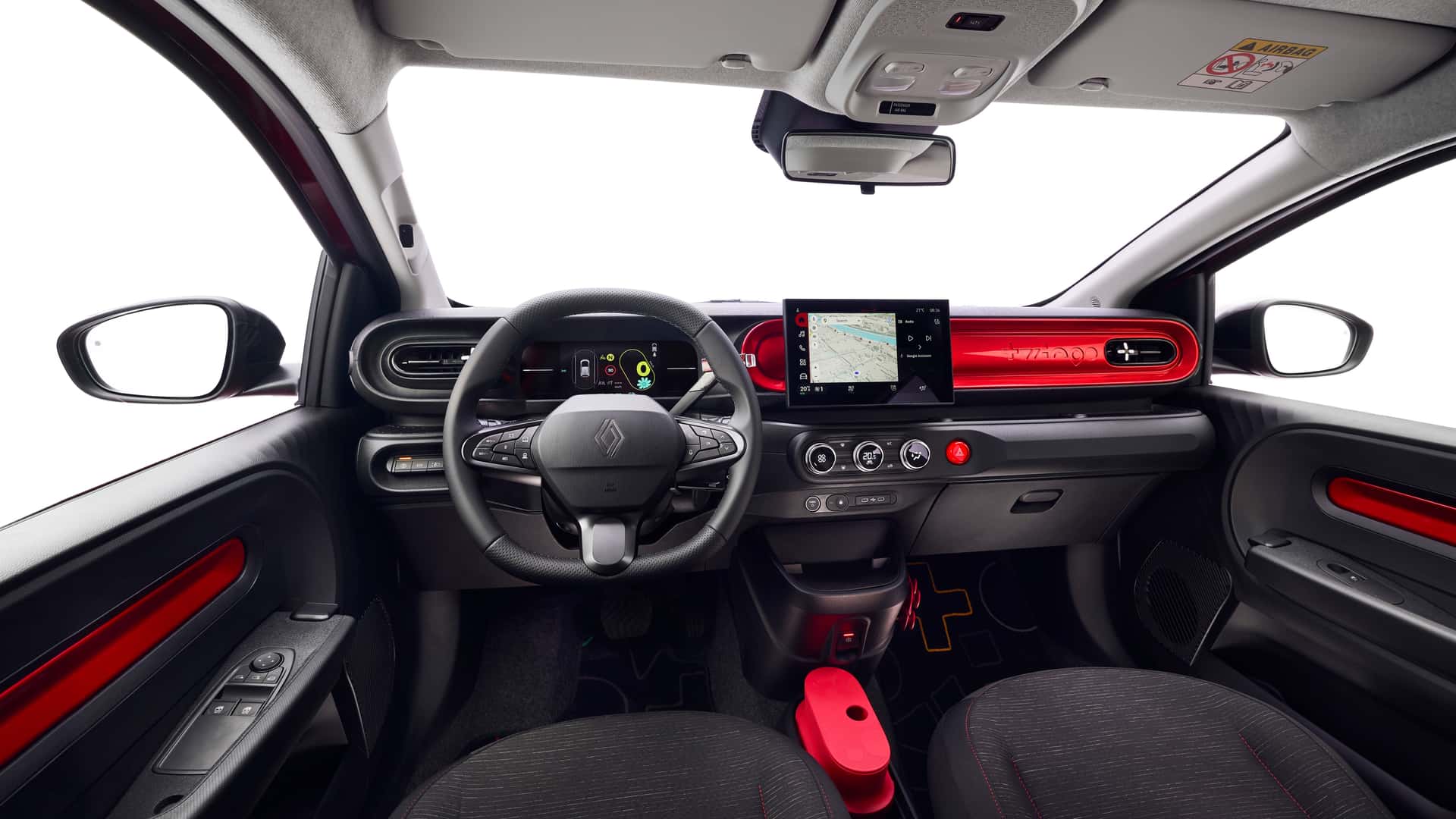
Renault says physical buttons are a core part of its interior philosophy.
The automaker admits buttons cost more than relying heavily on touchscreen controls.
Safety concerns and changing industry trends could make tactile controls increasingly popular again.
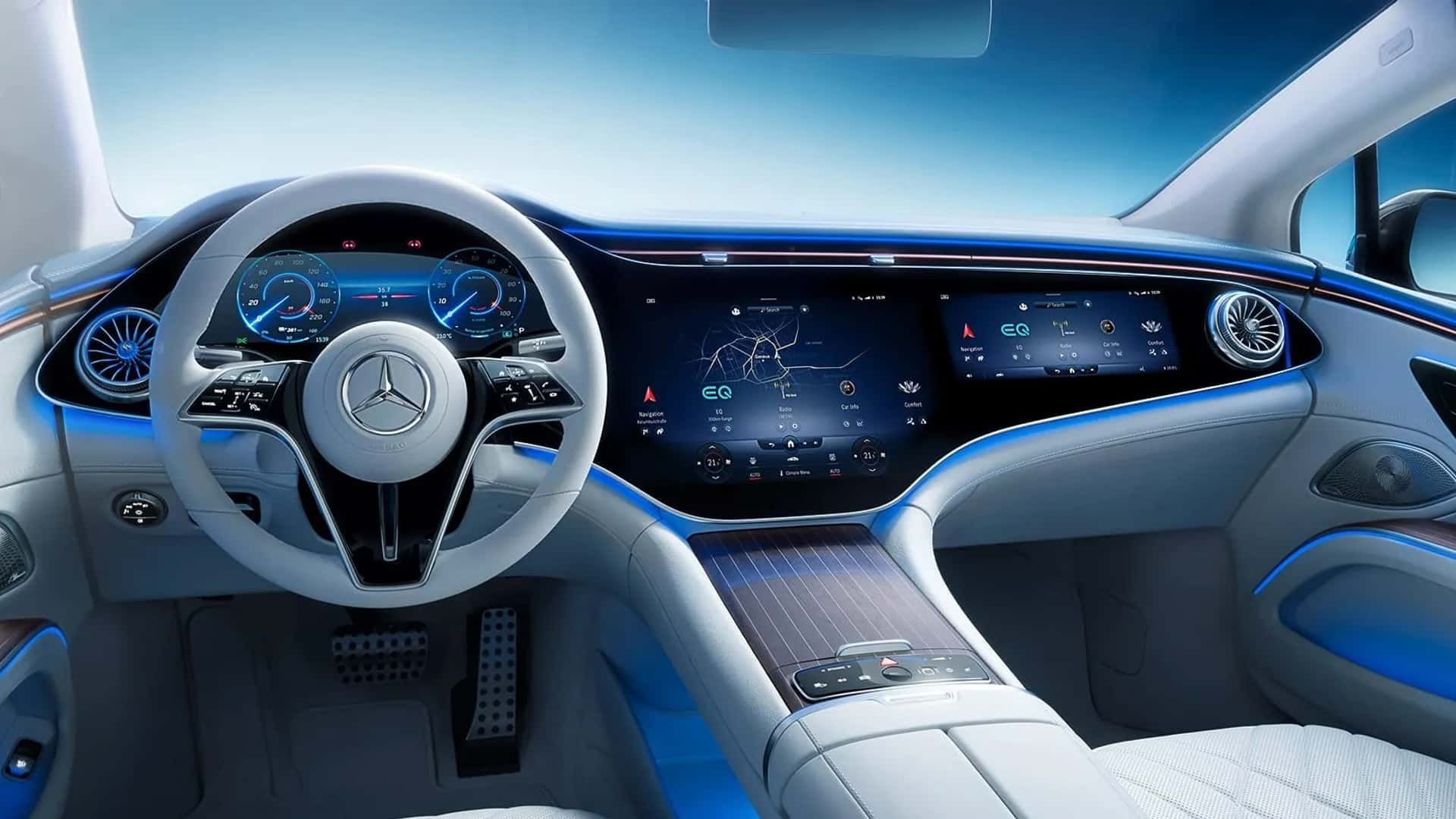
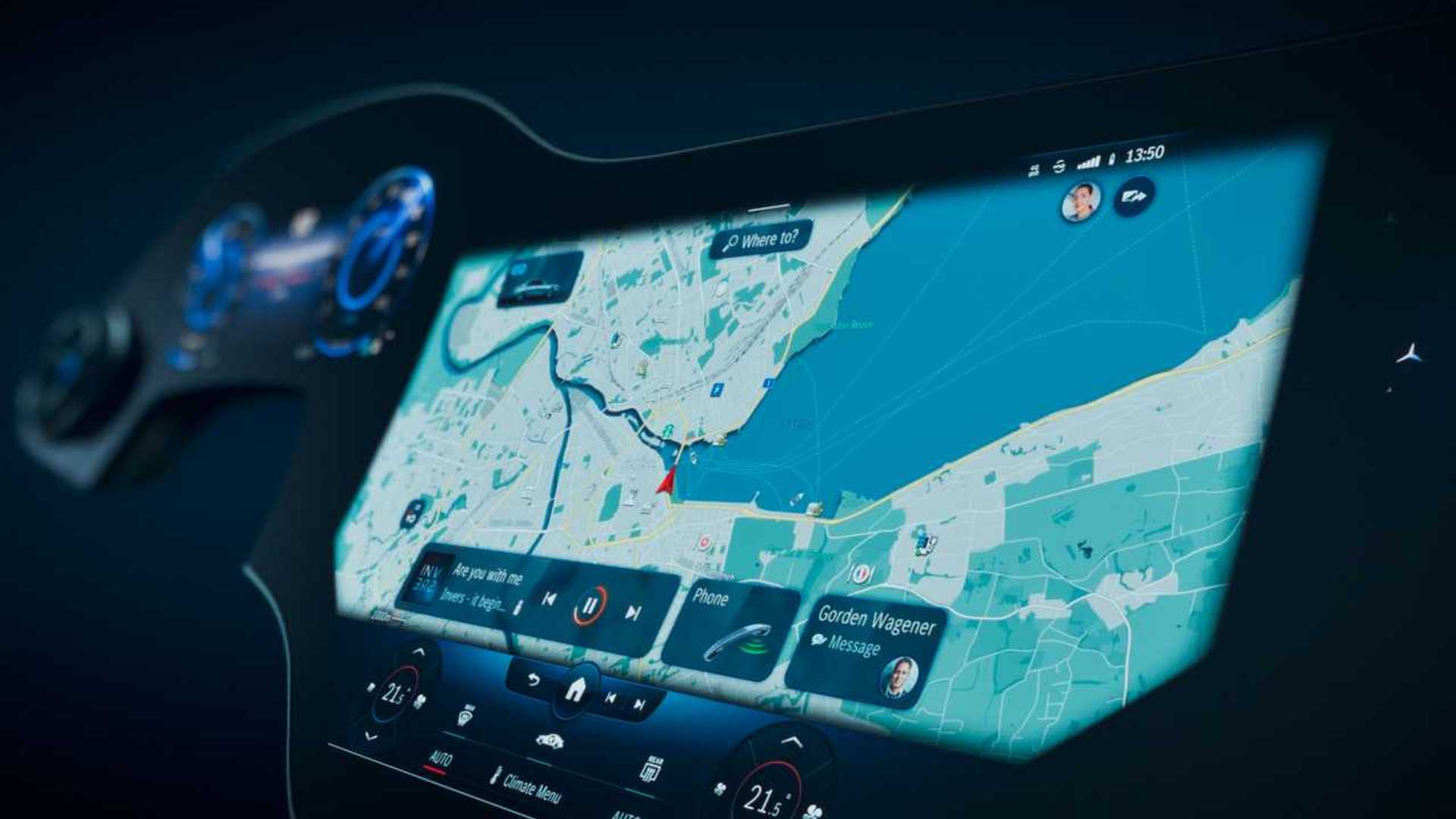
Many automakers cloaked cost-cutting measures as minimalism when they migrated most physical controls to the touchscreen. Alongside its low-cost Dacia brand, Renault has thankfully been bucking the trend by keeping buttons and knobs alive throughout its lineup. The French automaker has therefore taken a different approach and has no plans to abandon physical buttons and switches, even though doing so costs more.
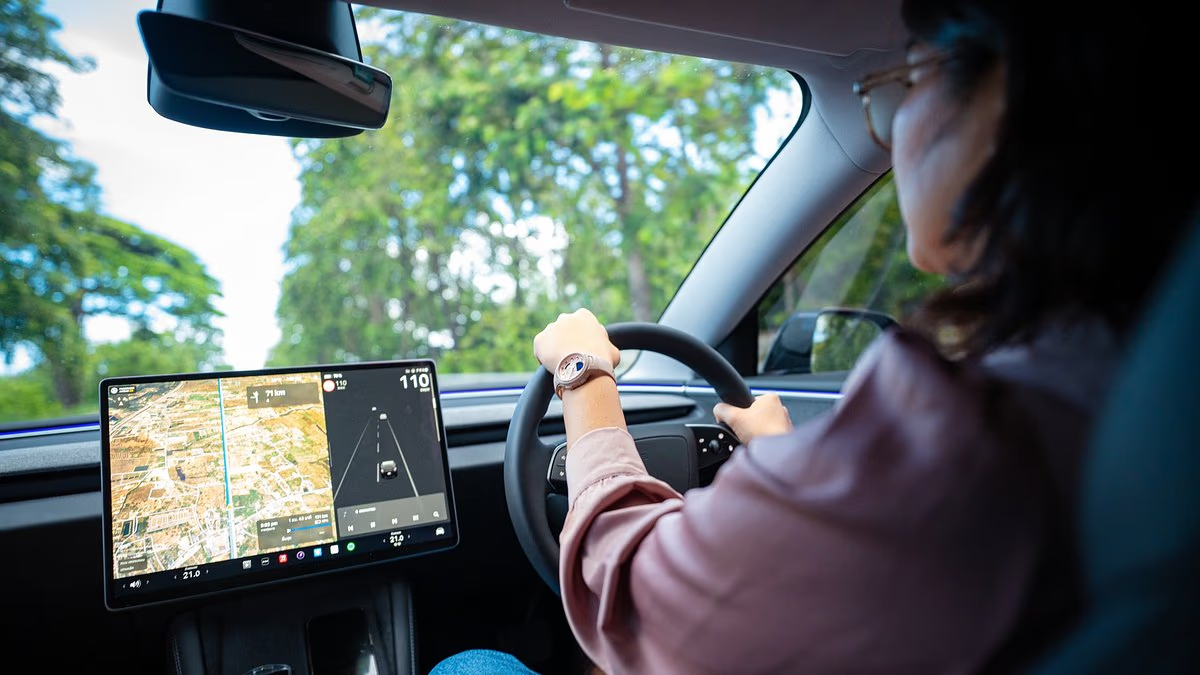
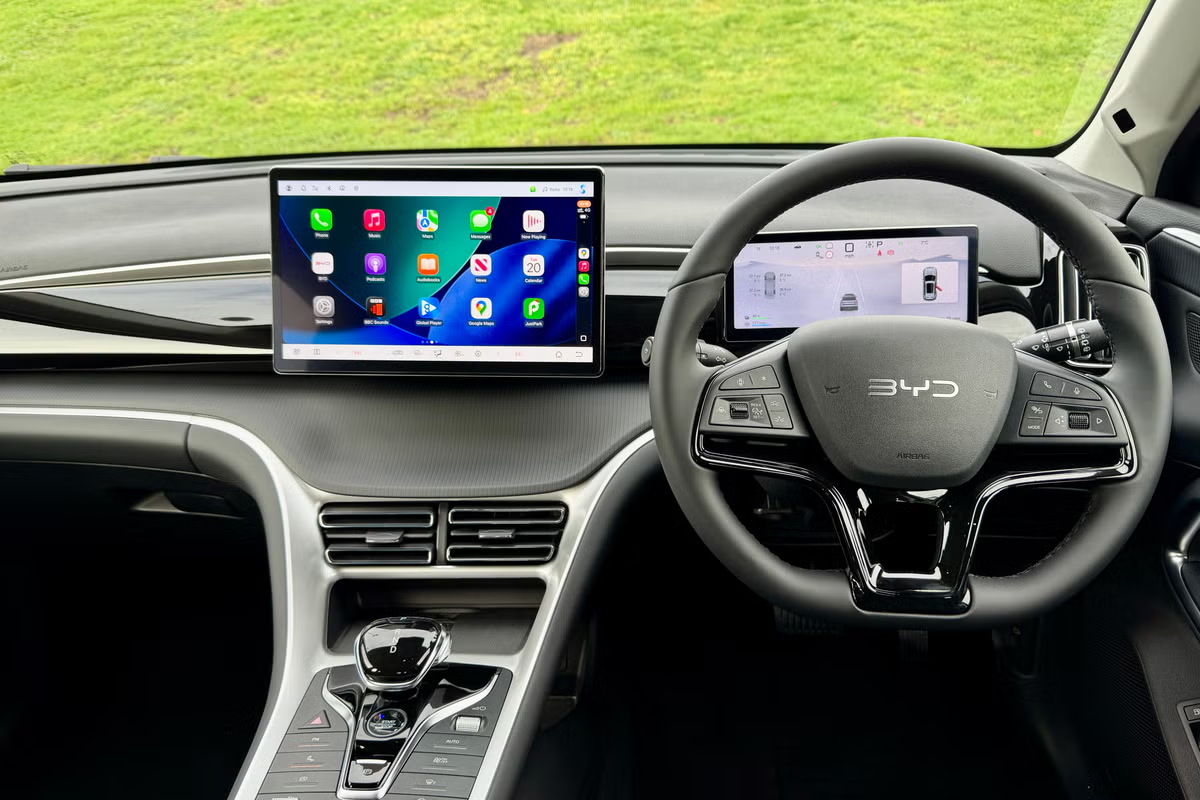
In an interview with GoAuto magazine, Renault Australia general manager Glen Sealey described traditional switchgear as a “founding principle,” adding that it’s safer to access frequently used functions with a button than to fumble through a submenu on a screen while driving. Euro NCAP agrees, having updated its safety protocols for 2026 to call for “the availability of physical buttons for commonly used functions, which consumer feedback suggests can reduce distraction.”