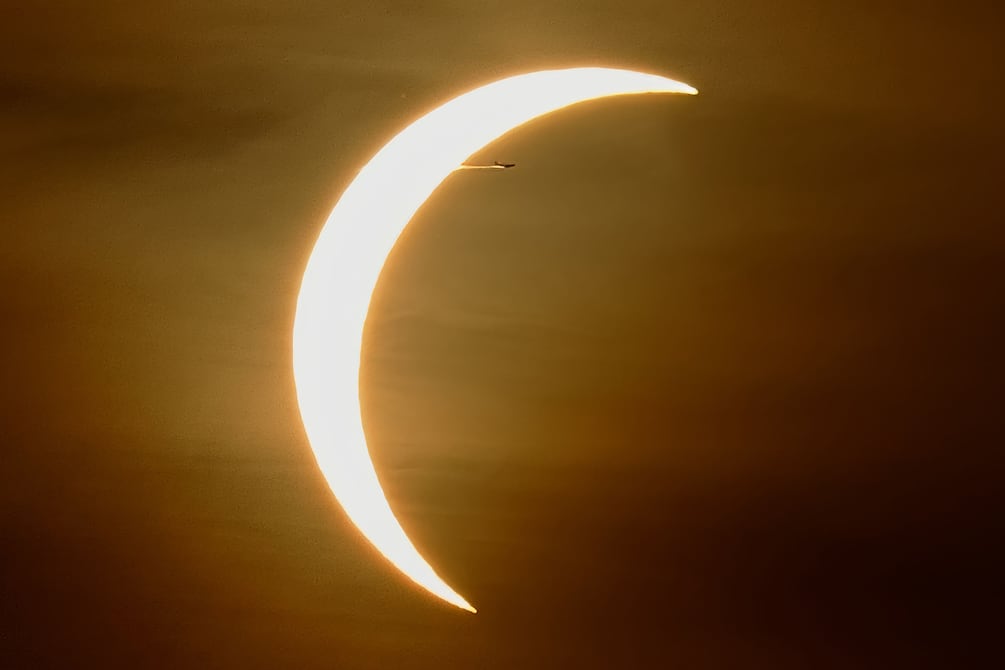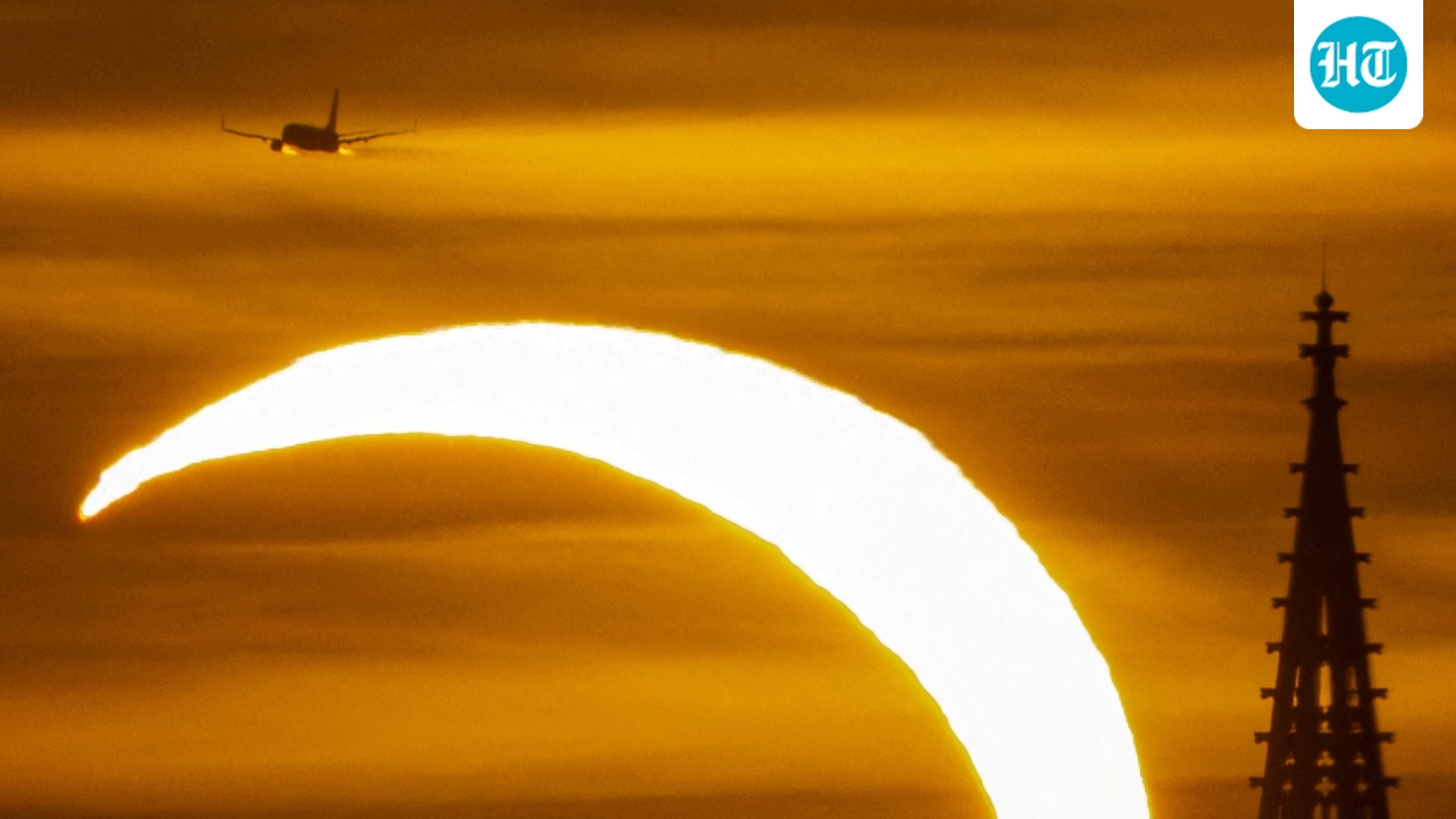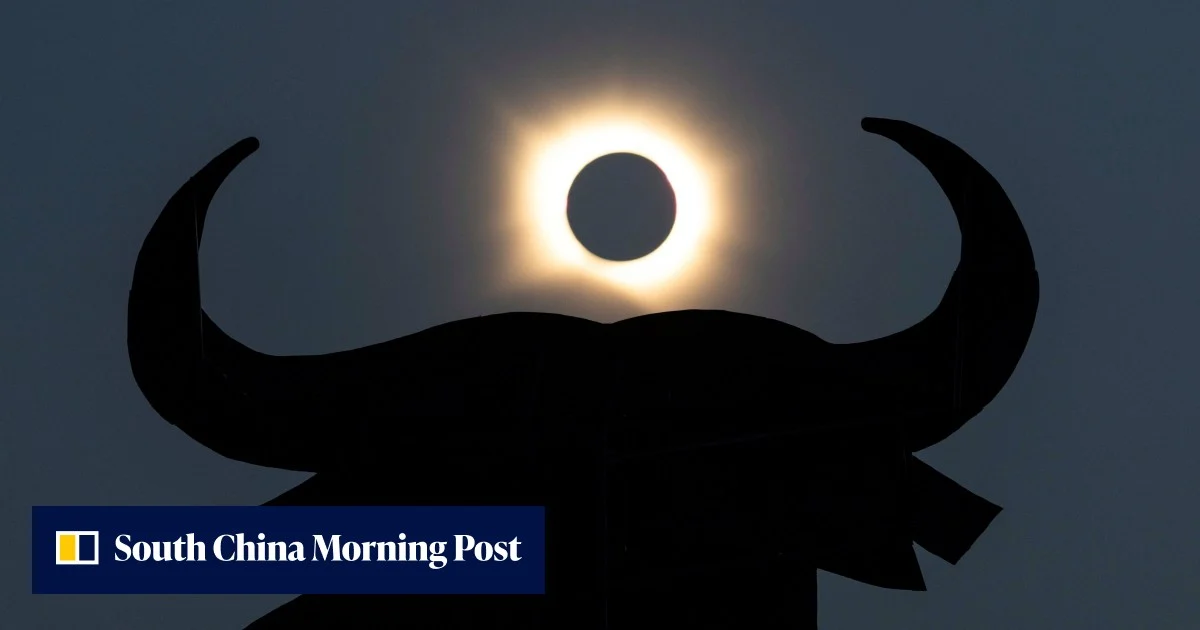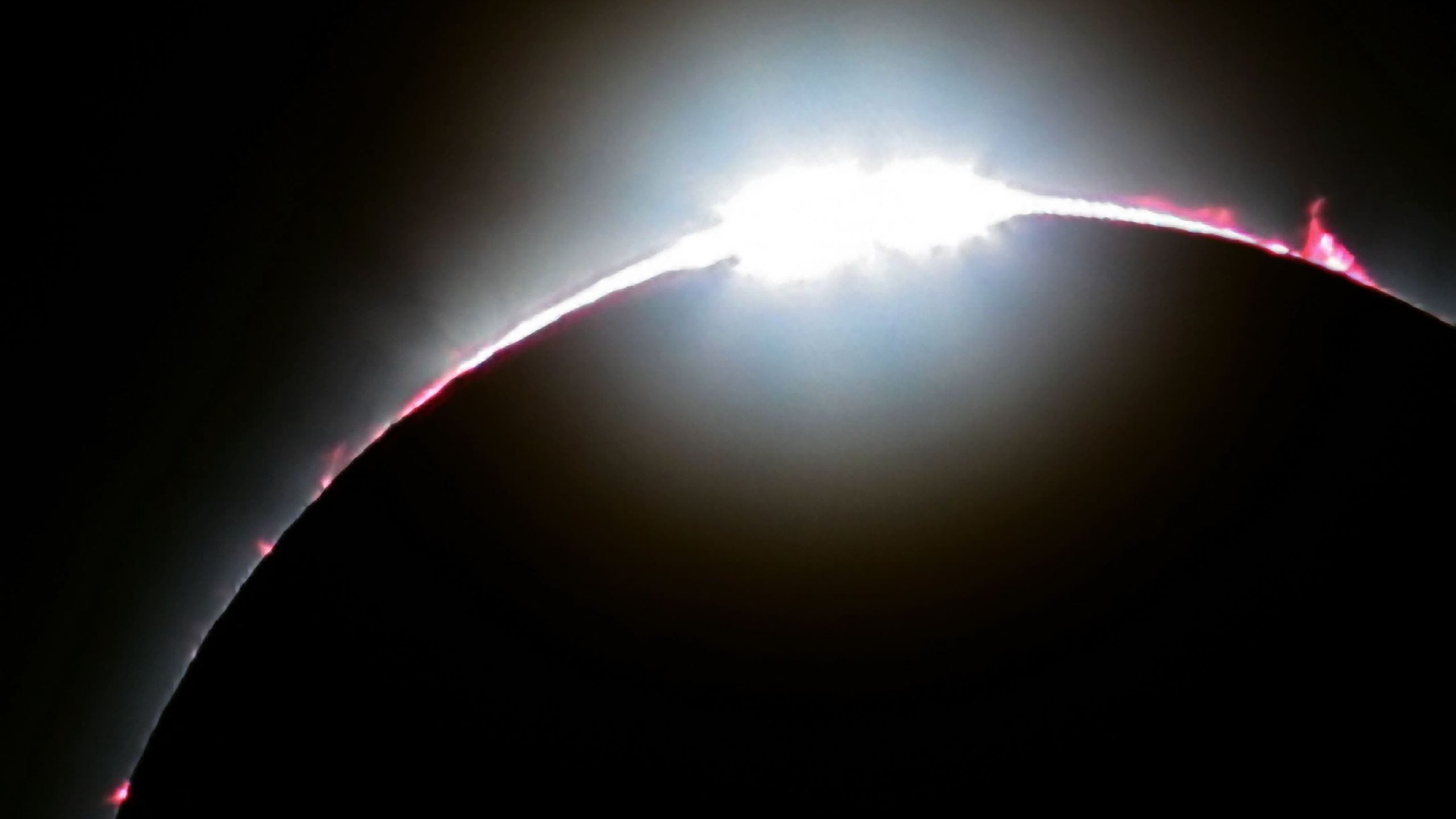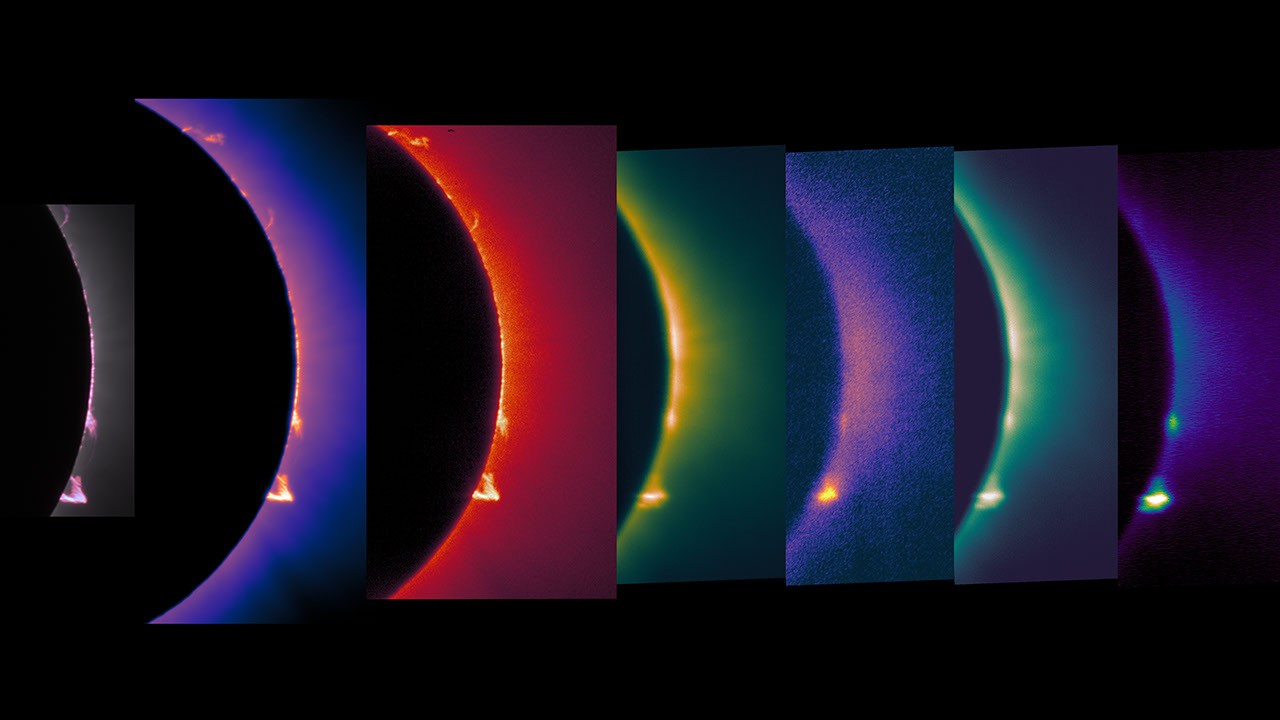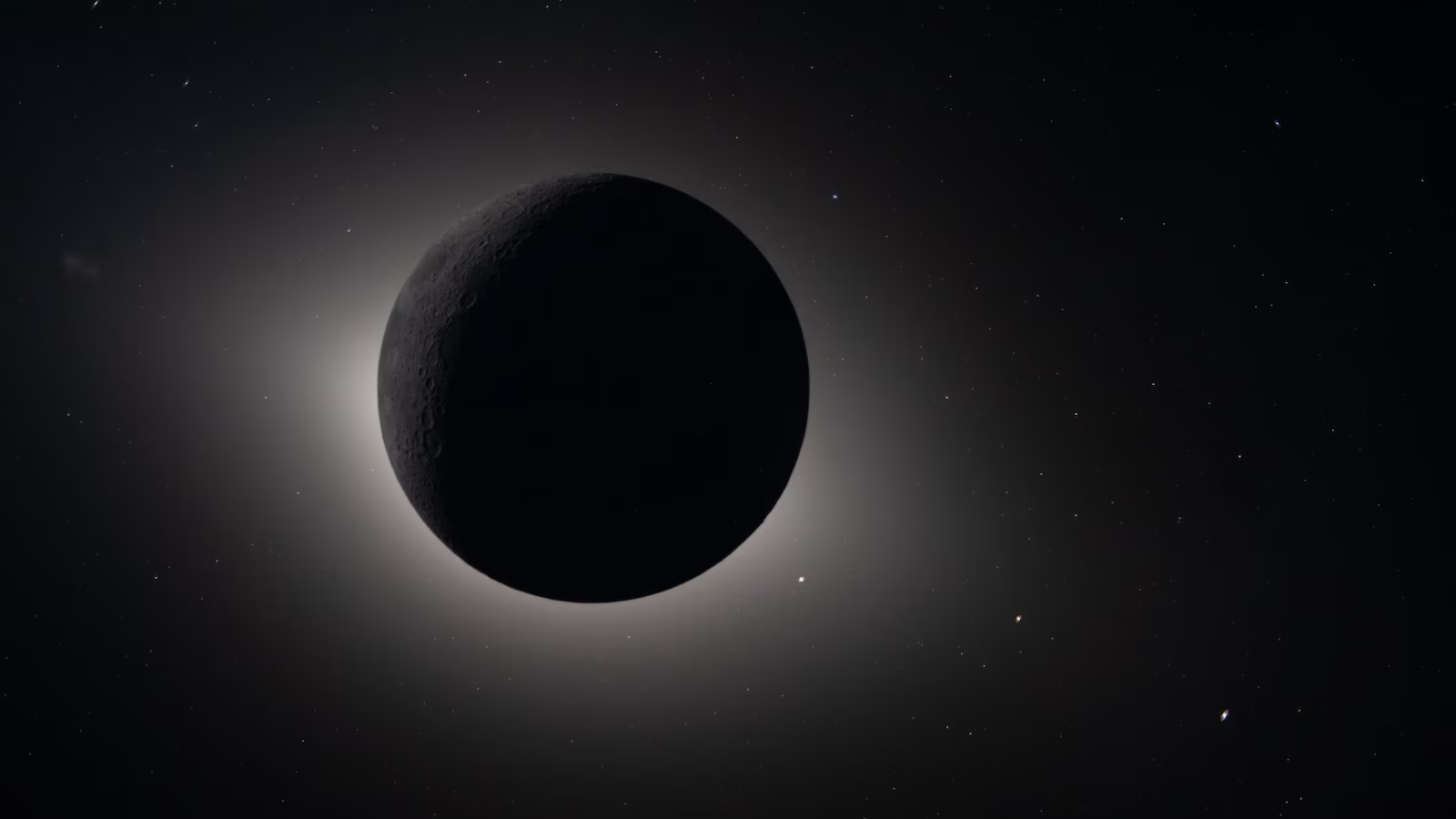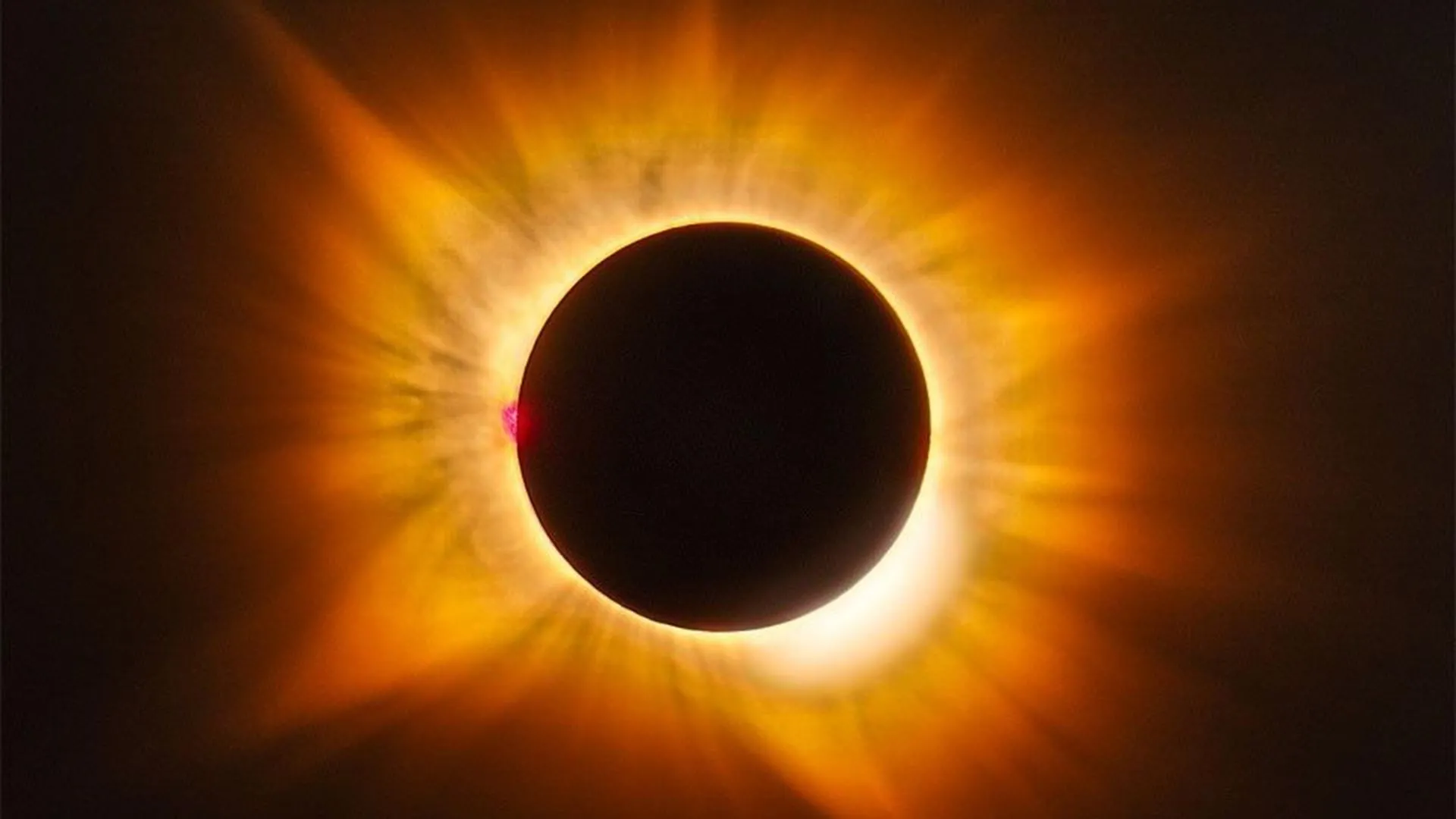
Last week's total solar eclipse offered more than a spectacular view. It also produced an unusual atmospheric effect that gave the Sun's outer atmosphere a striking golden appearance.
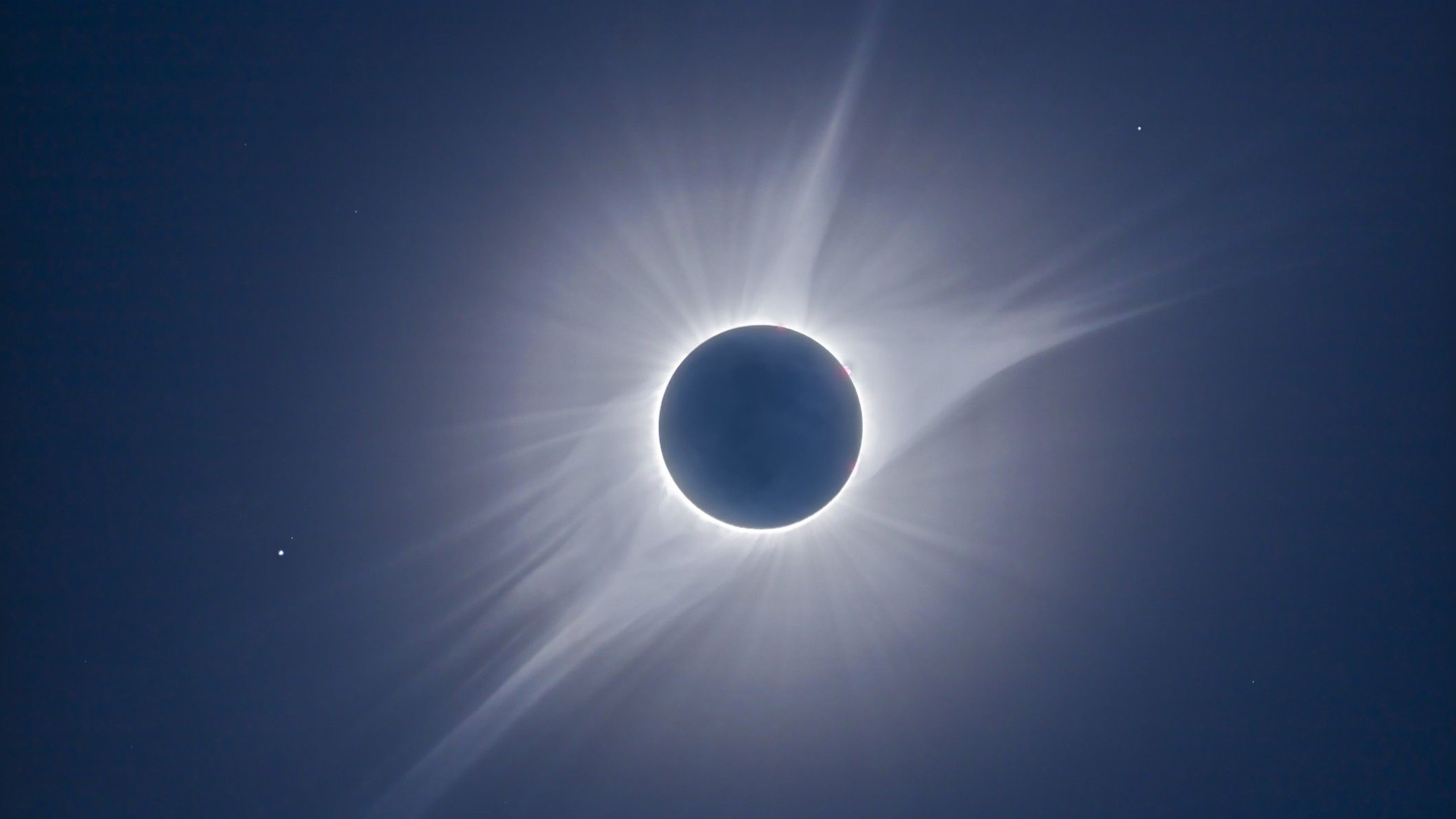
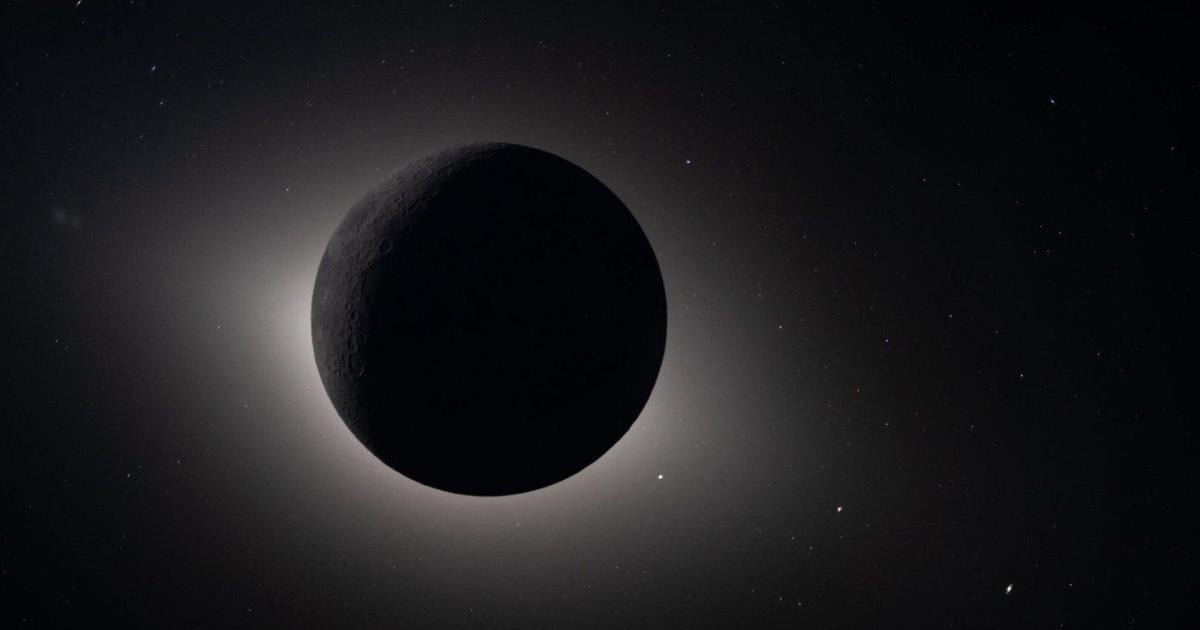
During a total solar eclipse, the Moon completely blocks the bright disk of the Sun, making the much fainter solar corona visible. The corona is the Sun's extremely hot outer atmosphere, and during most eclipses it appears white or silvery. Some people watching last week's eclipse did see this familiar pearly color. In Spain, however, observers were treated to something different. The corona took on an unusually rich golden hue.
Why the Eclipse Looked Golden
The timing of the eclipse played an important role. In Spain, totality occurred while the setting Sun was already close to the horizon. When the Sun sits that low in the sky, its light must travel through much more of Earth's atmosphere before reaching an observer.
Along that longer path, molecules in the air scatter shorter wavelengths of visible light, especially blue. This is the same basic process that helps make sunsets appear orange and red. With more blue light removed, the warmer colors that remain become much more noticeable.