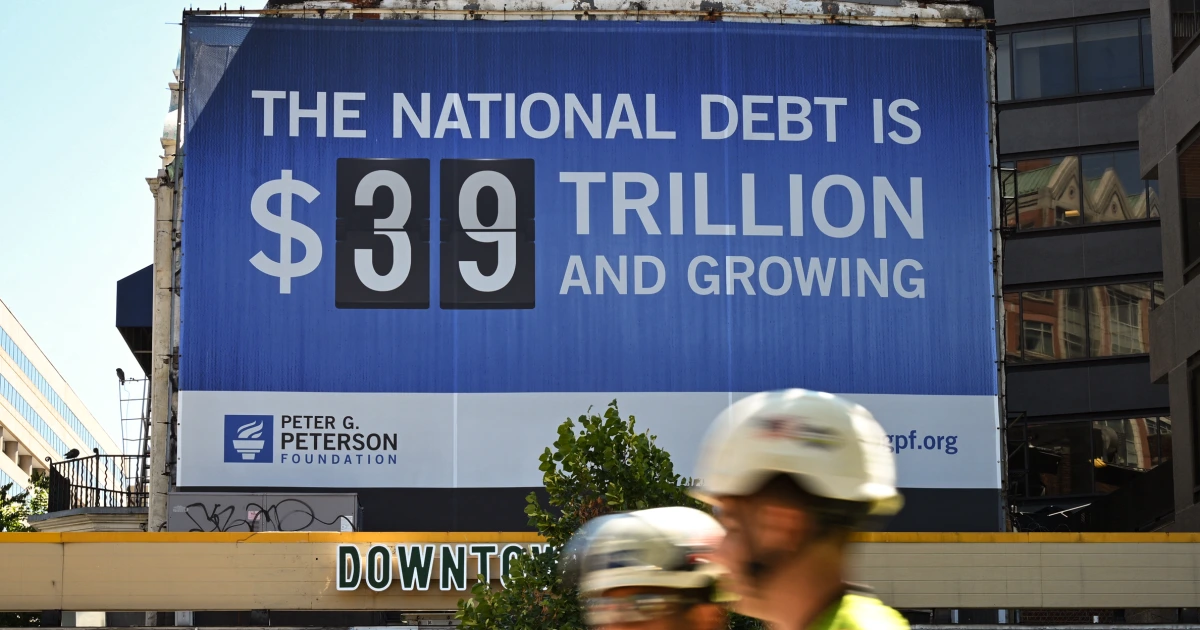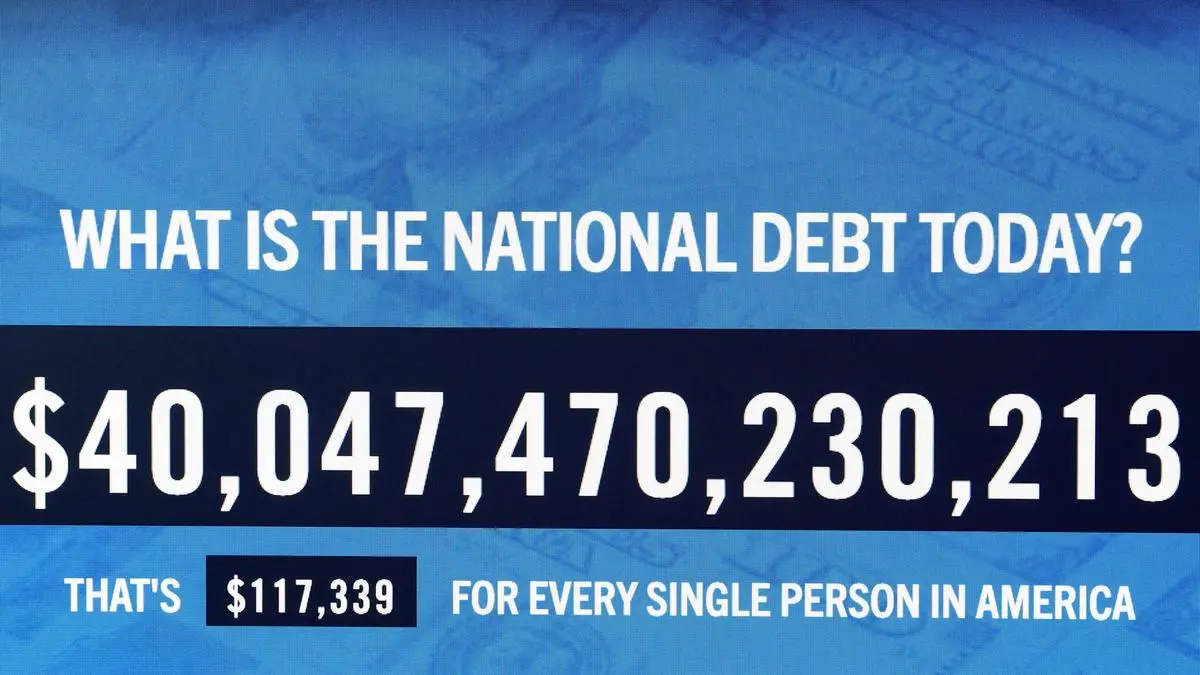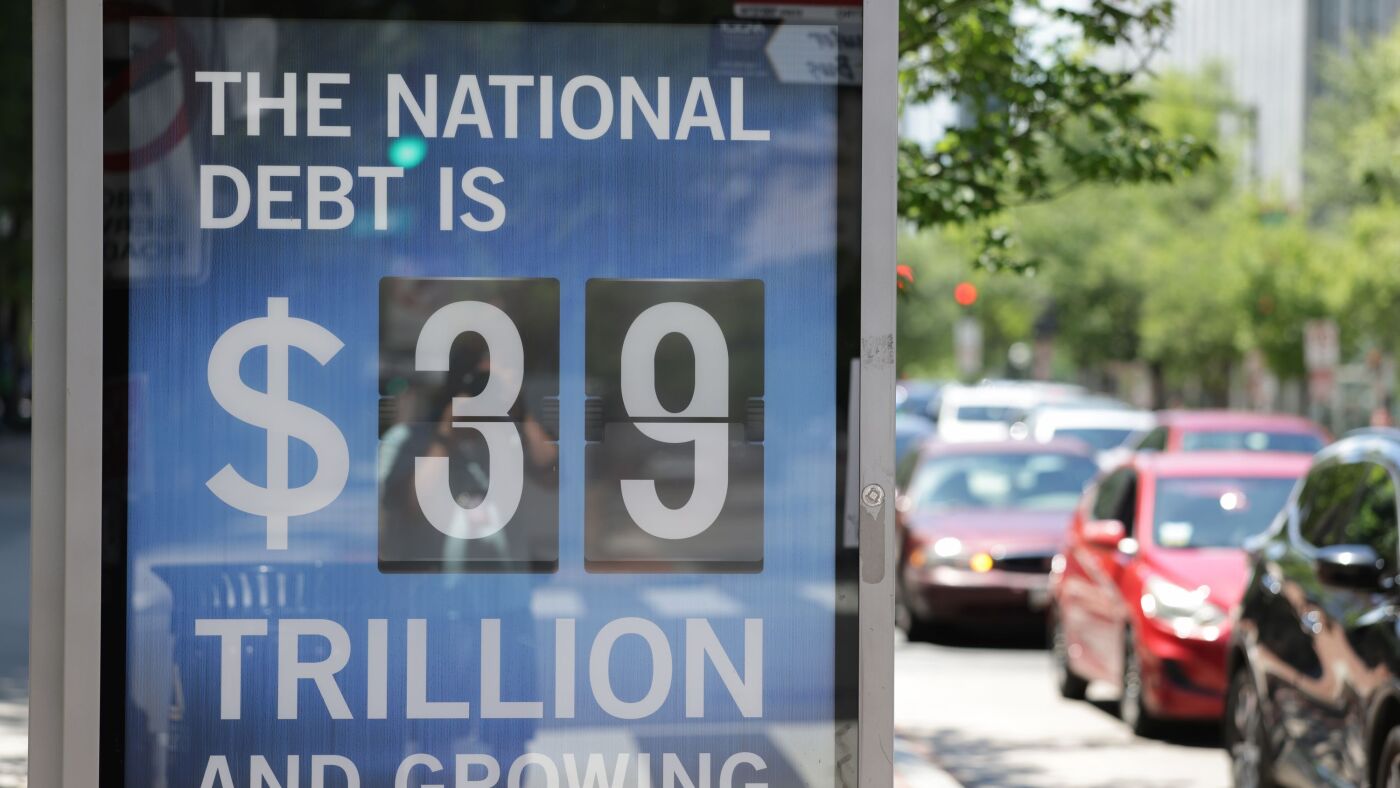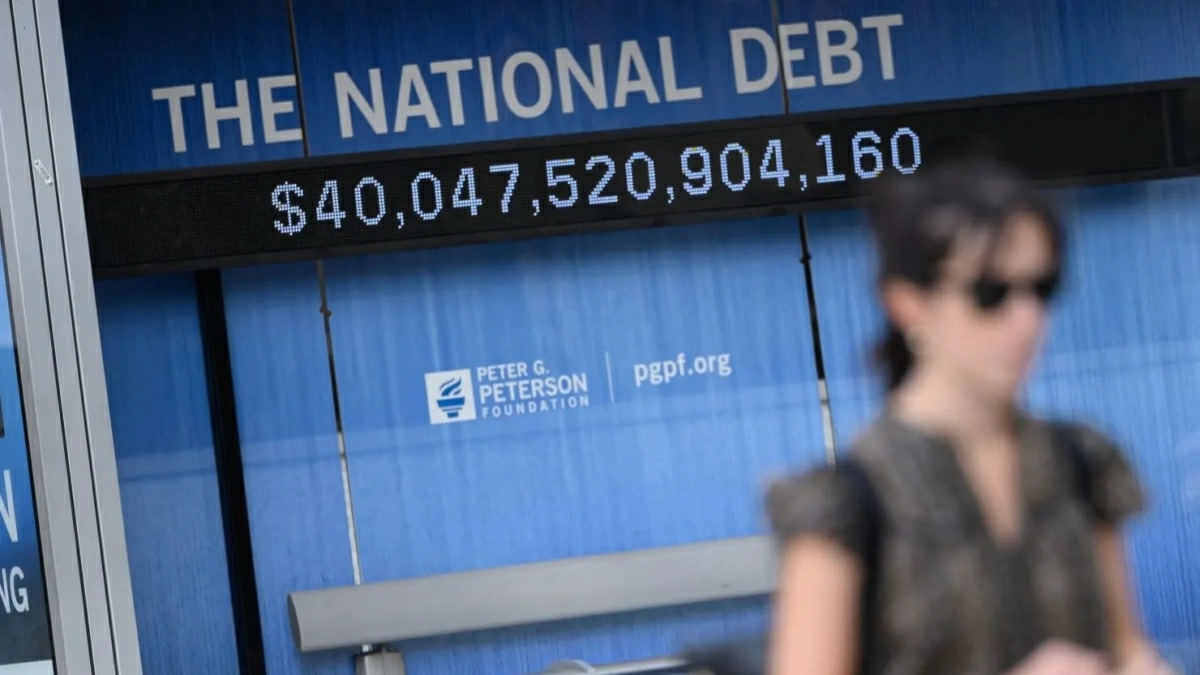
This photo taken on Aug. 19, 2026 shows the U.S. national debt surpassing 40 trillion U.S. dollars, in New York, the United States. (Xinhua/Zhang Fengguo)BEIJING, Aug. 20 (Xinhua) -- The gigantic U.S. federal debt has officially surpassed 40 trillion U.S. dollars on Thursday, reaching another historic high.The milestone is more than a staggering number. It is a warning about a fiscal problem that Washington has spent decades postponing. The buildup of U.S. debt resembles Frankenstein's monster -- a creation of its own making that has grown beyond its creator's control. Borrowing, once a temporary fix, has become a permanent dependence for the world's top economy, with the reckoning endlessly deferred, and the risks increasingly foisted on the global financial system.The accelerating buildup of U.S. debt is stunning. It took the United States about two centuries to reach 1 trillion dollars in federal debt. Yet the next milestones came at a rapidly mounting pace: debt climbed from 10 trillion dollars in 2008 to 20 trillion dollars in 2017, before surpassing 30 trillion dollars in 2022. It took only about four years to add another 10 trillion dollars.What is more troubling is that the debt monster is increasingly feeding on itself. Behind every new borrowing cycle lies another attempt to push the reckoning further into the future.While skyrocketing entitlement spending, mounting interest costs and chronic fiscal imbalances have driven America's debt ever higher, its addiction to military expansion abroad has only poured more fuel on the fiscal fire.In 2024 alone, the United States spent nearly 1 trillion U.S. dollars on its military, accounting for 37 percent of global military spending. The price of that hegemonic reflex is still mounting: five months into the war with Iran, the Pentagon put the conflict's cost at 37.5 billion dollars and was seeking tens of billions more.While U.S. overseas military adventures have left a trail of suffering and destruction, America's mounting debt is increasingly spilling beyond its borders. Decades after the birth of the Bretton Woods system, the dollar still remains the world's primary reserve currency, while U.S. Treasury securities sit at the heart of global financial markets.When the United States maintains high interest rates to deal with inflation and fiscal pressures, capital tends to flow toward dollar-denominated assets. This can put pressure on other economies by weakening their currencies, raising borrowing costs and tightening financial conditions.A screen displays the U.S. national debt surpassing 40 trillion U.S. dollars, in New York, the United States. (Xinhua/Zhang Fengguo)More importantly, the unchecked growth of U.S. debt is gradually eroding confidence in the stability of the international financial system. As the International Monetary Fund warned early this year, rising U.S. debt poses a "growing stability risk" to both the American and global economies.The 40 trillion-dollar debt threshold should serve as a fresh wake-up call for Washington and a new warning to the rest of the world. The Frankenstein monster of debt was not created overnight, but through decades of political choices that prioritized short-term gains over long-term responsibility. Continued borrowing to defer difficult reforms will only allow the problem to grow larger and harder to contain.Looking ahead, with partisan divisions growing ever more bitter, politicians in Washington appear increasingly incapable of addressing their country's chronic debt problem at its root. They are unwilling to raise taxes and risk alienating voters, particularly the wealthy, yet equally reluctant to rein in bloated defense spending. The more likely course Washington will take is to keep on borrowing, piling debt upon debt to finance its costly pursuit of global dominance.In the Gothic science novel, Frankenstein and his monster ultimately met the same fate, destroyed by the forces they had set in motion. The United States risks a similar end: the debt monster it has created could eventually destroy both the creature and its creator.Countries worldwide should therefore prepare for the fallout, strengthen their financial resilience and work together to reduce the vulnerabilities of the international financial system. The stakes are simply too high to wait for Washington to change course.■
Xinhua Commentary: U.S. debt monster spirals out of control
Xinhua Commentary: U.S. debt monster spirals out of control -
666 words~3 min read