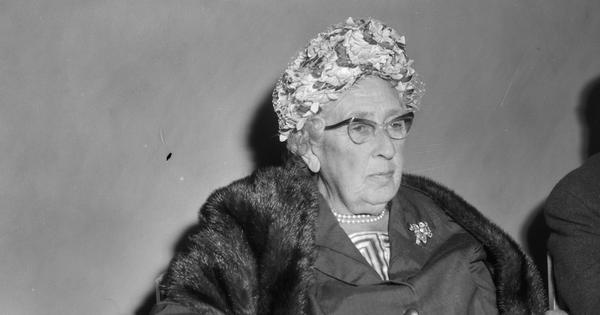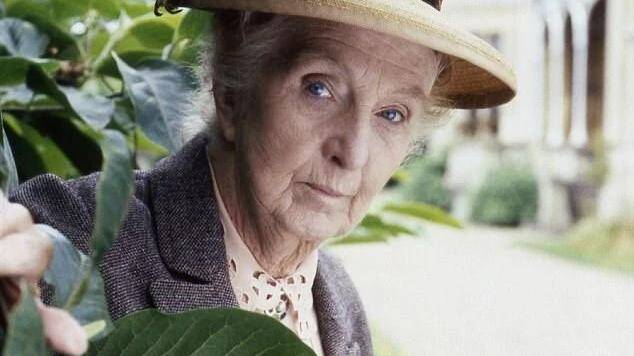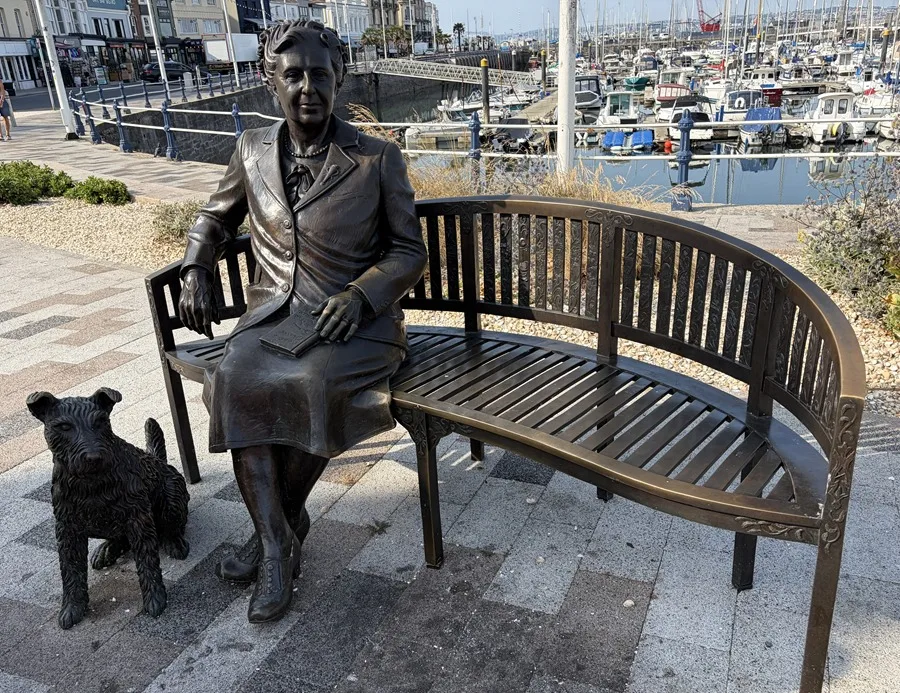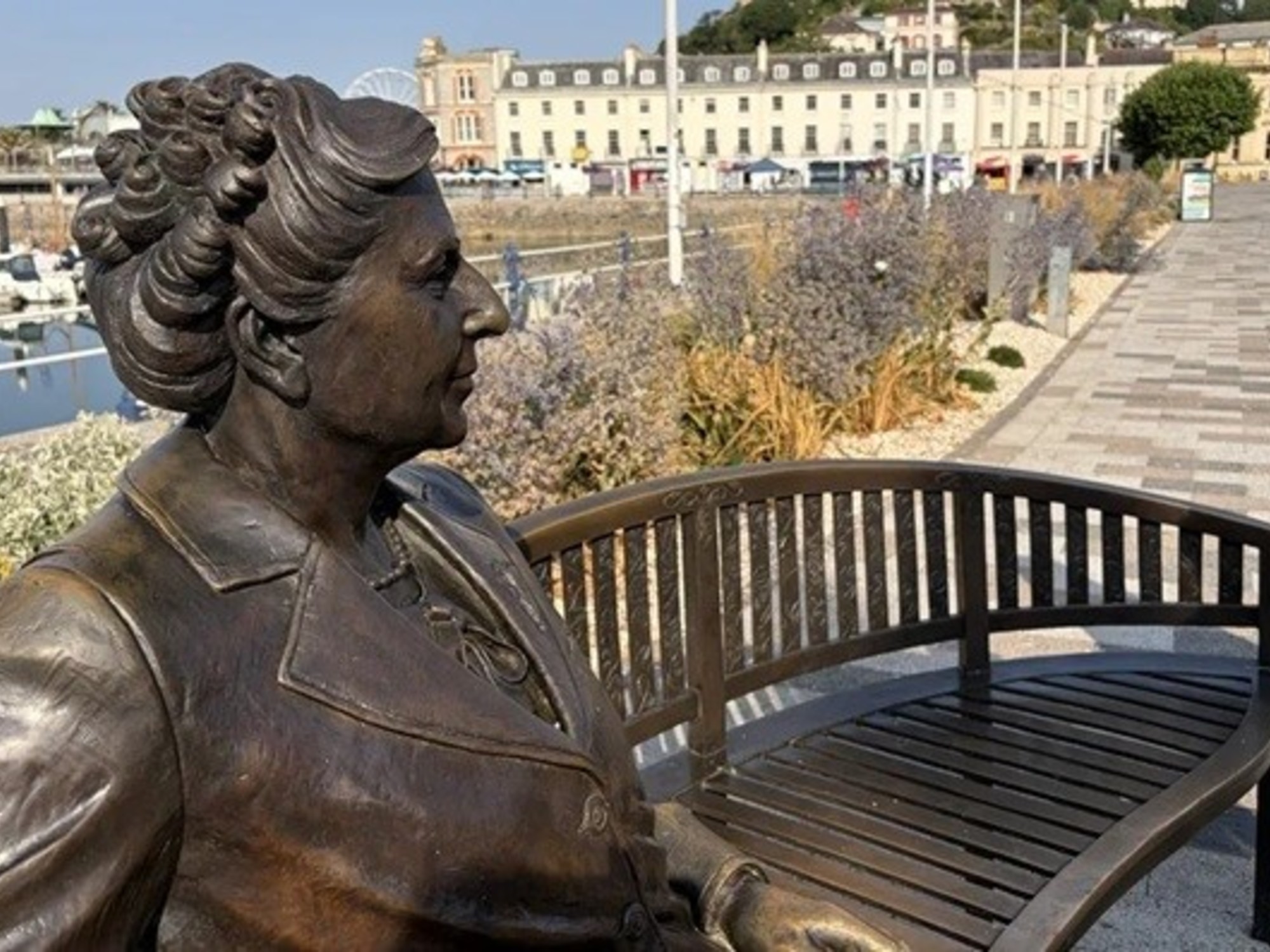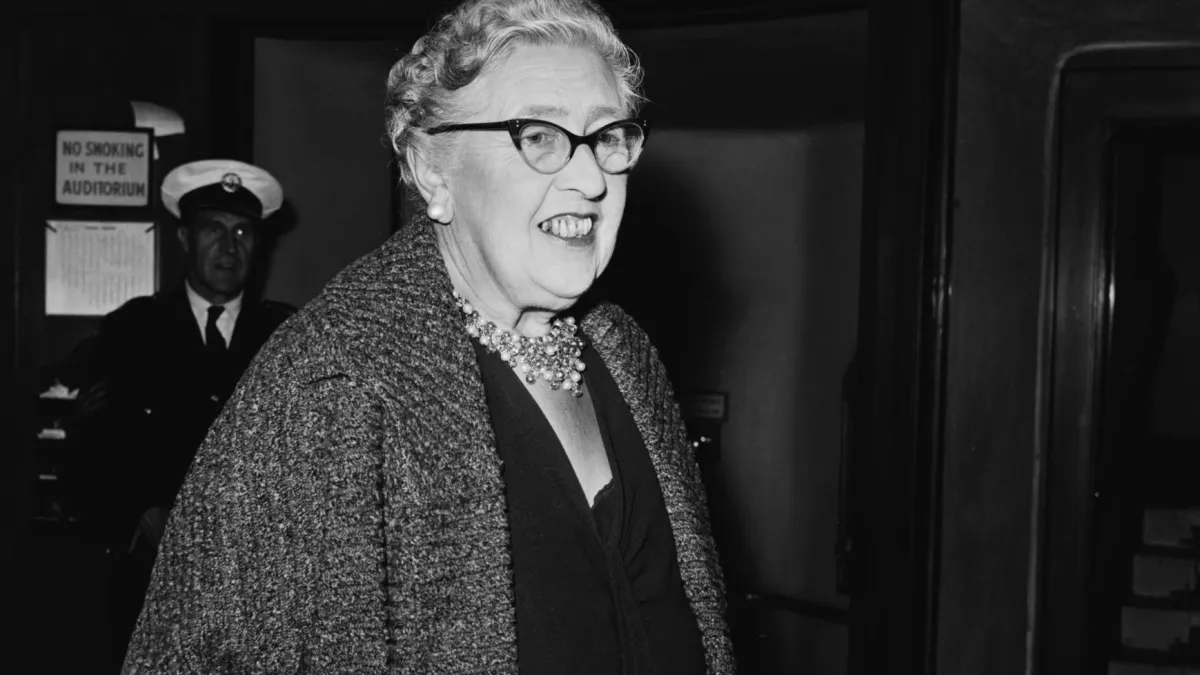
Agatha Christie has come to be seen as the epitome of cosy crime. With the dandified Poirot or the seemingly innocent Miss Marple at the helm, her stories have a veneer of bucolic English life, temporarily derailed by nefarious deeds. But Christie was never cosy. Her novels contain hidden, darker depths with characters, plots and incidents dredged from her own troubled existence.
Author Cathy Rentzenbrink is a Christie fanatic, who found herself in the midst of a series of crises, both personal and professional, and turned to the Queen of Crime for comfort. But as she reveals in her new book The Agatha Christie Cure, the innumerable problems that Christie faced often reflected her own.
“As my own life derailed,” Rentzenbrink writes. “I felt she had something to teach me about disappointment and heartbreak.”
Rentzenbrink read all of Christie’s books in order, witnessing the author’s life unravel before her, especially when she reached 1926. That was the year that cemented Agatha’s reputation, but also the year that nearly destroyed her.
Though considered a quintessentially British writer, Agatha Christie was always an outsider, and utilised the perspective of an interloper spying on the bizarre activities of the people around her. She was born Agatha Miller – the youngest of three children – into a wealthy upper middle-class family in Torquay, Devon. Her father, Fred Miller, was a wealthy, gregarious American, while her mother, Clara, was born in Dublin with a half-German mother. When Agatha was born on 15 September, 1890, the family were rich, influential members of Torquay society. But Fred has his secrets.