Does the sound of other people chewing fill you with rage? Have you destroyed a trip to the cinema for yourself by being unable to focus on anything but the sound of Coke going down the neck of the man behind you? Have you considered moving house because of a neighbour’s unbearable laugh? You might have a disorder called misophonia. Although chances are, if you do have it, you already know what it is called. I absolutely do have it. How do I know? Well, the other night a neighbour somewhere in my building did an exaggerated sneeze with an extended choo! at the end, and I started crying with rage. This is a classic presentation. Misophonia, loosely translated from its Greek origins, means “hatred of sound”. The disorder causes those affected to experience anger, distress or other strong emotional responses to specific noises or triggers. Sneezes are a big one for me. Not every sneeze (some I don’t even notice), but I might have a reaction depending on the context and my state of mind. I know it’s irrational. Everyone sneezes involuntarily. I sneeze, for the love of God! And yet, a sneeze might have me crying with rage or disgust or distress. I might convince myself that the person was that loud on purpose or that they’ve chosen to make that specific intolerable (to me) sound. Sure, there are noises that annoy us all. Someone having a loud FaceTime conversation on a bus or an incessant drill on a construction site will bother a good number of people (I assume? My benchmark for annoying noises is probably not standard). However, a person with misophonia may not be able to be in a room with someone without losing it because of the way they swallow their tea. They might not be able to focus in a classroom because of the sound of a person breathing 10ft away from them. As a child and teenager, I was at war with members of my family at every mealtime because I perceived the sounds they made while eating to be intolerable. I would have full-blown meltdowns and have to go to my room, where I would imagine I could still hear chomping and lip smacking through several layers of wall and door.‘I have been diagnosed with ADHD and, with it, several sensory issues, including misophonia’Family members and those close to you are often triggers for misophonia because their noises are repetitive and sometimes inescapable, although I can have a reaction to a one-off noise just as easily. Case in point: the neighbour with the humongous and, if you ask me, unnecessary sneeze. As an adult, you learn to mostly keep your misophonia reactions to yourself because often the triggers are undetectable to others. I can be at the cinema and be absolutely outraged, almost to the point of confrontation, by a rustling bag or a near-imperceptible whisper while my companion will be watching the film, blissfully ignorant.It is also not very socially acceptable to point out to people that they’re making a noise that’s undetectable to others while to me they might as well be scraping all 10 nails across a blackboard. I can recognise that my responses to misophonia triggers are usually disproportionate to the circumstances, but this does nothing to mitigate my involuntary responses. With misophonia, you learn to try to avoid or distract from the stimuli where possible and to develop micro ways to cope if people in your life are potential triggers. I can name, without hesitation, the five loudest swallowers among everyone I know. I can give you a list of a dozen former co-workers who were lovely, charming people but who appear first and foremost in my memories as “teeth against porridge spoon”, “couldn’t have been serious with that sneeze” or simply “chewing gum”. It helps that misophonia is now a scientifically (albeit recently) recognised disorder, although it does not appear in the Diagnostic and Statistical Manual of Mental Disorders, which is the standard list of mental health conditions.[ I’m riddled with ADHD apparently, and medication has changed my lifeOpens in new window ]That is because there is no consensus on where it lies between psychiatric, neurological and audiological conditions. It overlaps with numerous conditions like obsessive-compulsive disorder, anxiety, post-traumatic stress disorder and those with sensory processing and emotional regulation difficulties, like attention deficit hyperactivity disorder (ADHD) and autism. I have been diagnosed with ADHD and, with it, several sensory issues, including misophonia. The diagnosis at least brought some validation to what I had felt my whole life was a nasty personality trait: this intolerance of other people talking or eating or even just breathing. I had a neighbour once, and my ears were involuntarily trained to hear the tiny, tinny sound of their bathroom bin lid opening. I was convinced they were doing it on purpose, to annoy me. Hi, my name is Emer, and I definitely have misophonia.
Emer McLysaght: My neighbour’s sneeze was humungous and unnecessary
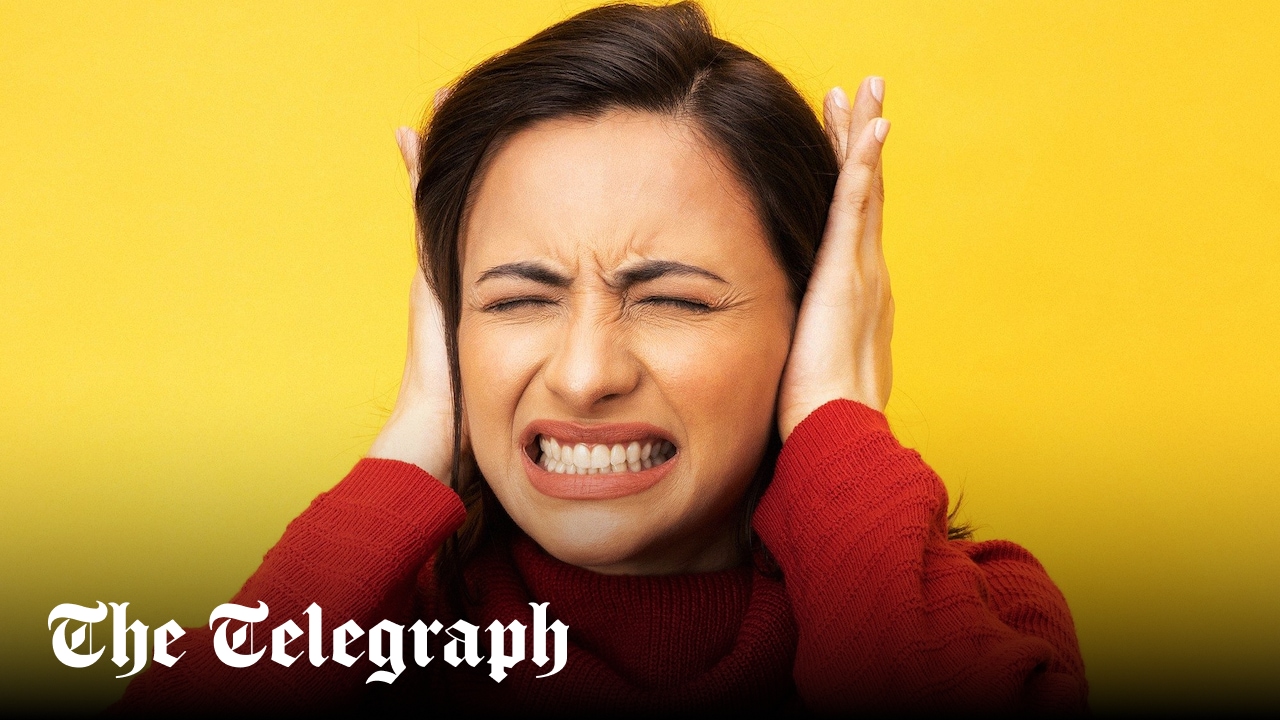
Misophonia, meaning ‘hatred of sound’, causes those affected to have strong emotional responses to specific noises
824 words~4 min read