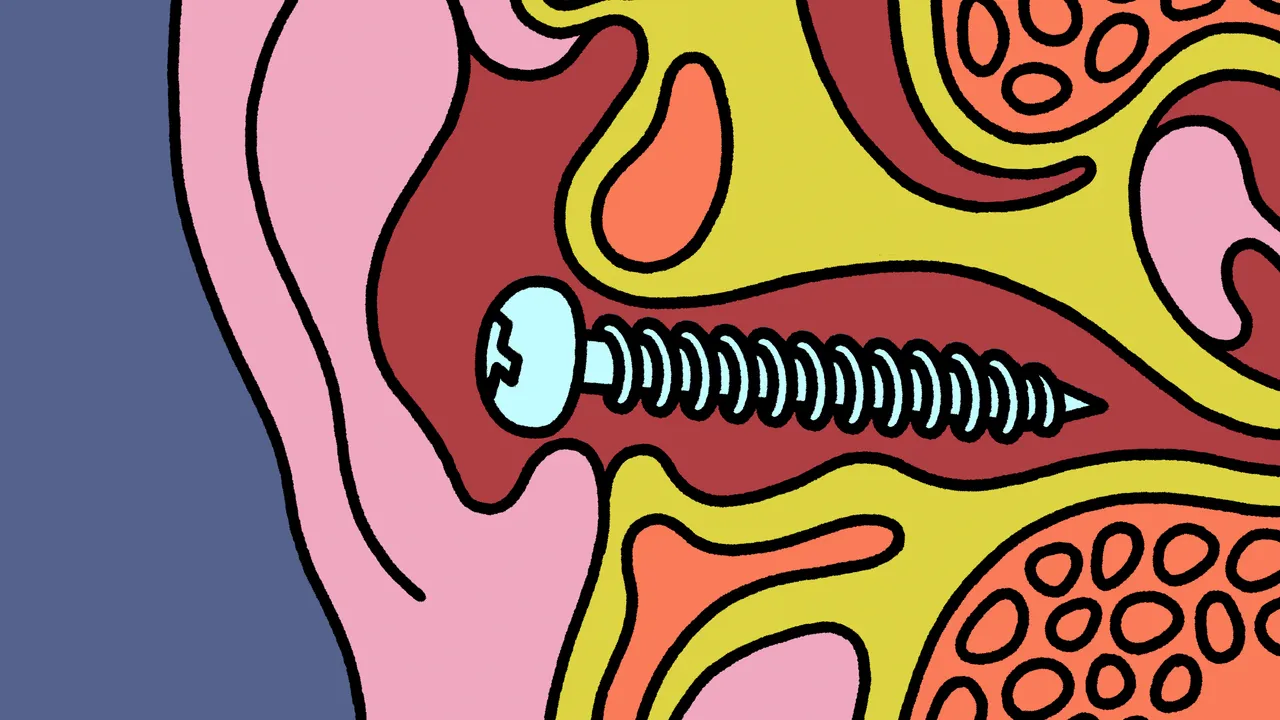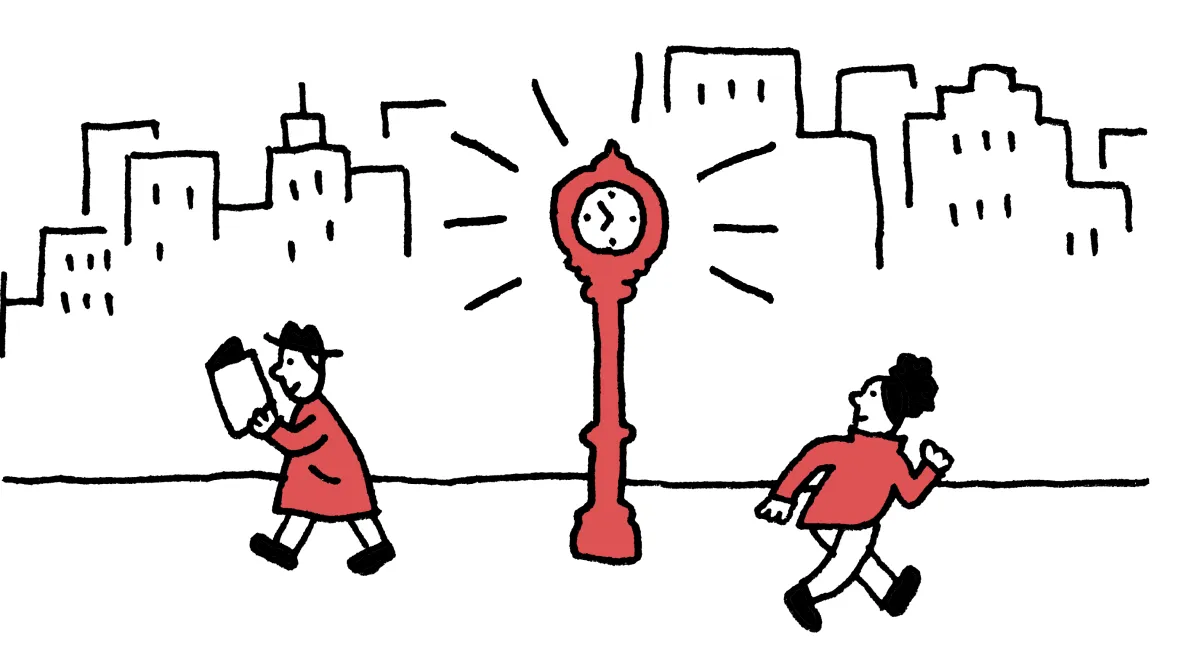
Illustration by Miguel Porlan
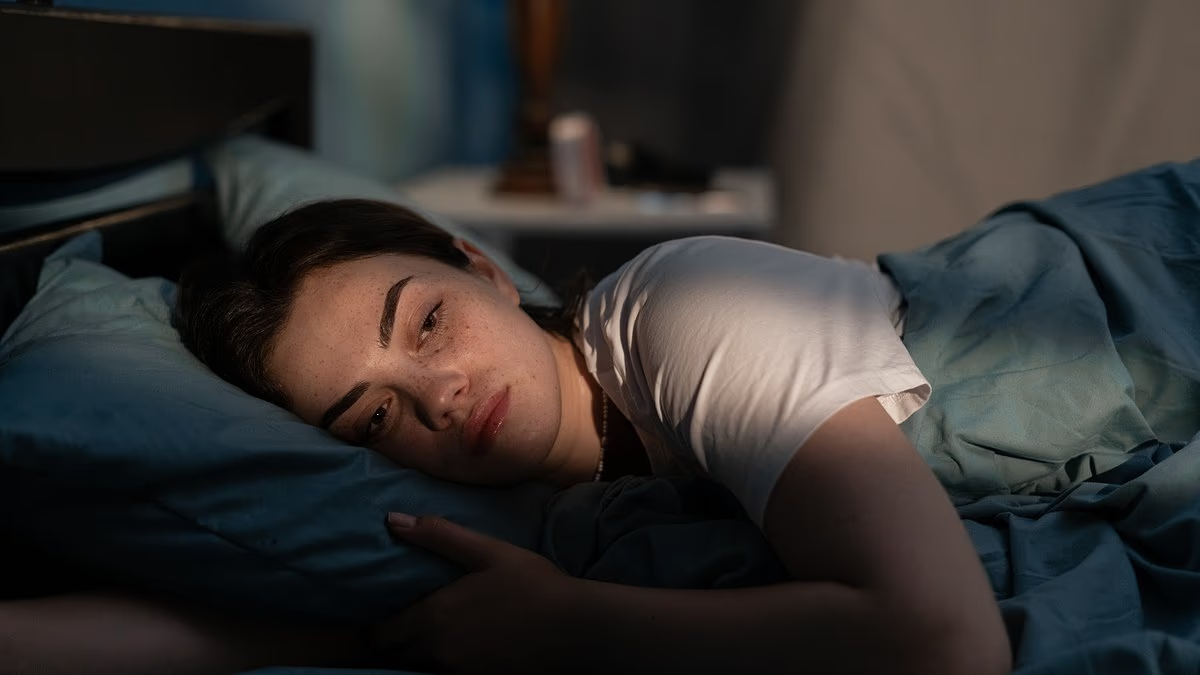
If the sound of someone chewing has ever put you off your own meal, you may have an inkling of what those who suffer from misophonia experience every day. A neurophysiological disorder, misophonia is broadly characterized as an extreme aversion to sound. It is also, as the writer Sloane Crosley points out, marked by “a struggle to convince others of the severity of that aversion.”For a fascinating (and funny) piece in this week’s issue, Crosley, who suspects she may have a mild case of misophonia, does a deep dive into the condition and its challenges: the visceral bodily response to noises, the endless loop of alertness and exhaustion, the frustrating lack of solutions. She speaks with those who are afflicted—“it’s intense rage and panic,” one woman tells her—and with experts who are studying misophonia’s root causes and others who are working on practical solutions. We recently chatted about what she learned in her reporting.Our conversation has been edited and condensed.What differentiates misophonia from simply wanting to snatch that bag of chips away from your crunching housemate?This is the eternal battle, to provide a working answer to that question. We live in a time when it’s difficult to parse personality and pathology (I’m looking at you, gluten). The doctors I spoke with distilled it as: How much does the anticipation or presentation of noise interfere with your life? That’s the simplest metric. Are you able to function or are you tailoring your daily activities around this aversion?If you walk into a restaurant and think, I can’t stay here—because you notice the proximity of the tables, or someone seated nearby is thumping their foot, or chewing loudly—then you’re probably on the more categorizable end of things. There are physical symptoms of misophonia, like a quickened heart rate, but it’s mostly about how much it impedes your existence. People who can be diagnosed with moderate or severe misophonia tend to make sacrifices for it.Everyone believes they have it—this is something I noticed even as we talked about your piece around the office—but there are those for whom it is very serious.Most people hear the definition of misophonia and they think they have it. It’s truly not for me to say who has it and who doesn’t, but that recognizability does contribute to the frustration shared by both the researchers who are working on misophonia and the people who have to live with it. It’s just no fun to have a condition that’s widely claimed when it’s mild and then widely dismissed when it’s severe.Right—you note in the piece that misophonia is in a kind of medical purgatory. What’s keeping it from being an official diagnosis?There’s a debate about whether it should be recognized with a code by the International Statistical Classification of Diseases and Related Health Problems. A code would allow medical processes related to the condition (such as cognitive-behavioral therapy) to be covered by insurance, so that would be a positive practical step toward recognition.But the word that came up again and again in interviews was “awareness.” That’s the purported reason these nonprofits that are dedicated to raising awareness about misophonia sell merch. In a meta moment, the fact checker on this piece revealed to me that she actually has a mild but definite case of misophonia, and she said that people don’t need T-shirts. They need the world to change, to become more understanding. To which I say: hear, hear. Sorry.“One of the problems with the condition,” you write, “is that it overlaps with the human condition.” How have you felt this in your own battle with what might be a degree of misophonia?I’ve tried to explore the perimeters of my own misophonia as much as I could, like how much discomfort I could take. This is something a person with severe, or simply diagnosed, misophonia would never do. So already that’s telling. But also telling is the fact that I didn’t get too far. I figured, using my own unscientific terms, that the opposite of the misophonia reaction is probably the A.S.M.R. reaction. So I Googled a video of a person chewing and popping gum very near a microphone. Some things cannot be unheard. I couldn’t handle three seconds of it, even for sport.Working on this piece certainly made my experiences with misophonia, as mild as they are, worse. It absolutely exacerbated them. I’m like one of those medical students who reads about a rash and then, all of sudden, their neck starts to itch. I am infinitely less tolerant, and perhaps less tolerable, as a person, as a result of working on this story. And I was already pushing it to begin with.Read or listen to the story »Editor’s PickIllustration by George WylesolEight Predictions for the Future of Higher EducationIn the final installment of a six-part series about the viability of America’s university system, Jay Caspian Kang offers eight insights into what college might look like a decade from now. “This is hardly Armageddon for higher education,” he writes. “But the future does kind of suck.” Read or listen to the story »More Top StoriesIn her new memoir, Jill Biden continues to avoid reality, Amy Davidson Sorkin writes.The Republican congresswoman Nancy Mace accused her ex-fiancé of sexual assault. It may have doomed her bid for South Carolina’s gubernatorial nomination.We’re tracking primary results today in the South Carolina race, and in Maine, where Graham Platner looks to claim the Democratic nomination to face Susan Collins in the race for U.S. Senate.“Nothing went right that needed to go right.” David Remnick, Louisa Thomas, and Vinson Cunningham break down the Knicks’ Game 3 loss to the Spurs.The most-clicked item in yesterday’s newsletter was Heidi Blake’s months-long investigation into the manosphere influencer Andrew Tate’s empire of abuse.