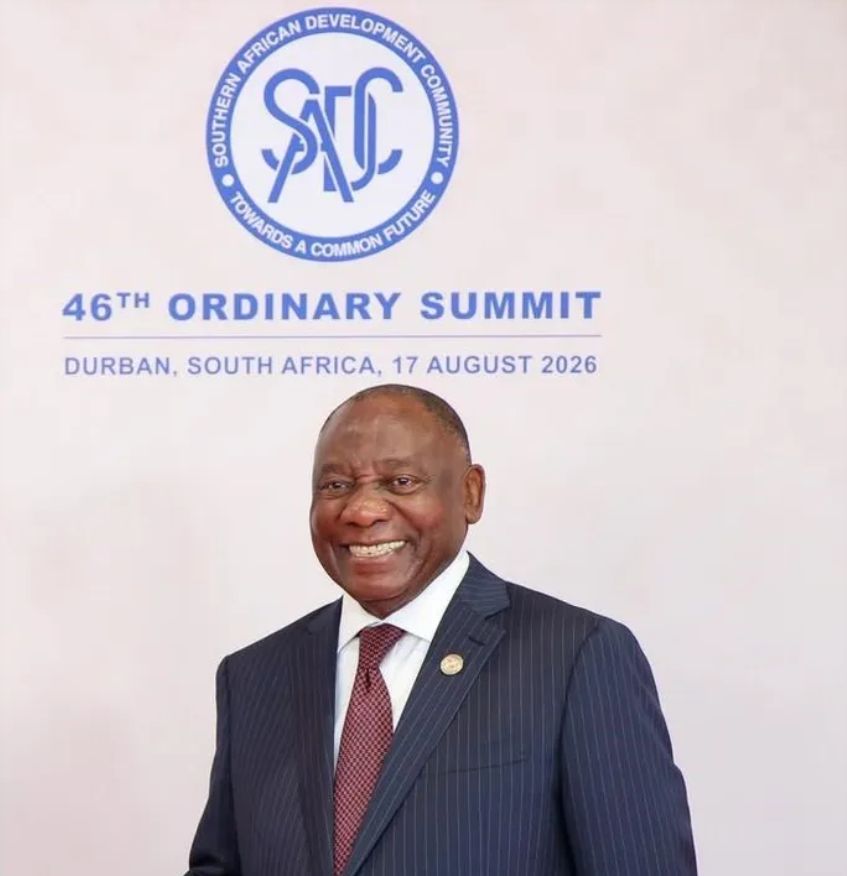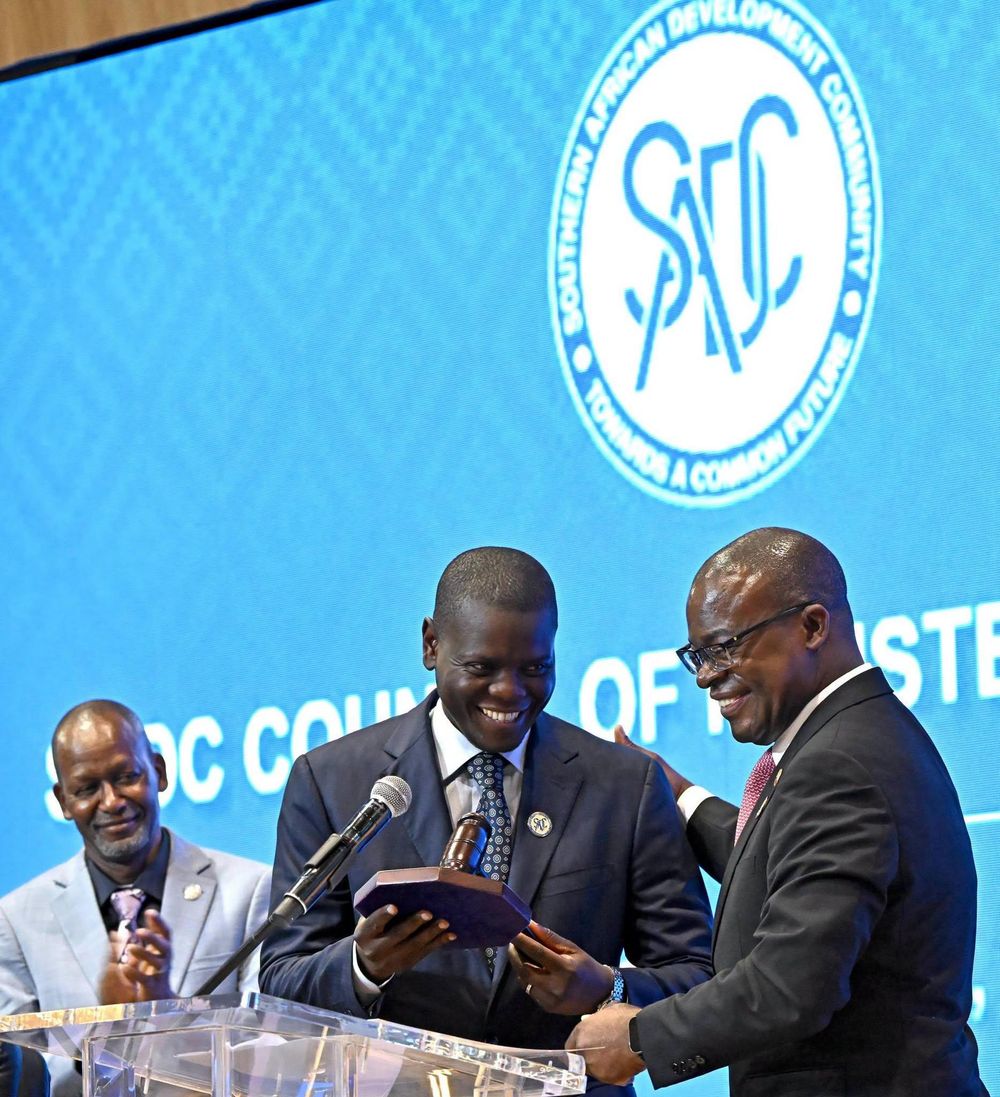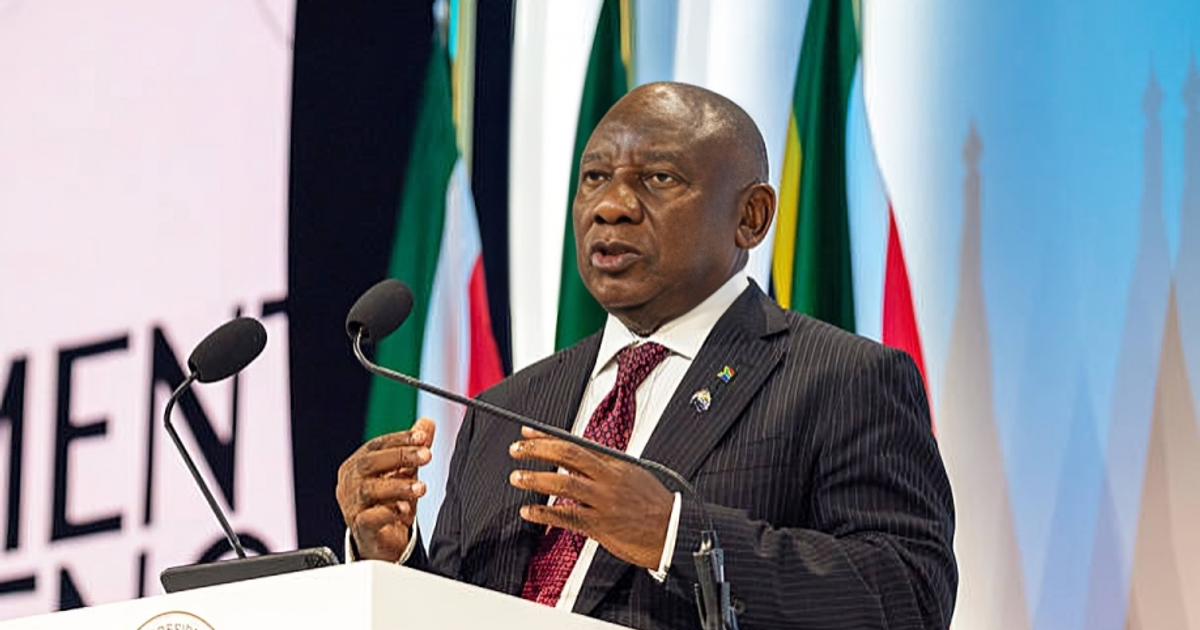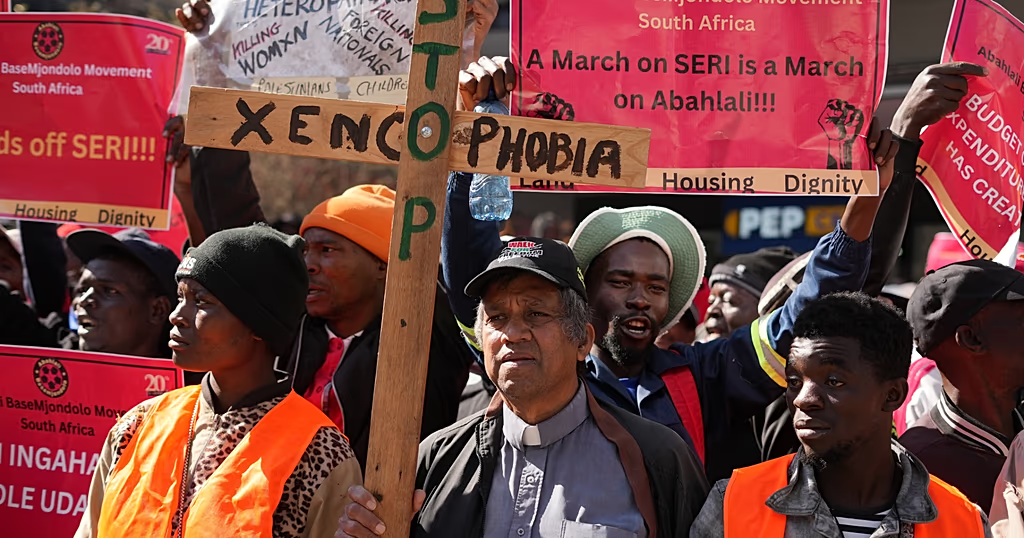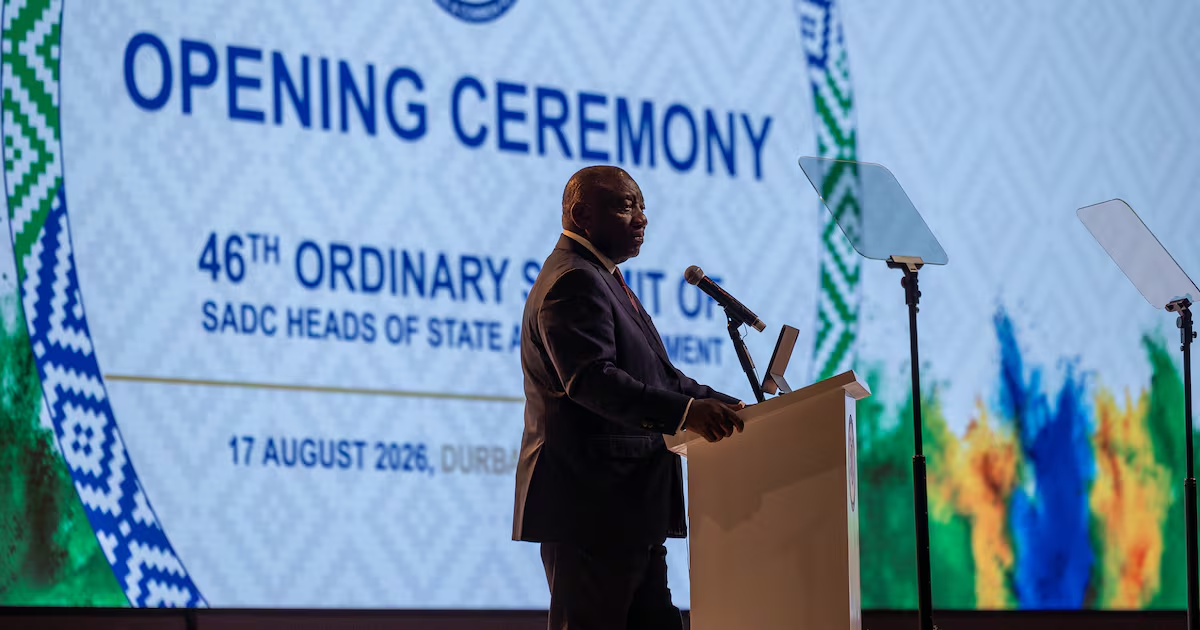
South Africa leaves the Southern African Development Community (Sadc) summit with an important diplomatic win. Its neighbours have backed its call for a regional dialogue on migration, giving Pretoria a mandate to move an increasingly contentious domestic issue onto the regional agenda.The outcome also exposes a problem South Africa cannot ignore regarding its handling of migration, which has dented its standing among some of its closest neighbours at precisely the moment it wants to exercise greater regional leadership.As we know, the nature of diplomacy requires endless patience. One can hold thousands of long talks with no results. Then, a sudden shift happens, and an agreement arrives without warning. The Sadc endorsement recognises that migration cannot be addressed by South Africa alone. The movement of people is driven by economic opportunity, conflict, poverty and political instability, while the consequences are shared across borders. The bloc has called for a co-ordinated and multidimensional dialogue to address these underlying drivers and develop sustainable responses. Pretoria’s argument should not be reduced to the movement of people from Zimbabwe, Mozambique, Lesotho, Malawi or other neighbouring countries. South Africa also faces irregular migration from beyond the continent, including people from South Asia and other regions, while migration routes into Africa are increasingly connected to wider global movements. Europe faces the same challenge from people arriving through routes spanning Africa, the Middle East and Asia. The EU itself has adopted a strategy combining tougher action against irregular migration with closer co-operation with countries of origin and transit. American diplomat George Kennan philosophised that “diplomacy [is] the art of restraining power”. The late British statesman Sir Winston Churchill famously said, “To jaw-jaw is always better than to war-war.” Nelson Mandela, though, warned that South Africa’s “destiny lies with Africa and Southern Africa in particular, but [we] will co-operate in the sphere, not dominate it”.Migration is a global phenomenon with distinctly regional consequences here at home. Treating it simply as a problem caused by neighbouring African states would neither reflect reality nor produce an effective policy.The problem is that Pretoria is asking its neighbours to embrace a regional solution while they are increasingly unhappy with how South Africa is managing migration at home. SADC governments told President Cyril Ramaphosa that they were hurt by the treatment of their citizens during the protests led by anti-immigration groups. South Africa’s influence in Southern Africa rests on the size of its economy and the credibility of its leadership. If neighbouring governments begin to view Pretoria as a country that wants regional integration on its own terms while tightening its borders at home, South Africa’s ability to lead will suffer.The contradiction is particularly important because South Africa wants deeper regional economic integration, stronger value chains and greater intra-Sadc trade. It is difficult to advance those objectives while migration becomes a persistent source of friction with the countries whose workers, consumers and businesses are central to regional economic activity.South Africa also has a domestic policy problem to resolve. It is revising its immigration framework through a new white paper while confronting a substantial backlog in refugee appeals. The government wants tighter enforcement, stronger border management and a more effective immigration system. Those are legitimate objectives. But an immigration system cannot be judged only by how effectively it removes people who have no right to remain. It must also distinguish between irregular migrants, asylum seekers, refugees, legal migrants and people who enter through legitimate channels but subsequently fall out of status.Business Day
EDITORIAL | Migration strains test South Africa’s regional leadership
Sadc urges multidimensional approach to address drivers of cross-border movement
577 words~3 min read