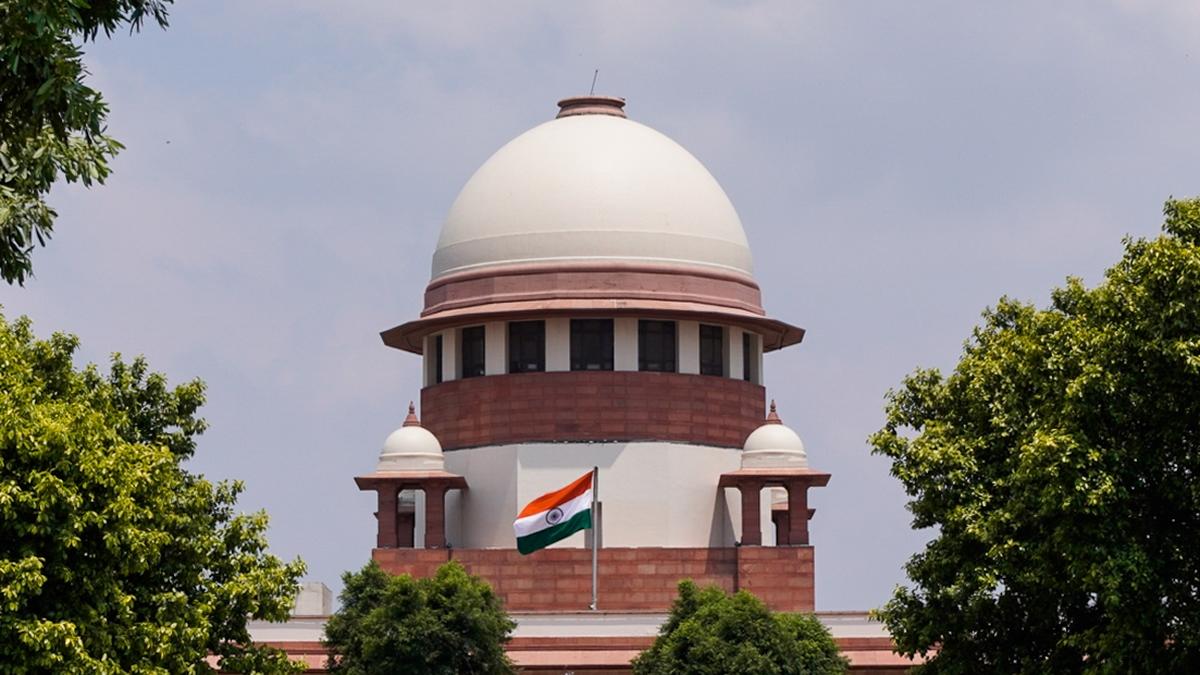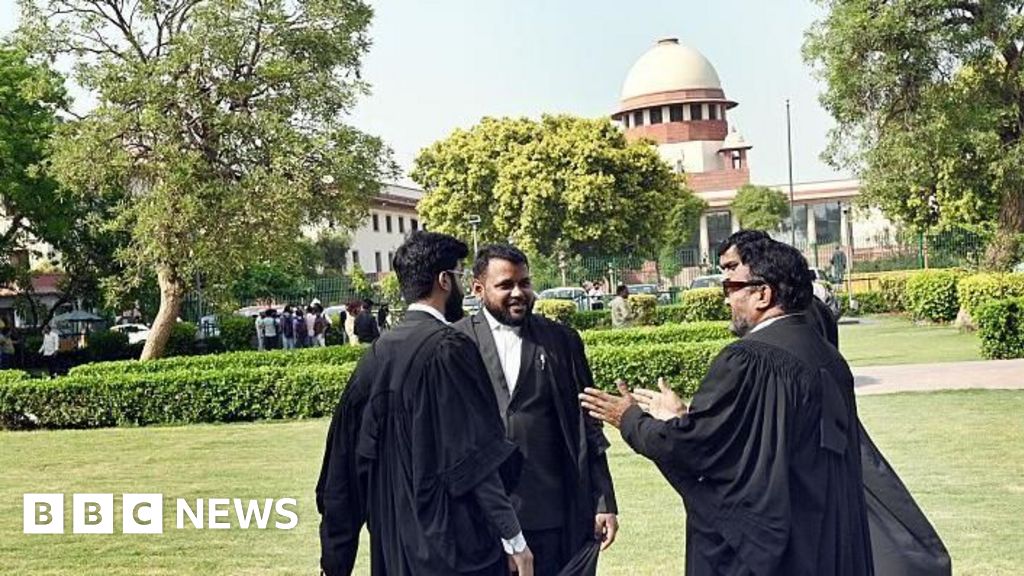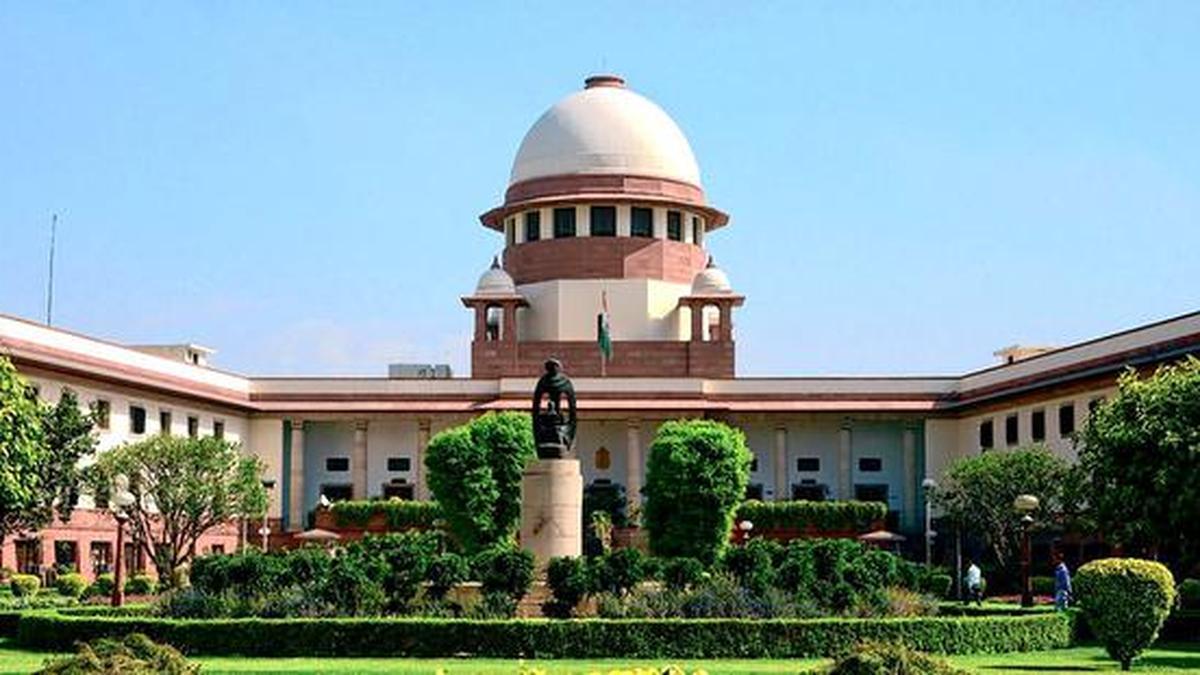
The need to ensure social diversity in the judiciary and make it a more representative institution has been raised across multiple forums in recent years. Many former Chief Justices of India, including DY Chandrachud and BR Gavai, have acknowledged that the composition of the Indian judiciary does not adequately reflect the country’s socio-economic realities and have batted for enhancing diversity on the Bench.
While the higher judiciary remains at the centre of concerns around diversity, it is equally important to monitor how inclusive district courts are, since they are usually the first point of contact with the justice system for most citizens. For an institution vested with the exalted responsibility of dispensing justice, fairness must begin right at its base. Wider social representation is key to such fairness.Discussions around making the higher judiciary more representative routinely revolve around the nature of the Collegium’s functioning. Analysing the diversity profile of the district judiciary, however, involves a different set of considerations, as appointments are governed by affirmative action policies framed by the states under Article 233.
Also Read: Bar exam to bench, how are Indian women lawyers doing?