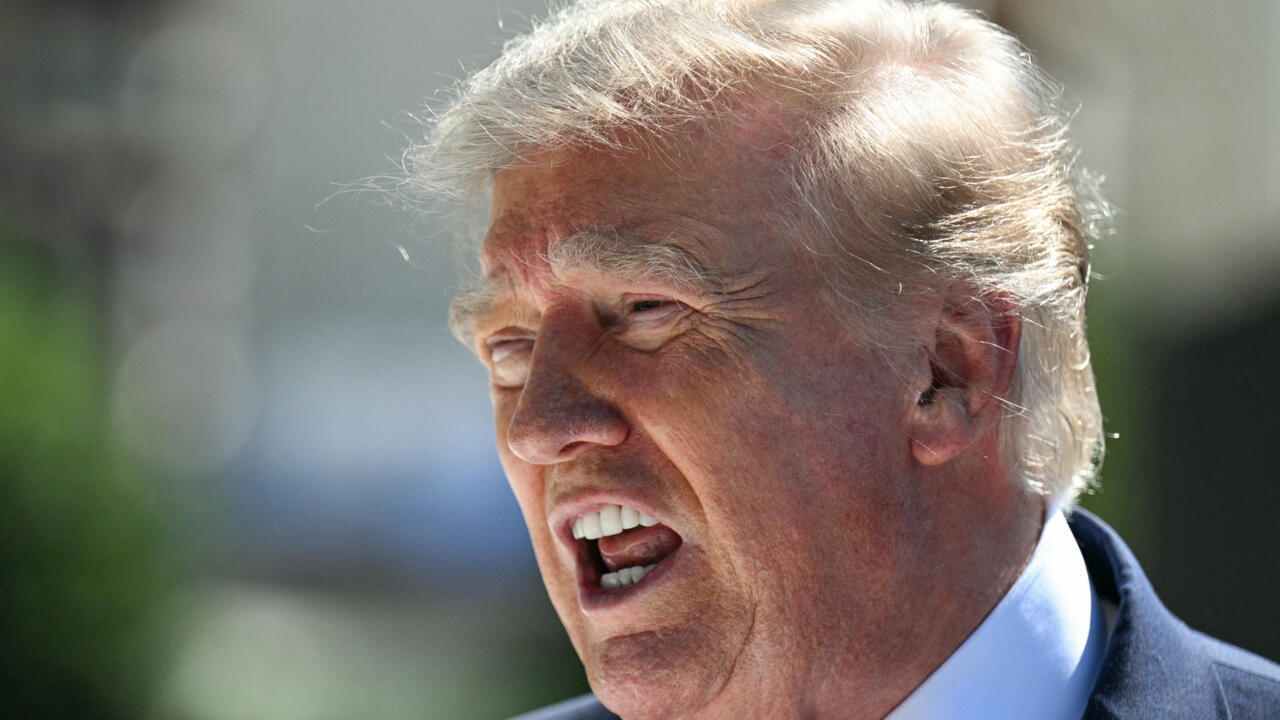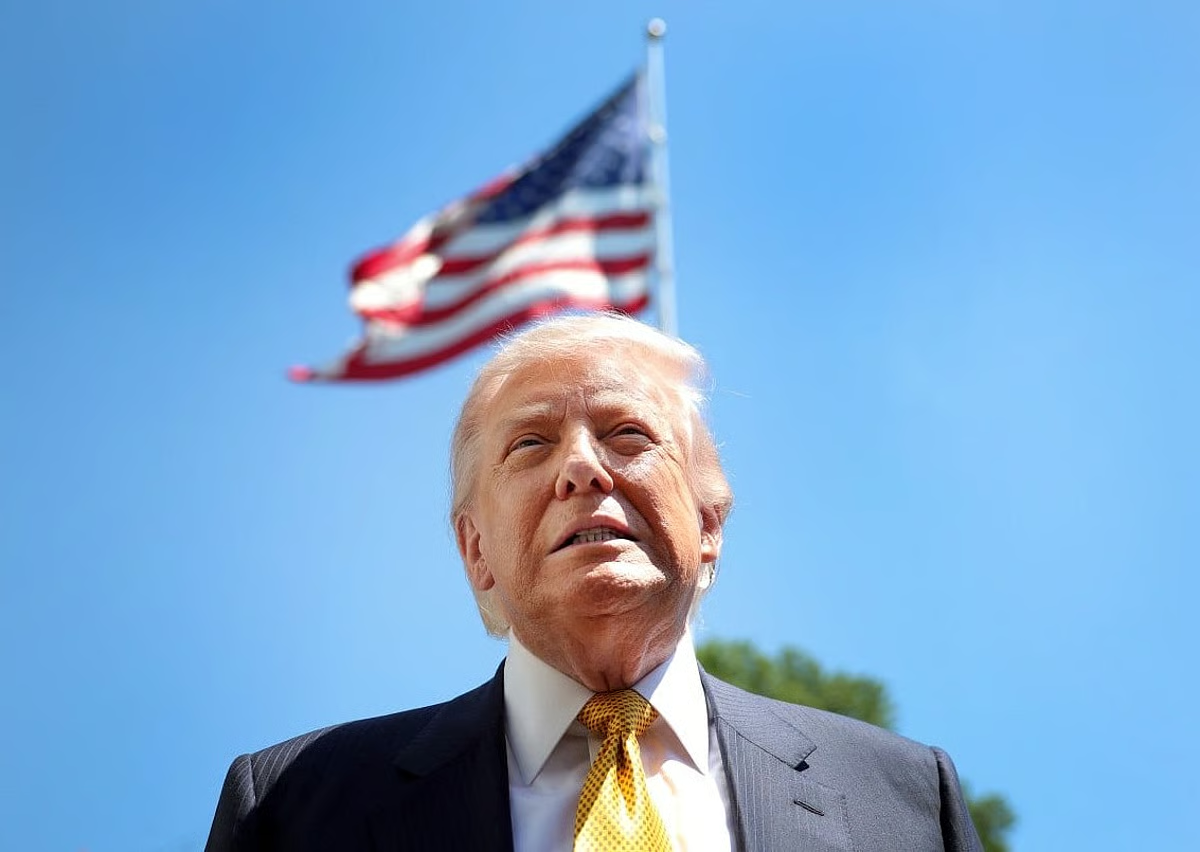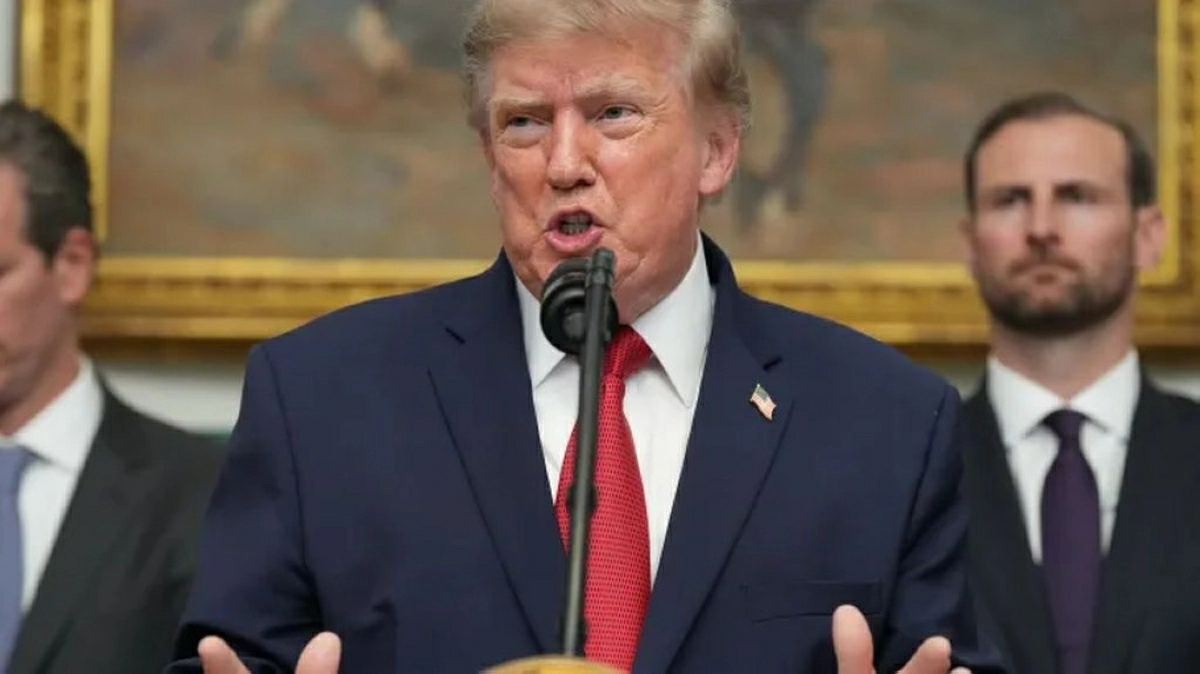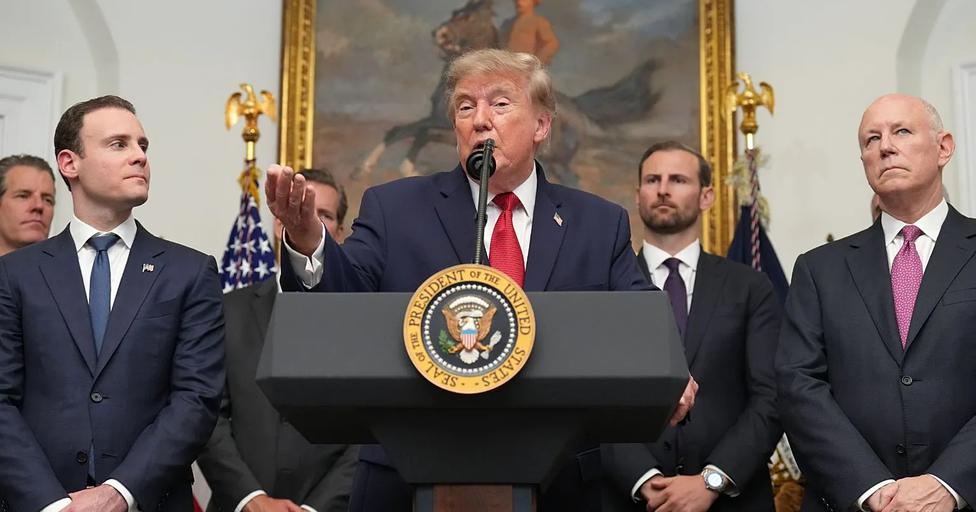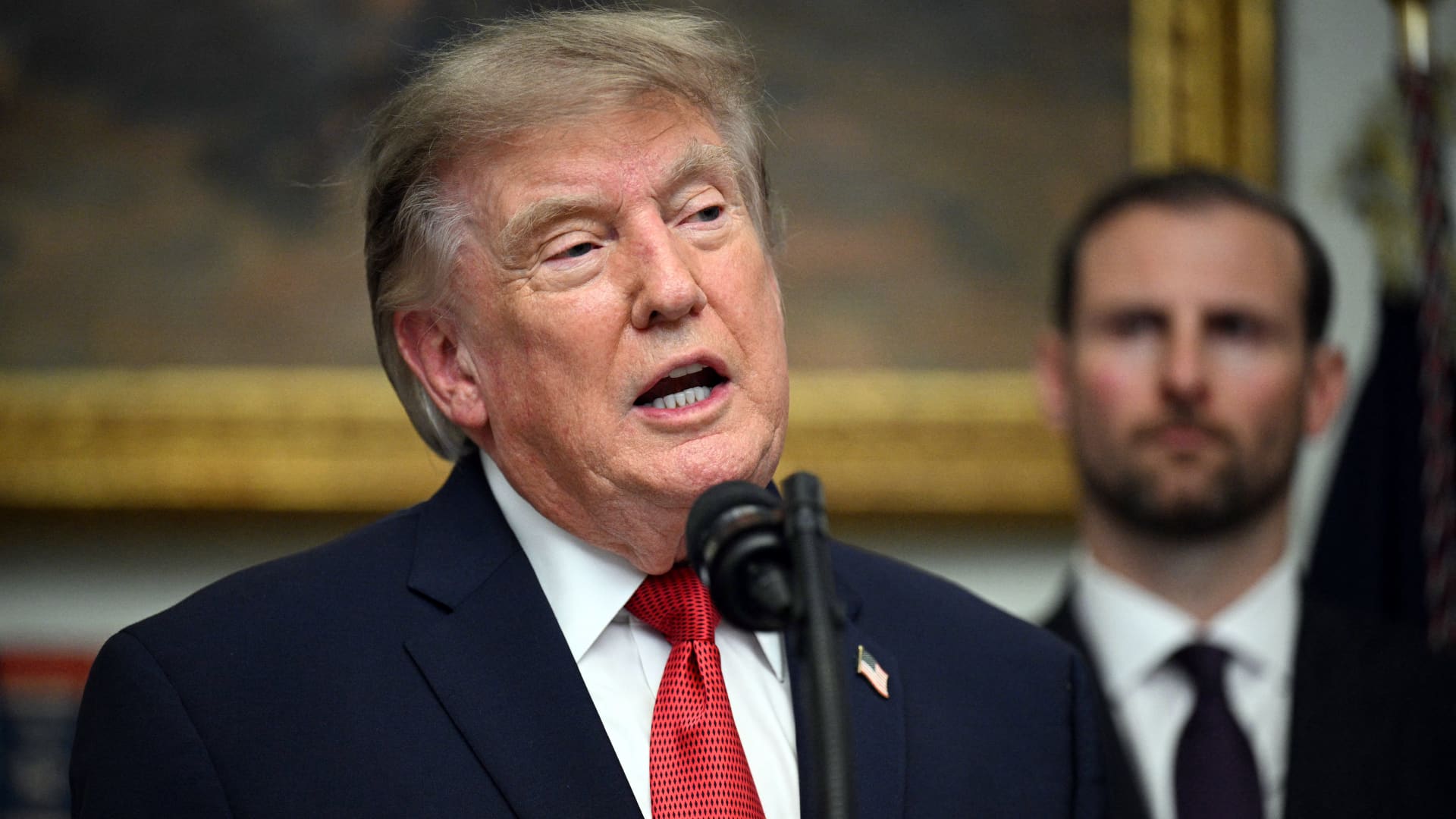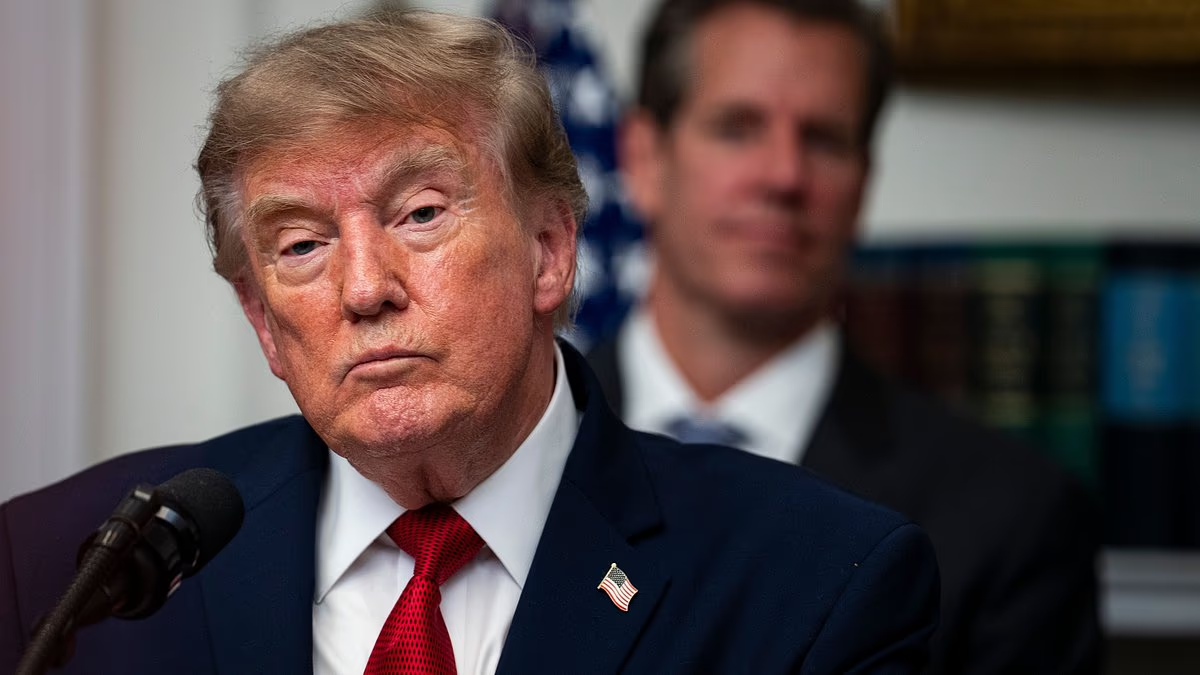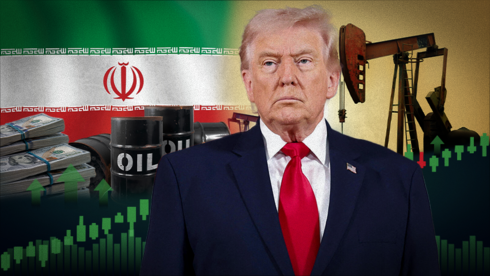
Trump announces an unprecedented economic campaign against Iran, warning countries that maintain ties with Tehran, including through financial institutions, businesses or airports, will face economic consequencesynet| Related TopicsU.S. President Donald Trump announced overnight Wednesday into Thursday an economic campaign against Iran. He wrote that "no one has given the Islamic Republic a greater opportunity to make a deal than he has" and declared an economic campaign against Iran that he said would be "the most crushing ever taken against any country".As is his custom, Trump made the announcement on his own platform, Truth Social. "No one has given the Islamic Republic of Iran a greater opportunity to make a deal than me. Tragically, for them, they have failed to take it. Therefore, today, I am announcing the most crushing economic operation ever taken against any country!" U.S. President Donald Trump announced overnight Wednesday into Thursday an economic campaign against Iran (Photo: shutterstock, REUTERS/Kevin Lamarque)Trump did not specify what the "economic campaign" he announced would include, but claimed it would be "economic warfare and isolation on an unprecedented scale. Their navy is gone, their air force is destroyed, their military factories are now rubble, their currency is worthless, and their country is hanging by a thread."He announced that any country allowing economic ties with Iran — whether through its financial or governmental institutions, its businesses or even through airports on its territory — would itself face economic consequences. "This will be an economic D-day, and we need all of our allies to stand with the United States of America to isolate, and defeat, the Iran threat. These maniacs are on the ropes, and these historic measures will cripple them and their ability to project terror worldwide. Iran will never have a nuclear weapon," he wrote.On Tuesday, Trump published an "annexation map" of the Strait of Hormuz under the title "new American territory". He published the map after already threatening, over the previous weekend, to declare the strait American territory, though at the time he said this would happen "after we finish defeating Iran, soon".Iran responded mockingly and again accused him of delusions. "Just as Trump eventually got the name of the Persian Gulf right, so too his delusion over the Strait of Hormuz will soon be corrected — or we will correct his delusions ourselves," Iranian Deputy Foreign Minister Kazem Gharibabadi said in response. Earlier this week the Revolutionary Guards described Trump as "delusional" after his son-in-law and envoy Jared Kushner claimed there had been "the best talks ever" with Iran — a claim Iran denies, saying no such dialogue with the American administration exists and that contacts are conducted mainly through mediators such as Oman, Pakistan and Qatar.Over the weekend, U.S. Treasury Secretary Scott Bessent said that the U.S. are going to implement measures that "have never been seen in Iran.” He said they would be “a combination of economic isolation like the world has never seen before, and the continued blockade in the Strait of Hormuz that will keep anything from going in or out of the Iranian ports”. Bloomberg analyzed Bessent’s announcement and assessed what those measures could entail, while noting the uncertainty surrounding the plans.Bloomberg identified several measures the U.S. could use as part of the campaign Bessent has signaled. The most sensitive issue for Iran is China, which purchases more than 90% of Iranian oil exports. Sanctions targeting intermediaries involved in those purchases would directly hit Tehran’s oil revenues. Since the war with Iran began, Washington has already sanctioned small Chinese refineries and Chinese companies, but it has so far refrained from targeting major Chinese banks that finance the trade. Such a move could further strain tensions with Beijing ahead of a planned meeting between Trump and Chinese President Xi Jinping.Another option is targeting currency exchanges, particularly in the United Arab Emirates, which help Iran repatriate funds. The U.S. Treasury has already identified this sector as vulnerable and sanctioned Iranian exchange houses as part of Bessent’s “Economic Fury” campaign, accusing them of laundering billions of dollars. Iran, however, has spent years building alternative channels, meaning shutting down individual exchange houses would likely shift the activity to new intermediaries, other currencies or digital assets.Bloomberg noted that the threat against any entity doing business with Iran resembles a move Trump took against North Korea in 2017. Such a campaign would force foreign companies and banks to choose between doing business with Iran and maintaining access to the U.S. financial system, while also affecting neighboring countries and allies such as Turkey. Trump already threatened in January to impose a 25% tariff on countries trading with Iran, but has yet to implement it.Two other options under consideration are the seizure of Iranian government assets under U.S. jurisdiction, similar to a move taken by the Bush administration after the 2003 invasion of Iraq, and expanding the campaign against Iran’s “shadow fleet” from individual vessels to the companies, terminals and infrastructure that enable the shipments.Comments
Trump vows 'most crushing' economic campaign against Iran, warns countries aiding Tehran
Trump announces an unprecedented economic campaign against Iran, warning countries that maintain ties with Tehran, including through financial institutions, businesses or airports, will face economic consequences
823 words~4 min read