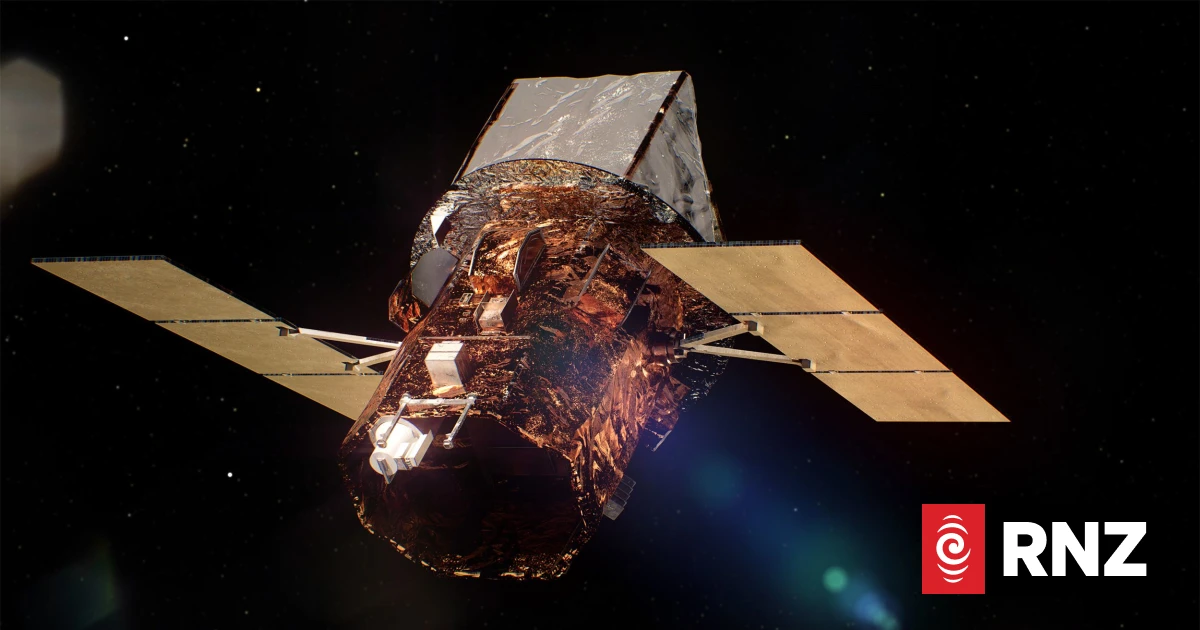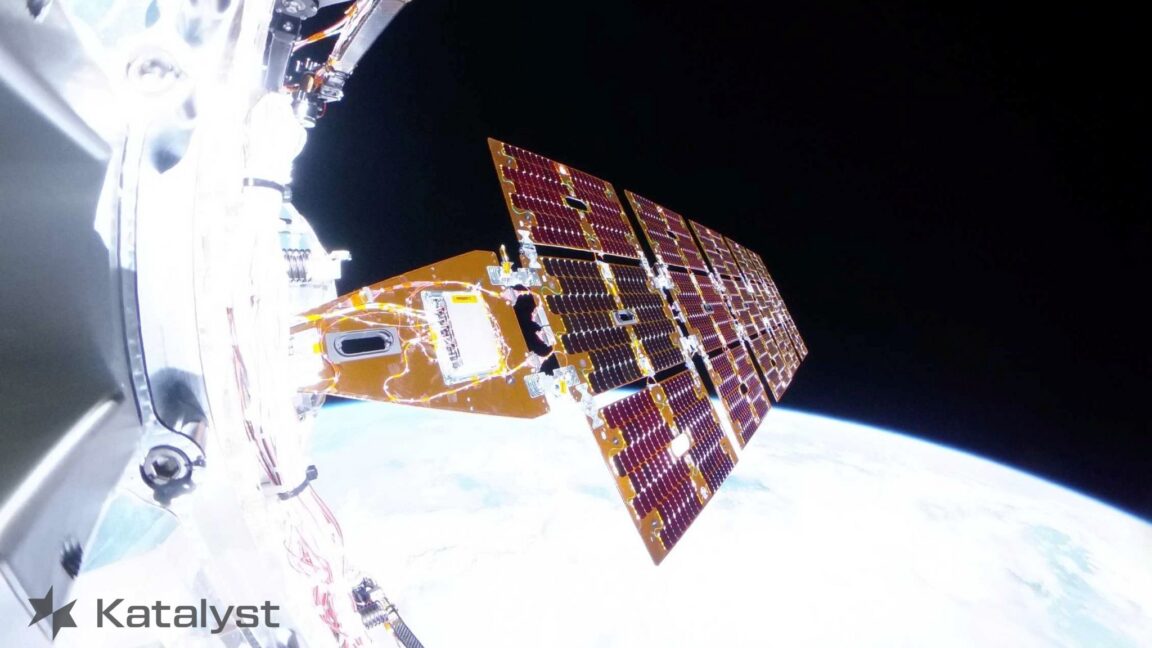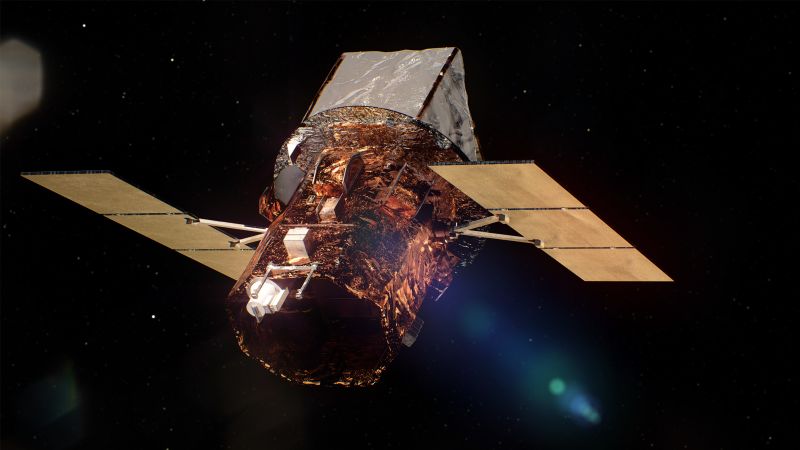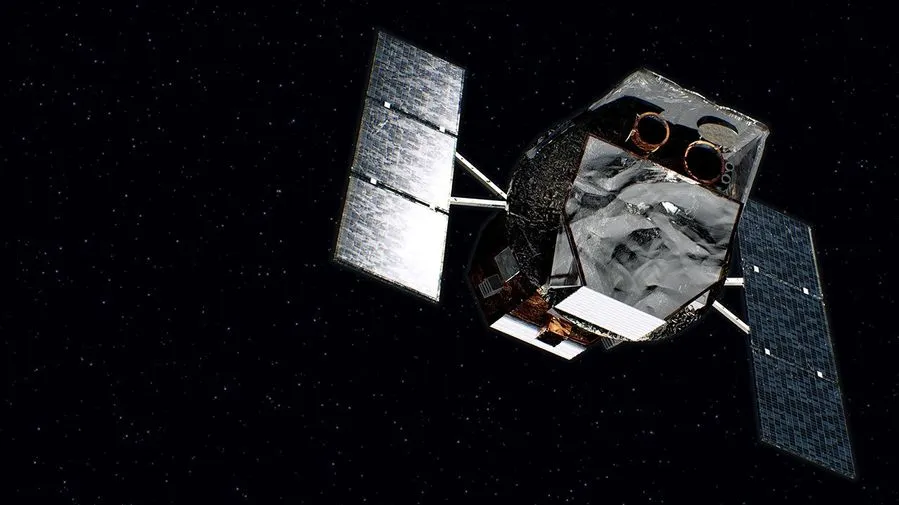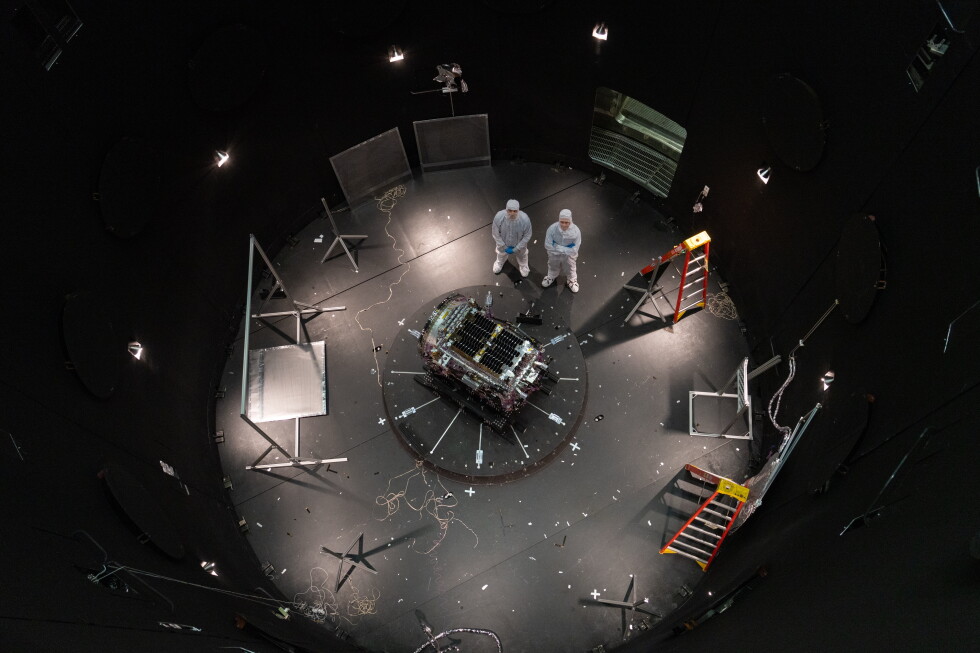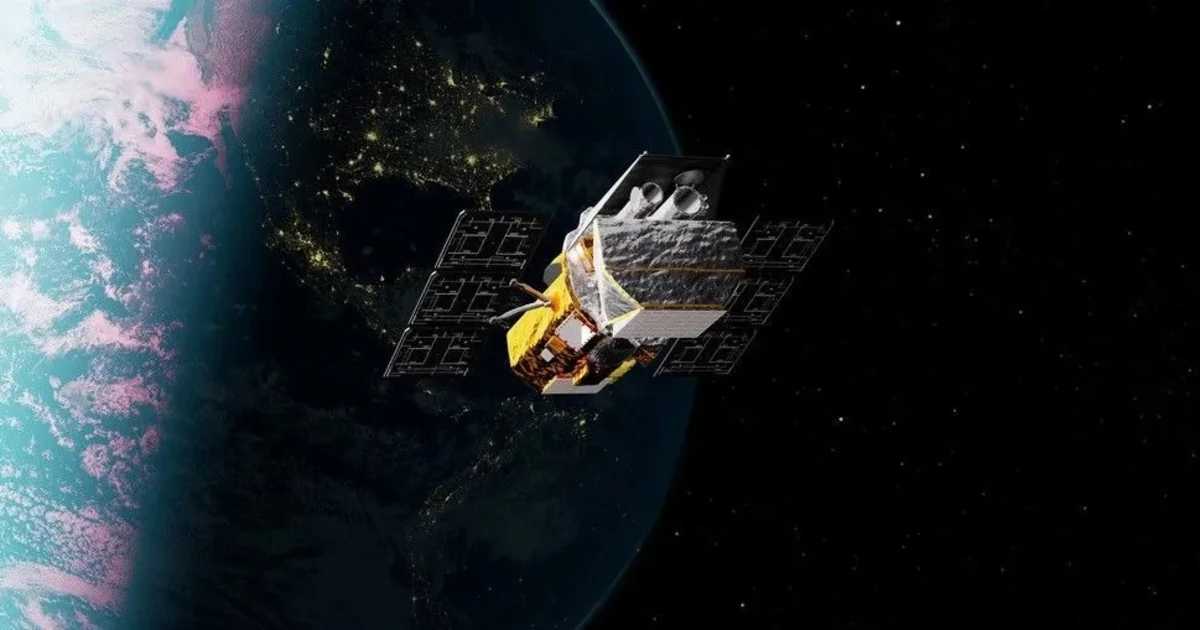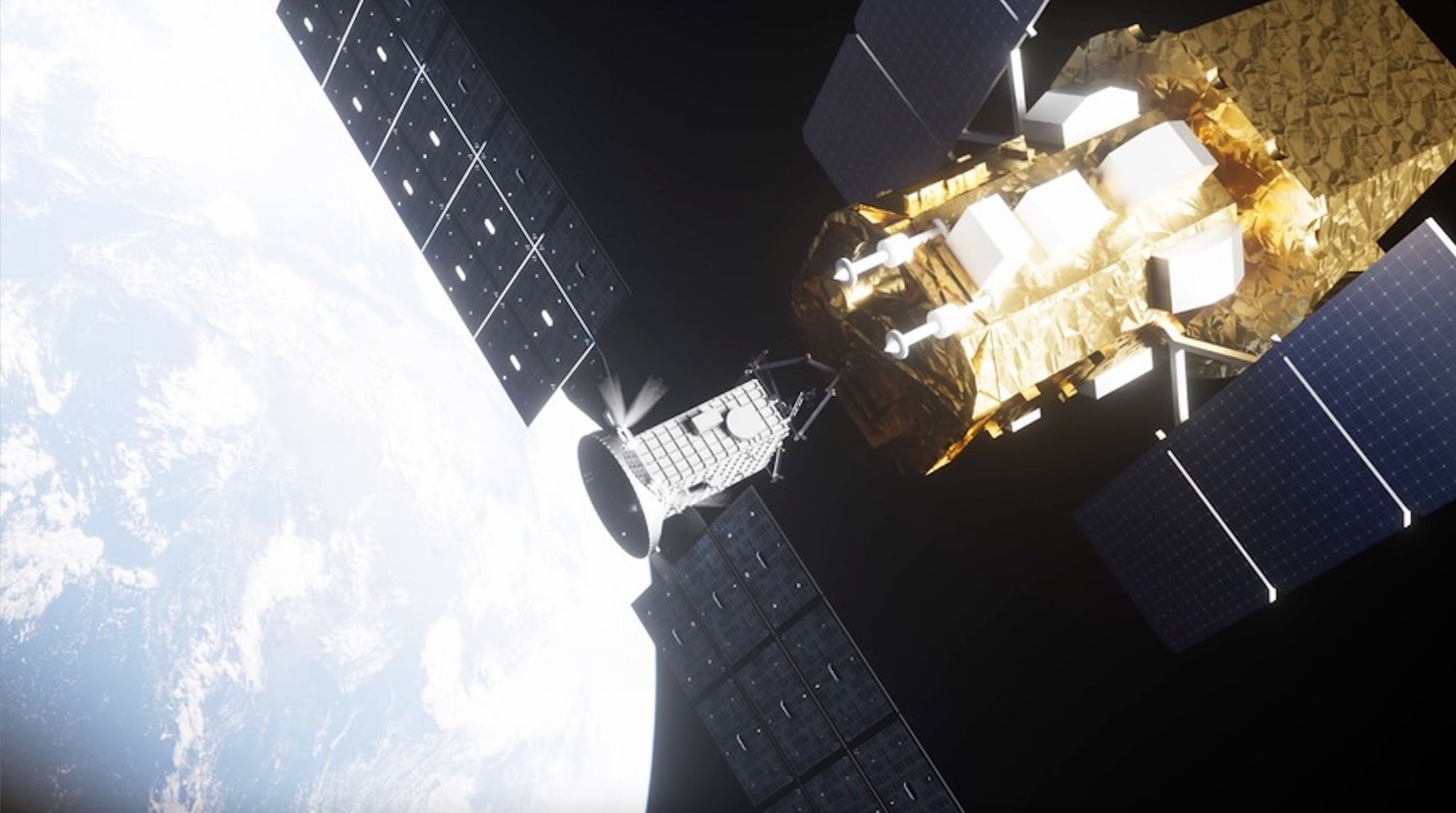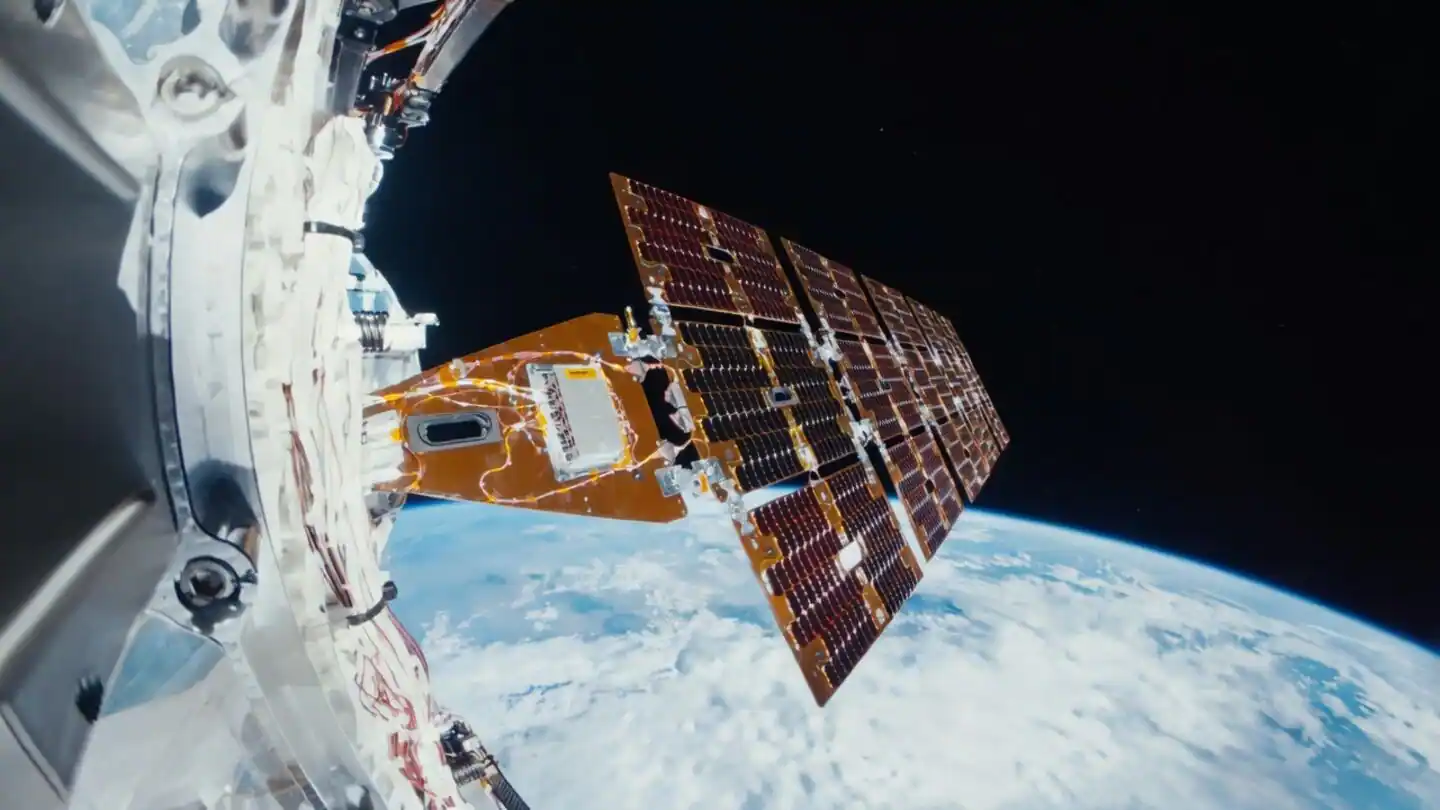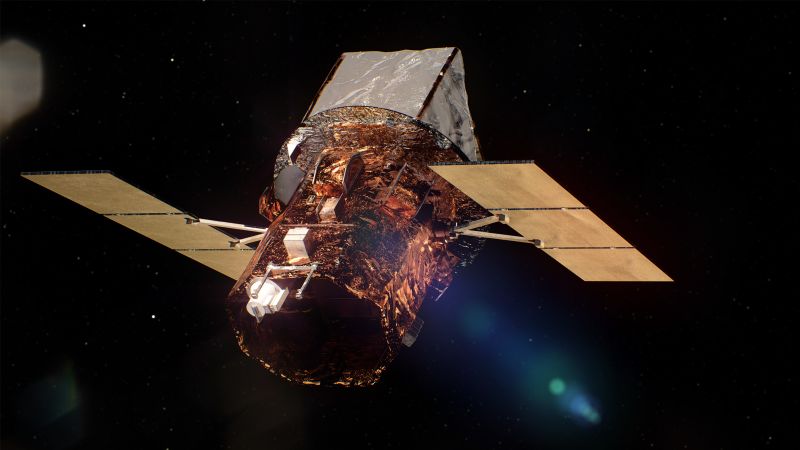
A satellite called LINK that recently launched to boost the orbit of a falling space observatory won’t be able to carry out its daring rescue mission after all.
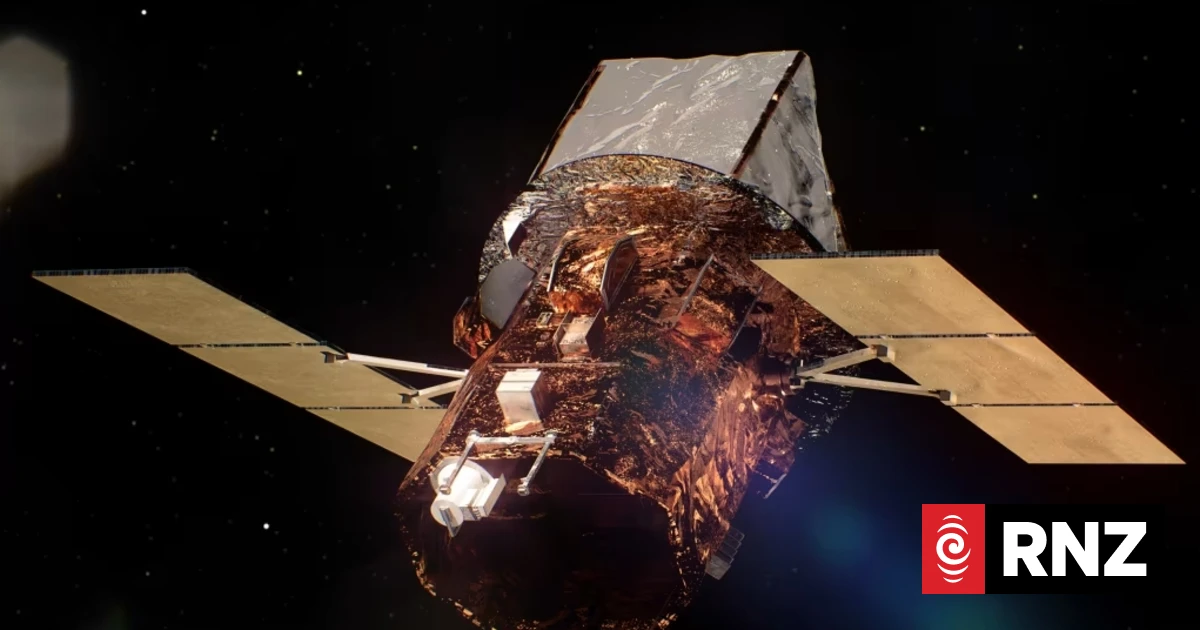
NASA’s decades-old Neil Gehrels Swift Observatory is steadily losing altitude and in danger of reentering Earth’s atmosphere. Designed by Arizona-based Katalyst Space Technologies to save the observatory, the LINK satellite began to encounter difficulty in late July. Just weeks after LINK lifted off on July 3, it started to spin out of control.
Katalyst was able to regain control of the satellite, but the company acknowledged that the issue cost it time, which would delay LINK’s rendezvous with Swift by about a month. However, that postponement — at least initially — did not seem to be a deterrent to the mission.
Now, NASA and Katalyst have announced that LINK’s mission will not capture and boost Swift to a higher orbit “due to ongoing attitude control issues,” according to statements Wednesday.
Swift’s science mission will come to an end as the observatory likely burns up in Earth’s atmosphere later this year, according to NASA.