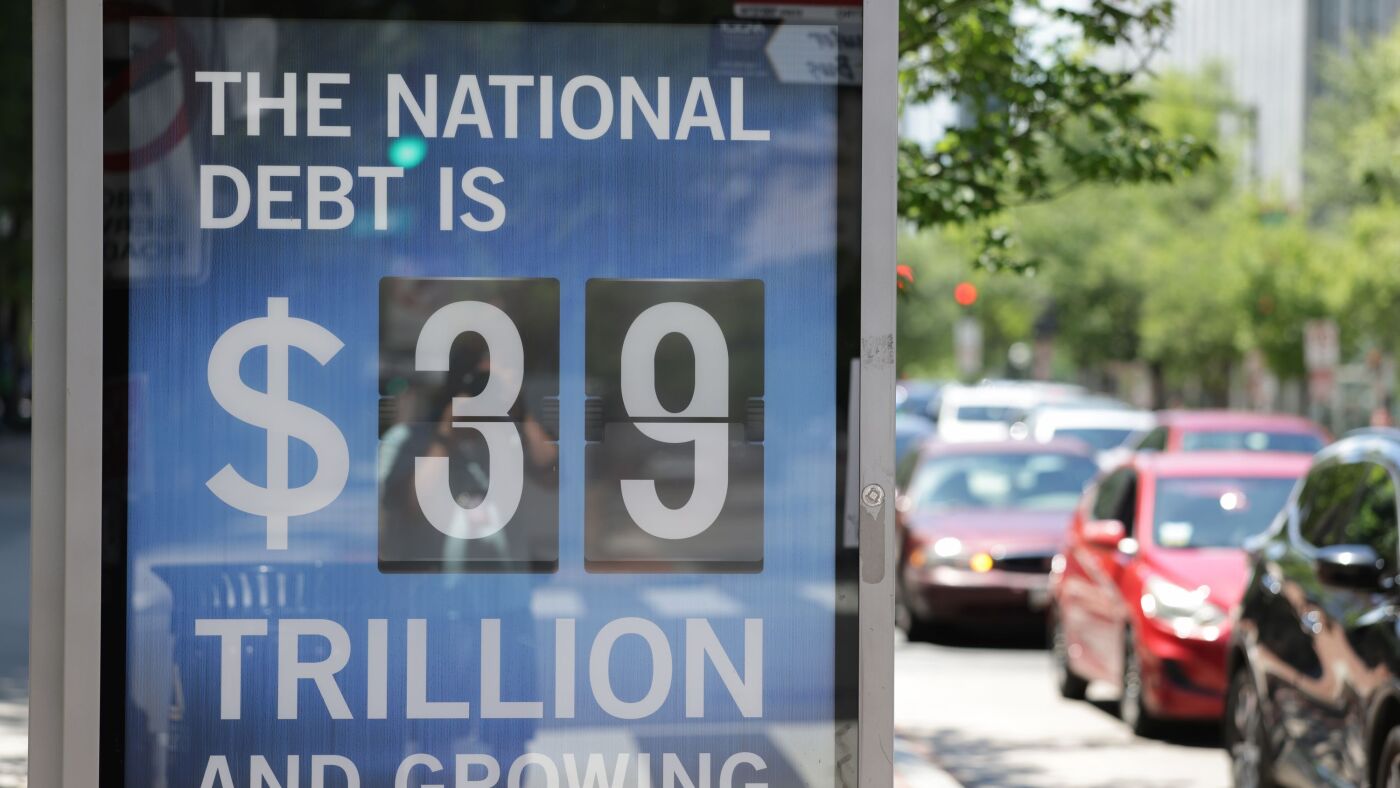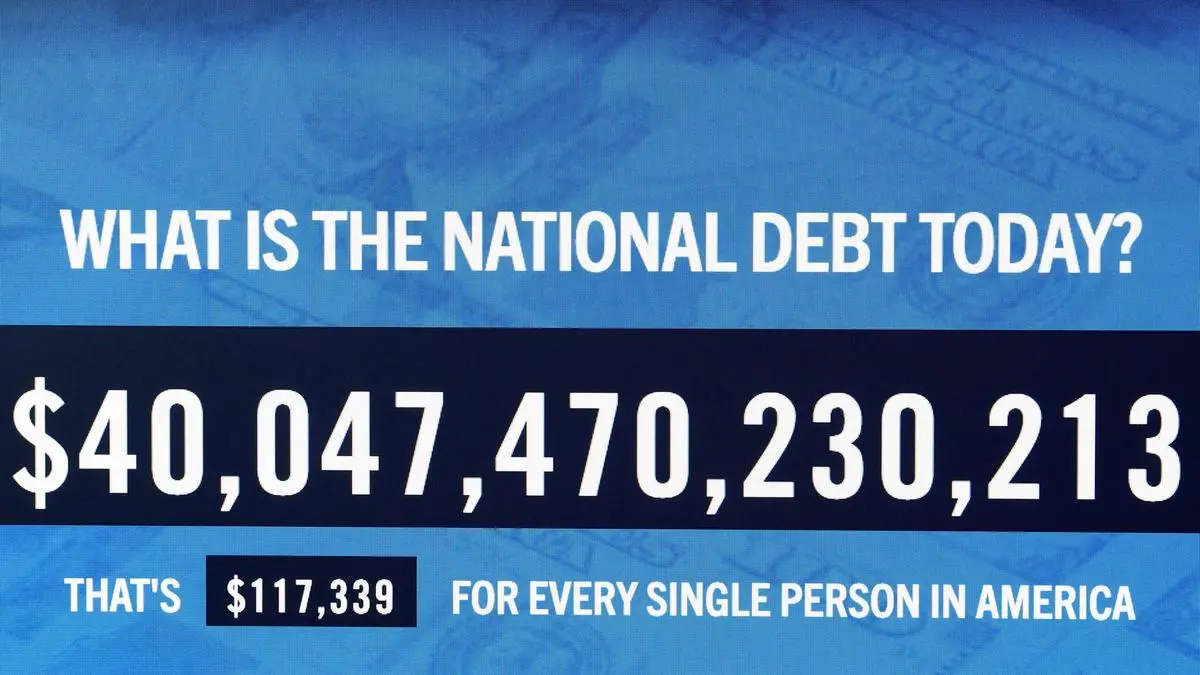
The United States is digging itself into an ever-deeper debt hole.
The federal debt hit a record $40 trillion on Tuesday, according to the Treasury Department. It’s an inauspicious milestone that will have consequences for Americans, businesses and the government for years to come. (The Treasury Department’s data on the federal debt is released on a one-day delay.)
While the nation has long carried a significant amount of debt, there are several recent trends that have budget and financial markets experts even more concerned. The tab has been growing more swiftly in recent years; interest payments on the debt have ballooned as interest rates and borrowing have risen; and all this is happening in relatively good economic times.
“On our current path, we’re going to be at $50 trillion in just six years. If you look backward, we were at $20 trillion less than 10 years ago,” said Michael Peterson, CEO of the Peter G. Peterson Foundation, a fiscal watchdog group. “We’re really putting our economy and our country’s future in jeopardy.”
Several factors are contributing to the skyrocketing debt load. A big one is that the nation is aging, with roughly 10,000 Baby Boomers retiring every day and senior citizens living longer. That means that the federal government is shelling out ever more on Social Security and Medicare. These bedrock programs are on even shakier fiscal ground without enough workers to support the burgeoning number of beneficiaries.