view more
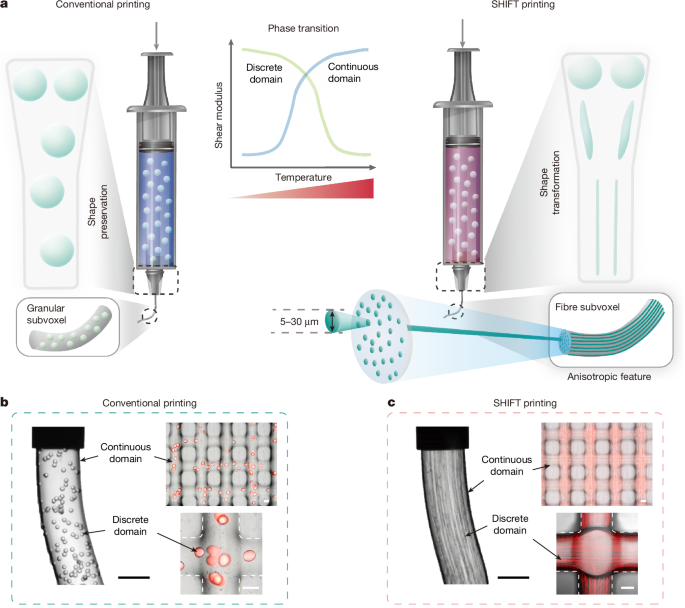
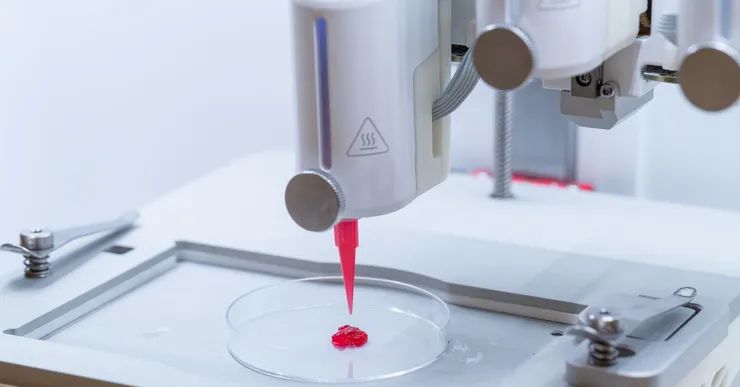
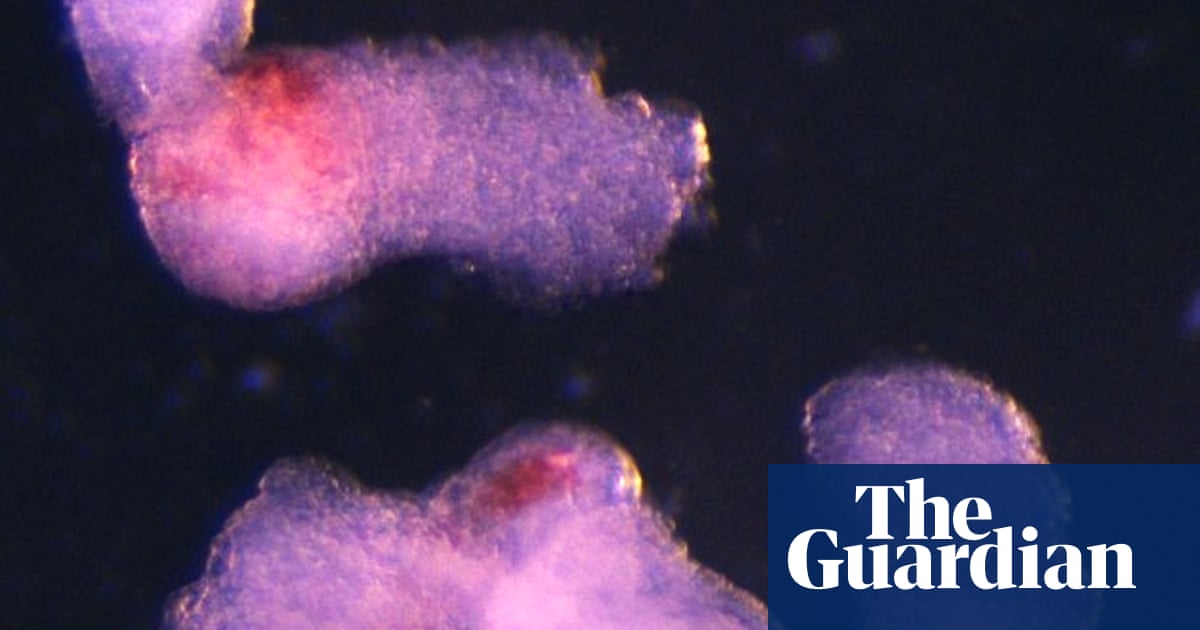
UNIVERSITY PARK, Pa. — An interdisciplinary team of engineers and chemists at Penn State has laid the groundwork to 3D print spheroids — tiny clusters of living cells — capable of regenerating bone tissue in response to severe trauma or infections.
By introducing different strands of genetic information into undifferentiated, commercially sourced stem cells, the team has demonstrated that bioprinting, which layers the fundamental building blocks of an organ tissue, can create cell clusters optimized to support bone tissue regeneration. The bioprinted spheroids are not just better at helping bone tissue heal, the researchers reported, but they also facilitate the successful formation of new blood vessels within generated tissue. The team verified their findings, available online now in Chemical Engineering Journal, through experiments in the lab and in mouse models.
Bioprinting spheroids can be used for a host of applications, including creating accurate biological models to test the impacts of experimental drugs. However, co-corresponding author on the paper Daniel Hayes, head of the Department of Biomedical Engineering at Penn State, explained that using these cells for regenerative medicine is not a straightforward process. Researchers are tasked with creating networks of cells that can have vastly different functions from a single fundamental baseline.