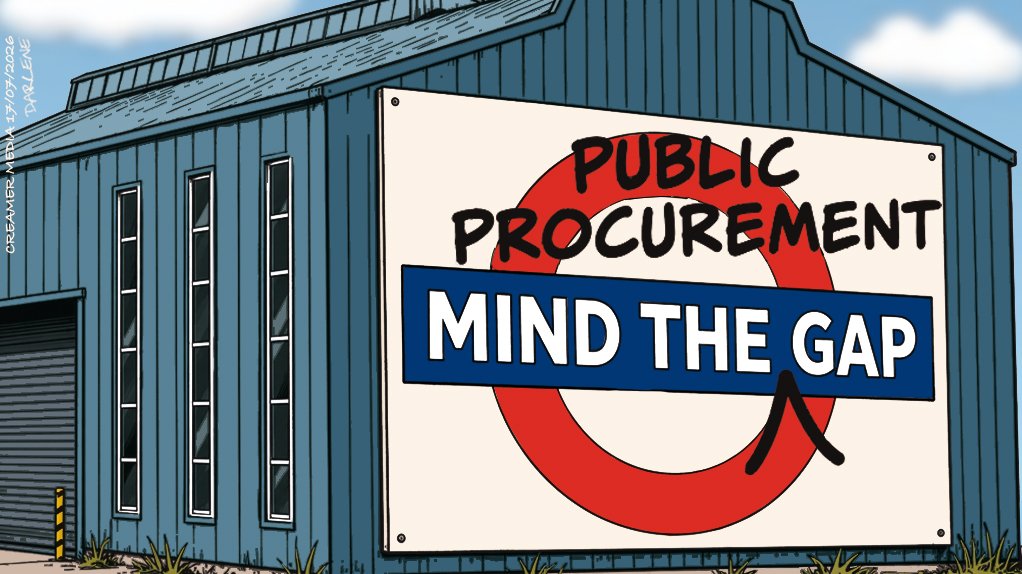
This article has been supplied and will be available for a limited time only on this website. Public procurement accounts for an estimated 12% of South Africa's GDP (National Research Foundation), highlighting its influence on economic growth, employment and industry standards. With the Department of Public Works and Infrastructure allocated R7.8 billion in 2026/27 and R24.6 billion over the medium term (SA Government News), it will continue to play a major role in shaping infrastructure delivery, skills development and competitiveness in the building industry.
However, beyond delivering infrastructure, public procurement drives economic growth, supports jobs and strengthens industries. For the Building Industry Bargaining Council (BIBC), it is a key lever for building a sustainable and competitive construction sector.
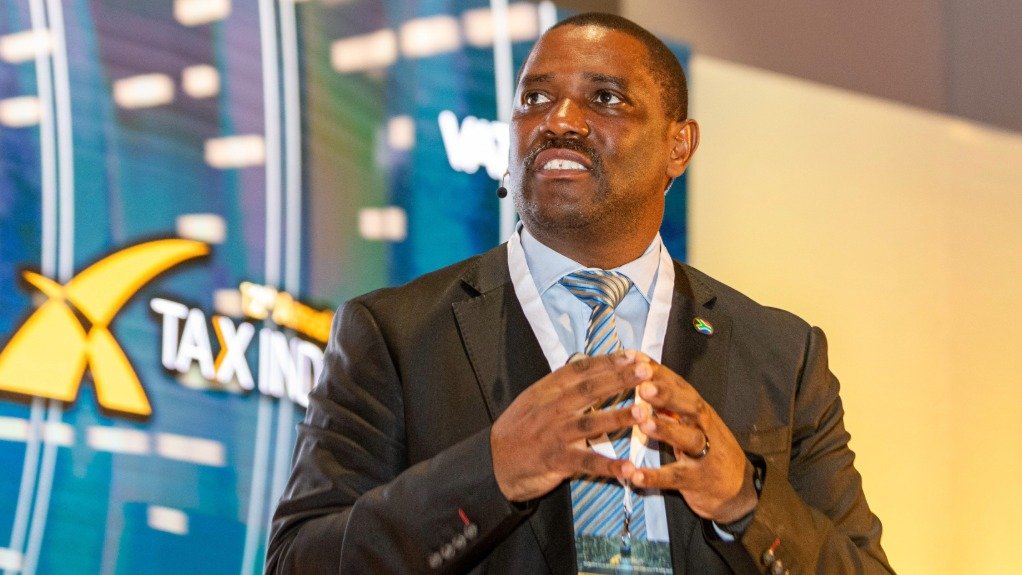
"Public procurement is more than a purchasing process," says Danie Hattingh, spokesperson for business at the BIBC. "When structured effectively, it supports quality infrastructure, fair competition, decent work and sustainable industry growth."
According to the BIBC, procurement frameworks deliver the greatest value when they balance cost, quality and compliance. While affordability remains important, an overemphasis on the lowest bid can compromise workmanship, delay projects and increase long-term costs. Hattingh says greater emphasis should be placed on performance, compliance and accountability.