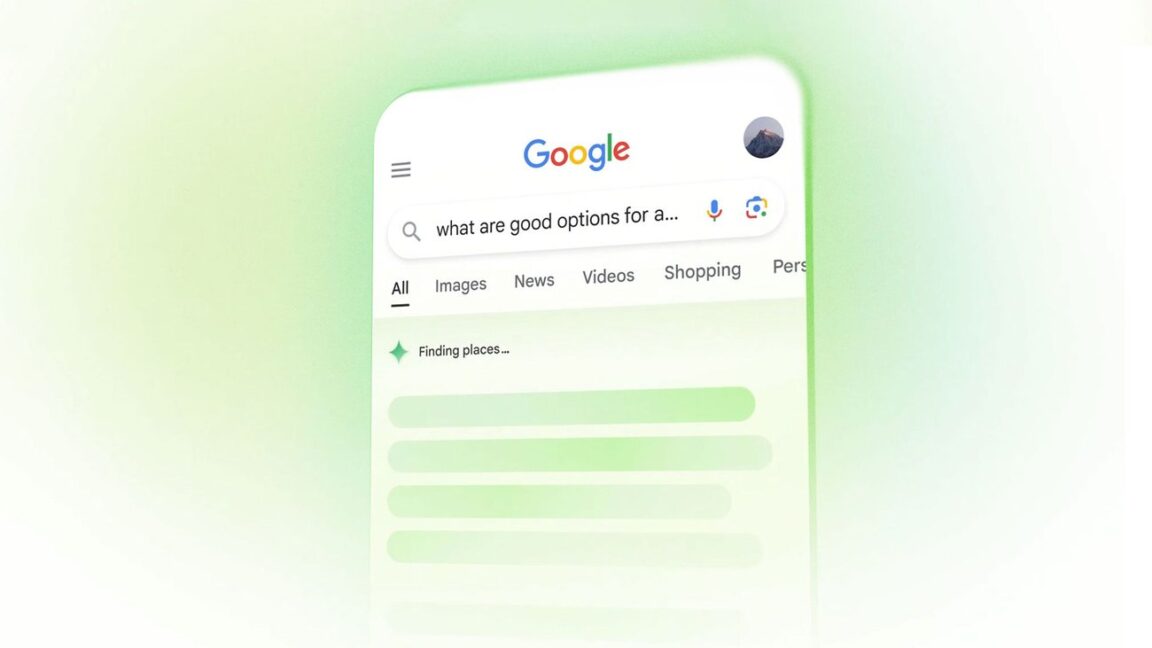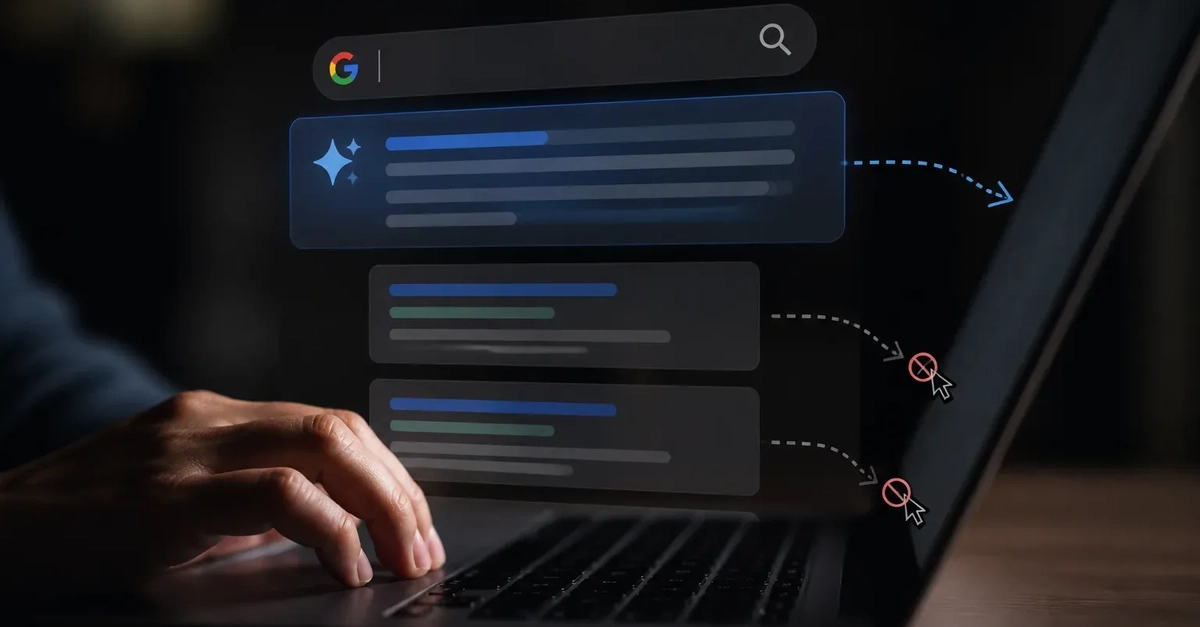
Pew Research Center has quantified a shift that publishers, SEO teams, and businesses have been watching closely: when an AI-generated summary appeared in Google search results, users clicked traditional result links in 8% of visits, compared with 15% when no summary appeared. The findings do not establish that summaries alone caused the difference, but they show a clear association between AI-led result pages and less outbound traffic to source sites.
The Pew Research Center analysis of Google AI summaries examined browsing activity from 900 U.S. adults during March 2025. Across 68,879 Google searches, the study also found that people clicked links within an AI summary in about 1% of visits. For organizations that rely on search referrals, the implication is direct: appearing in search results may no longer translate into a visit at the same rate when the results page itself supplies a concise answer.
What Pew's data says about AI summaries and discovery
Pew's study used data from KnowledgePanel Digital, covering the real-world browsing activity of participating U.S. adults. It is a snapshot of Google search behavior in March 2025, not a measure of every search engine, country, audience, or query type. That scope matters. The results should not be treated as a universal forecast of all AI search behavior.