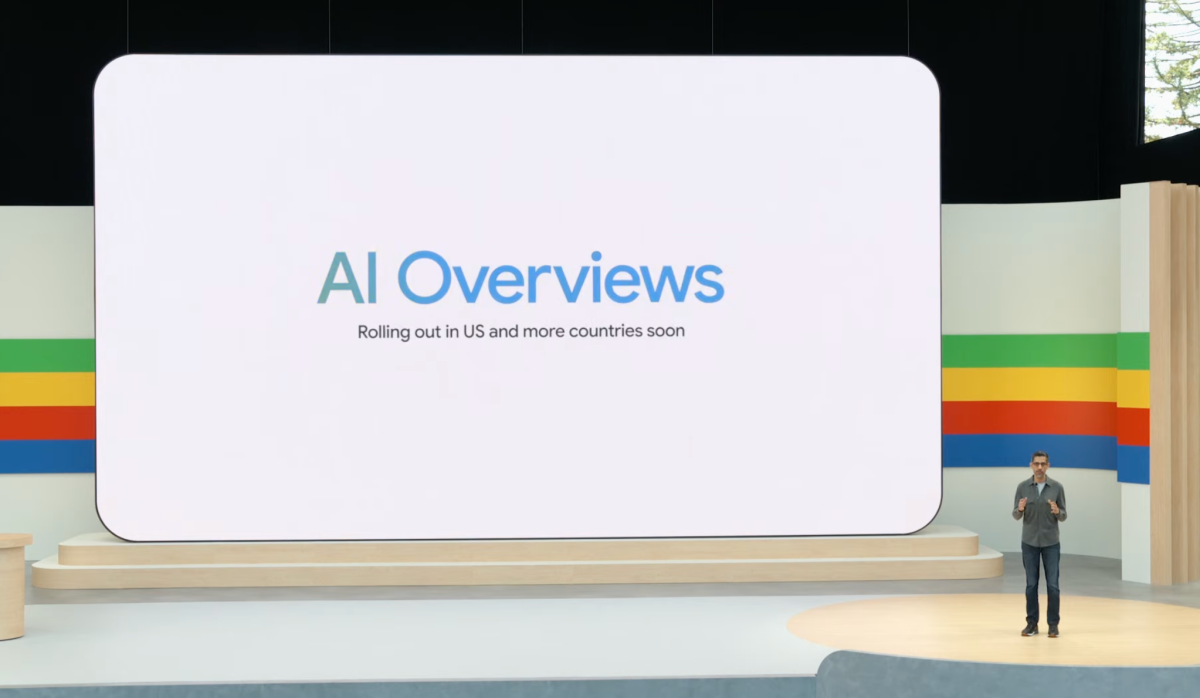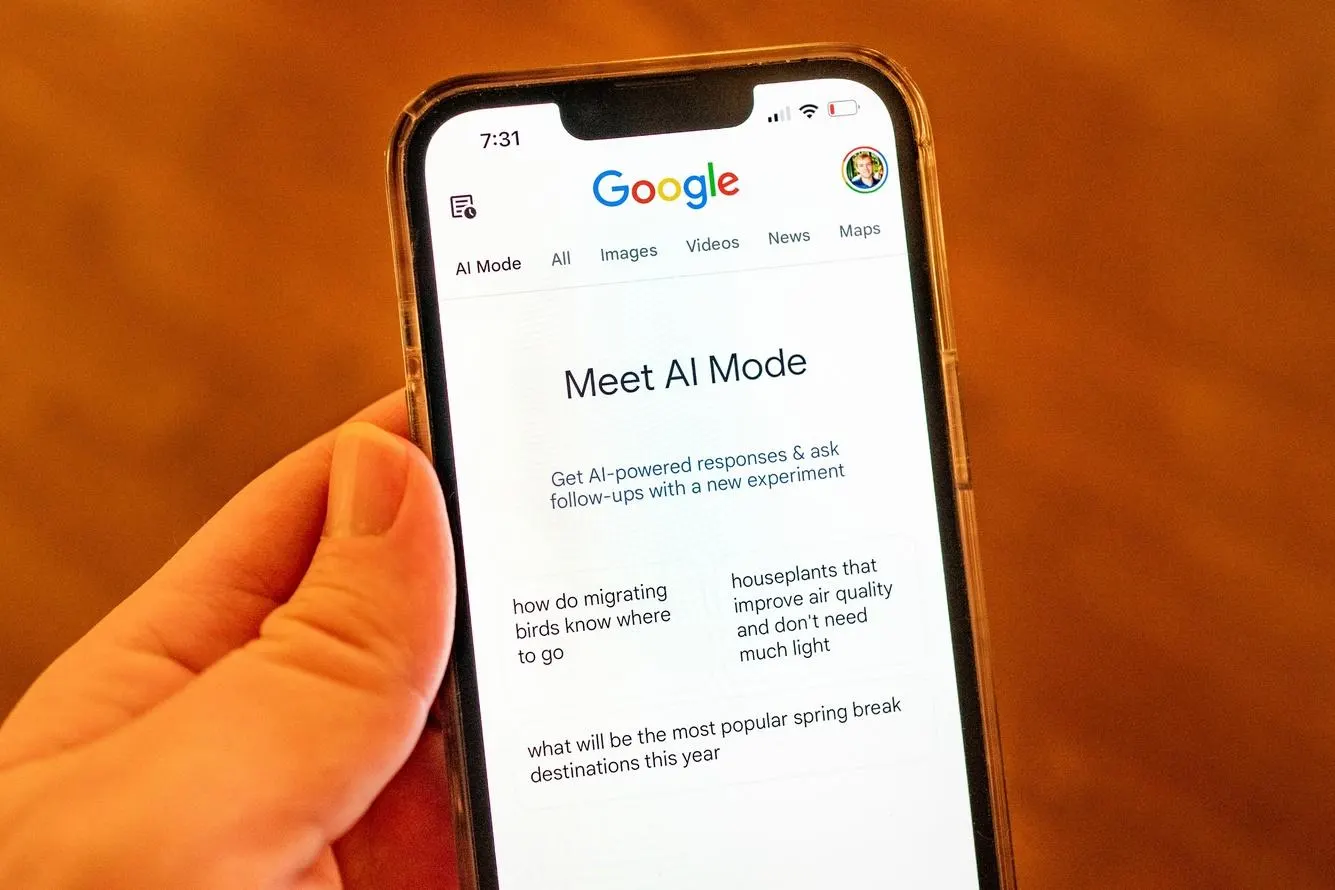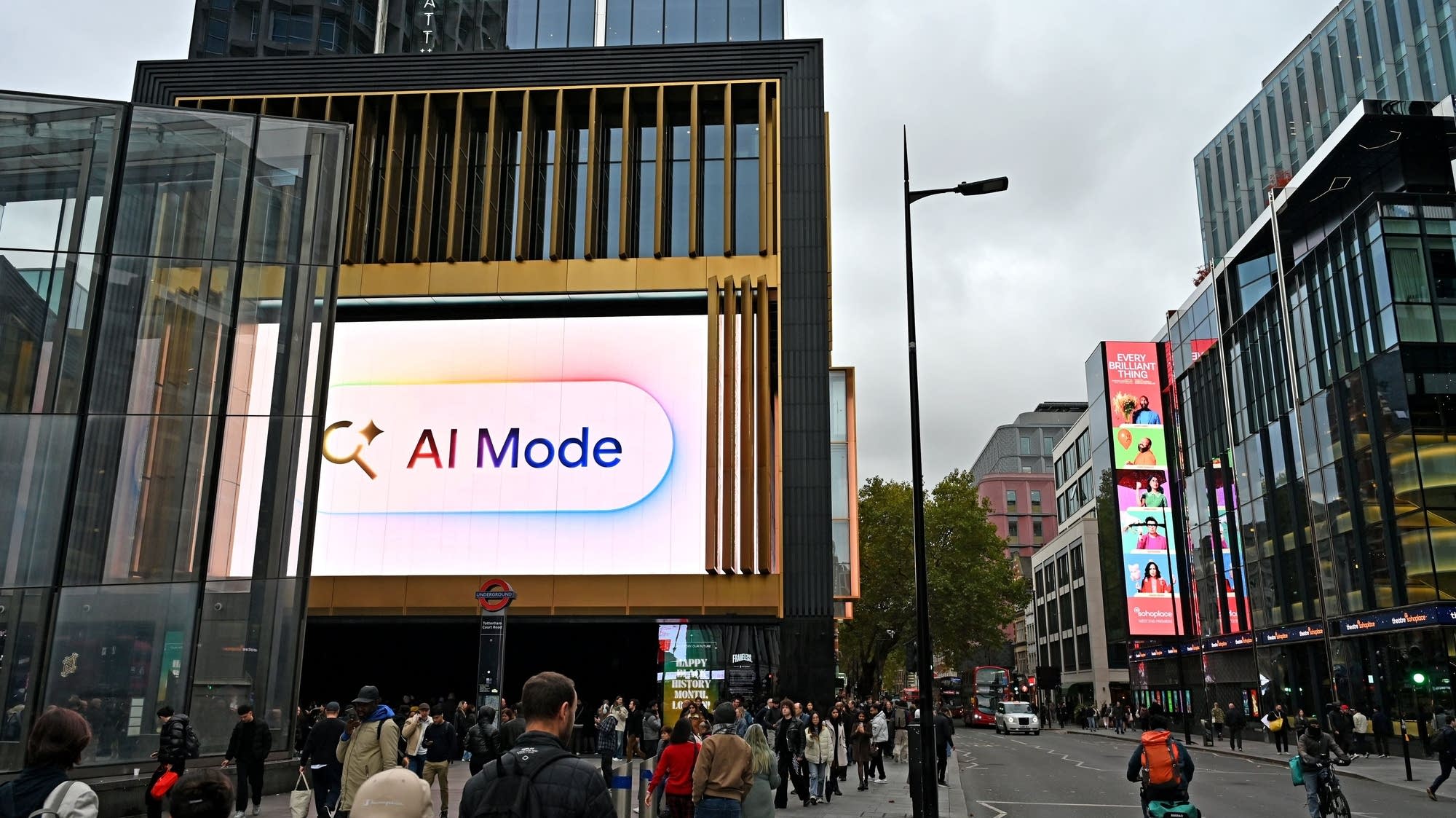
Last quarter Google’s parent company Alphabet reported a 24% increase in year-over-year revenue — largely driven by AI demand in infrastructure and solutions.Also gaining popularity: The use of Google search in AI Mode. To learn more about what that means for web traffic, “Marketplace Morning Report” host Kimberly Adams spoke with “Marketplace” senior correspondent Meghan McCarty Carino, who has been covering web traffic and the growing role of AI in search. The following is an edited transcript of their conversation.Kimberly Adams: When Google first came out, it was supposed to be this gateway to the internet that many people had never experienced at that point. But how is Google's use of AI in search rolling out?Meghan McCarty Carino: Well, AI summaries are appearing at the top of Google searches now. One outside study showed that in the last year it has gone from 15% of searches to more around 40% of searches, and it is the sort of global default.Adams: So, how is that impacting those sites that relied on Google traffic for those click-throughs?McCarty Carino: We've seen some numbers from publishers — declining clicks on their website. Business Insider, for instance, reported that their traffic is down 35% year-over-year. I've seen a number of other major publishers — Huffington Post, Washington Post — reporting pretty massive decreases in traffic over the last several years since generative AI became a way that people search for information.Adams: And what is Google saying to all this?McCarty Carino: Well, Google, in a blog post last year, has disputed some of the most alarming reports about traffic losses. They say they're still sending billions of users to sites, that the traffic has not really decreased. They argue that this outside research — some of which has shown that 75% of users don't click through to a site when they get an AI summary — that is too pessimistic compared to its own data. They said that they still include links that send users to websites in those AI summaries.Adams: Like you mentioned, a lot of businesses rely on Google traffic. I saw a number that Wikipedia says its human visitor traffic was down like 8% over the last year. What is the ultimate cost of continuing to lose it?McCarty Carino: For some of the big companies, some of the the major publishers, Google has created profiles where, if you subscribe to that publication, it will show up in the AI summary. And many of them have been making deals with AI companies to license their content. We've seen deals like that from The New York Times, the AP, Reuters — this kind of stuff. But I think for smaller businesses, for smaller publishers, they may not have the scale to make a big deal with an AI company to show up in generative searches, and so I think that's where the real pain will be — in discovery of those sites, and the the ability to monetize from advertising on those sites.Adams: What are some of the solutions these businesses are considering? Since clearly, this is happening.McCarty Carino: Well, there's been one proposed solution from this internet infrastructure company, Cloudflare. Instead of the monetization happening from the user click-throughs, that the monetization happens from the bots crawling those sites, so it's just making for a more fractured and less open internet than the one that we have known.
Google's AI search is changing who gets web traffic
AI summaries are keeping more users on Google, leaving many publishers and businesses searching for new ways to reach customers.
TL;DRAI
AI summaries in 40% of Google searches reduce traffic 35%+ (Business Insider, Wikipedia -8%) as users skip clicking. Small publishers must license content or pivot monetization from clicks; optimizing for bot crawls becomes the new GTM edge.
564 words~3 min read