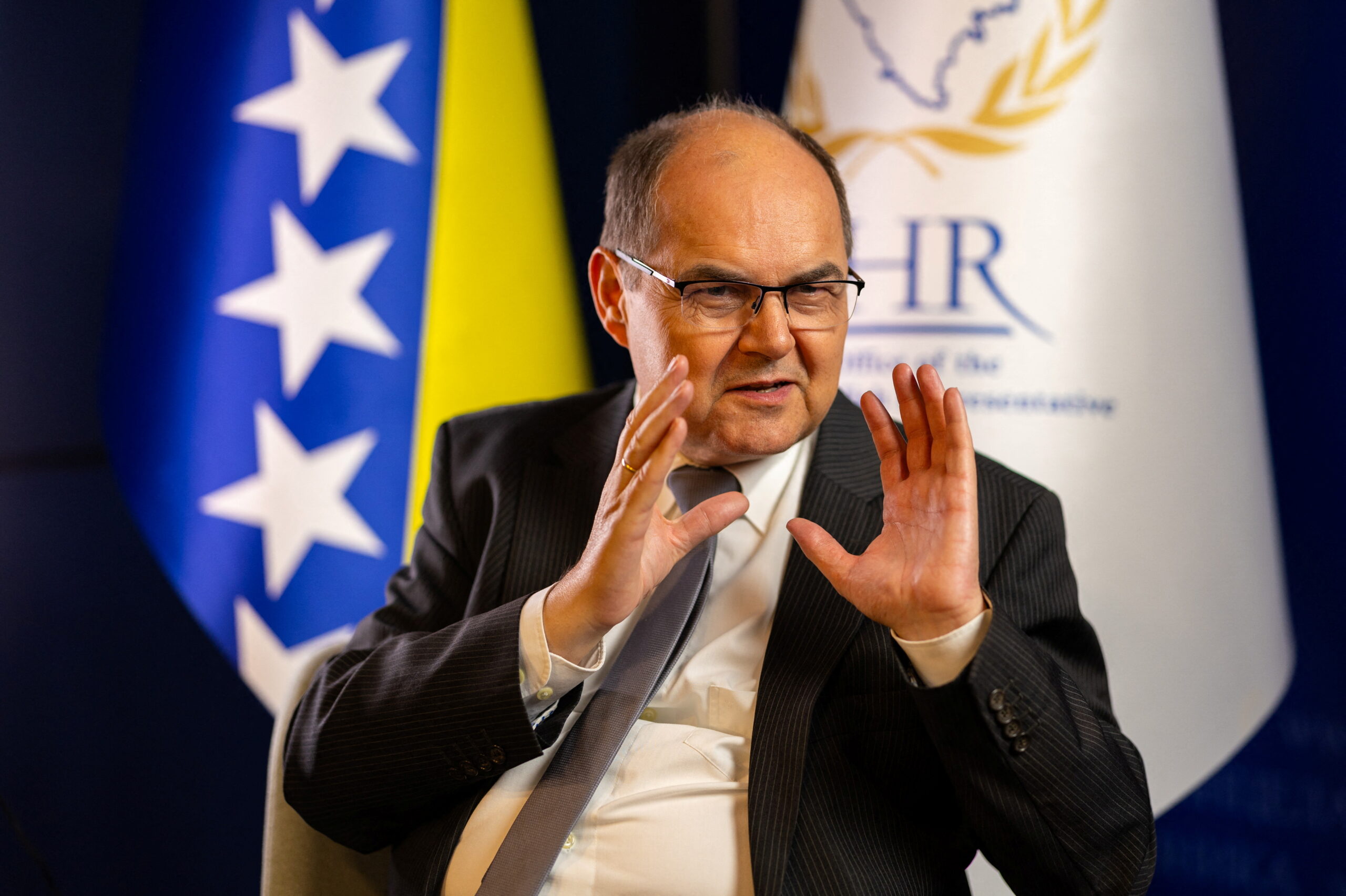
WASHINGTON—The United States and Europe have missed their deadline to choose Bosnia and Herzegovina’s next high representative, exposing a widening rift over the country’s future.
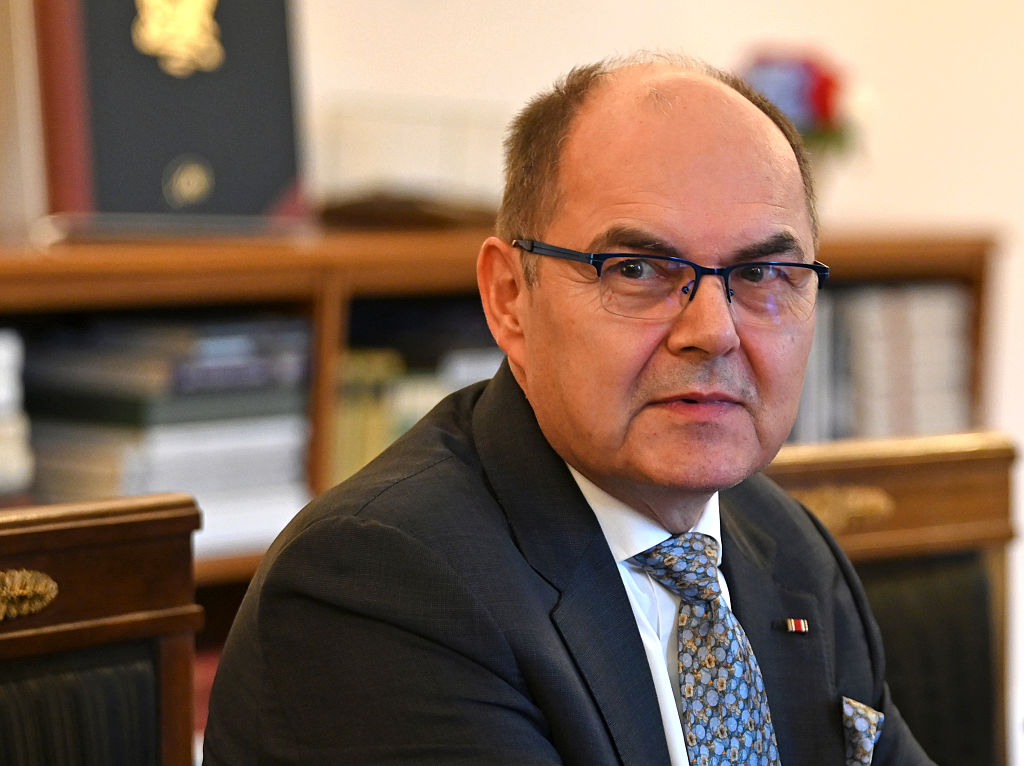
The permanent post has remained unfilled since German politician Christian Schmidt stepped down on July 1. Washington and Brussels had planned to name a successor by July 14, but have so far failed to agree on who that person should be.
The deadlock is about more than personnel. It reflects competing visions for Bosnia and Herzegovina and for the international community’s role in a country rapidly approaching national elections while trying to advance along its European Union (EU) accession path.
Why the succession impasse matters
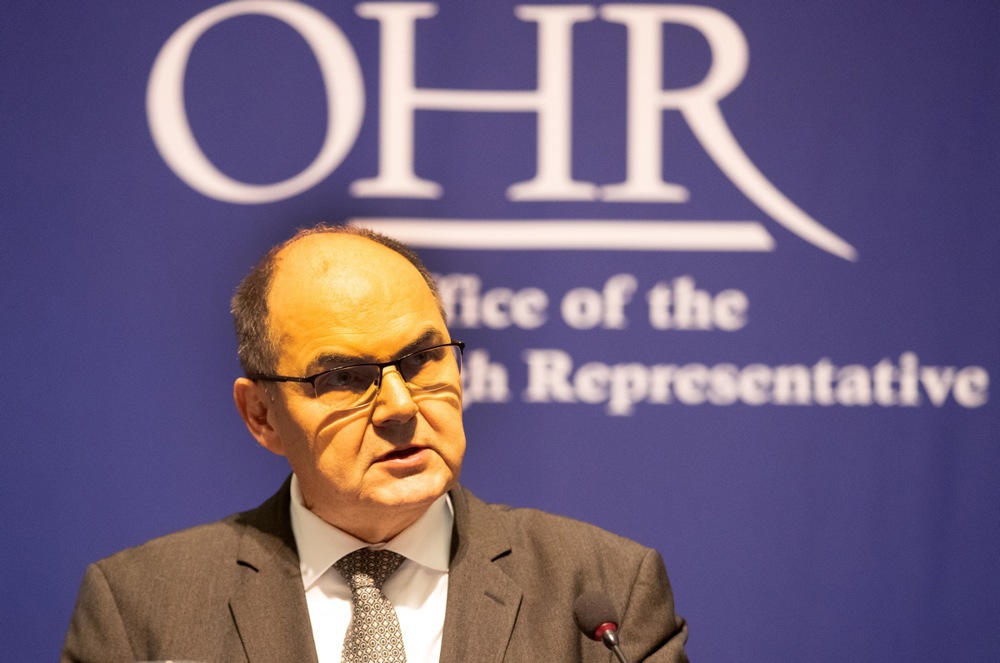
The Office of the High Representative oversees the implementation of the 1995 Dayton Peace Agreement, which ended the war in Bosnia and Herzegovina. Its leader can impose laws and remove public officials who obstruct the agreement under authorities known as the “Bonn powers.” Those sweeping powers once earned high representatives the nickname of “Viceroy of Bosnia.”