August 19th, 2026
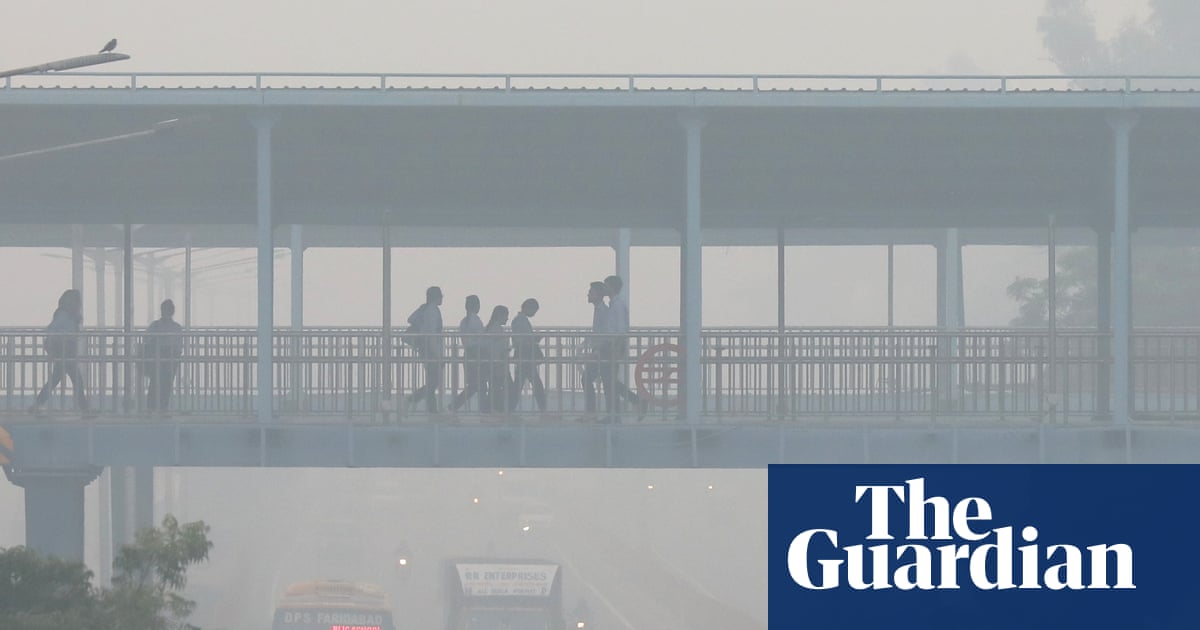
Most forms of air pollution (with a particular focus on fine particles) are now well established to contribute to age-related conditions at the level of exposure that is experienced in much of the industrialized world. Typically matters are worse in less wealthy regions, particularly those using solid fuel for domestic cooking and heating. Nonetheless, there is enough of a contribution even in wealthier regions for studies to show meaningful differences to health depending on varying levels of exposure. A study in the Puget Sound region, for example, found that greater exposure increased dementia risk.
The specific mechanisms by which air pollution accelerates the onset and progression of common age-related conditions are largely linked to chronic inflammation. Unresolved inflammatory signaling is disruptive to tissue structure and function, and the interaction of pollutants with cells in the lungs and airways promotes inflammatory signaling that affects the whole body.
Today's open access paper reviews what is known of these mechanisms in the context of a specific condition, Parkinson's disease. This neurodegenerative condition has a strong connection to the aging of the gut microbiome and intestines, as that is where the misfolded α-synuclein that drives the condition can originate. It then spreads through the nervous system to the brain, where it produces the first evident symptoms of Parkinson's disease, and eventually dementia and death. The greater the burden of inflammation placed upon body and brain, the faster this will happen.