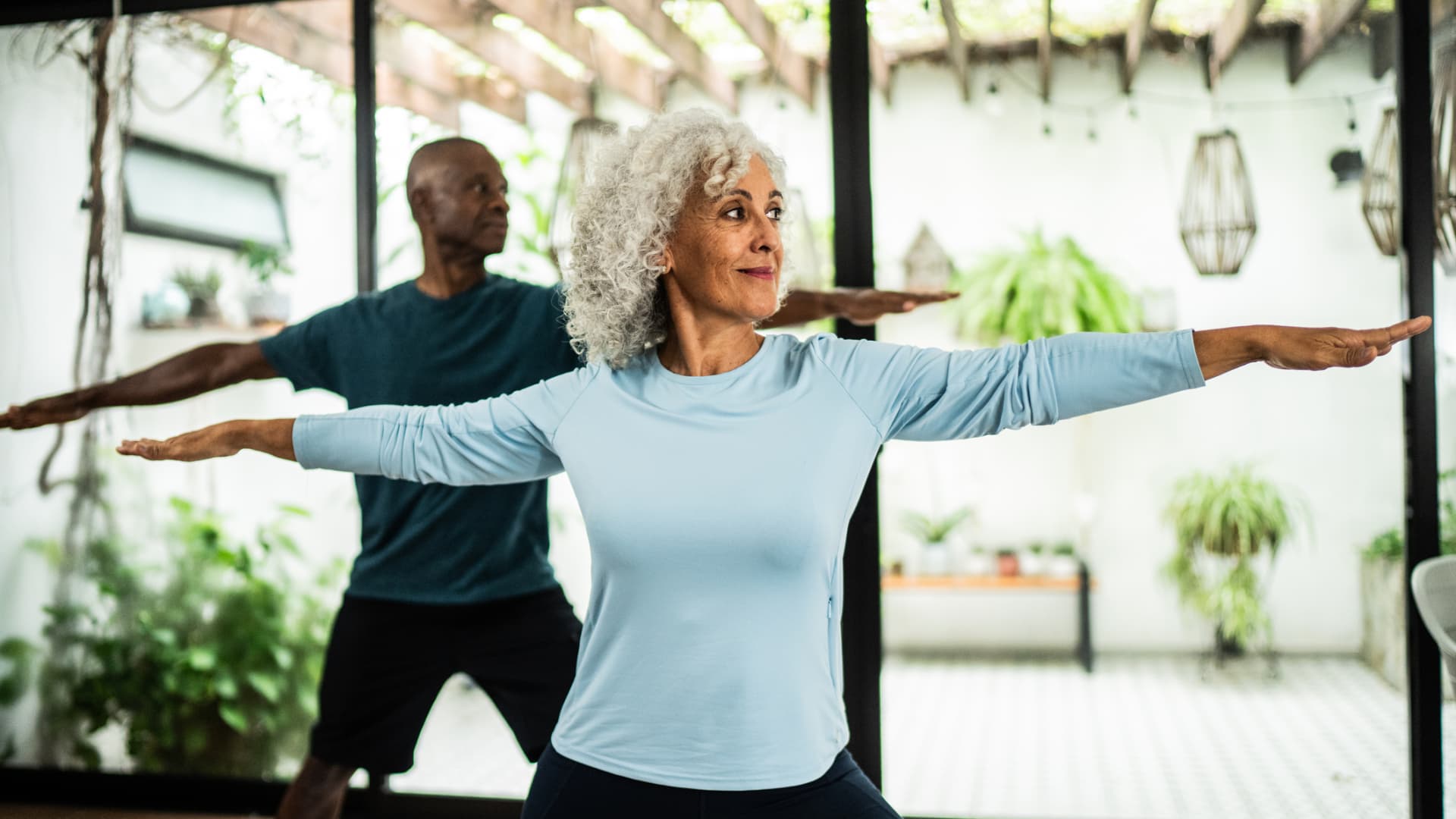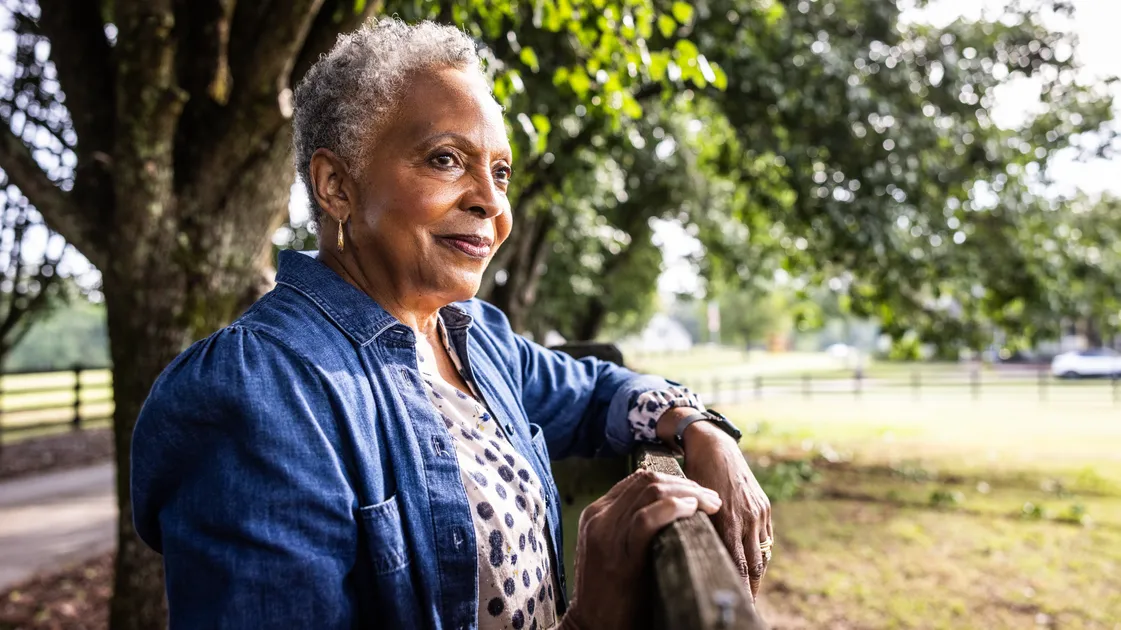
“Longevity” is the buzzword of the moment on social media. Everyone wants to live longer and healthier. And while some factors aren’t in your control, many habits will greatly impact your longevity and quality of life as you age.“It really is a lifetime of health that makes you have healthy aging and good longevity and good healthspan,” said Dr. Elizabeth Eckstrom, a professor of medicine in the division of general internal medicine and geriatrics at Oregon Health and Science University School of Medicine.Even aspects of your early life, such as your childhood education, can affect how you age, according to Dr. David Nace, a geriatrician at the University of Pittsburgh Medical Center.That said, “no matter what age you are, you can start now and still have huge benefits from doing things — don’t let anyone think it’s too late to start with lifestyle changes,” Eckstrom noted.Below, geriatric medicine experts share the habits they wish folks would commit to throughout their lives, whether they’re 22 or 92.1. Prioritize exercise. Physical activity is paramount for healthy aging. Nace said it’s specifically important to stay active through midlife, which he defined as ages 35 to 64, though you should prioritize it outside of this timeframe, too.Getting exercise doesn’t have to mean going to the gym or a workout class (although those are great options). It can mean going for a walk or gardening, if that’s what you prefer, Nace said.Staying active helps you sleep better, feel better, manage your weight, and reduces the risk of arthritis. “It just has benefits all the way around,” Nace added.2. Consider trying tai chi.“When I talk about exercise, I talk mostly about tai chi,” Eckstrom said.Research shows that doing tai chi reduces the risk of falls in older adults by about 60%. “Falls [are] one of the major reasons that people have disability and death over age 65,” Eckstrom noted.“But some of our newer work shows that it also improves brain function, so if you do tai chi two to three hours per week on average, it will give you an additional three to six years of healthy brain life. That’s a lot,” she said.Doing tai chi regularly also lowers blood pressure and cholesterol and reduces pain. “So, everybody should be doing tai chi ... start young, do it your entire life,” Eckstrom said.Li Ran/Xinhua via Getty ImagesResidents practice tai chi along the Grand Canal in Gucheng County, Hengshui City, north China's Hebei Province, June 5, 2026. 3. Protect your hearing.According to Dr. Kenneth Koncilja, a geriatric medicine specialist at Cleveland Clinic, protecting your hearing from damage as you get older is crucial for healthy aging.“A lot of people wish they would have had some hearing protection when they were younger to reduce hearing loss when they’re older,” Koncilja said.Hearing loss also impacts socialization as people age. “People with better hearing later in life socialize more,” Koncilja added.There are also cognitive benefits that happen when you protect your hearing. “It’s a modifiable risk factor for dementia — so, something you can do, preventing hearing loss and treating hearing loss and addressing hearing loss, can actually reduce your risk of dementia, which is a big deal,” Koncilja said.4. Address vision loss.According to Koncilja, it’s also crucial to address any vision loss.“If you can’t really see, you don’t walk as much. If you don’t walk as much, you’re not as active,” Nace said. And, again, staying active is crucial for healthy aging.More, you don’t read as much or go out as much if you can’t see well, either, which makes isolation more common, he said.This is an important way to lower your dementia risk, added Nace.5. Follow a nutritious diet.What you eat is important all throughout your lifespan, and the best diet to follow is the Mediterranean diet, according to Eckstrom. This is a meal plan that’s high in fruit, veggies, nuts, seeds, whole grains, beans, plant-based proteins and fish.“There are lots of other fad diets out there, but if you 100% follow the Mediterranean diet for your lifetime, there’s pretty good evidence that you can probably reduce your risk of Alzheimer’s dementia by at least 50% just from diet alone,” she said.MoMo Productions via Getty ImagesHealthy aging isn’t totally in your control, but there are specific lifestyle habits that can help you live a long and healthy life. 6. Don’t use tobacco products.“Don’t smoke. Don’t vape. No cigars. None of it is better than any of the rest of it,” Nace stressed, noting that these behaviors add up and have a detrimental effect on your health.Tobacco products are linked to cancer, and smoking is particularly linked to lung cancer.“I think one of the things most people don’t realize ... there’s also stroke, heart disease and peripheral vascular disease, and one of the things that’s very clear is that vascular disease is related to the onset of dementia,” Nace said.“If you want to age, don’t smoke. And if you want to age well, don’t smoke. And if you are smoking, get help to quit,” Koncilja added.7. Limit your alcohol use.Excessive alcohol intake is also bad for aging.“There’s a lot of arguments back and forth as what a healthy alcohol intake is,” Nace said, but making sure you limit your alcohol use is important for healthy aging.According to the World Health Organization, “there is no form of alcohol consumption that is risk-free. Even low levels of alcohol consumption carry some risks and can cause harm.”“The newest evidence reports that we should only be having two alcoholic drinks per week,” Eckstrom said. “It markedly increases your risk of dementia. So, if you drink six drinks per week instead of two drinks per week, your risk of dementia goes up by 16%.”And the more you drink, the more your dementia risk increases.“It’s also carcinogenic, and if you drink more than two drinks per week, it increases your risk for cancer,” she noted. It also causes heart disease, liver disease, high blood pressure and many other illnesses.8. Stay active when you retire.“Don’t retire and just sit. That’s the worst thing in the world,” said Nace.Staying active when you retire — cognitively, physically and socially — is key, Nace noted.Your cognition suffers when you’re isolated and not challenging yourself in your day-to-day life. Keeping your mind active is one way to reduce your risk of dementia.“Staying active, it gives you meaning in your life [and] that has benefits cognitively,” Nace said. “The brain is still resilient and still can learn, and physically I think that also becomes important.”During retirement, give yourself something to look forward to, whether that is babysitting grandkids, volunteering at a local food pantry, helping out at church or joining a book club with your neighbors.“So often, I see people who just kind of withdraw, and that’s a recipe for disaster,” Nace said.
8 Things Geriatricians Wish More People Did Before They Got Older
It’s never too early or too late to start.
1,132 words~5 min read