Free daily briefing on global business news.
A rare convergence of factors sent battery prices into a historic collapse. Utilities locked in the savings early even as raw material costs rebound
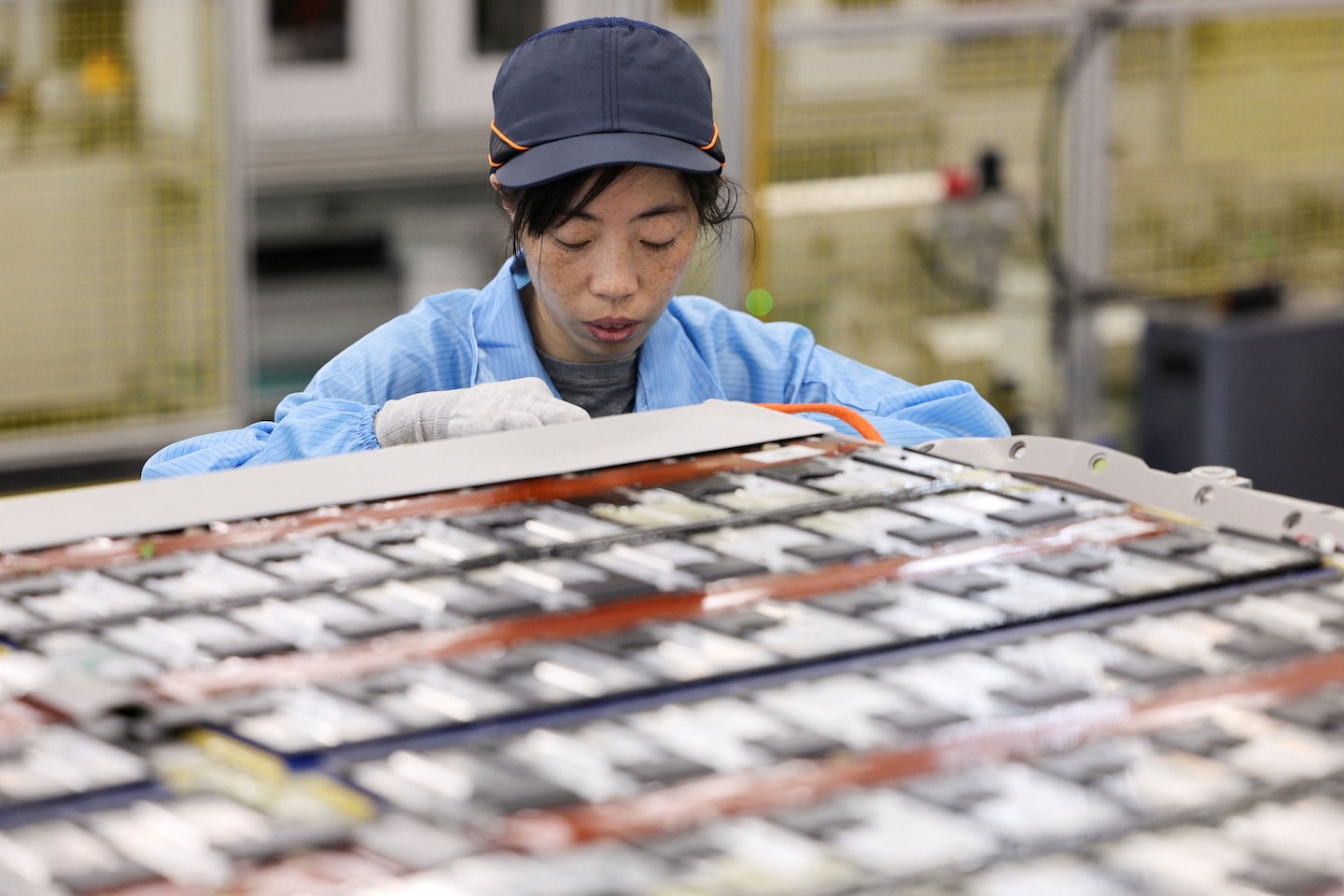
Wang Jiang / VCG via Getty Images
China flooded the world with cheap solar panels a decade ago, driving Western competitors out of business. It did the same with electric vehicles, prompting tariffs from Washington and Brussels. In 2025, the pattern repeated with batteries. Chinese manufacturers who had built twice as many factories as the world needed slashed prices to keep them running, pushing stationary storage packs down to $70 per kilowatt-hour, 45% cheaper than the year before. The decline was steep enough to reshape what power companies pay for electricity during the most expensive hours of the day.
Chinese overbuilding was the biggest single force behind the price collapse, but it wasn't the only one. A shift toward cheaper battery chemistry, a crash in lithium prices, and a decades-long accumulation of manufacturing improvements all hit at the same time, each amplifying the others. On its own, any one of those forces would have pushed prices down gradually. Their convergence is what turned a steady decline into a collapse.