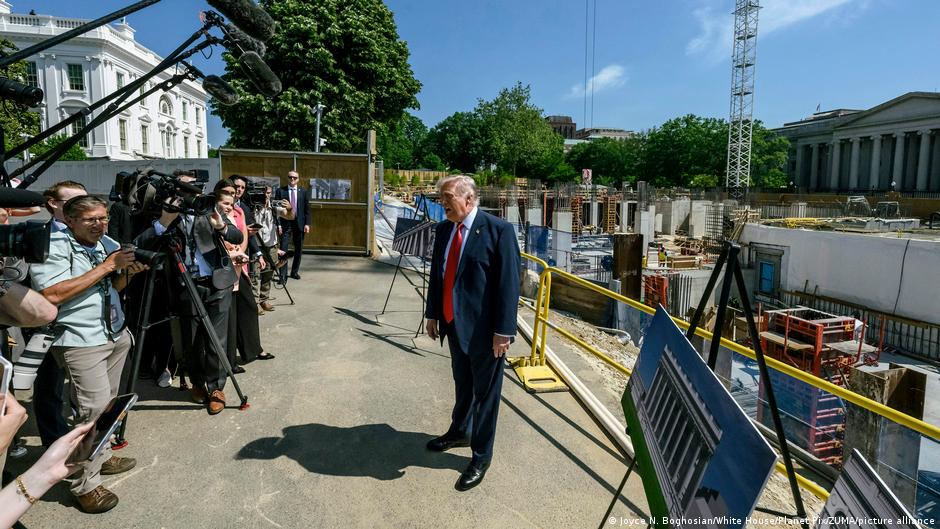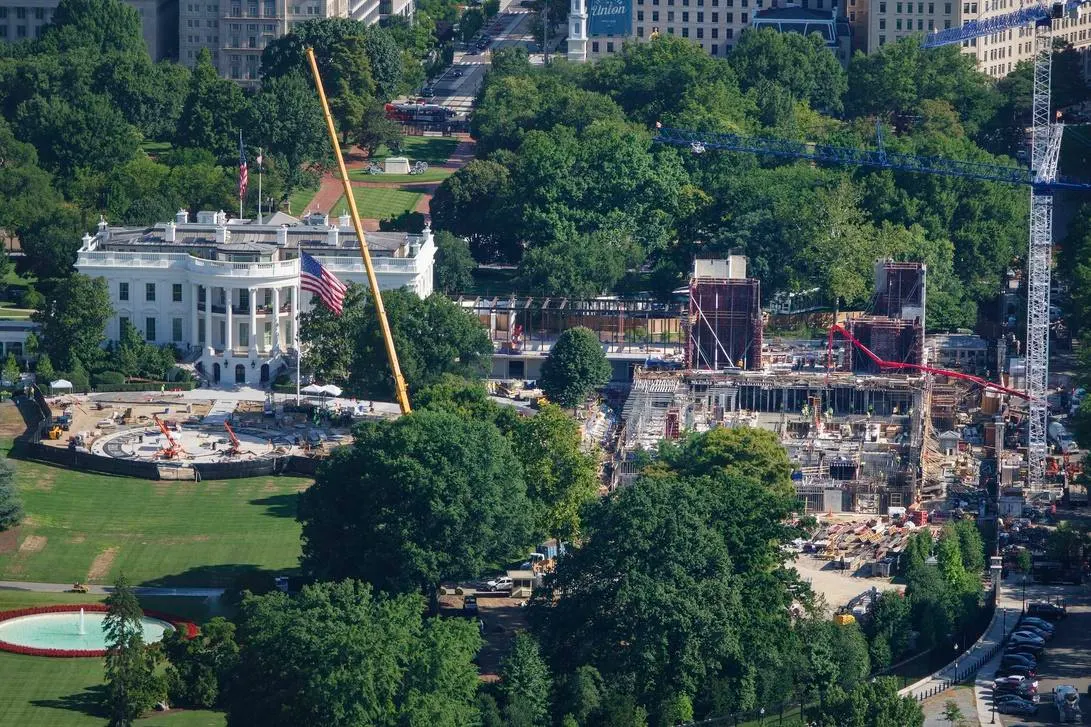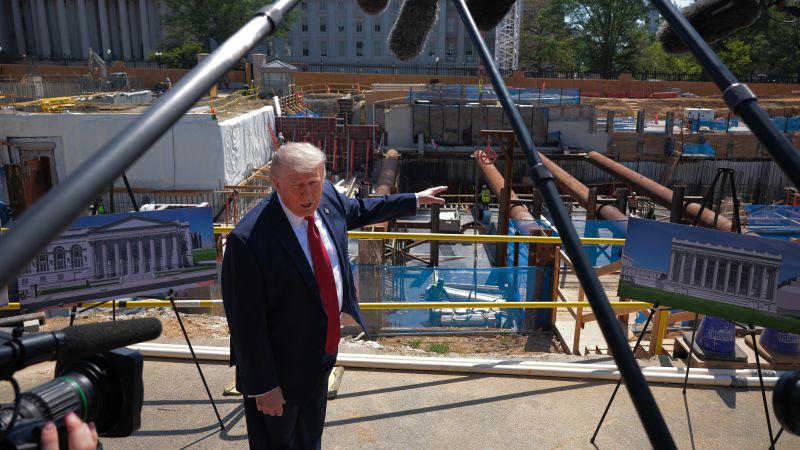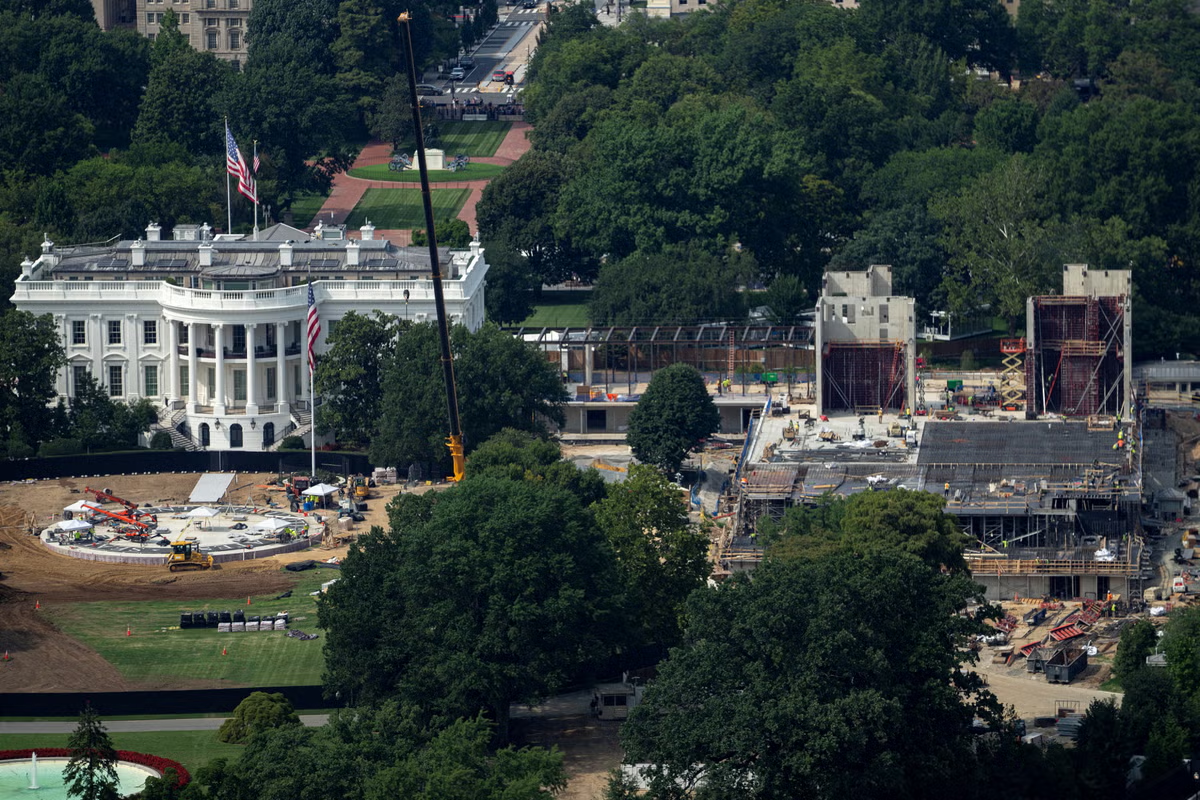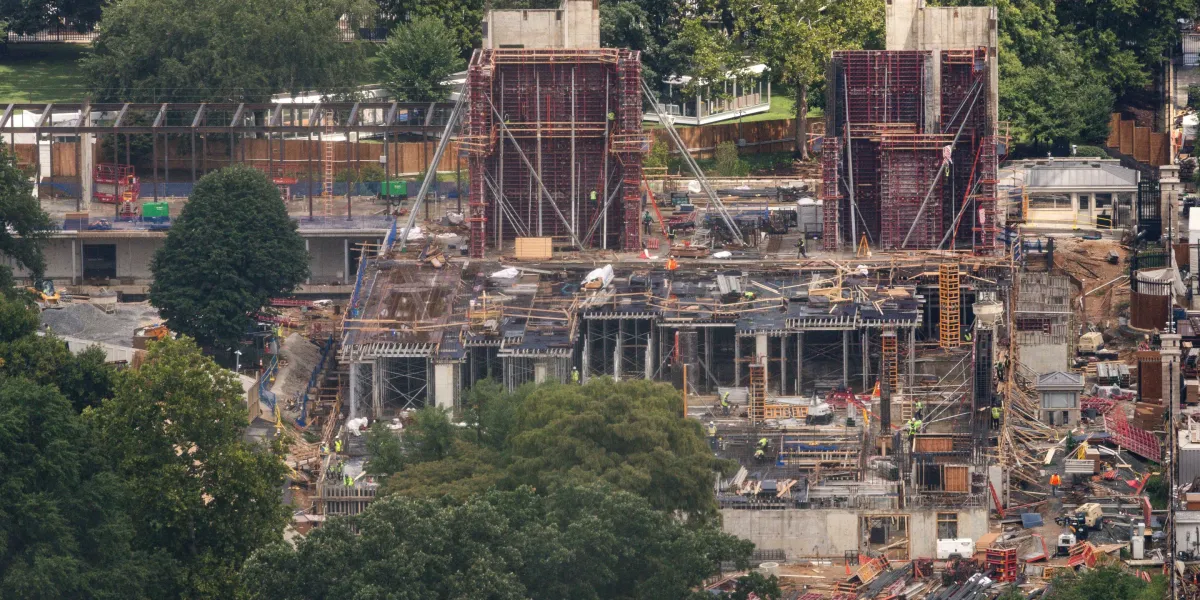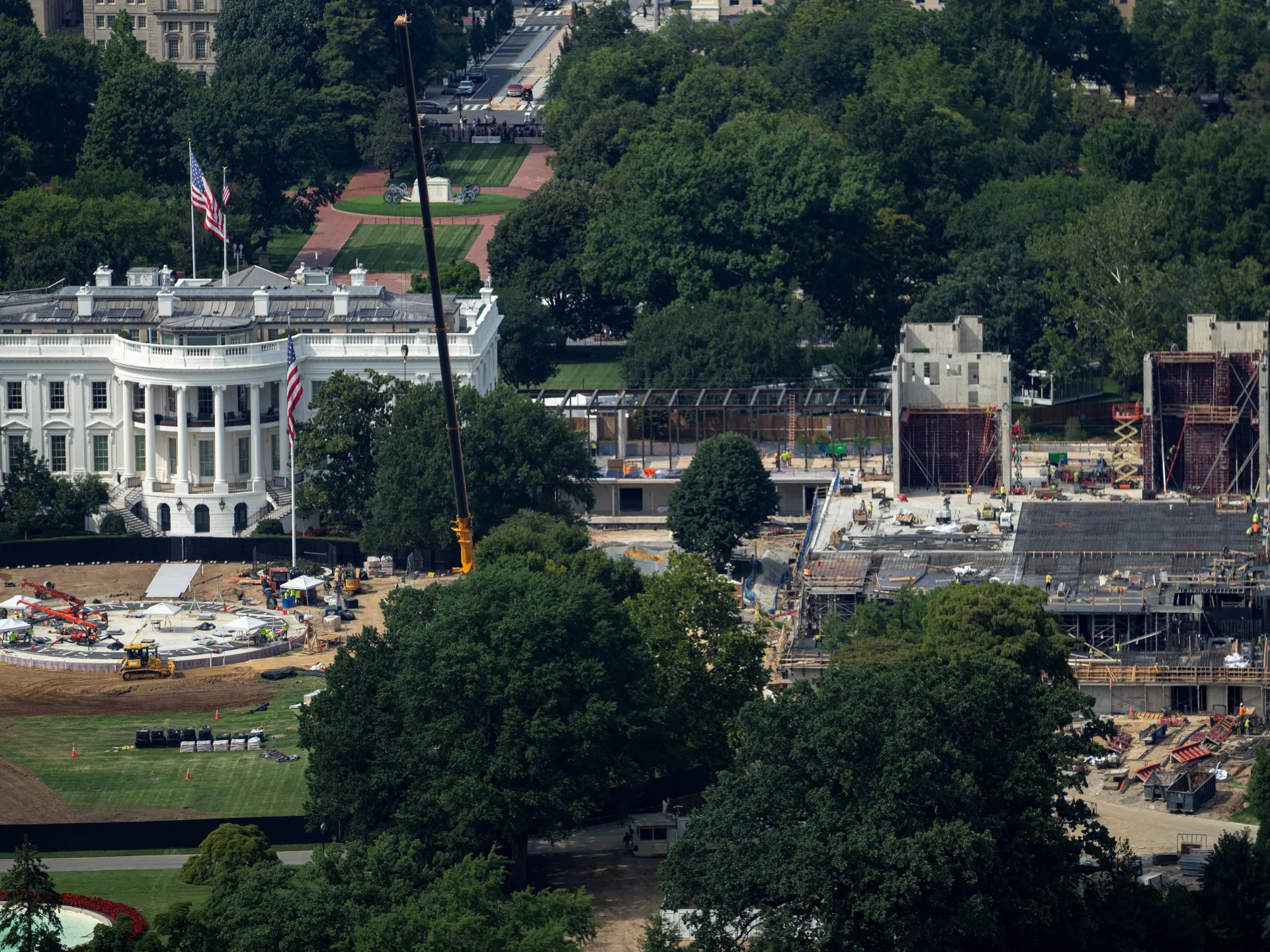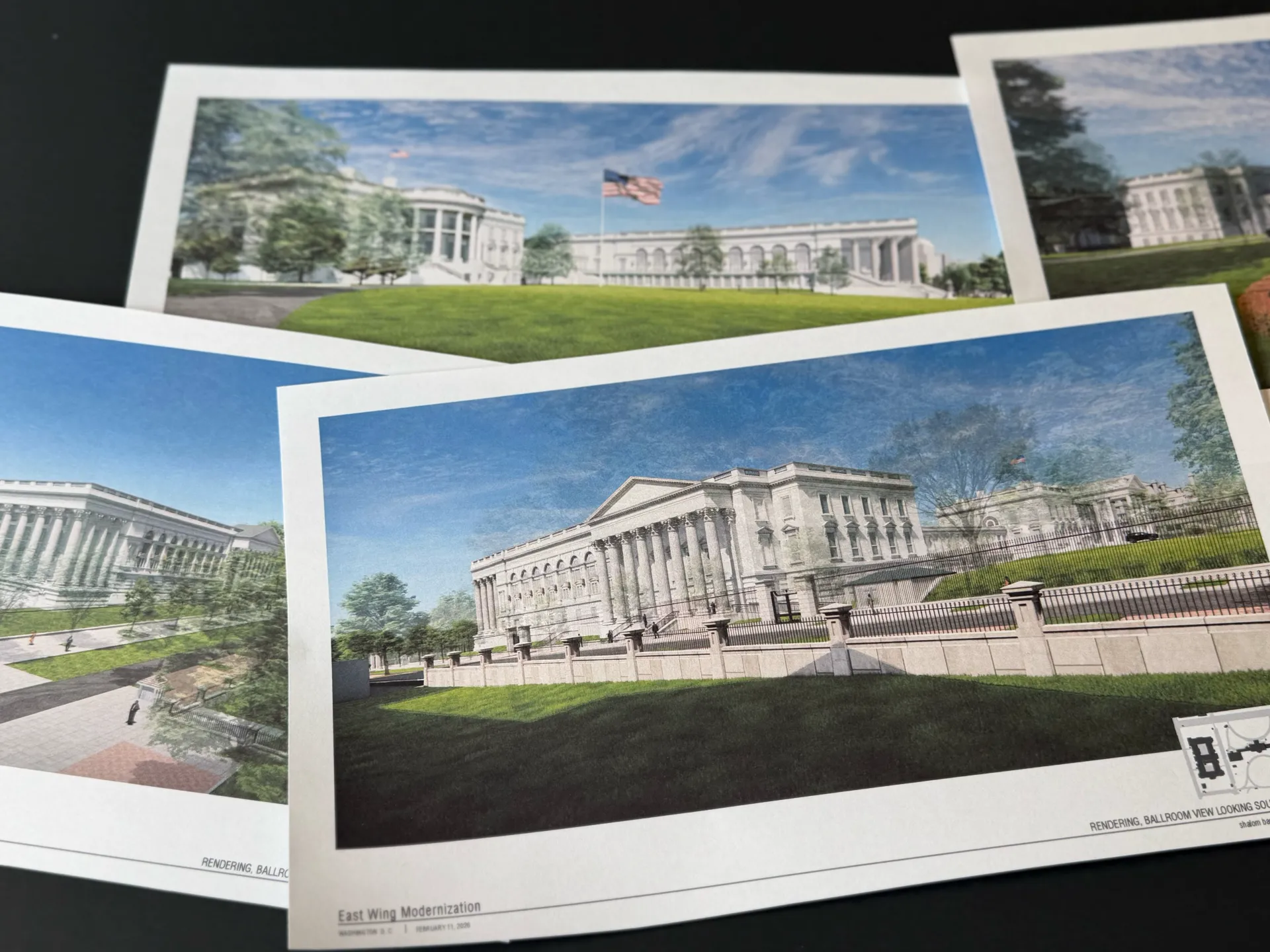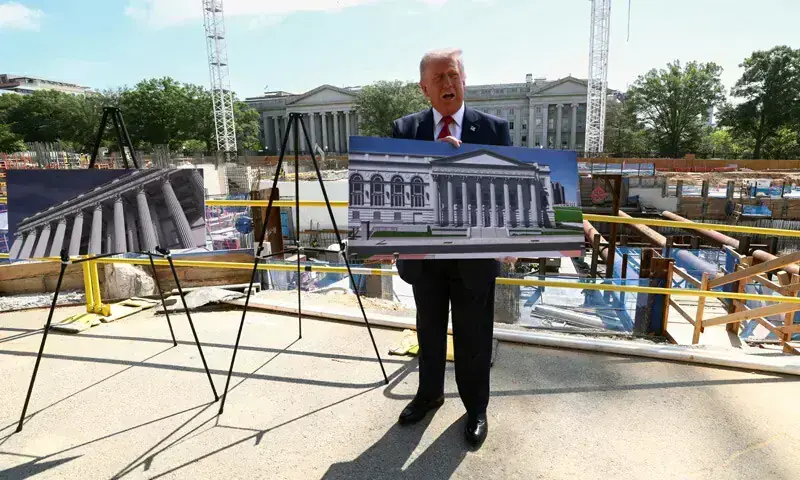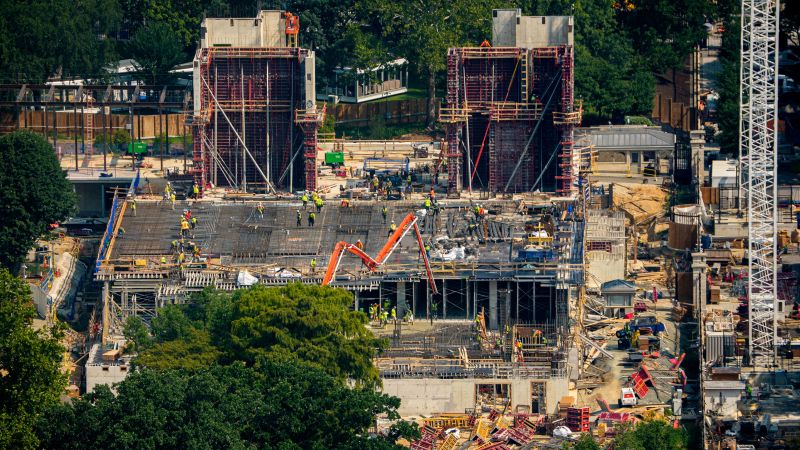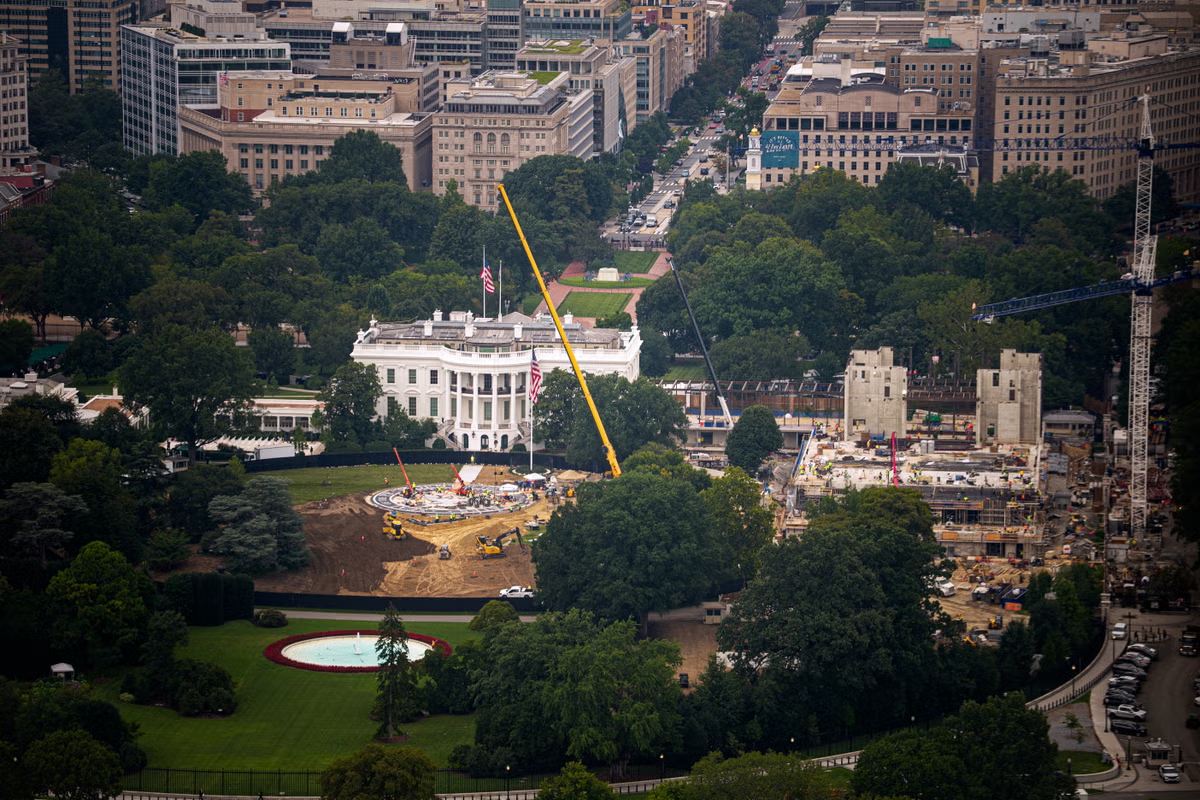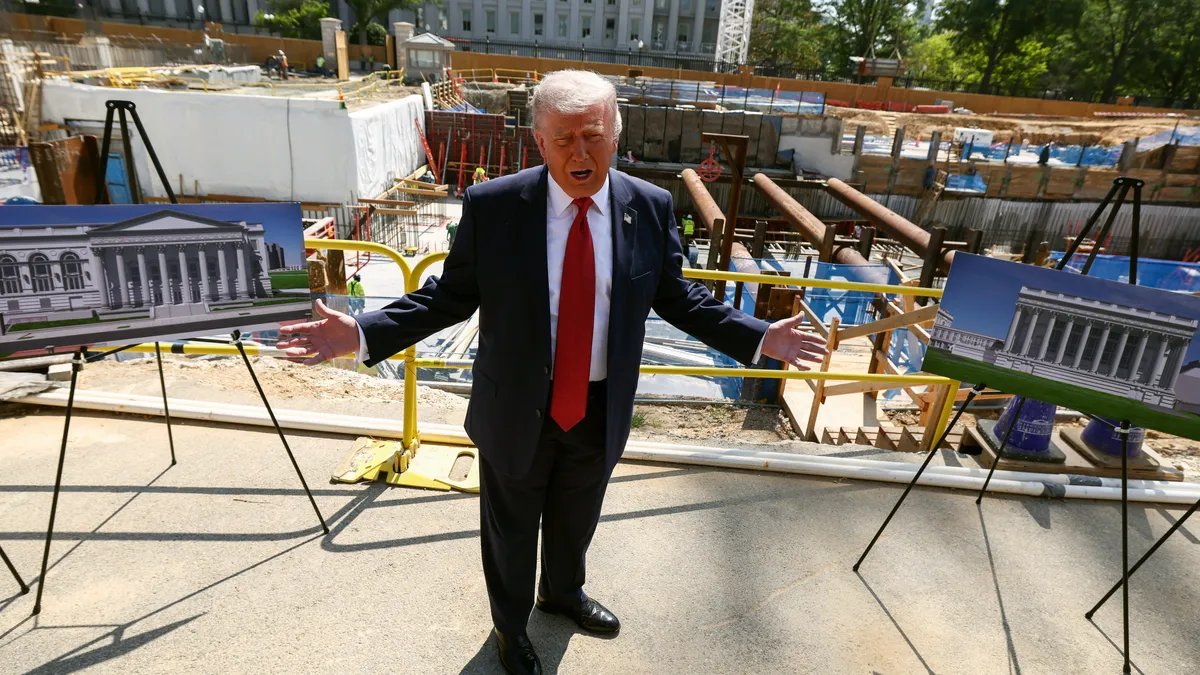
The project is now 65% complete, and major changes are no longer feasible, the administration said in its final written argument before the justices decide whether construction should be paused.Show Caption
WASHINGTON – Finishing the president’s $400 million ballroom is a national security “imperative,” the Trump administration told the Supreme Court in its final written argument before the justices decide whether construction should be paused.Calling the threat levels against President Donald Trump “unprecedented,” the Justice Department argued any delay in the project “presents unacceptable risk.”Unless the Supreme Court intervenes, a judge’s order halting the above-ground portion of the project while the legal fight continues will go into effect on Aug. 21.The National Trust for Historic Preservation, which is challenging the ballroom, has told the justices that the project would likely become irreversible unless it is stopped now.The group has accused the administration of trying to “outrun judicial review” and accelerating construction while the judge’s order is being appealed.The Justice Department responded that the administration “has raced to 'outrun’ the extraordinary security threats facing this President.” The government’s lawyers also said the administration shouldn’t be blamed for the fact that the judge’s order has been on hold during the appeal process, which allowed work to continue.The project is now 65% complete, and major changes are no longer feasible, the government said.“That is a function of construction, not a bait-and-switch,” Solicitor General John Sauer wrote. “When the President, his staff, his family, and the White House complex are not fully secure, time is of the essence."The judge who ordered construction to stop − U.S. District Judge Richard Leon − wrote earlier this year that “the existence of a ‘large hole’ beside the White House is, of course, a problem of the President’s own making.”Last October, Trump bulldozed the East Wing to begin construction of a 90,000-square-foot ballroom paid for by private funds.After the National Trust for Historic Preservation sued, Leon said only underground work on bomb shelters and other security-related components could continue unless Trump gets approval from Congress.A federal appeals court backed that decision this month in a 2-1 opinion, but kept the order from going into immediate effective to give the administration time to ask the Supreme Court to step in.“It is Congress’s job to ensure that any major construction and security projects at the White House will protect the safety of all Presidents, present and future, while preserving the historical and architectural significance of this unique location,” the U.S. Court of Appeals for the DC Circuit said in a ruling that referred to the White House as “the People’s House.”The administration argues that congressional action is not needed and that the National Trust for Historic Preservation can’t challenge the ballroom based on a trust member’s “subjective preference” about how the White House should look."It’s a lawsuit that never should have been allowed to be brought," Trump told reporters on Aug. 19. He's called the group a "bunch of trouble-makers."The organization complains that the project's size would "overwhelm the White House itself.”Trump, whose background is in real estate, has made several changes in the White House, including replacing the Rose Garden lawn with a paved patio and gilding the Oval Office.For years, Trump has been pushing for a ballroom in the White House that would accommodate large gatherings, such as state dinners. He has lamented the fact that many of the fancy affairs in the past were held in tents.Contributing: Bart Jansen