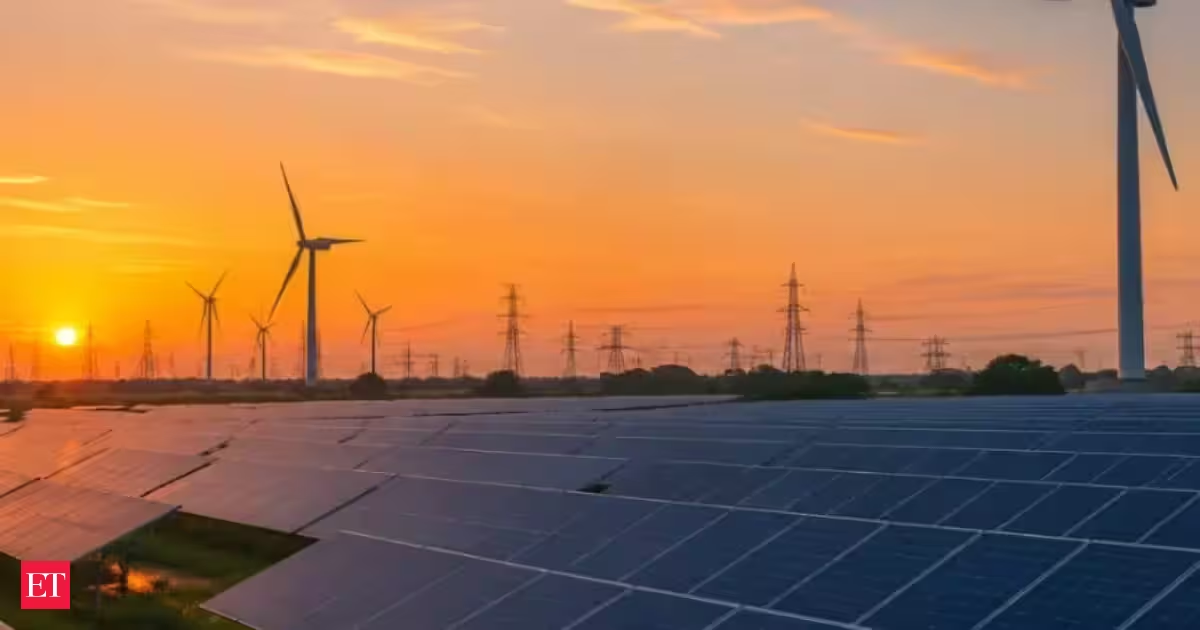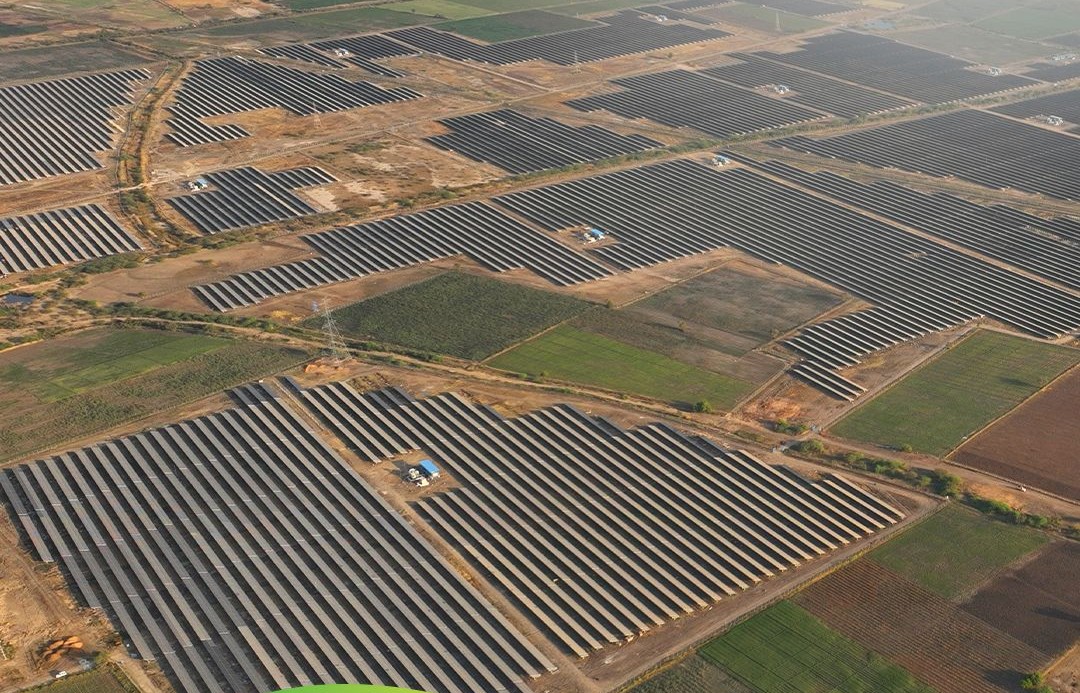
Renewable energy awards slow due to PPA delays and transmission bottlenecks, ICRA says.NEW DELHI: Challenges in signing power purchase and power sale agreements and delays in ramping up transmission capacity have slowed the pace of renewable energy capacity awards, ratings agency ICRA said on Wednesday.Following the sizeable RE capacity award of 40.6 GW in 2024-25, ICRA said bidding activity slumped, with only 14.7 GW awarded in 2025-26 and 4.7 GW awarded till Aug 10 this year. It, however, added that the renewable power pipeline remained strong, with more than 150 GW of projects estimated to be under construction in June this year, which is likely to drive capacity additions in the near to medium term.India’s RE capacity, including large hydro projects, is estimated at nearly 291 GW, while govt has set an ambitious target of 500 GW by 2030. ICRA said around 40-45 GW of RE projects were still awaiting the signing of power purchase agreements (PPAs).“While the bidding activity has moderated, a notable feature is the decline in bidding for normal solar and wind and greater focus on firm and dispatchable renewable energy (FDRE) and round-the-clock (RTC) power,” said Girishkumar Kadam, senior vice president and group head, corporate ratings, ICRA.The agency estimates the share of generation from renewable energy capacity, including large hydro, to cross 35% by 2029-30 from 22% in 2024-25. It, however, added that transmission capacity has not kept pace with the growth in power generation and RE projects. Projects, particularly those operating under temporary general network access (T-GNA), continue to face curtailment. Timely completion of transmission projects and faster expansion of energy storage will be crucial to sustain the growth in renewable capacity, ICRA said.“Scaling up the share of generation from RE capacity is contingent on the extent of implementation of the ongoing project pipeline, where projects are bid out and PPAs are signed, development of adequate transmission connectivity infrastructure and timely bidding for new RE projects, along with signing of PPAs by central nodal agencies,” ICRA said in a statement.Kadam also said RE capacity addition is being impacted by concerns over transmission connectivity infrastructure, as increasing episodes of grid curtailment affect project returns. He said about 37% of the capacity at impacted substations in the north, west and south operates under temporary general network access and faces curtailment of 30-50% during solar hours.“Timely execution of intra-state and inter-state transmission infrastructure and enhancement of storage capacity will be critical to protect project economics and sustain the pace of capacity addition amid the ramp-up in the share of renewables in the generation mix,” he said.Declining battery costs over the past decade have helped reduce the cost of energy storage. This, coupled with the availability of viability gap funding and extended transmission charge waivers till June 2028, has boosted battery energy storage system (BESS) adoption in India, ICRA said.
PPA, transmission hurdles slow renewable energy project awards: ICRA
NEW DELHI: Challenges in signing power purchase and power sale agreements and delays in ramping up transmission capacity have slowed the pace of renewable energy capacity awards, ratings agency ICRA said on Wednesday.
471 words~2 min read