The sharp decline on an annual basis in Q1 2026 partly reflects exceptionally high investments in January-March 2025 driven by large acquisitions and debt financing, it added.
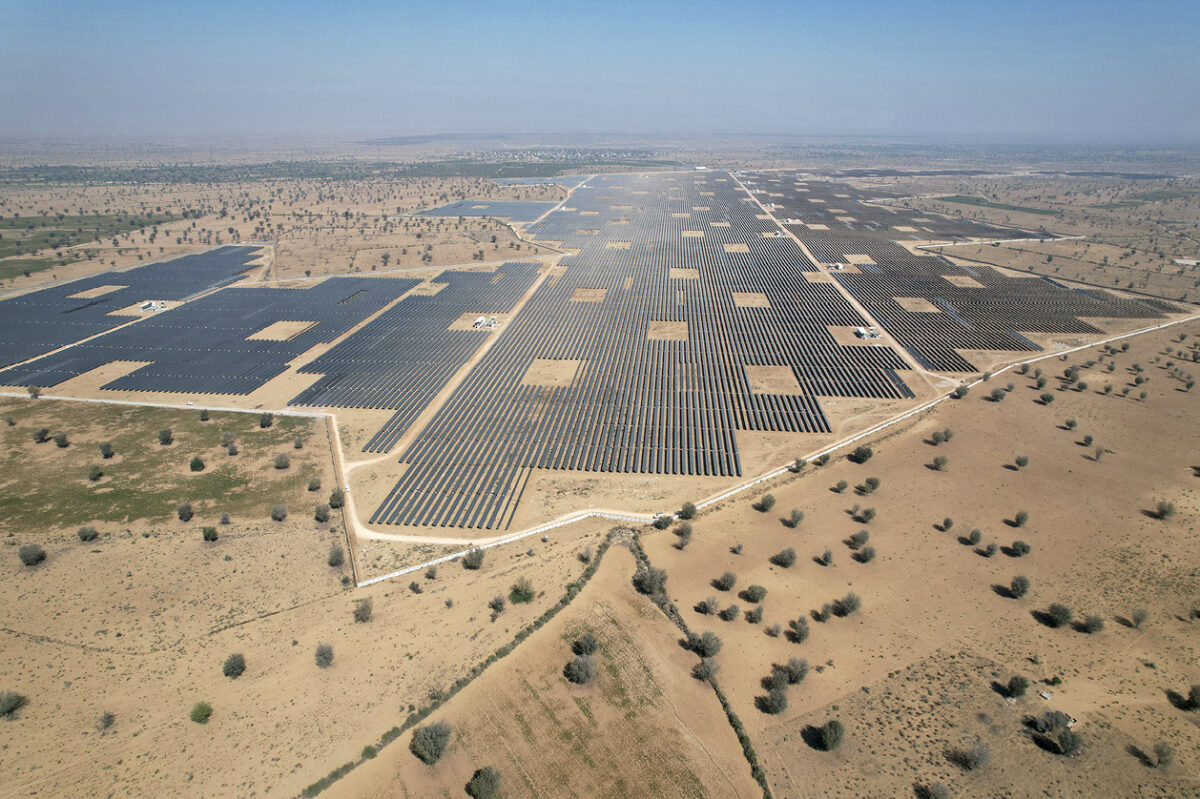
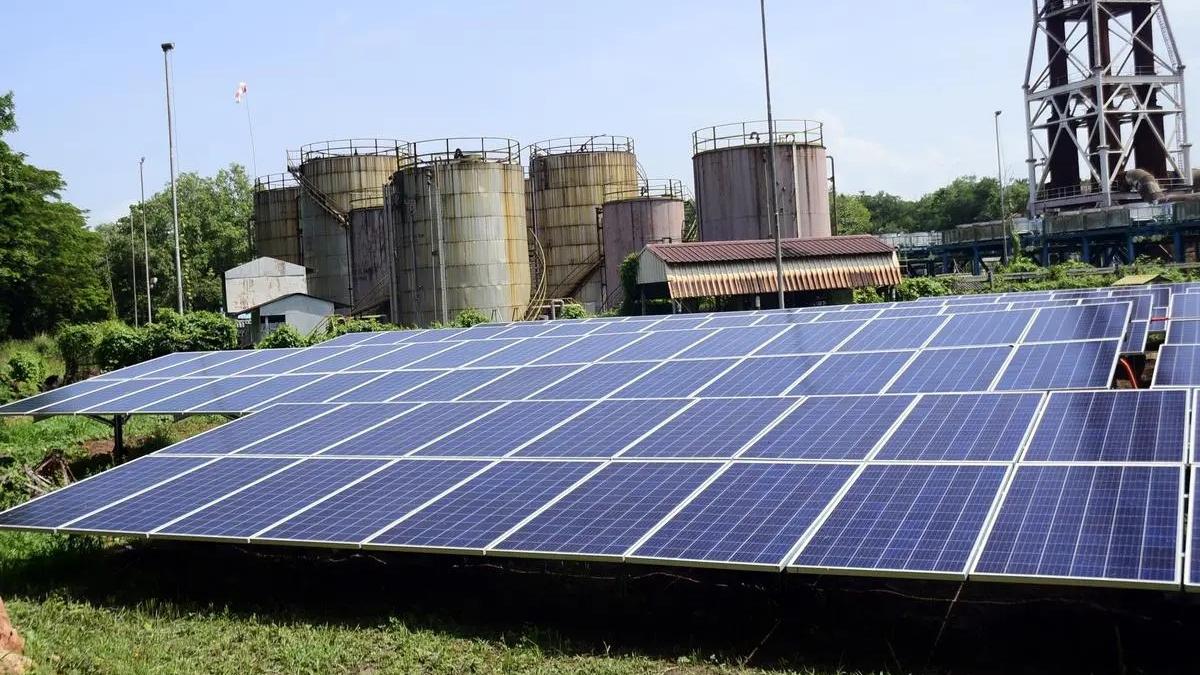
Structural bottlenecks such as power evacuation issues due to transmission constraints is among the reasons that is not only slowing the pace of India’s renewable energy (RE) expansion, but also adversely impacting investments.Institute for Energy Economics and Financial Analysis (IEEFA) data shows that investments in India’s RE sector fell by 65.8 per cent Y-o-Y, from about $9.84 billion (around Rs 92,889 crore) in Q1 2025 to around $3.37 billion (Rs 31,812 crore) in January-March 2026.Sequentially, investments fell 40.5 per cent from $5.66 billion (Rs 53,461 crore) in October-December 2025, the data showed.India’s RE capacity stood at 275 GW as of March 31, 2026 with its share in total installed capacity at around 51 per cent.Sharp declineThe sharp decline on an annual basis in Q1 2026 partly reflects exceptionally high investments in January-March 2025 driven by large acquisitions and debt financing, it added.“This decline is likely a reflection of increasing caution amid grid integration challenges, curtailment risks, and transmission constraints. India’s renewable energy expansion is increasingly facing structural bottlenecks, with rapid capacity additions outpacing transmission and grid integration infrastructure,” the think tank opined.At a time when the country is exploring austerity measures, the lost clean electricity may have reduced reliance on costly natural gas imports or freed up domestic gas supplies for higher-priority uses outside the power sector at a time when spot gas prices were nearly twice the levels prevailing before the US-Israel war against Iran in West Asia. As per IEEFA, India curtailed around 2.3 terawatt hours (TWh) of solar generation in 2025 due to grid security concerns, with curtailment rising as renewable penetration increased.System operators have increasingly had to reduce solar output as other generation sources reached their operational limits, highlighting insufficient grid flexibility and transmission capacity.Ember in a recent analysis said that transmission constraints led to loss of 300 gigawatt-hours (GWh) of clean electricity in India during Q1 2026, particularly across Northern and Western regional grid pooling stations.For instance, On March 30, 2026 alone, India lost 34 GWh of clean generation, equivalent to the daily power use of about 5 million urban middle-class households, it said.The analysis found that the total renewable curtailment in Q1 2026 reached around 470 GWh, of which 300 GWh stemmed directly from transmission constraints. The Northern region accounted for 178 GWh and the Western region for 122 GWh. The Southern region recorded none, reflecting better synchronisation between generation and grid build-out. “India’s RE curtailment arising from transmission constraints is beginning to reach materially significant levels. Much of this stems from the growing mismatch between the pace of RE deployment and readiness of transmission infrastructure,” said Duttatreya Das, Energy Analyst for Asia at Ember.Over time, the system will need to move away from generation-led transmission planning towards a model where generation and transmission are co-optimally planned and executed, he added.The analysis by the energy think tank highlights that the core of the problem is a growing mismatch between the pace of renewable energy development and the readiness of transmission infrastructure.It found that India met only about 80 per cent of its annual transmission targets over the past five years, and FY27 ISTS target has now risen to 25,146 circuit kilometres (ckm).Four major schemesOne in four major schemes is already running a year or more behind schedule. As a result, 20 gigawatts (GW) of renewable energy capacity are likely to face connectivity delays of more than four months in FY27, Ember said.Das suggested that the system will need to move away from generation-led transmission planning over time towards a model where generation and transmission are co-optimally planned and executed.Published on May 28, 2026