Anthropic spent months engineering invisible watermarks for its Claude AI models. Developers on the internet needed roughly a day to start dismantling them.
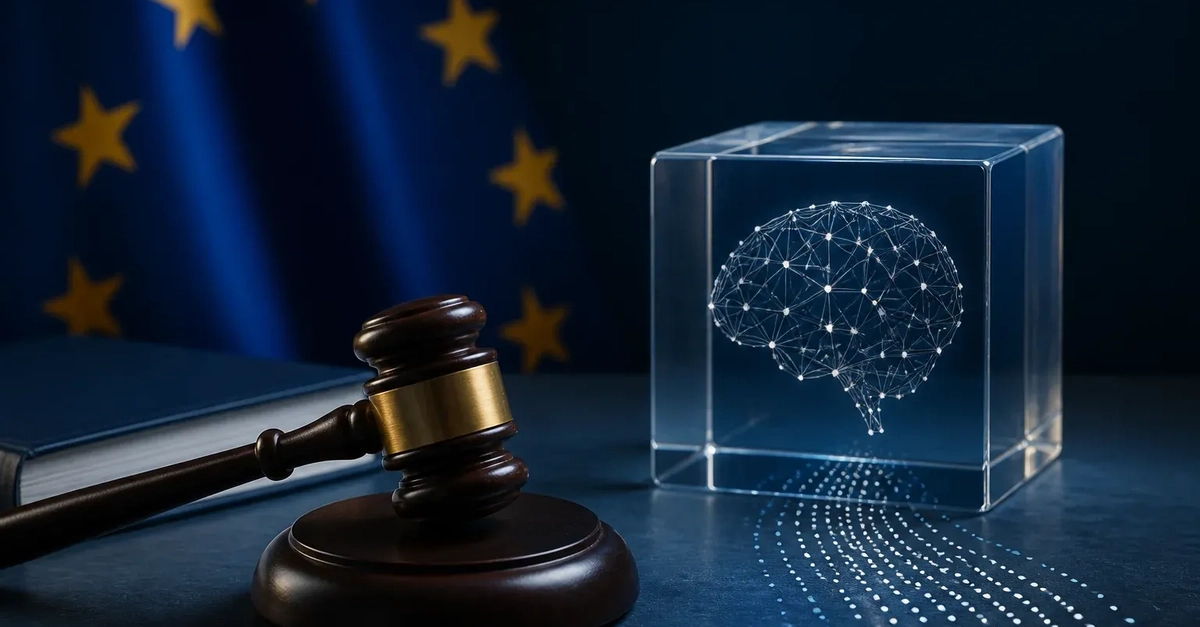
The company rolled out machine-readable watermarks embedded in Claude-generated text on August 2, complying with the EU AI Act’s Article 50 transparency requirements. The watermarks work by subtly influencing the statistical patterns of token selection during text generation, creating a probabilistic fingerprint that’s invisible to human readers but theoretically detectable by machines. Within 24 hours, open-source tools designed to strip those fingerprints were circulating online.
How the watermarks work, and how they break
Instead of inserting hidden characters or appending metadata, the system nudges the probability distribution of word choices during generation. The implementation extends beyond just text. Anthropic also added digitally signed provenance metadata for supporting files generated through Claude, creating a chain of custody for AI-produced content across both Claude.ai and the Claude API.
Developers quickly identified that running watermarked text through statistical rewriting tools effectively scrubs the fingerprint. Translation loops proved even simpler: translate the text into another language and back, and the statistical signature dissolves. The original meaning survives. The watermark does not.