Not too long ago, a hotel room had a very specific purpose. You would check in, deposit your luggage, then disappear for the rest of the day – only returning to bed down for the night. The cycle would likely repeat itself for the duration of your trip.The room might have been functional, comfortable, occasionally luxurious – but ultimately a place to pause briefly between work and leisure. Somewhere along the way, the lines between hotels, residences and workspaces began to blur.A business trip might stretch into a long weekend. Remote working and digital nomadism became commonplace. That meant having a proper desk in the room, rather than a dressing table or TV console doubling as a workspace. And with the advent of food delivery apps, staying in became an attractive alternative to dining out – putting pantries, kitchenettes and dining spaces into the equation.Increasingly, travellers aren’t just looking for somewhere to stay; they’re looking for somewhere to live, however briefly.
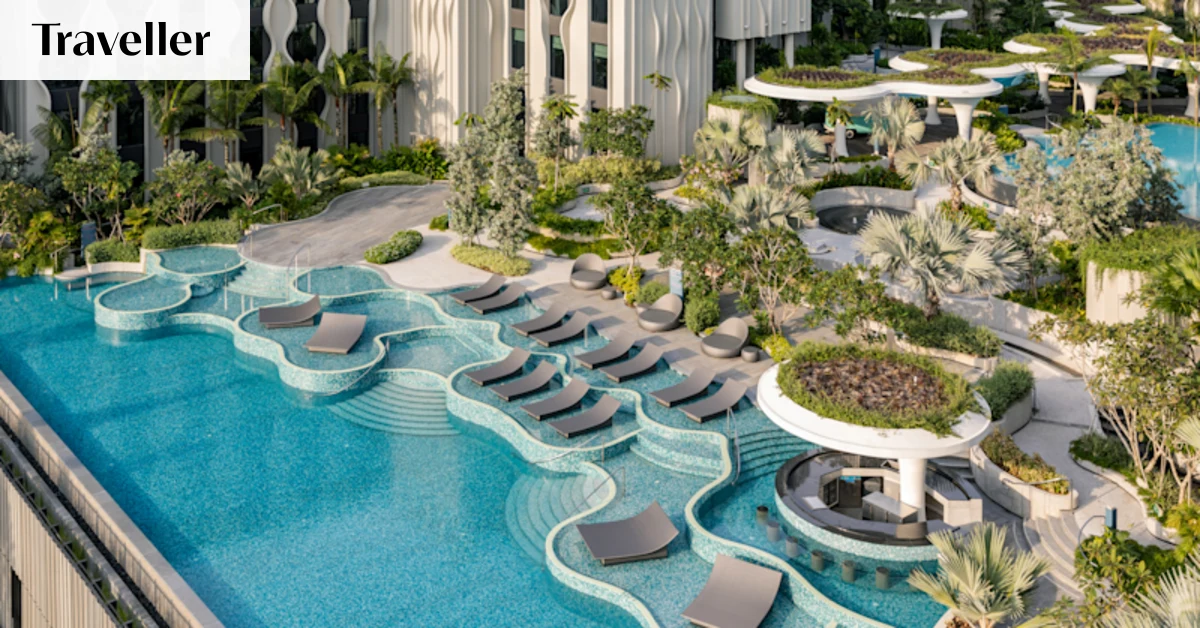
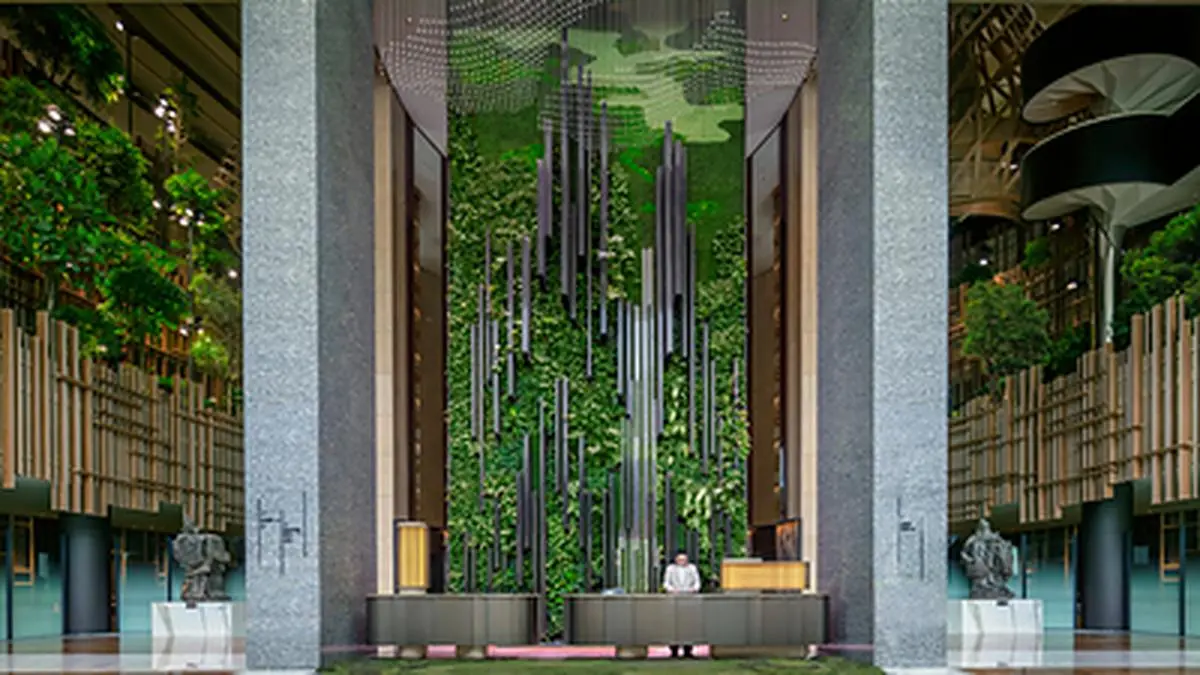
Oakwood Premier Raffles Place Singapore opened in April 2026, bringing the Oakwood brand into Singapore’s CBD with a more premium positioning. (Photo: Oakwood Premier Raffles Place Singapore)
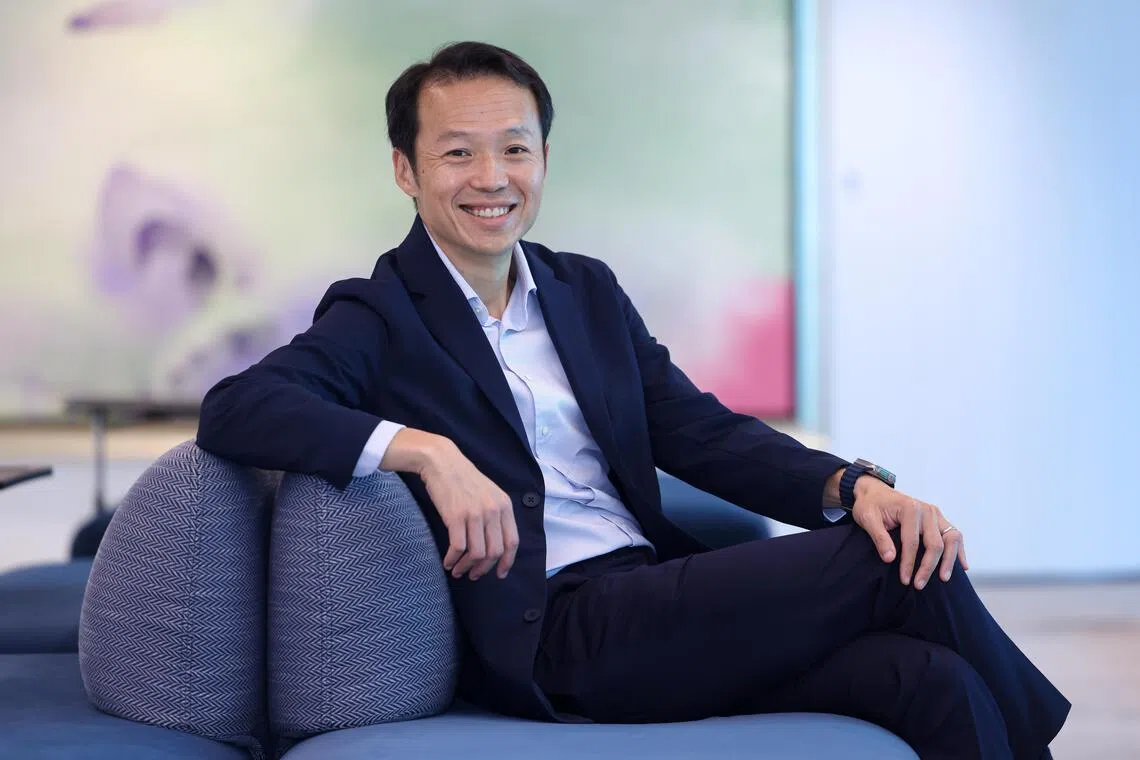
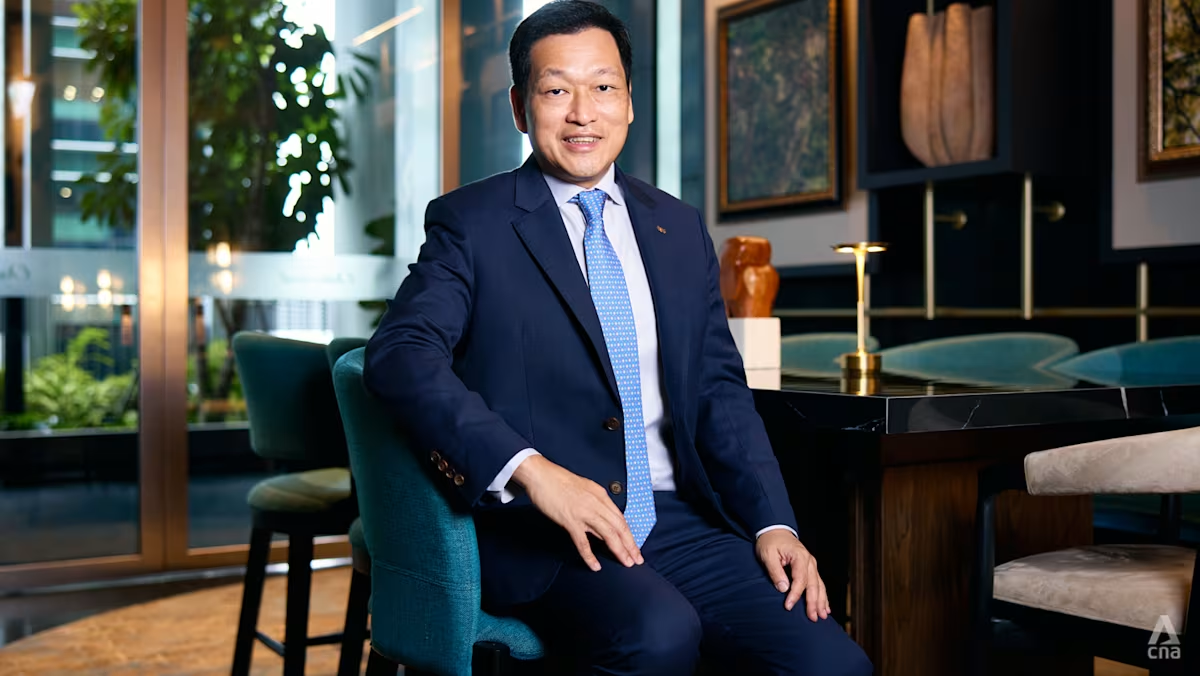
It’s one of the biggest shifts that hotel operators, serviced residence providers and other hospitality players have had to navigate over the past decade. Few companies, however, have had a better vantage point than The Ascott Limited.While global hotel groups such as Accor, Hilton and Marriott built their businesses around traditional hotels before expanding into apartments, serviced residences and other long-stay options, Singapore-born Ascott took a different route.Founded in 1984 with the opening of The Ascott Singapore – Asia Pacific’s first international-class serviced residence – the company spent the next four decades refining a model built around flexibility and residential comfort. This was well before terms such as “bleisure”, digital nomadism and remote work became mainstream. “We weren’t ahead of our time as much as we stayed close to something fundamental,” said Ascott CEO Kevin Goh. “People away from home want more than a room. They want a space that works around their life. That need existed in 1984 and is far more widespread today.”