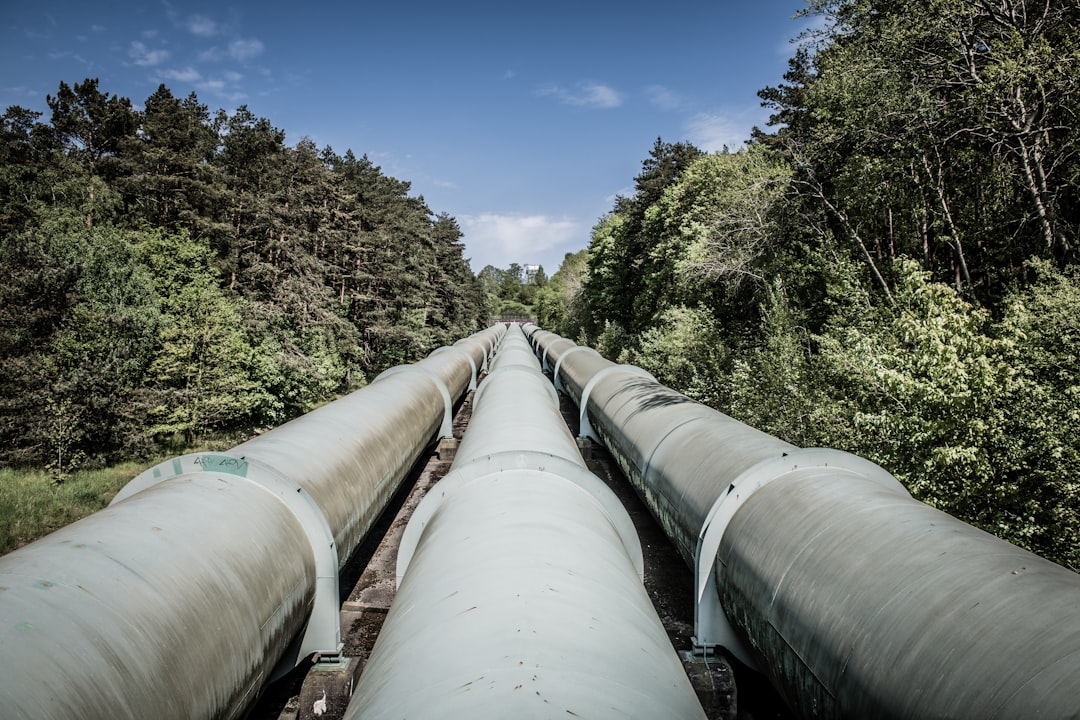
Not that one. The other one: keeping water flowing to people who need it.
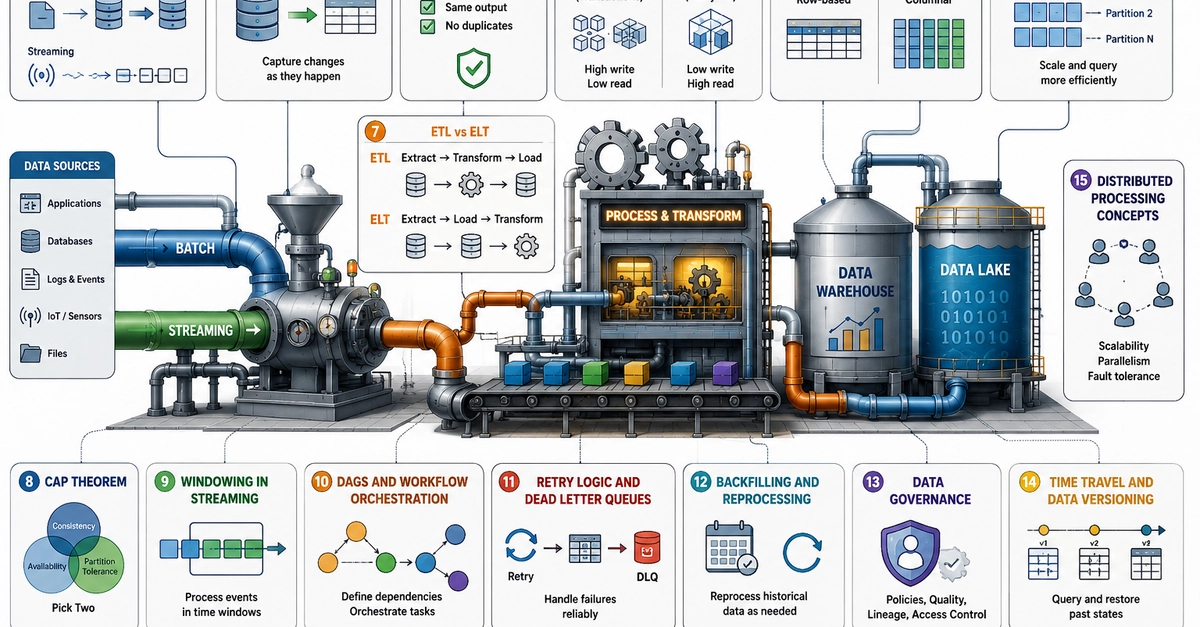
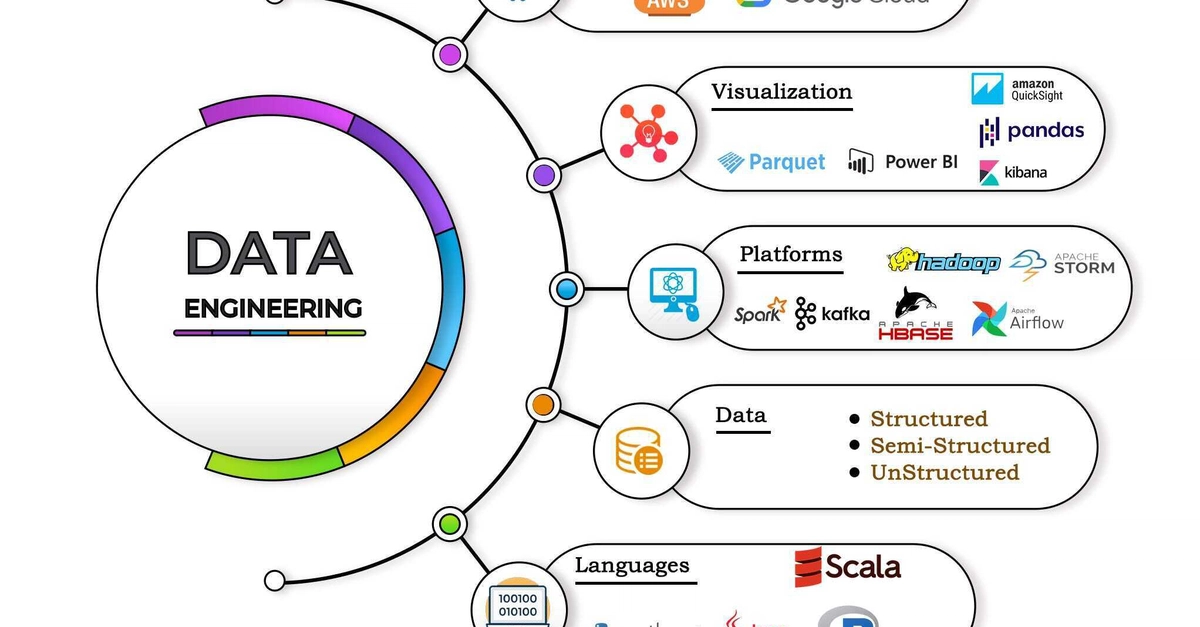
The comparison between data engineers and plumbers gets made a lot, usually as a light joke about unglamorous work. But if you actually follow the metaphor further than the punchline, it stops being a joke and starts being a pretty useful mental model for why data systems are built the way they are.
Aqueducts Were Just Early DAGs
Roman engineers did not build a single pipe from mountain spring to city fountain. They built a network of channels, settling tanks, distribution castles (castella divisiorum), and branch lines, each one flowing in one direction, each one handling a specific stage of the journey from source to consumer.
That is a directed acyclic graph. The Romans did not call it that, but the engineering constraint is identical: water flows downhill, and you cannot have it flowing in a circle without losing pressure and introducing contamination. Data engineers rediscovered this constraint independently when they started building ETL pipelines at scale. You route, filter, transform, and deliver. Backflow is a bug.