IN WESTERN markets, the transformation of legacy retail networks relies heavily on open-hardware procurement and large-scale software integration. Energy giant BP Pulse made waves by purchasing 100 million dollars worth of Tesla Supercharger hardware, equipping its retail sites with specialized adapters to support both North American Charging Standard and Combined Charging System vehicles, all part of a broader corporate roadmap to operate 100,000 global chargers by 2030.
In a parallel infrastructure expansion, Ford integrated 15,000 Tesla Superchargers into its proprietary BlueOval network, expanding its total digital charging footprint to over 106,000 locations. To optimize these massive hardware networks, fleet operators are deploying advanced management systems, such as the integration of BP Pulse’s Omega scheduling software with the EV Connect platform to streamline automated commercial charging.
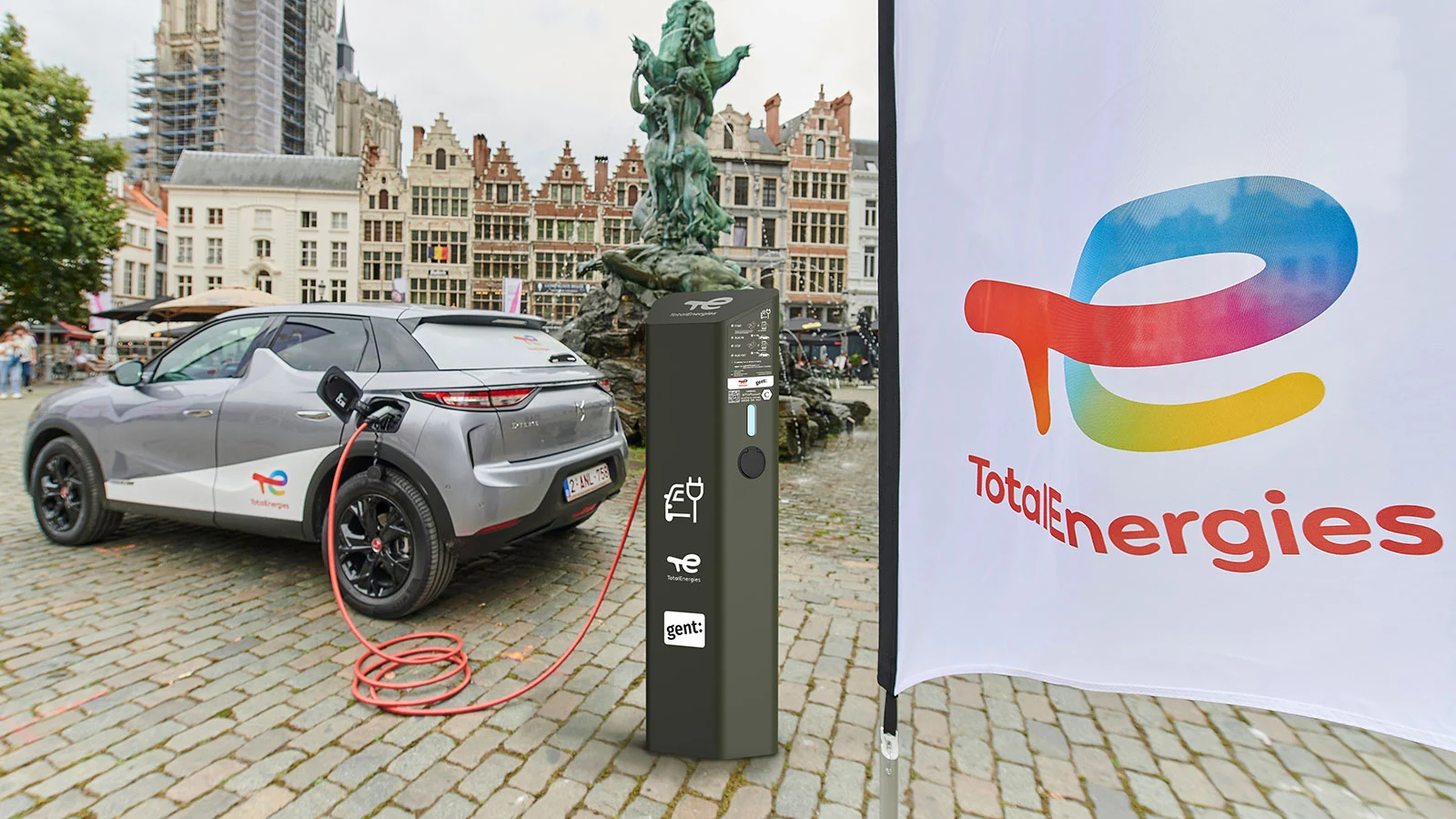
European operators are matching this pace, with TotalEnergies collaborating with charging network developer Allego to install high-powered chargers across its legacy fuel sites in France, Belgium, and the Netherlands to satisfy upcoming regional zero-emission mandates. Across the European continent, the familiar roadside fuel stop is undergoing its most radical redesign in a century. Driven by strict European Union regulations, surging electric vehicle adoption, and changing consumer habits, the traditional gas station is shedding its pumps, fumes, and underground fuel tanks to emerge as an electrified mobility and retail hub.