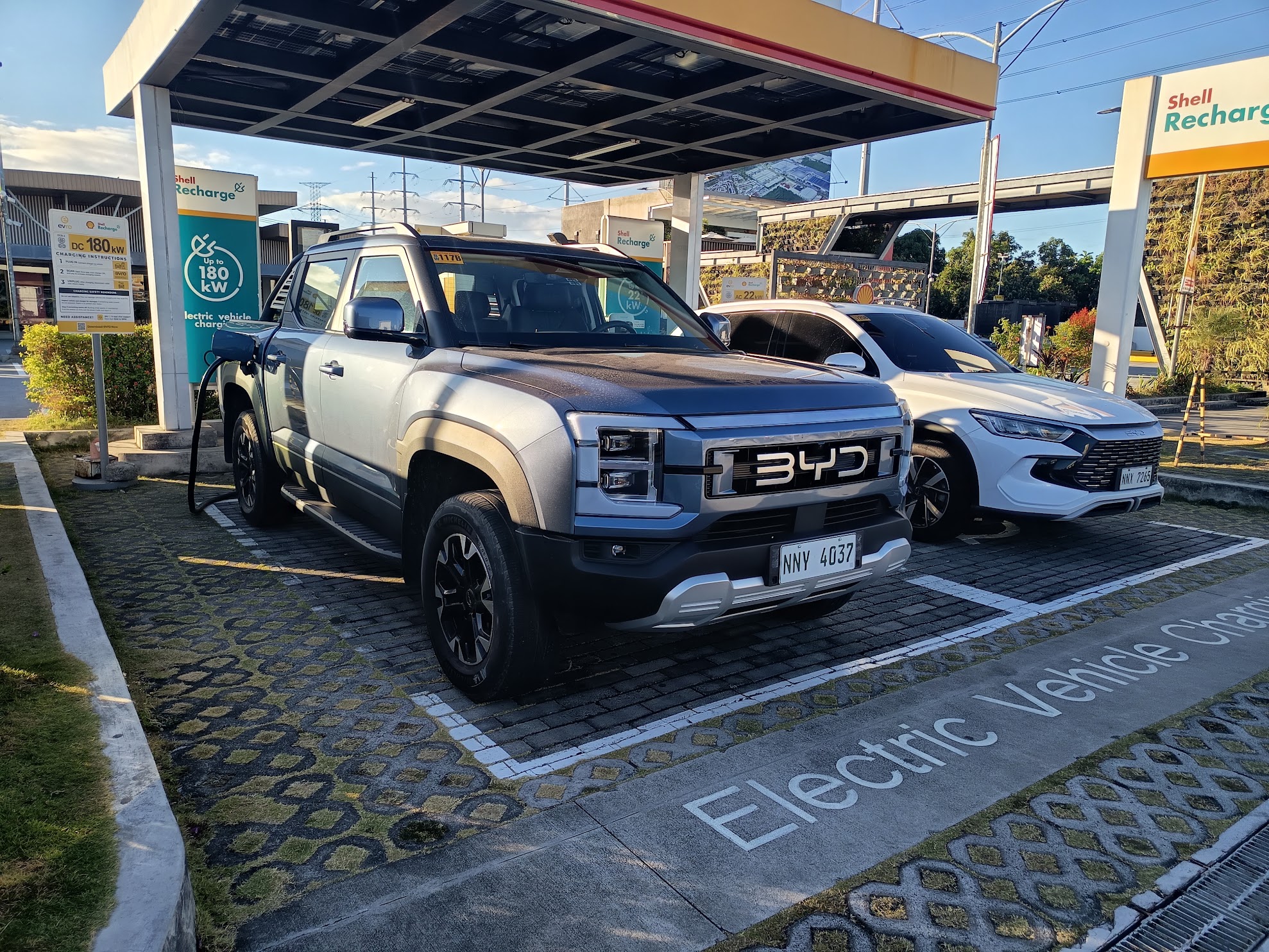
A Shell ReCharge station along a major South Luzon highway. (Photo for Cleantechnica by author)
Support CleanTechnica's work through a Substack subscription, on Patreon, or on Stripe. Help us produce all of the high-quality, original content we publish week after week despite the challenges of content-scraping AI, antisocial media, inflation, and other hurdles.
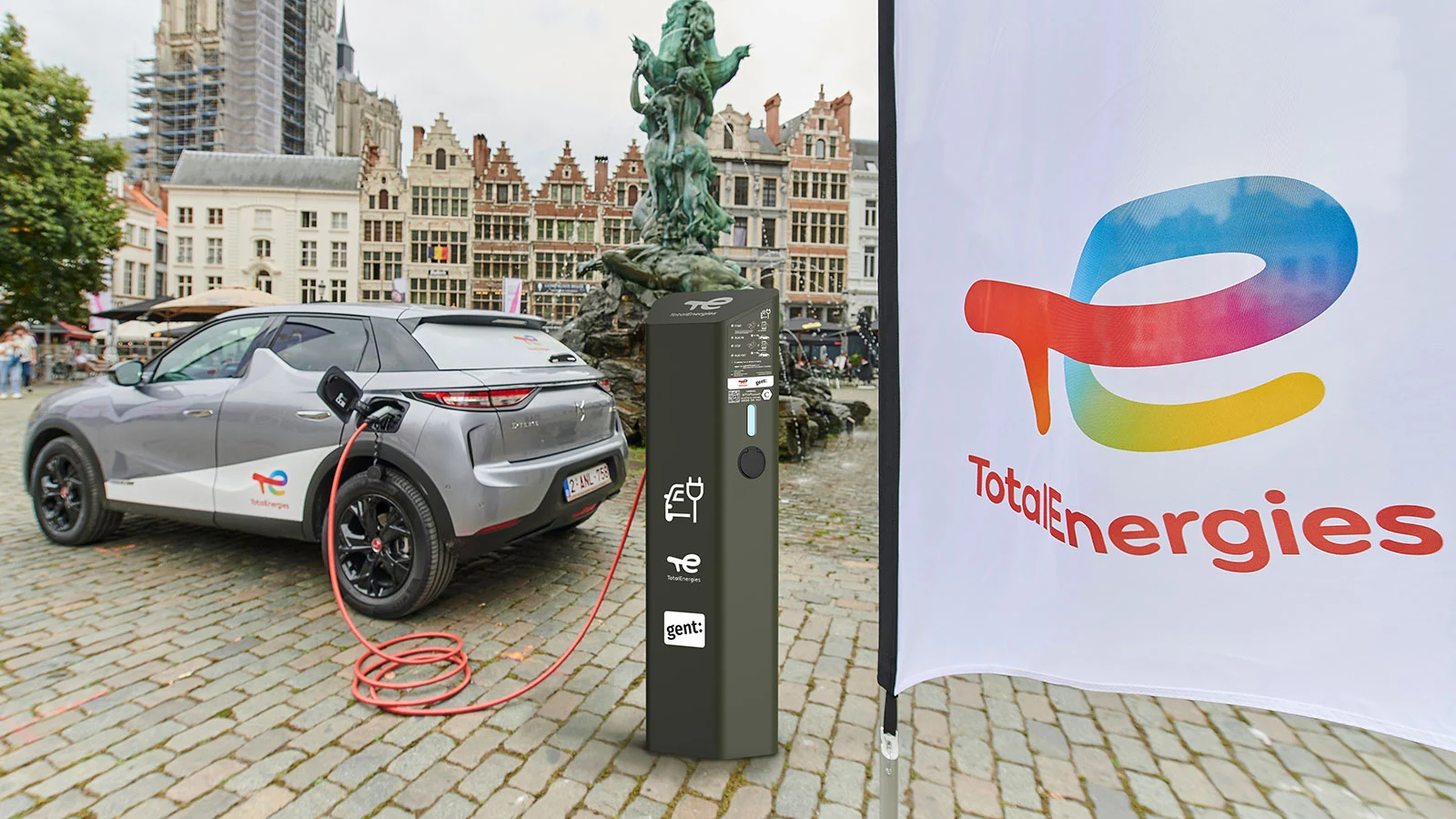
In my recent trips globally have exposed me how the traditional petrol station model is undergoing a change as major oil and power companies scramble to adapt to rapid electric vehicle adoption. In Amsterdam I saw Total which is now Total Energies, Shell has Recharge, Sinopec in China, Idemitsu in Japan, Pertamina in Indonesia, PTT in Thailand and an early initiator, Unioil in the Philippines.
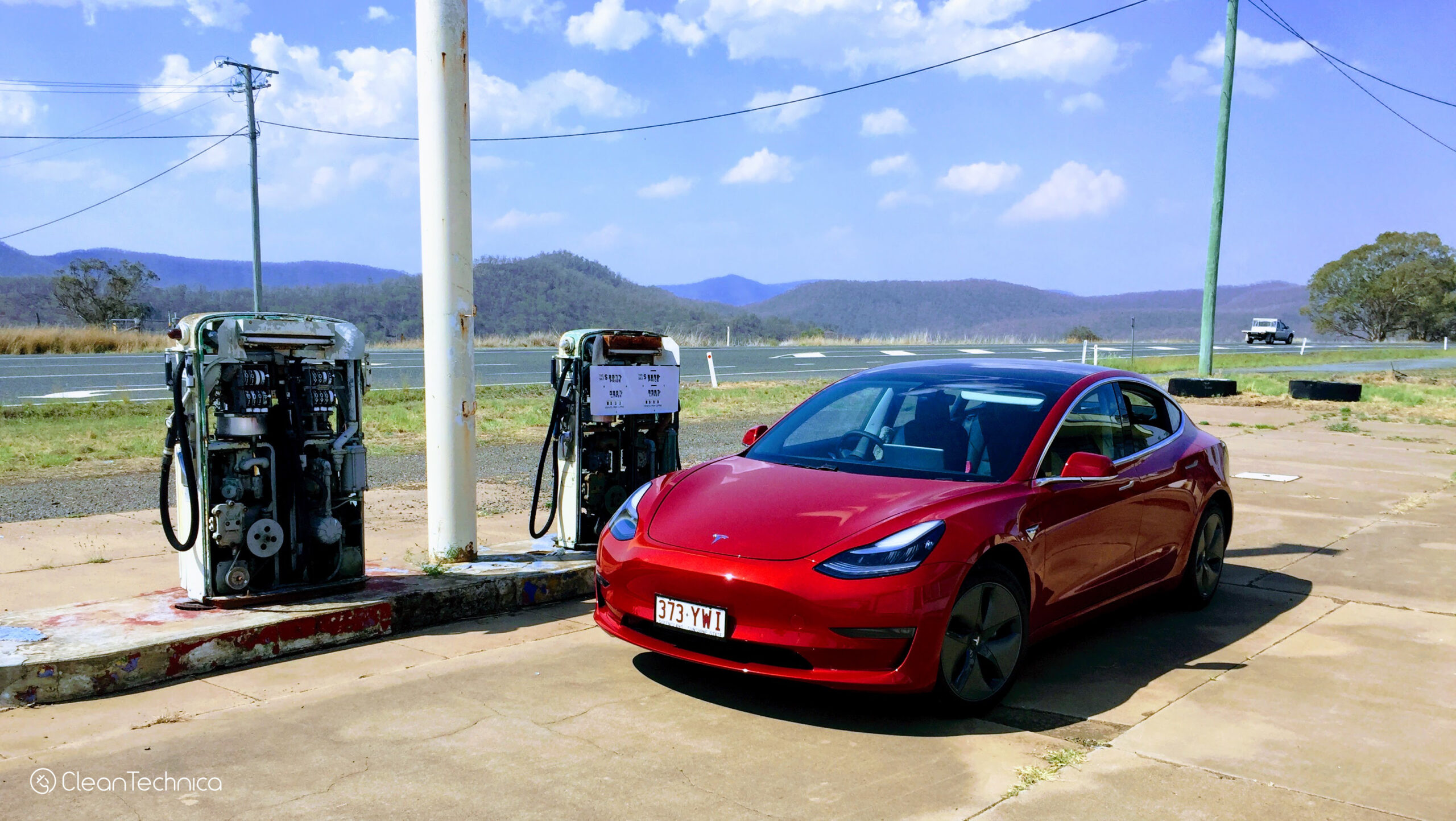
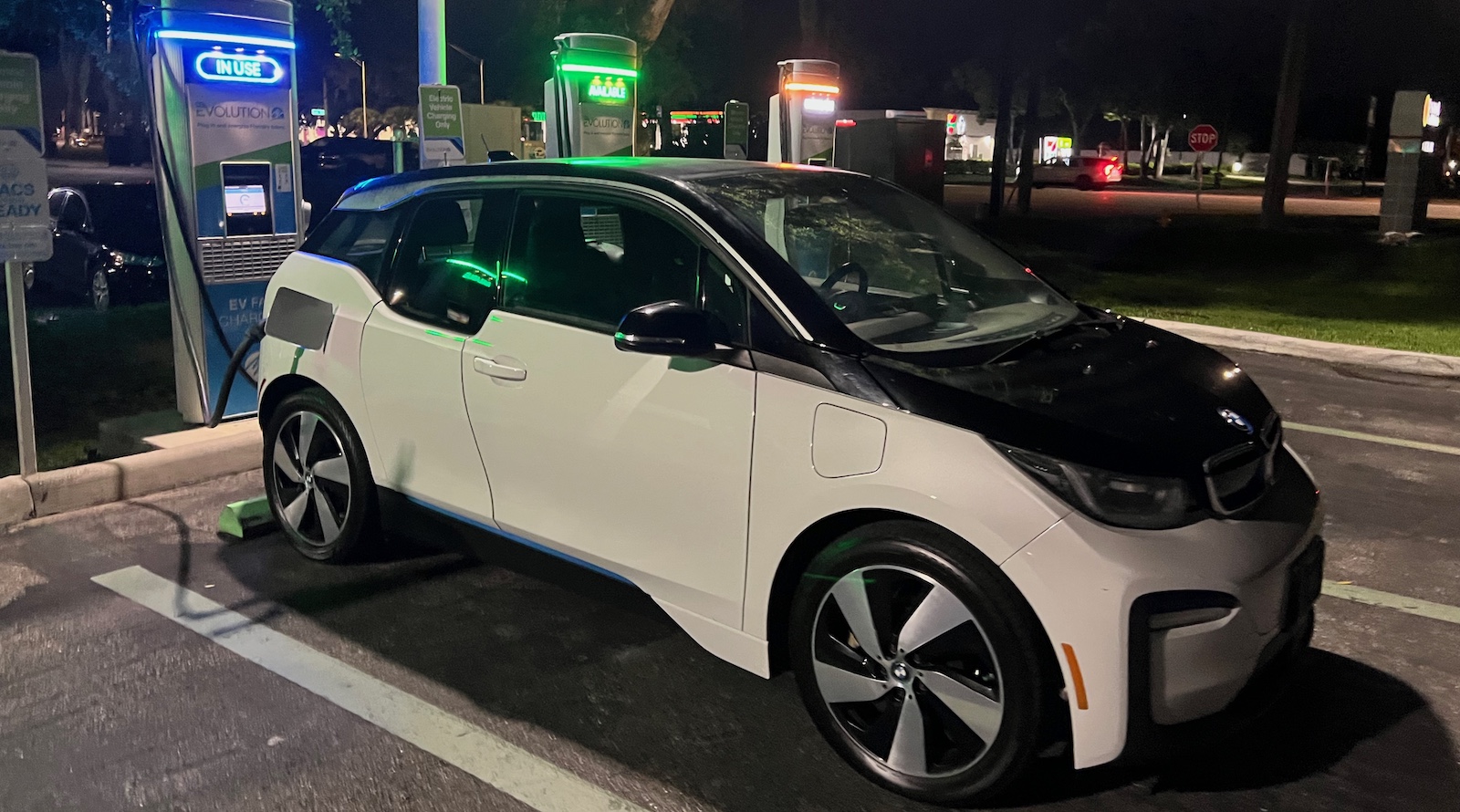
Rather than building completely new charging hubs from scratch, energy providers are capitalizing on existing, strategically located real estate by converting fuel stations into multi-modal power hubs. This trend has accelerated significantly with high-profile alliances aimed at deploying ultra-fast charging hardware directly alongside fossil fuel pumps across Europe, the Americas, and Asia.
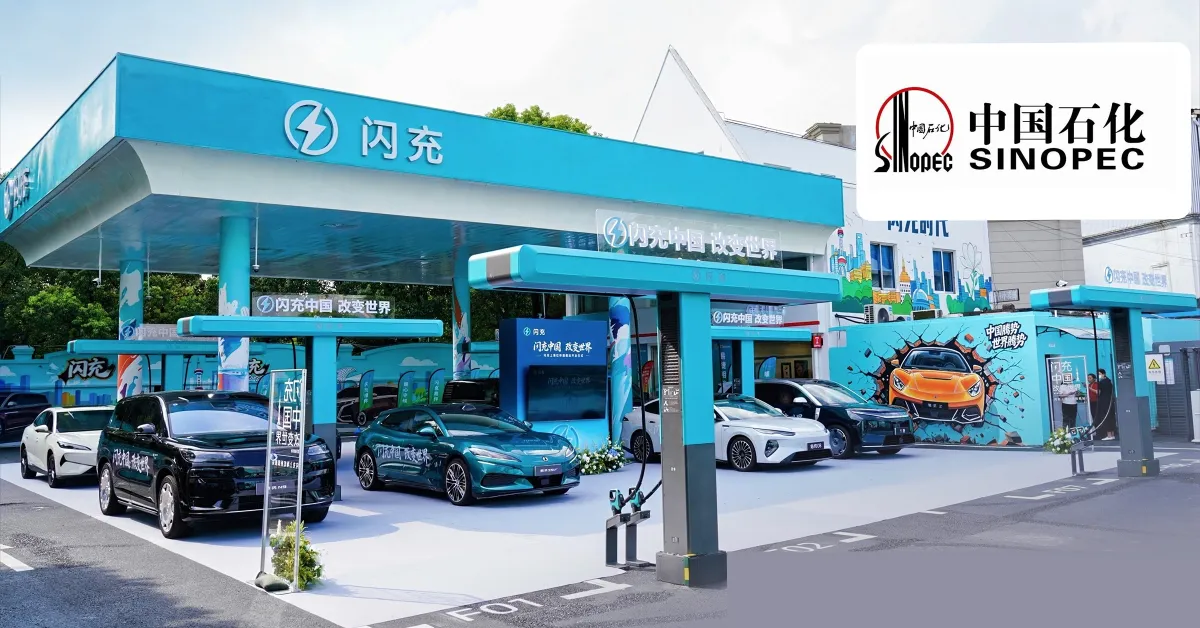
The most dramatic example of this strategy unfolded in China, where automotive giant BYD signed a comprehensive framework agreement with Sinopec, the country’s largest fuel retailer. The partnership leverages Sinopec’s massive network of more than 30,000 service stations to accelerate the deployment of BYD’s second-generation Flash Charging systems.