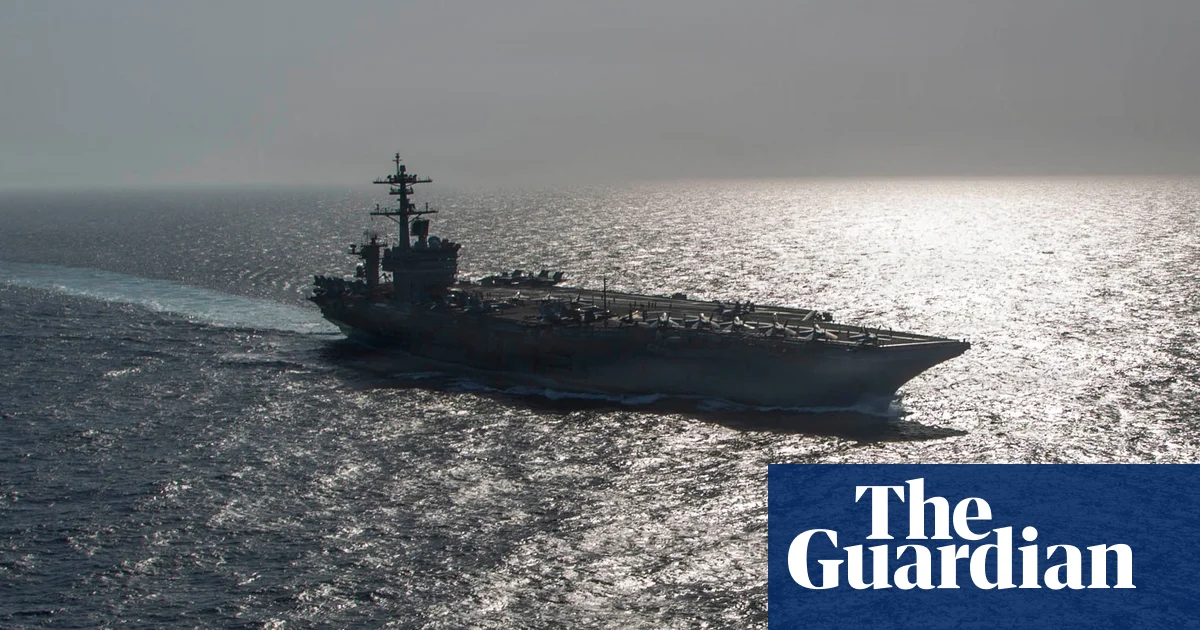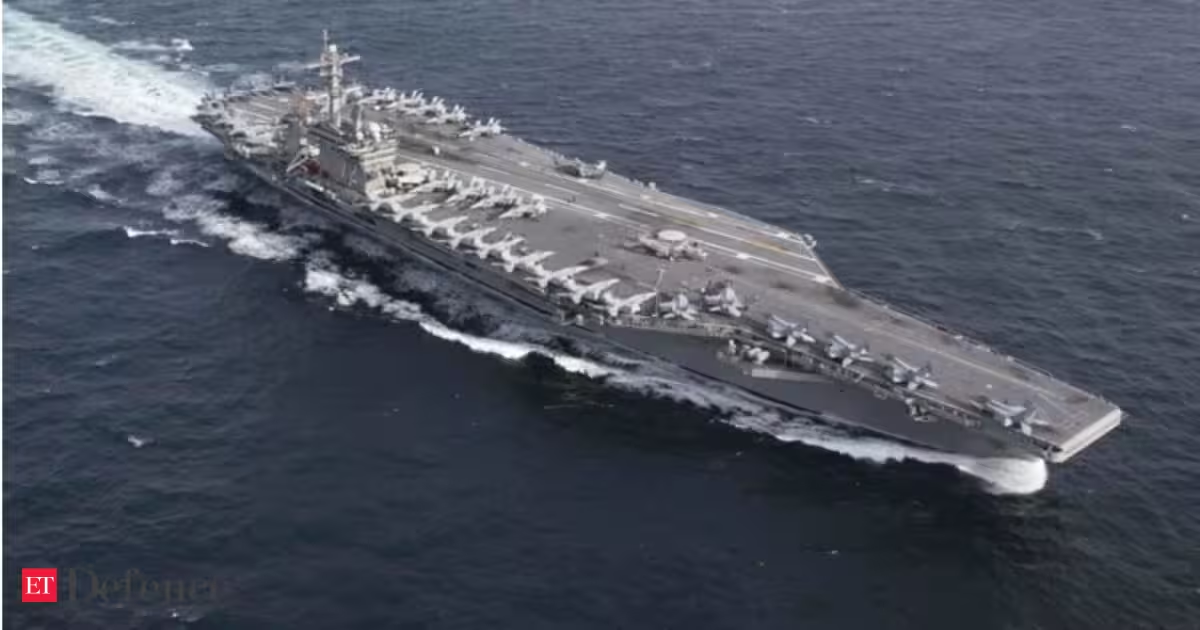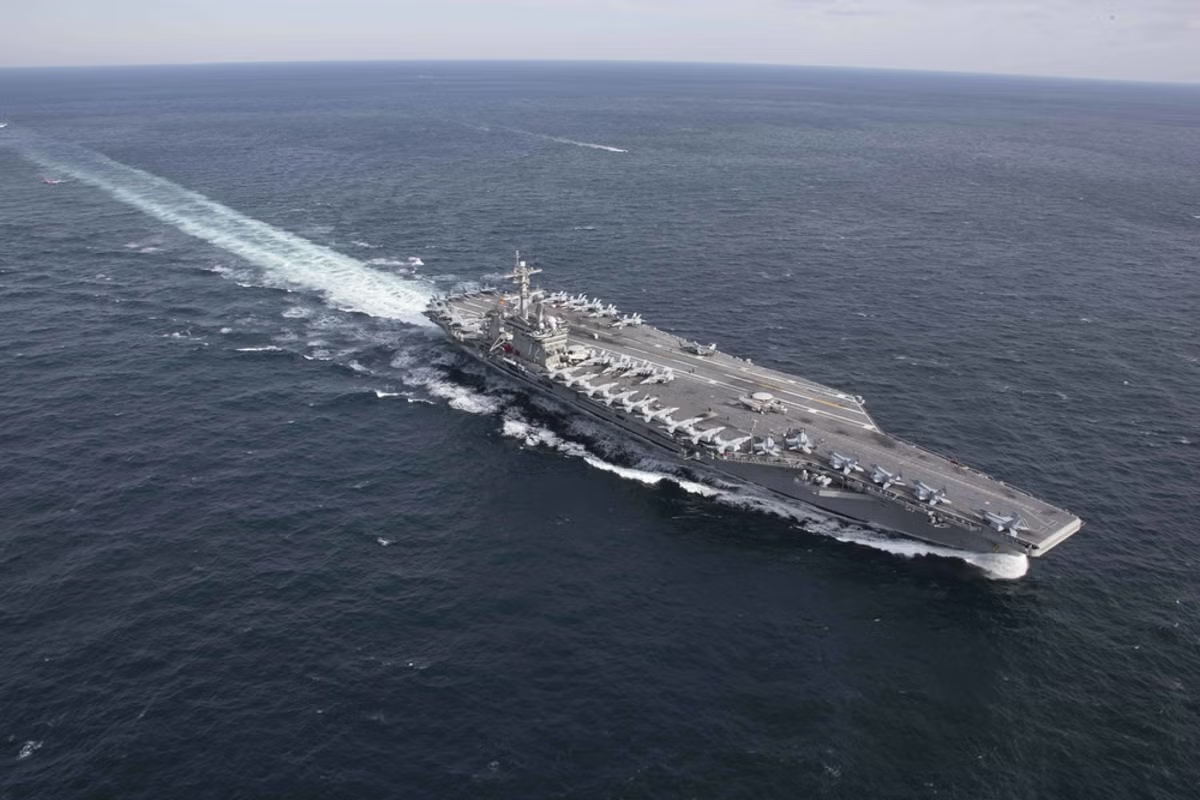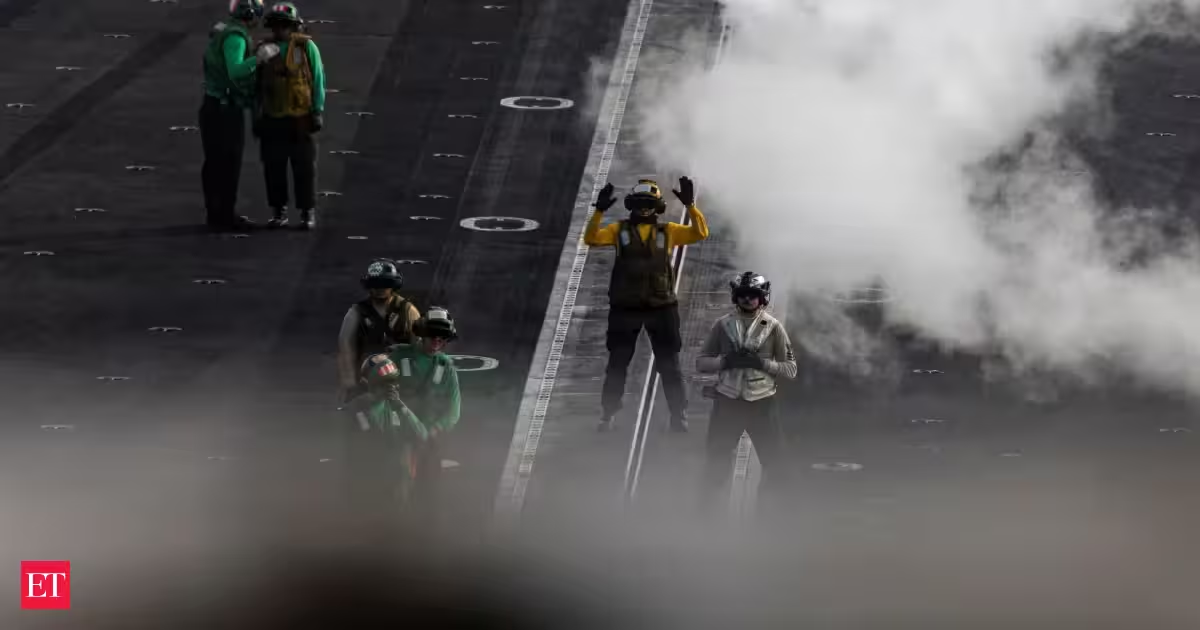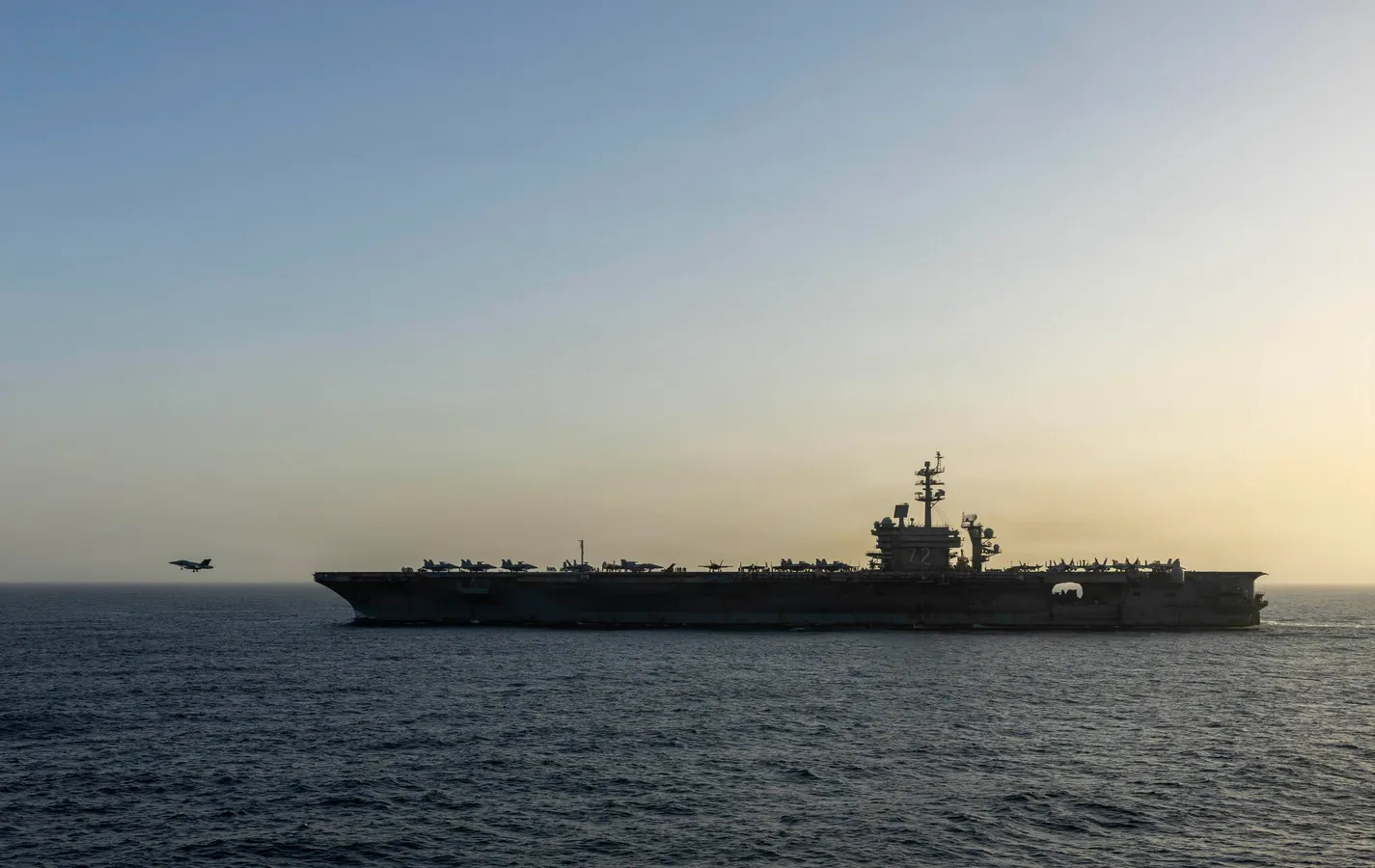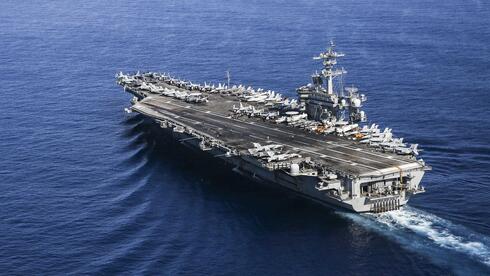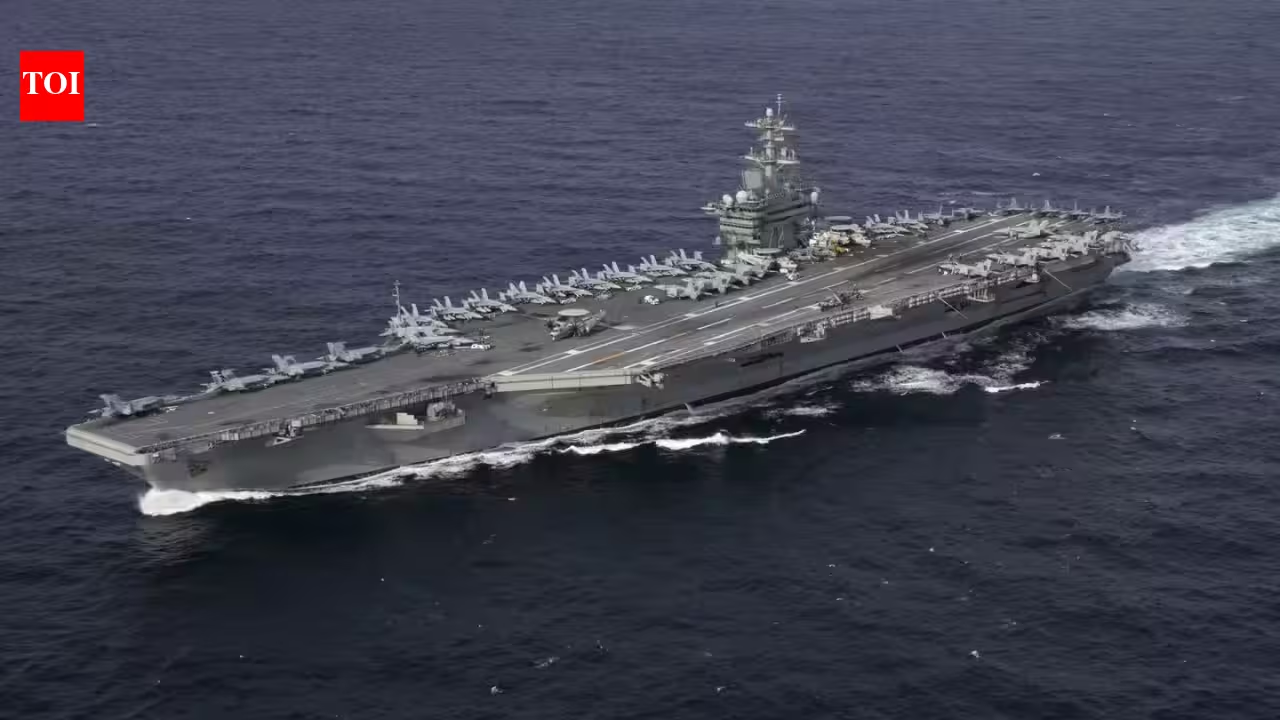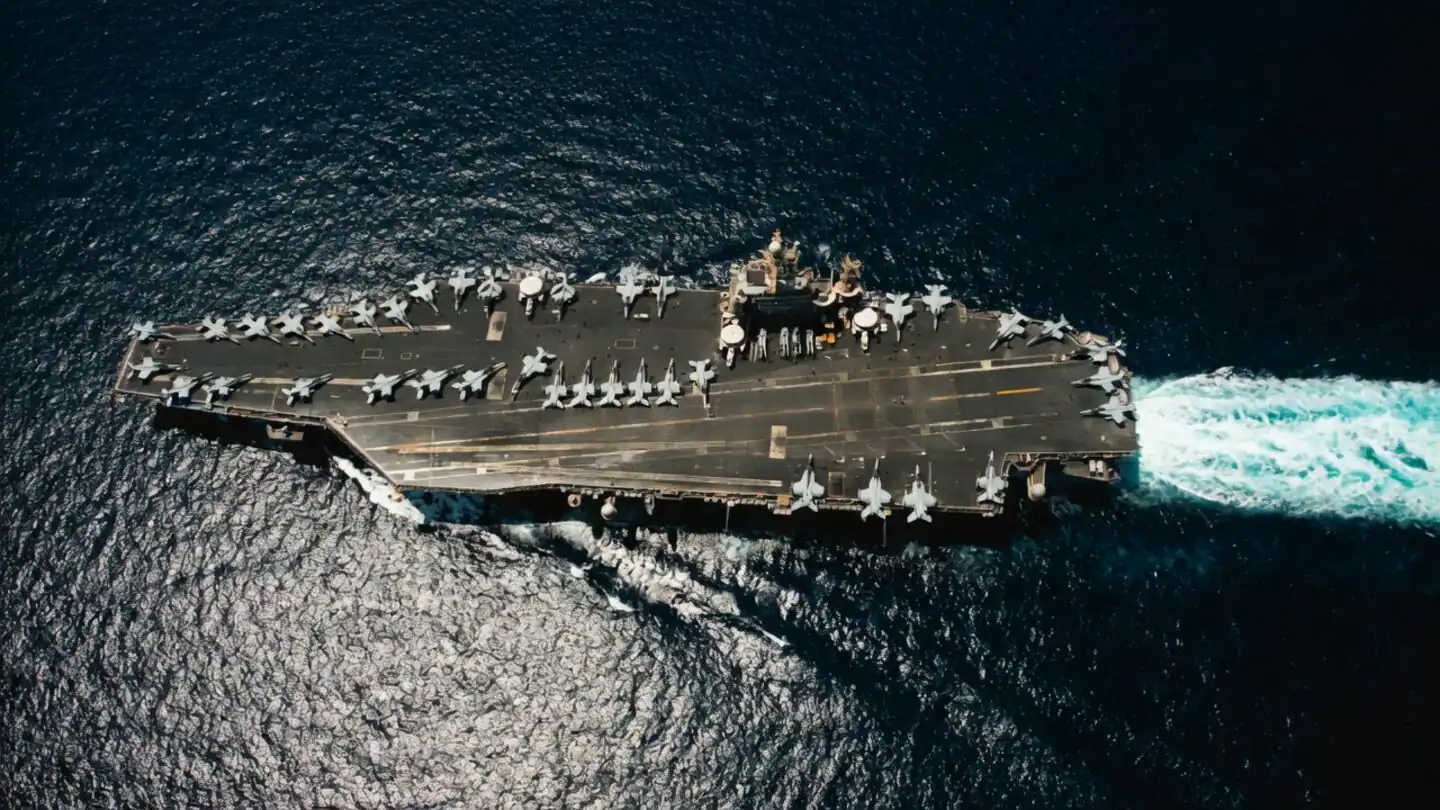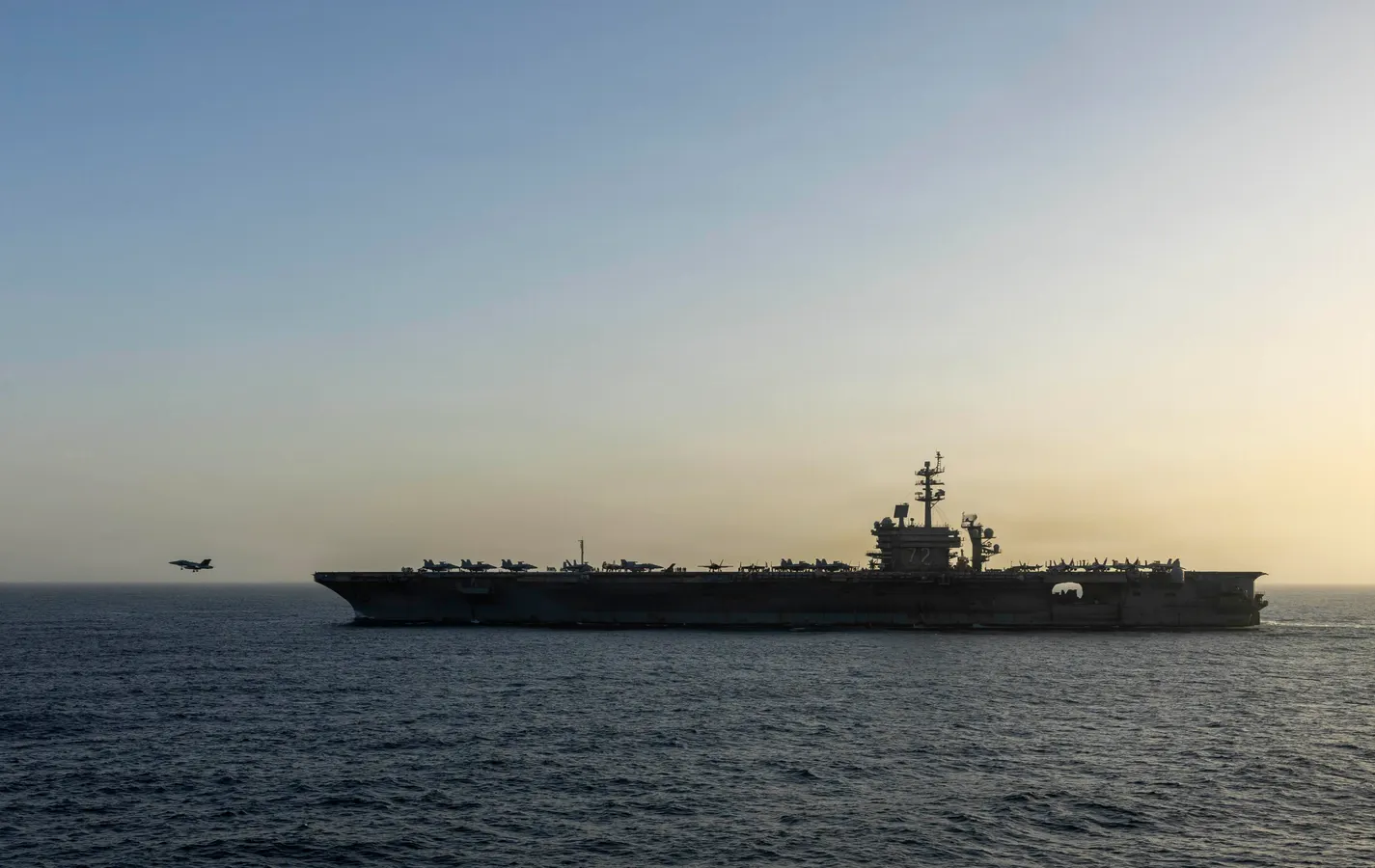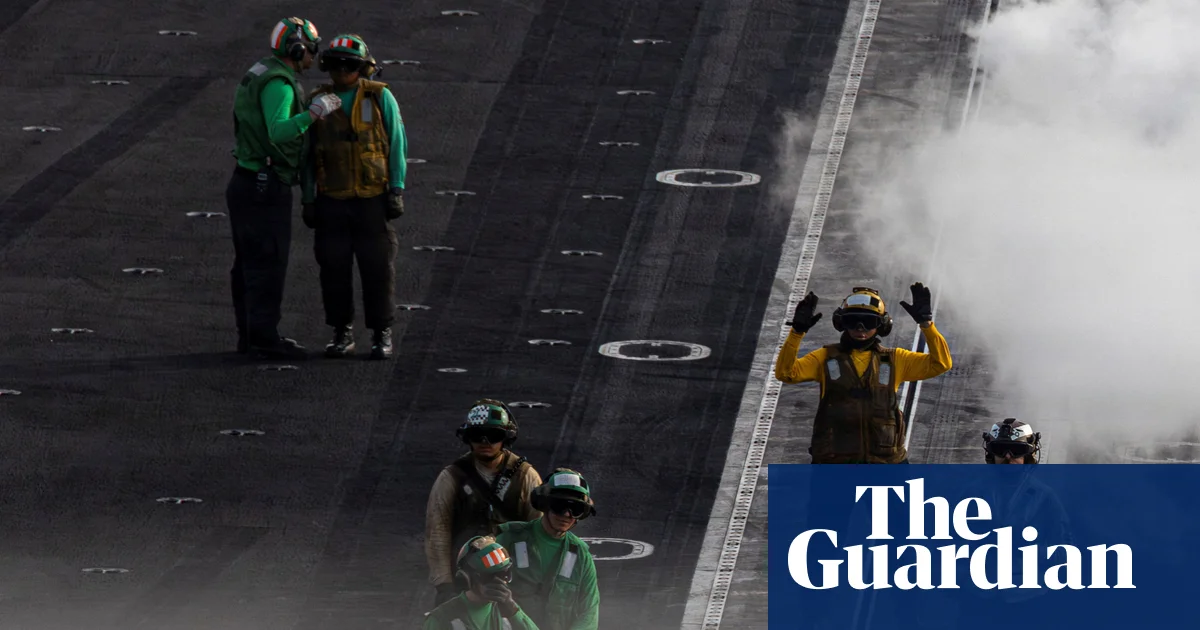
US navy veterans and military health experts are expressing concerns about the strain on sailors aboard the USS Abraham Lincoln, which has spent nearly nine months at sea supporting US operations in the Middle East, amid reports of poor living conditions and worsening mental health among its crew.The San Diego-based aircraft carrier left port on 21 November, originally bound for the Pacific, but was redirected to the Middle East as the US-Israel war with Iran began. It has now spent more than 250 consecutive days at sea without a significant port visit, with its deployment repeatedly extended.On Thursday, the Wall Street Journal reported that the US military was preparing to replace the Lincoln with the USS George Washington, as concerns mount over the conditions aboard the Lincoln.Reports by the Navy Times and Stars and Stripes this week described shortages of supplies and water as well as plumbing problems, low morale and deteriorating mental health among the Lincoln’s roughly 5,000 sailors, and further reported that there had been multiple attempts by sailors to jump overboard. The reports prompted several Democratic lawmakers to demand answers from the Pentagon.In response to the reports, a navy official told the Guardian this week that they were aware that “extended deployments place a significant strain on our service members and their families, and we are grateful for the resilience and sacrifices they make” and said that the health and wellbeing of every Lincoln sailor was a priority.“Based on information available to the command, we have not identified an increase in reported suicidal ideation or suicide attempts aboard the ship,” they said, adding that religious, medical and mental health professionals were available as part of a “comprehensive support network” that included “onboard deployment-resilience counselors and chaplains”.The official recognized that the war had disrupted traditional supply hubs, but added that “current reports from the ship confirm continuous access to clean water, functional AC and healthy meal options”.On Thursday, Pete Hegseth claimed that the conditions aboard the Lincoln had been “completely misrepresented”.“We make sure that every ship, every crew, every captain has everything we can provide them at every single moment,” the US defense secretary told reporters. “Some deployments are longer than others, and I have more respect and gratitude for those sailors than anybody.”Military experts said on Friday that prolonged deployments, particularly without coming ashore, can place increased strain on both the crew and the ship itself, and noted that extensions can also take a psychological toll by leaving sailors uncertain about when they will return home.Armen Kurdian, a retired US navy captain, who served aboard the Lincoln in 2005, described the carrier as a “giant floating city” with about 5,000 people aboard.“You’re feeding people 15,000 meals per day, you’ve got TV stations, communications,” he said. During his deployment, he said, he took a graduate-level business class remotely, while other sailors found different ways to occupy their downtime.“There’s always something to do,” he said, although he added that life aboard was “certainly high-ops tempo and highly stressful at times”.Sailors live in close quarters, he said, with junior enlisted personnel sleeping in open bay barracks. Kurdian recalled some plumbing problems, including broken toilets, during his deployment, and said that things becoming rusty, dirty or broken can have a “kind of depressing impact on you”.“Things break on a ship,” he said. “You’re in the middle of the Gulf, you’re operating, you’ve got aircraft smacking down on decks repeatedly, hundreds of times per day, and that rattles the ship. There’s never a time when you’re on the ship and everything’s going to be working perfectly. But the question is, [is] it happening a lot?”Kurdian said that what surprised him about the Lincoln’s current deployment was not its length, but the amount of time the crew had gone without a significant port visit.“That will take a toll on people when you don’t get to stand on dry land for a while,” he said.Robert Murrett, a retired US navy vice-admiral, said that a typical aircraft-carrier deployment is closer to six months and normally includes port visits that allow sailors to rest and spend some time away from the ship.The Lincoln, Murrett said, “has had none of that since they left San Diego last November”.“They’ve been under way for that very, very long period of time, approaching nine months, and they’ve also been under combat conditions for much [of it] because of their time in the Middle East,” he said. “That’s very, very tough on a crew.”Murrett described life aboard an aircraft carrier as “tough”, calling it a “huge, compressed environment”, where there is “a lot of stress” and it can be a “very dangerous environment”.Earlier this year, the USS Gerald R Ford aircraft carrier returned home after a 326-day deployment, marking the longest US carrier deployment since the Vietnam war. That deployment had reports of a fire and complaints about food shortages.Nancy Lacore, a three-star navy rear admiral who served in the navy for 35 years, said in a statement that during her first deployment, she was “operating in that same region as the USS Abraham Lincoln”.“Just like those sailors, when we left our home port on deployment, we knew when we were supposed to come home,” said Lacore, who was ousted by Hegseth in August during his purge of senior US military officials and who is now running for Congress in South Carolina. “We had an end date, and we were counting down to it.”“Then something changed in the region and just as we thought we were heading home, our ship turned around and went back to the Gulf,” she said. “I still remember how mentally crushing it was to realize the date you’ve been holding onto is gone.”People aboard the Lincoln, she said, have “experienced that uncertainty repeatedly”.“Our Sailors are tough and resilient,” she added. “But their resilience shouldn’t be taken for granted or used as an excuse to keep asking more of them without a clear end in sight.”Terri Tanielian, a senior behavioral scientist who has studied deployments and their impact on troops and families, said that prolonged separations are difficult, but that uncertainty over when a deployment will end can make the strain worse.“When families know what they’re planning for, or when an individual knows what they’re planning for … then that is an expectation that they can set themselves up to manage,” she said.But when those expectations change unexpectedly, she said, “like we saw, for example, in 2008, 2009 and 2010 timeframes, and with the deployments there, where we had to keep people for longer, we also saw some increases in the mental strain that the units were facing”, referring to both troops and their families.Responding to the reports about the conditions aboard the Lincoln, Tanielian said it was “heartbreaking to think about the struggles that folks are facing and to feel that they’re kind of feeling that desperate and isolated and perhaps not supported”.Support, she said, needs to extend beyond just ensuring access to psychological support: “It’s also about, are they getting enough sleep? Are they getting reset opportunities? Are they getting the opportunity to exercise? How are we helping them maintain their overall wellbeing?”
US navy veterans and military health experts express concern over USS Abraham Lincoln sailors
Prolonged deployment is coupled with reports of water shortages, plumbing issues and attempts to jump overboard
1,188 words~5 min read