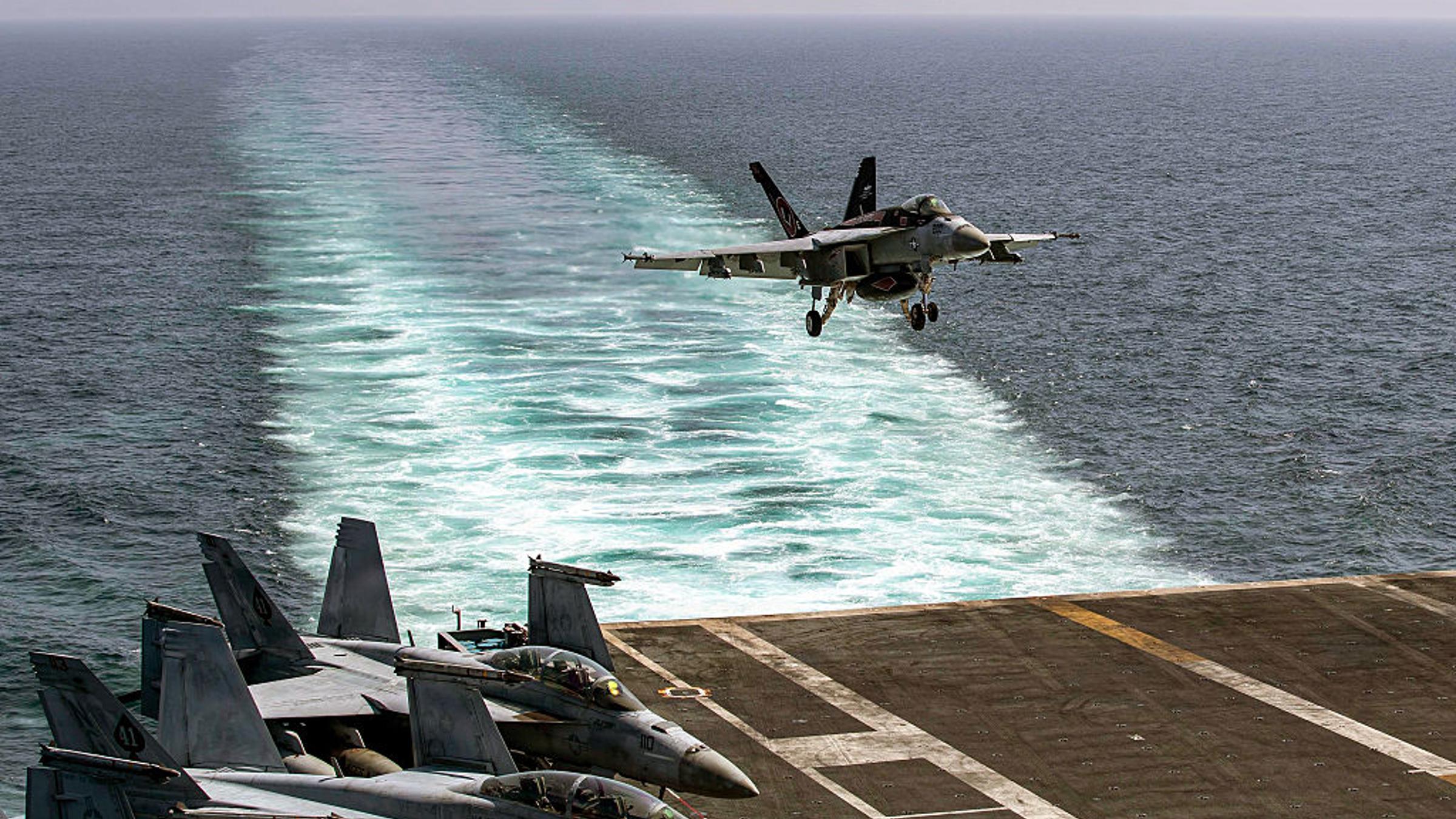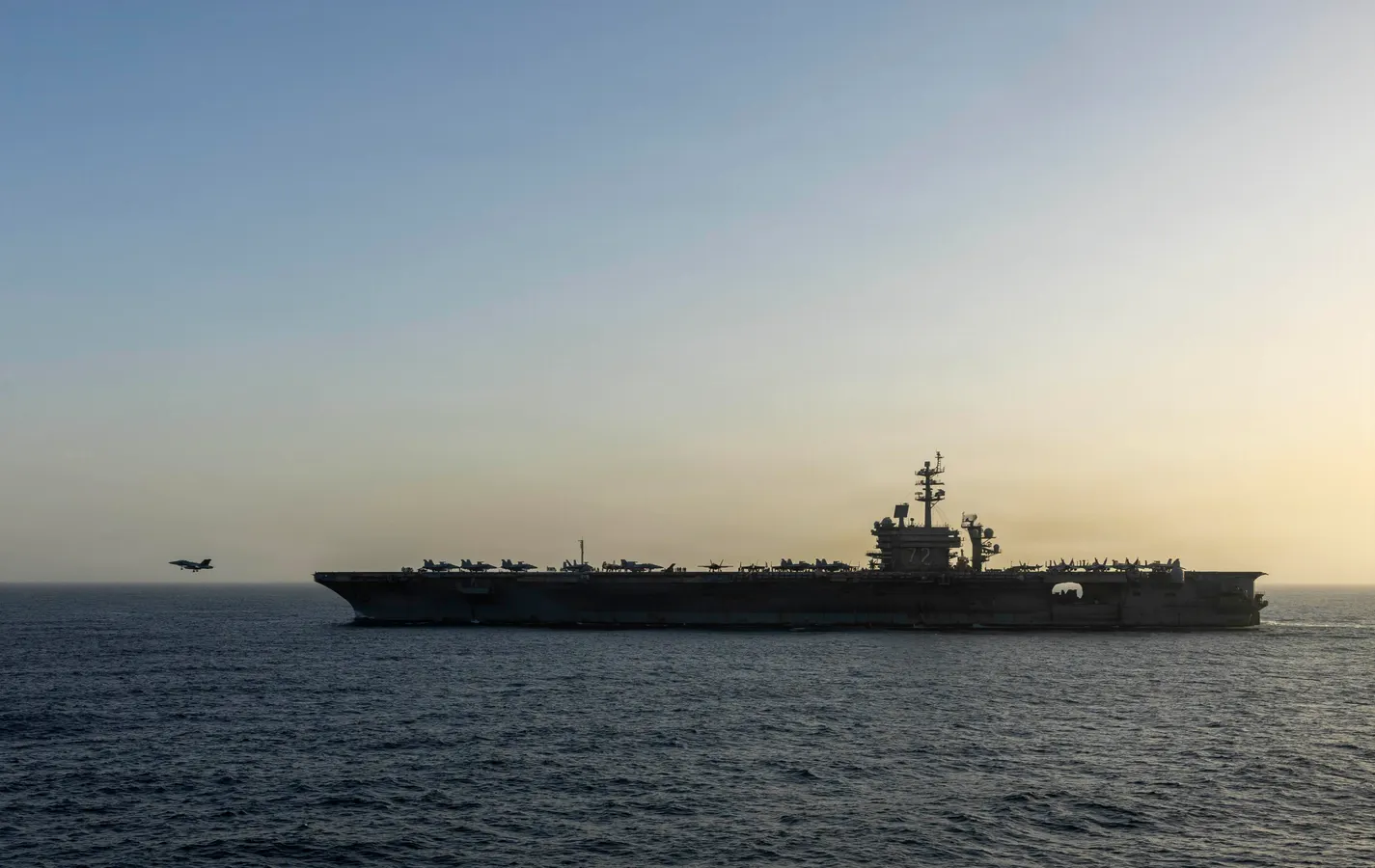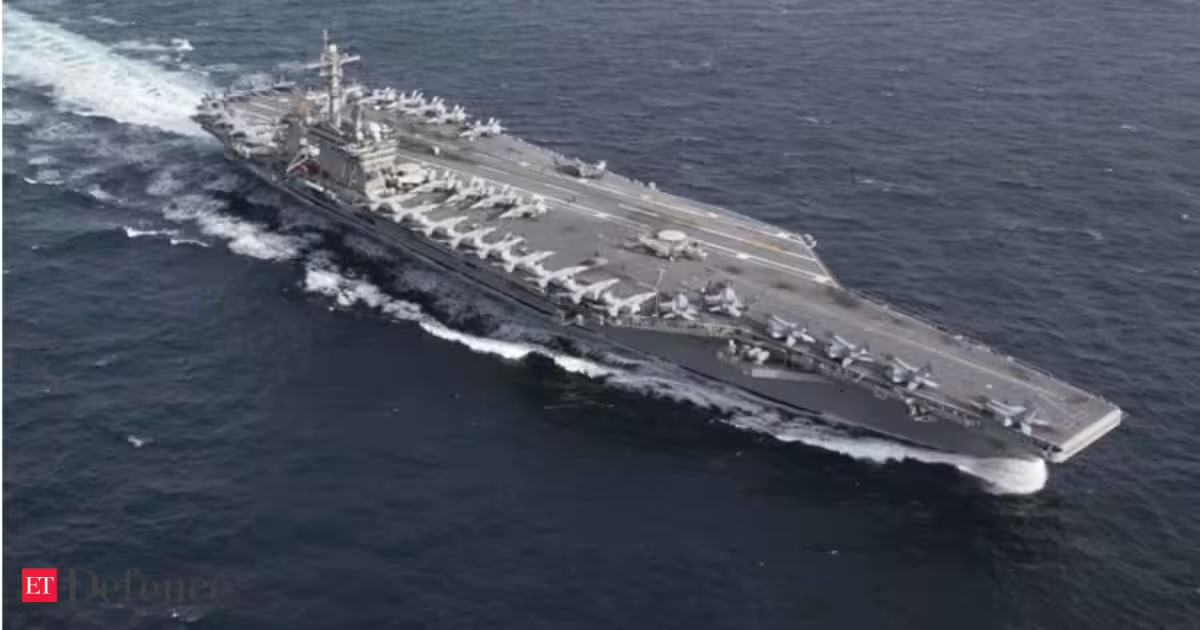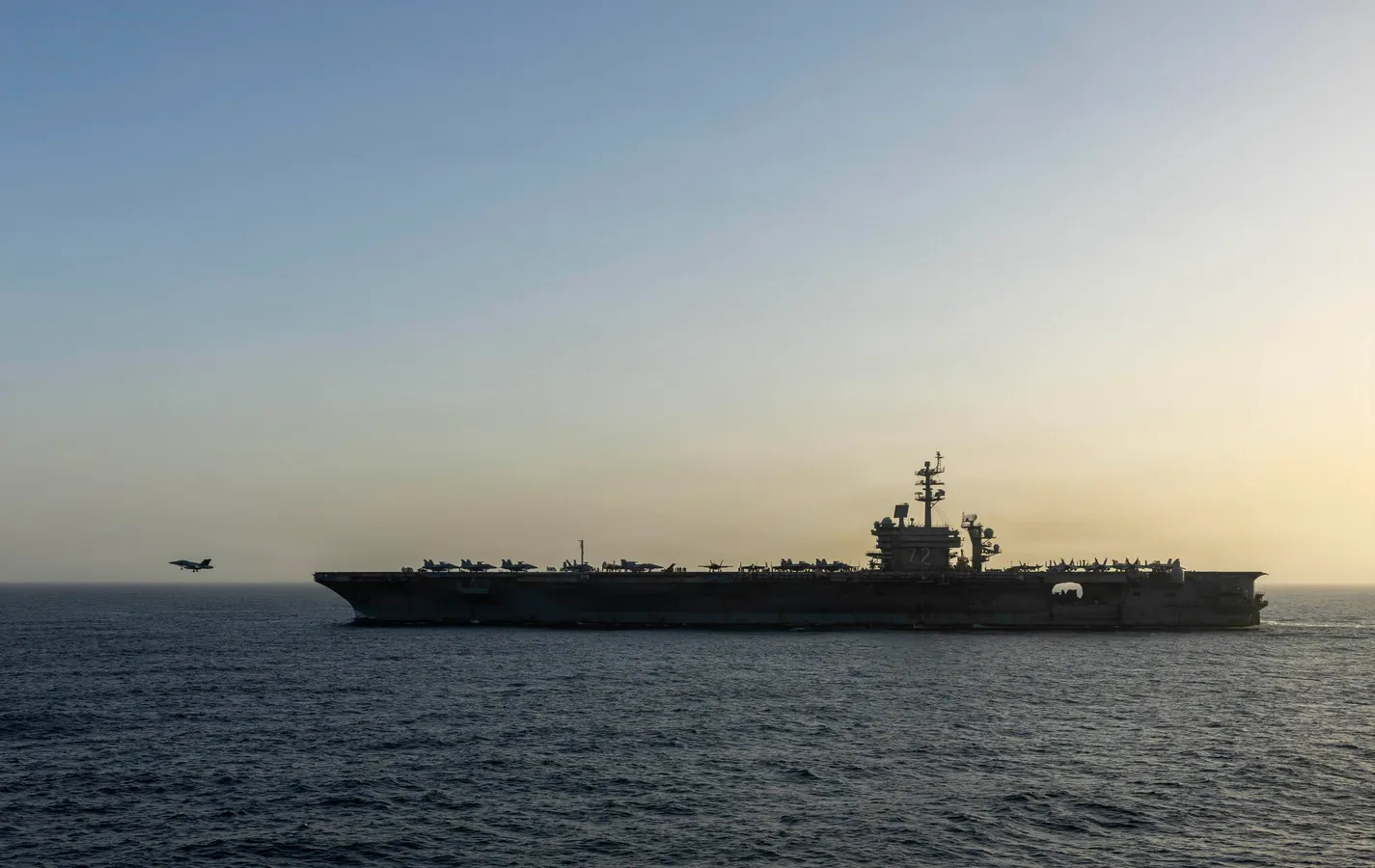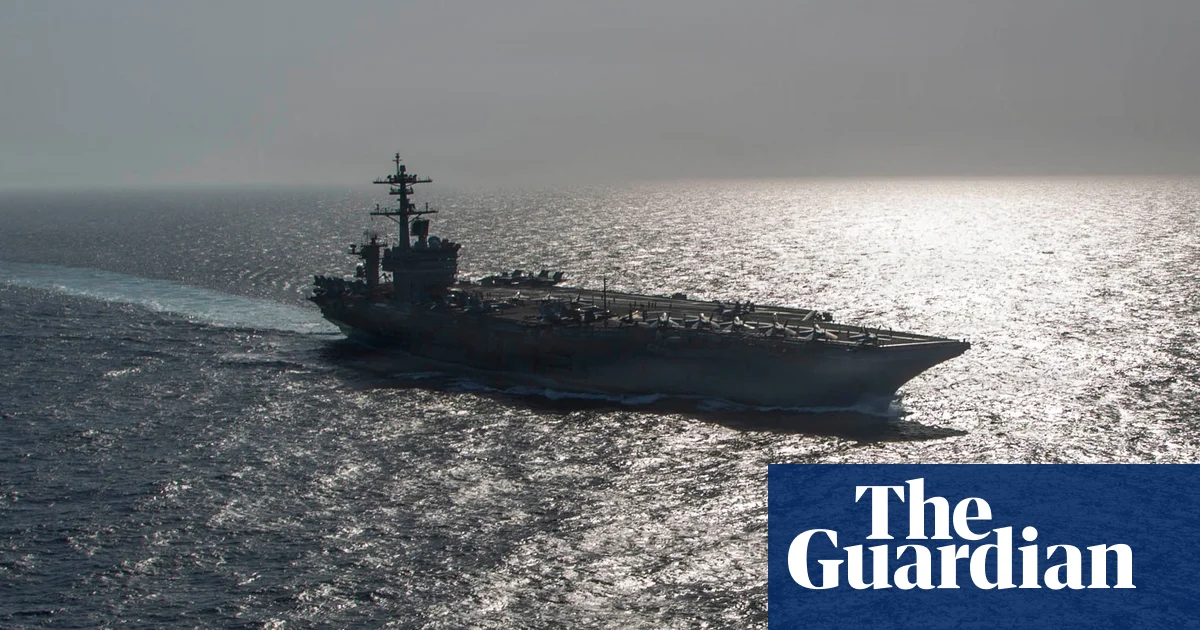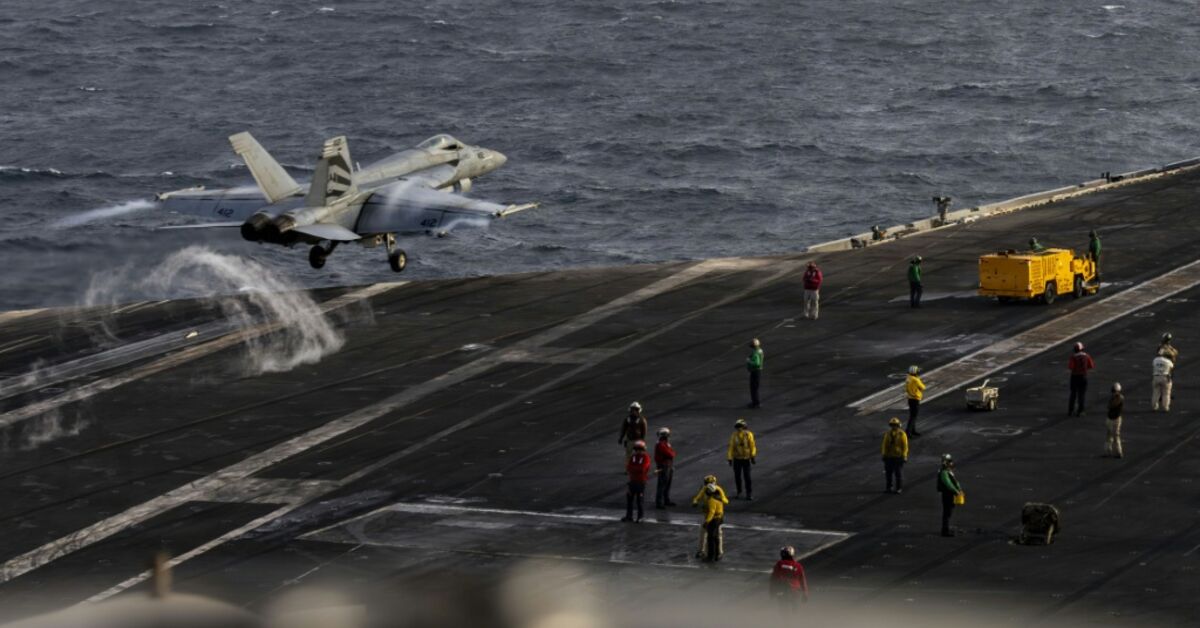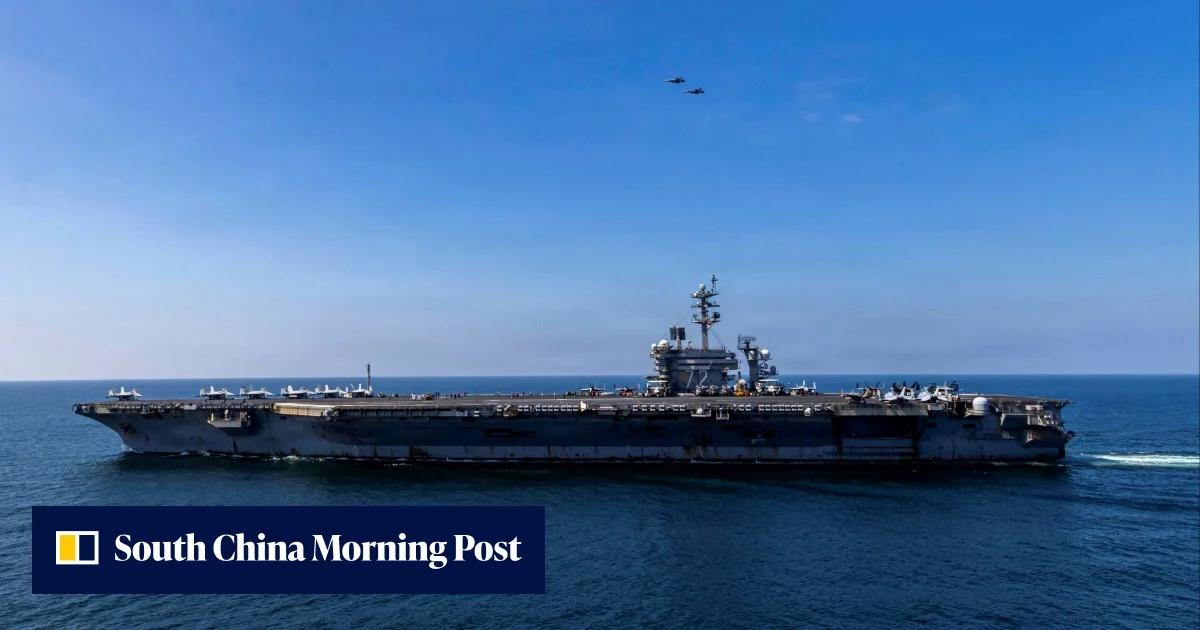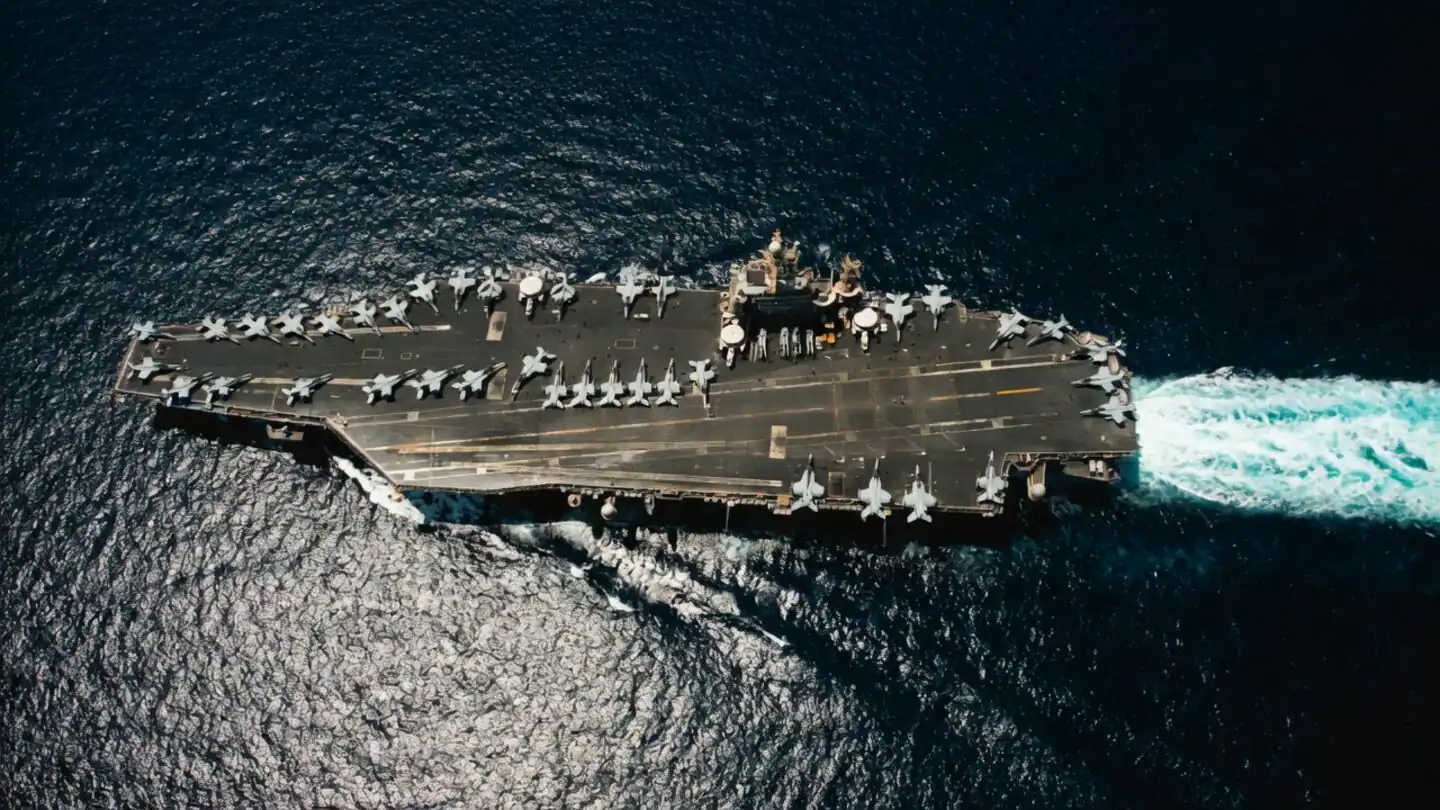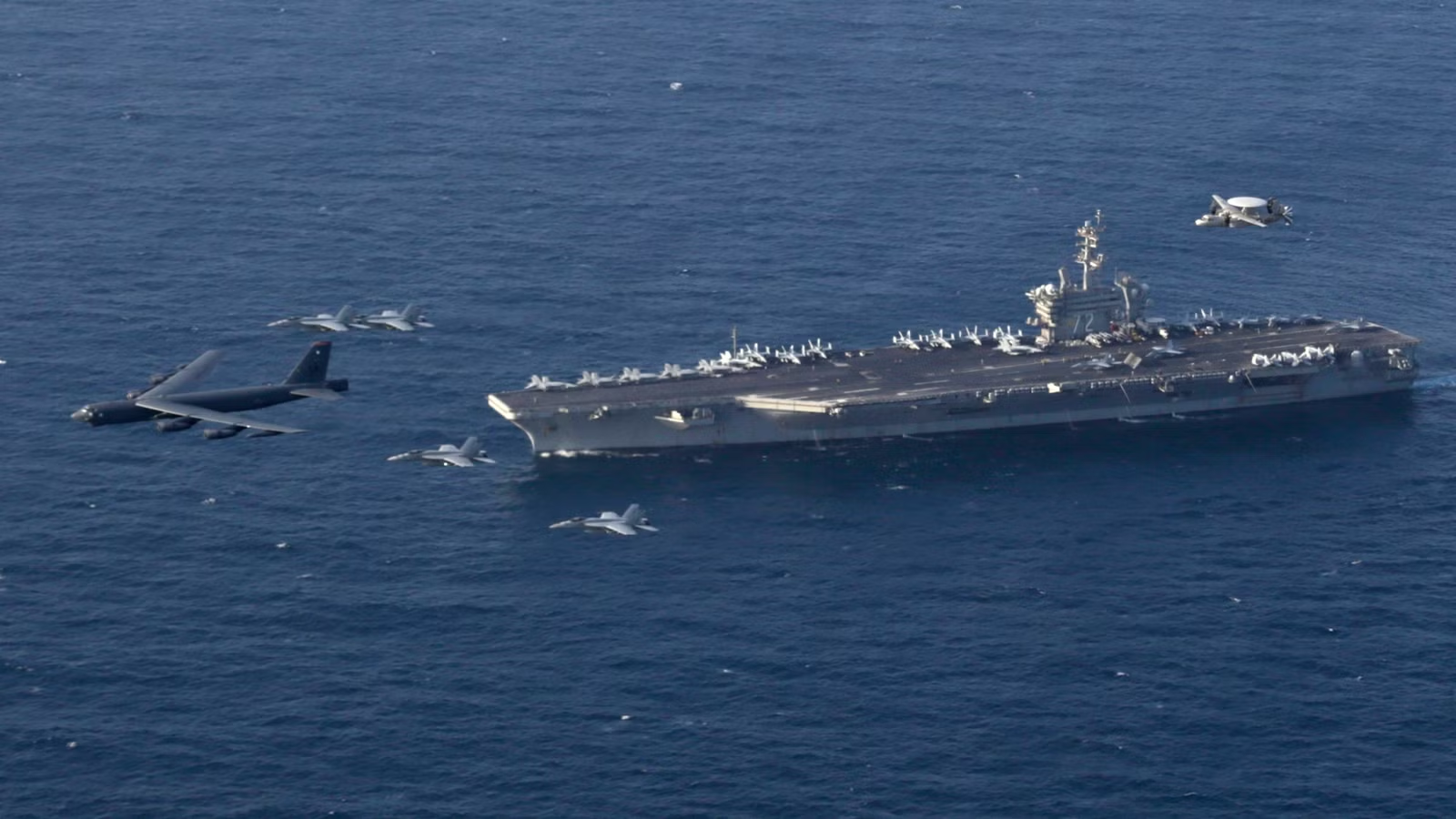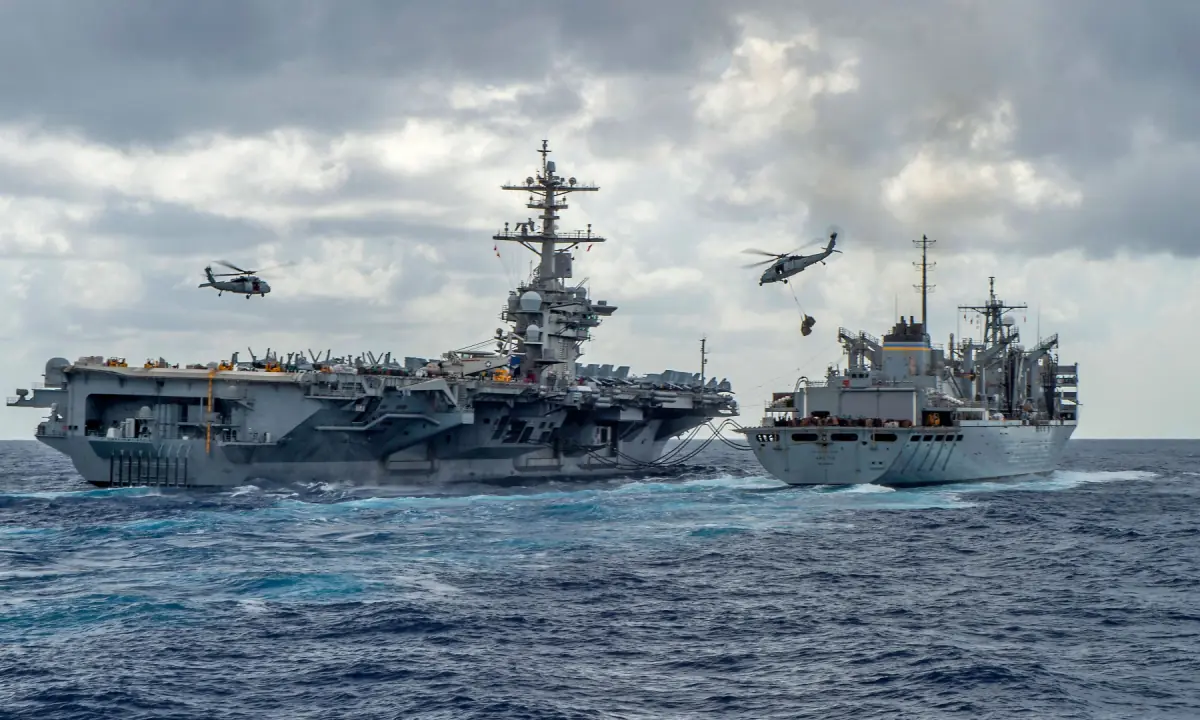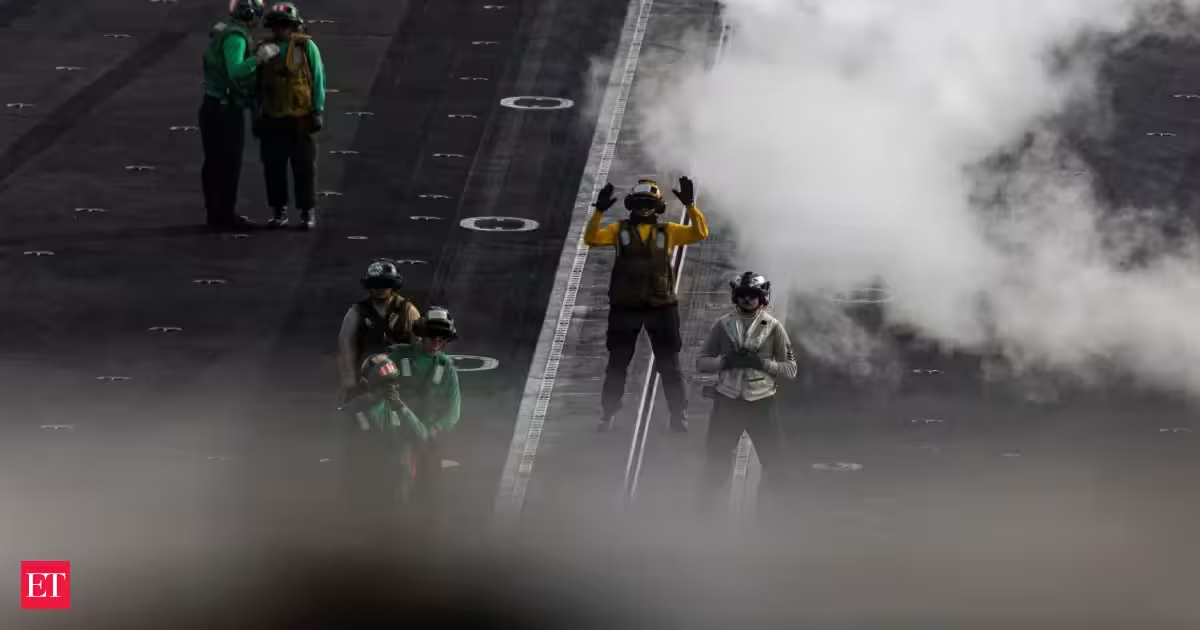
For the roughly 5,000 sailors and Marines aboard the USS Abraham Lincoln, the war with Iran has meant something more than combat operations in distant waters. It has also meant months of living inside a floating military city with little opportunity to step ashore, while the ship continues to operate at a wartime tempo.The aircraft carrier has now spent more than 250 days deployed and about 200 consecutive days without a port call, according to Connecticut Sen. Richard Blumenthal, who has pressed the Pentagon over reports of worsening living conditions and mental-health concerns aboard the ship.The controversy comes as the US prepares to send another carrier, the USS George Washington, toward the Middle East to relieve the Lincoln. The rotation was reportedly planned before the latest concerns emerged, but its timing has intensified scrutiny over how much strain the Navy can place on crews while sustaining a prolonged war.From a routine deployment to a prolonged wartime missionThe Abraham Lincoln left California in November 2025 on what was initially a scheduled deployment. It was subsequently redirected toward the Middle East in January 2026 as the US prepared for its conflict with Iran.According to The Wall Street Journal, the carrier and its embarked aircraft became important to Operation Epic Fury, the US bombing campaign against Iran, and later took part in the blockade of Iranian ports. Its deployment, originally expected to end in May, was repeatedly extended.That has produced an unusually long stretch at sea. Blumenthal's August 12 letter to Defense Secretary Pete Hegseth and Acting Navy Secretary Hung Cao said the Lincoln had gone 200 days without a port call, which he described as a record for consecutive days at sea.Families and lawmakers describe a ship under strainReports from military publications, cited by the BBC, have described concerns ranging from shortages of hygiene products and food to malfunctioning plumbing, laundry disruptions and mental-health problems.Blumenthal's letter listed allegations of basic-supply shortages, water contamination, plumbing problems, deteriorating mental health, deck-safety concerns and disruptions to the mail system. He said some care packages had reportedly been lost or delayed for months.California Rep. Mike Levin separately highlighted allegations of mold in showers, broken toilets, extended periods without hot water and shortages of basic toiletries.Some of the most serious reports concern sailors' psychological wellbeing. Navy Times reported that families had said multiple sailors aboard the Lincoln had attempted to go overboard or considered doing so. The Navy has not provided a precise number of alleged incidents.The BBC also reported, citing two unnamed officials, that a sailor went overboard, recovered by helicopter and received medical treatment before being transferred off the ship. The circumstances remain under investigation.The Pentagon says the situation has been misrepresentedDefense Secretary Pete Hegseth rejected reports portraying the carrier as being in severe distress. Speaking to reporters in Panama on August 13, Hegseth said reports about conditions aboard the Lincoln had been “completely misrepresented” and defended the sailors operating under extended and austere conditions.Reuters reported that he stressed the Pentagon's commitment to providing ships and crews with what they need during deployments. The Navy has similarly disputed some of the claims.A Navy official told the BBC that officials had not identified an increase in reported suicidal ideation or suicide attempts aboard the ship. The service said combat operations had disrupted some traditional supply hubs and that it was prioritising deliveries, with food ahead of hygiene supplies and mail.The Navy also said current reports from the carrier indicated continued access to clean water, functioning air conditioning and healthy meals.USS George Washington is now moving westThe USS George Washington, a Nimitz-class carrier based in Japan, has been operating in the Pacific and was reported moving through the Strait of Malacca this week. USNI News reported on August 13 that the George Washington Carrier Strike Group was in the strait as it headed west.The carrier is expected to replace the Lincoln in the Middle East under a previously planned rotation. The Wall Street Journal reported that the rotation had been arranged before concerns about conditions aboard the Lincoln became public.But strategically, moving another carrier toward the Middle East also illustrates the pressure created by a prolonged Iran conflict.The George Washington has been an important US naval asset in the Indo-Pacific. Sending it toward the Middle East means the Navy must balance its wartime requirements there against its continuing need to maintain a military presence in Asia.
5,000 sailors, 250 days at sea, food shortages and mouldy showers: Reported jump attempts raise alarm aboard USS Abraham Lincoln as USS George Washington prepares to replace it
Sailors of the USS Abraham Lincoln have faced an arduous deployment, surpassing 250 days with over 200 days at sea without making port calls. Reports indicate a troubling situation marked by supply shortages and growing mental health issues among the crew. However, defense officials deny such severe distress, claiming misinterpretations of the conditions.
729 words~3 min read