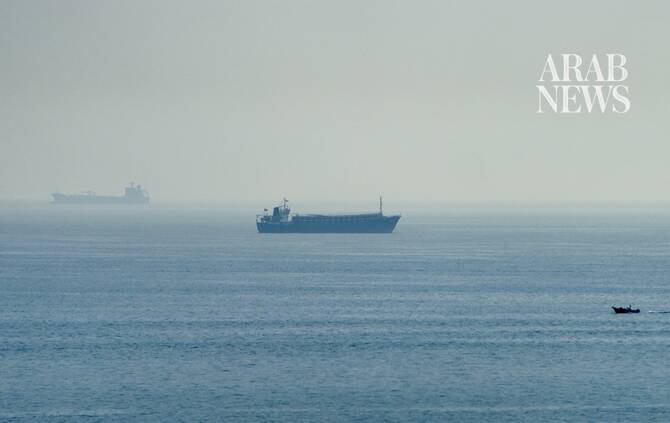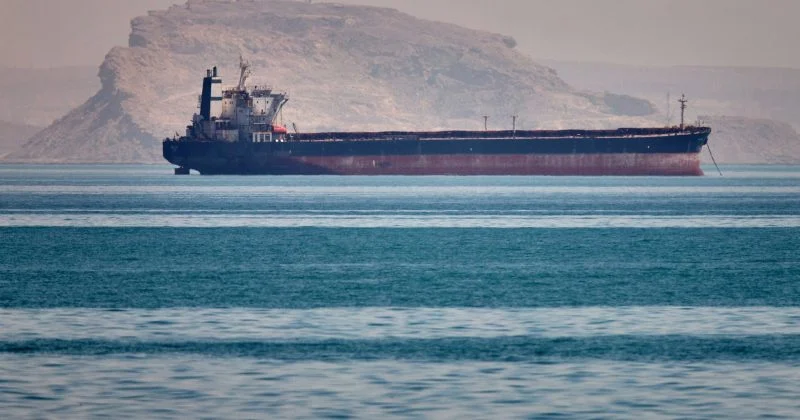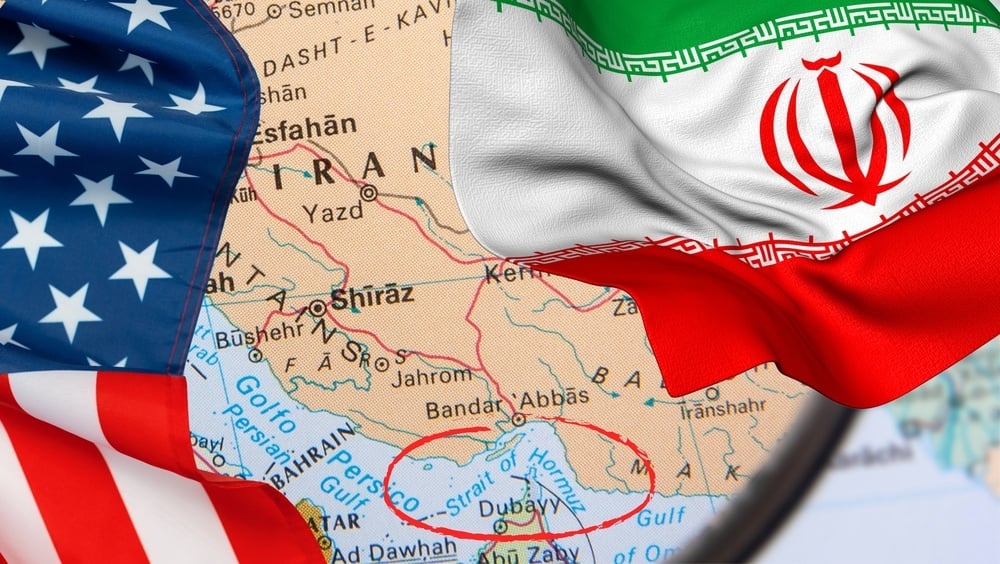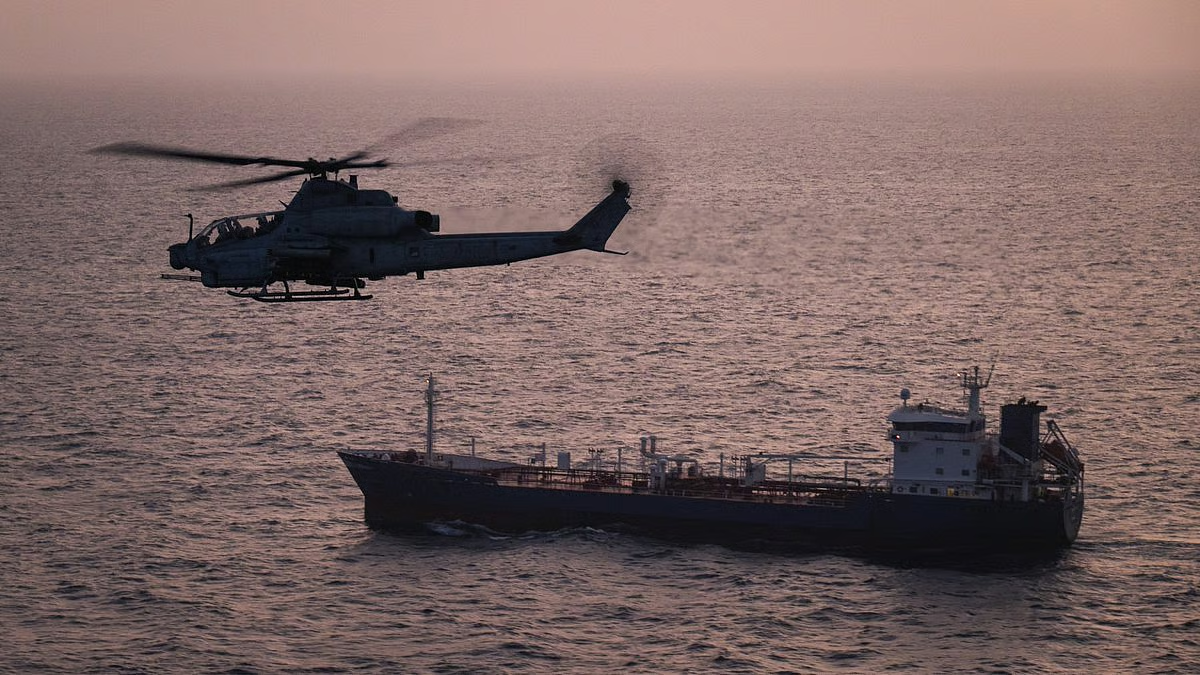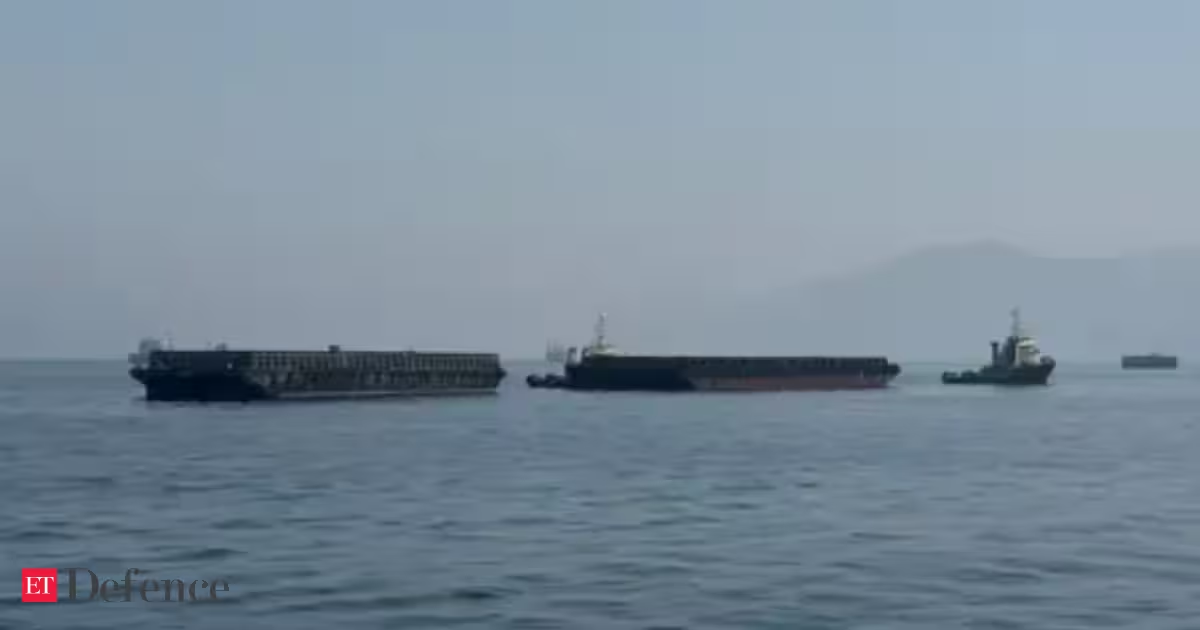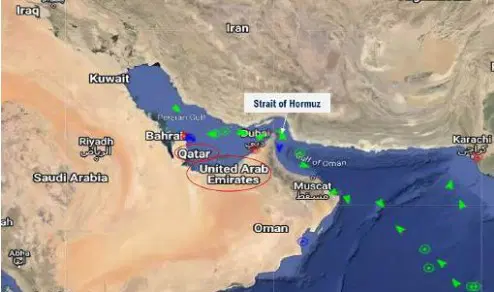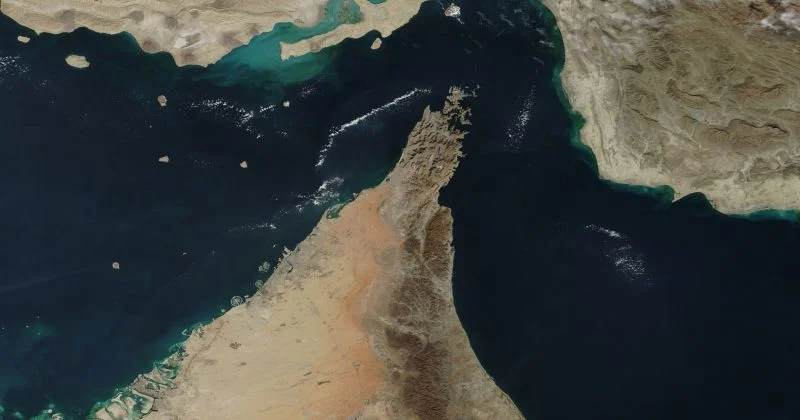
Two oil tankers owned by Abu Dhabi National Oil Company were hit by drone strikes on August 14 while transiting the Strait of Hormuz, and the aftermath has been swift and severe. By the following day, only two vessels were reported passing through the waterway, according to Kpler data. For context, roughly a fifth of the world’s petroleum supply normally flows through that narrow passage every single day.
The UAE government accused Iran of committing acts of piracy that threaten global energy security. Washington’s response came fast: US Treasury Secretary Scott Bessent announced plans for a comprehensive package of economic sanctions aimed at further isolating Tehran, with details expected during the week of August 17.
A chokepoint under siege
The two vessels struck, the Navig8 Messi and the Tarif, are both ADNOC-owned ships. The UAE’s decision to publicly blame Iran, rather than attribute the strikes to proxies or leave the accusation ambiguous, signals a meaningful escalation in the diplomatic posture of Gulf states toward Tehran.
These attacks did not occur in a vacuum. They are part of a pattern of maritime strikes on commercial ships throughout 2026, several of which prompted direct US military responses against Iranian targets.