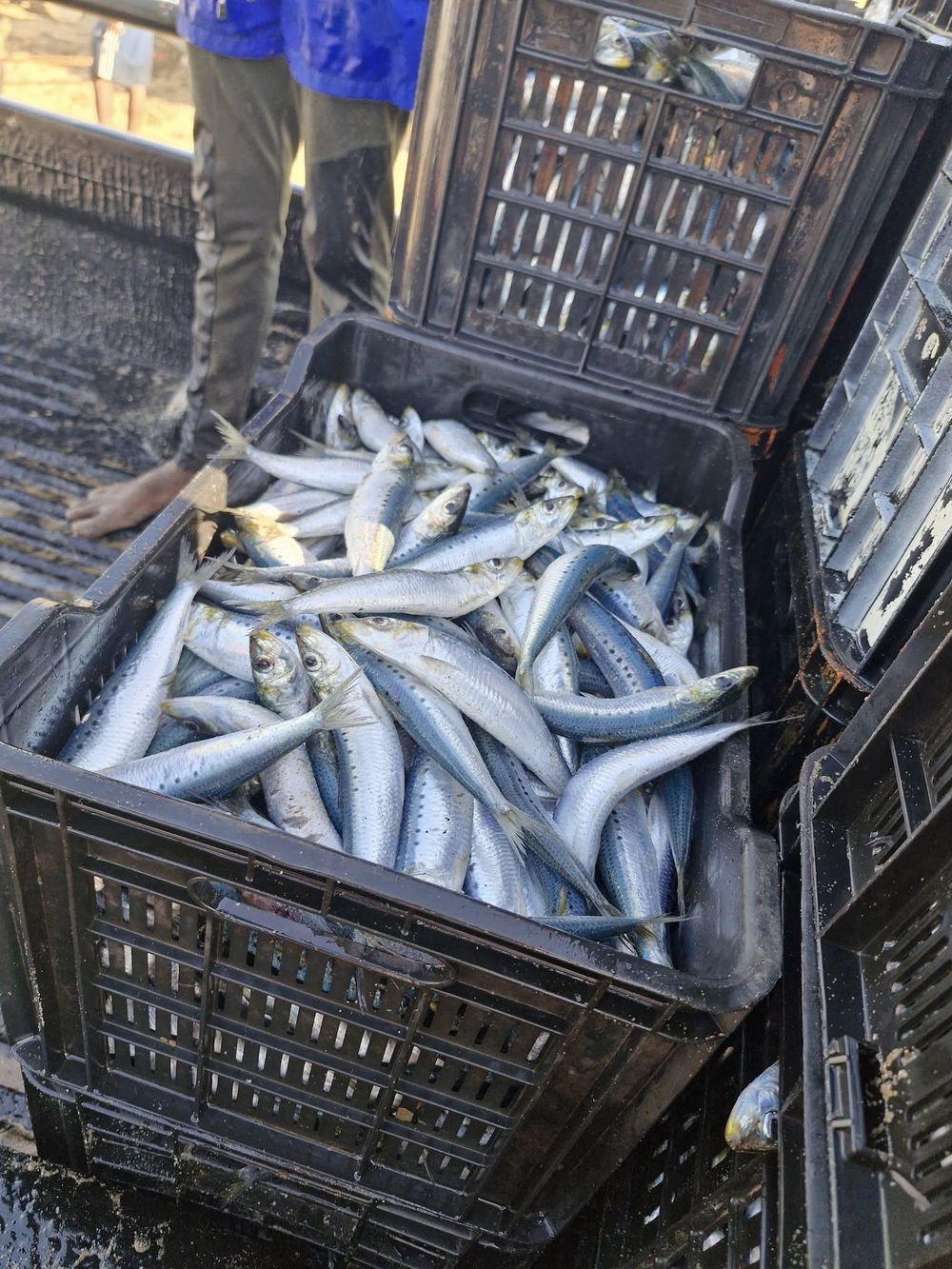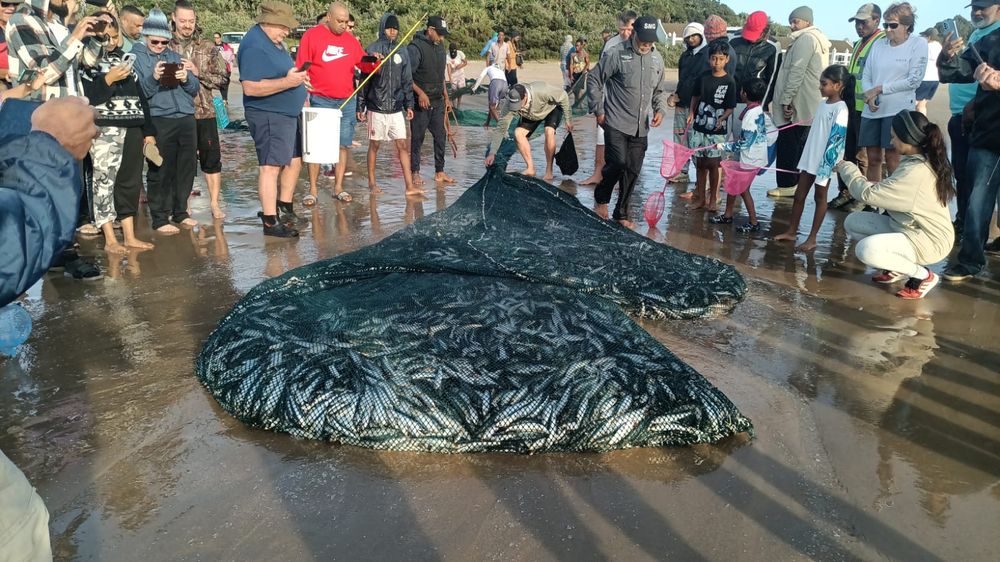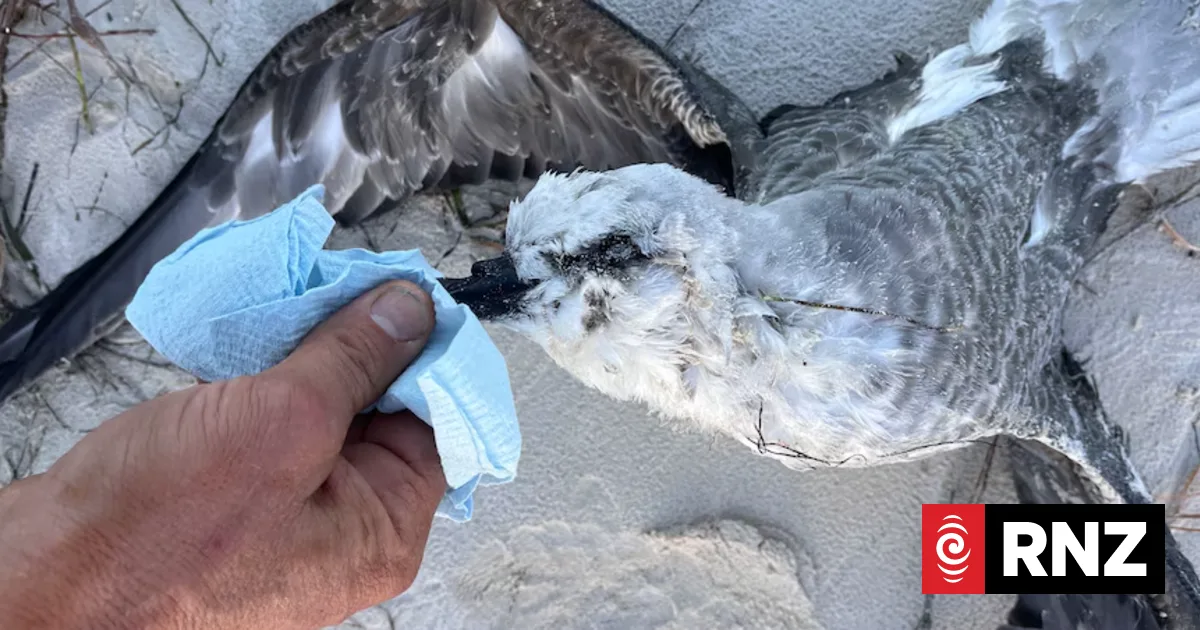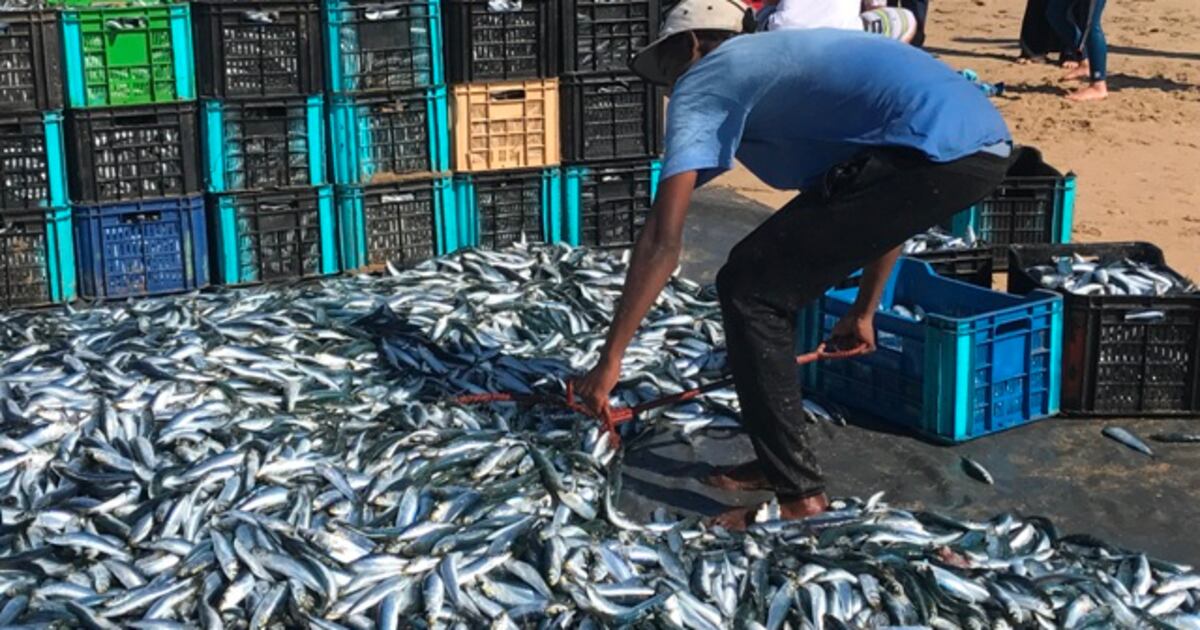
A virus previously linked to devastating sardine die-offs in Australia and New Zealand has been detected in every sardine tested in the latest South African mortality event, deepening the mystery over what is killing the fish.The department of forestry, fisheries and the environment (DFFE) has confirmed the presence of Pilchard Herpesvirus (PHV) in all the sardines tested so far — including fish that appeared healthy.But fisheries scientists are cautioning against jumping to the conclusion that the virus is responsible for the latest mass sardine deaths at several places on the Western Cape coast from Saldanha Bay to Gansbaai.Janet Coetzee, a fisheries scientist at the DFFE, said the discovery of PHV was significant but did not, on its own, establish the cause of the mortality event.“We can now confirm that Pilchard Herpesvirus, or PHV, is present in all of the sardines we tested, including in apparently healthy fish. What this means is that finding the virus does not automatically mean that it caused this event,” Coetzee said.The discovery is nevertheless likely to intensify scrutiny of the virus because of its history.PHV was previously associated with major pilchard mortality events in Australia and New Zealand during the 1990s. In 1995, a mass mortality event began in South Australia before spreading across the Australian pilchard range and reaching New Zealand. A second major outbreak occurred in 1998 and 1999.Research into those outbreaks found PHV in the gills of affected fish, with the disease associated with extremely large-scale mortality. One study found the 1995 outbreak spread across more than 5,000km of the Australian coastline and about 500km of the New Zealand coastline.“This virus was, however, previously linked to very large sardine die-offs in Australia and New Zealand during the 1990s. The virus is known to damage the fish’s gills, preventing them from absorbing enough oxygen from the water,” Coetzee said.The latest South African findings have also effectively put another possible explanation under the microscope.“PHV is not known to infect people, and recent toxin test results do not suggest that harmful algae were the main cause of the die-off,” she said.The distinction is important because the presence of a virus in dead fish does not necessarily mean it triggered the mortality event. The detection of PHV in apparently healthy sardines means scientists must establish whether it is causing disease and mortality or whether it is present in the broader sardine population without being the primary driver of the deaths.Historical research into the Australian outbreaks similarly examined a range of possible environmental explanations. Studies found no link between the 1995 mortality and physical or biological oceanographic factors or toxic algae, while the presence of PHV in fish gills emerged as the key common feature.South African authorities are now widening the investigation.“We have briefed the fishing industry and are forming a joint task team to co-ordinate further testing, monitoring and the broader response,” Coetzee said.The development is likely to be closely watched by the commercial fishing sector as scientists work to determine whether South Africa is witnessing a virus-driven mortality event similar to those recorded in Australia and New Zealand — or whether PHV is an incidental finding in a more complicated environmental event.For now, the DFFE is also warning members of the public not to handle the dead fish for consumption.Coetzee said the public should also not collect, consume or feed dead or dying sardines to their pets while investigations continue.TimesLIVE
Sardine mystery deepens as the public is warned to keep pets away from dead fish
A virus linked to mass sardine die-offs in Australia and New Zealand has been detected in all South African sardines tested so far
565 words~3 min read