European carmakers face a situation similar to that faced by the likes of Nokia and Kodak when smart phones and digital cameras emerged. “Technology is changing, […] and companies that spent decades refining a product for an old market must suddenly make a 180-degree turn,” automotive industry expert and consultant Petr Knap said.
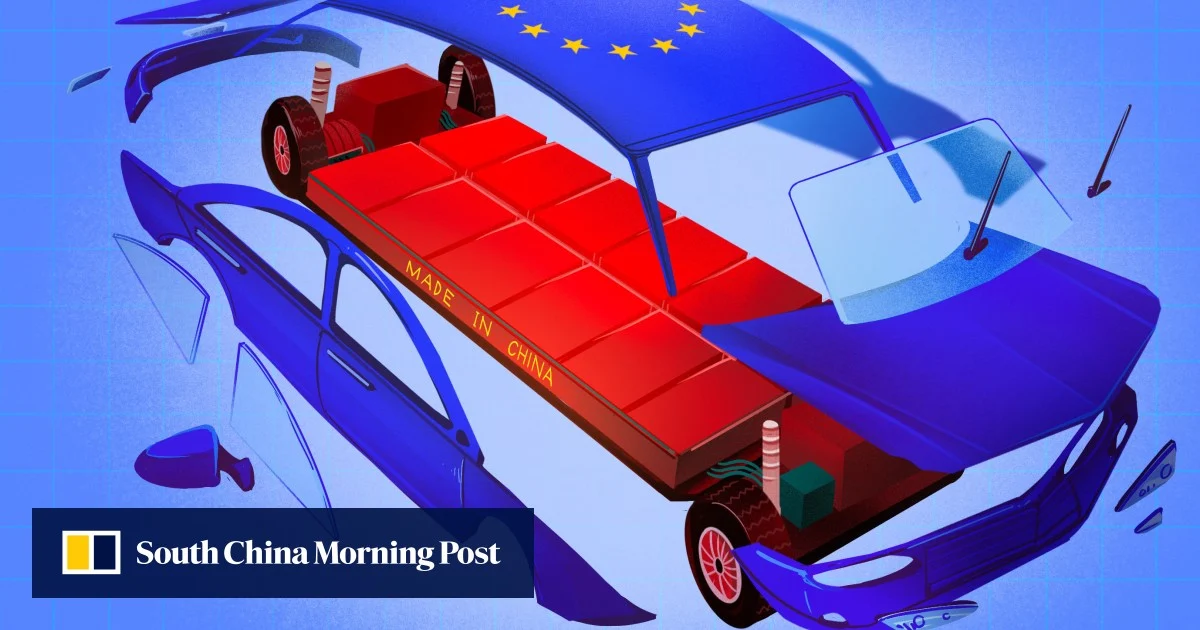
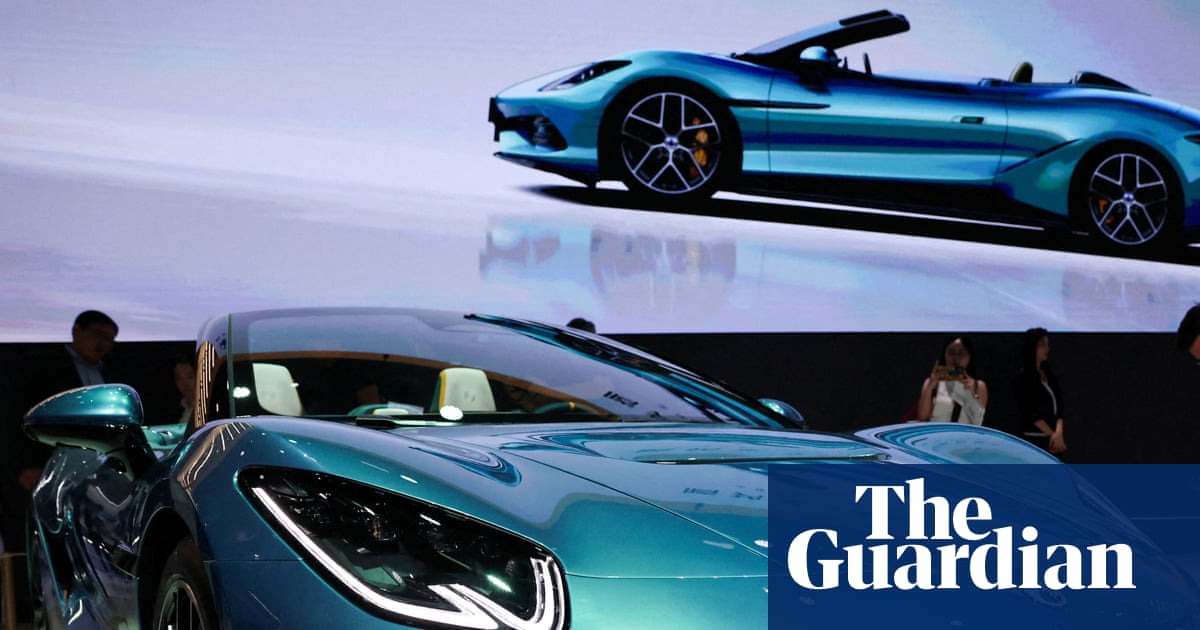
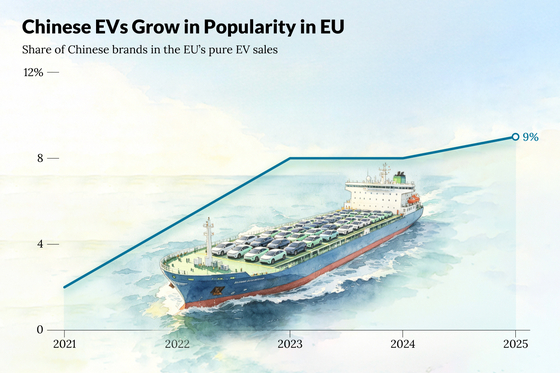
The biggest challenge for Europe’s traditional carmakers today comes from Chinese brands, which have gaining a strong position particularly in electric vehicles.
How did the problems at Germany’s Volkswagen arise?
It is a combination of several factors. The first is long-term and structural. Volkswagen is paying the price for its large presence in China and for US tariffs. At the same time, it operates in Germany’s high-cost and heavily regulated environment. The country’s automotive industry as a whole produces around one million fewer cars than before the pandemic.
The second problem is the way the company is governed. Half of the seats on the supervisory board are held by employee representatives. If you want to implement major cuts — for example, there has been talk of eliminating up to 100,000 jobs — it is practically impossible.