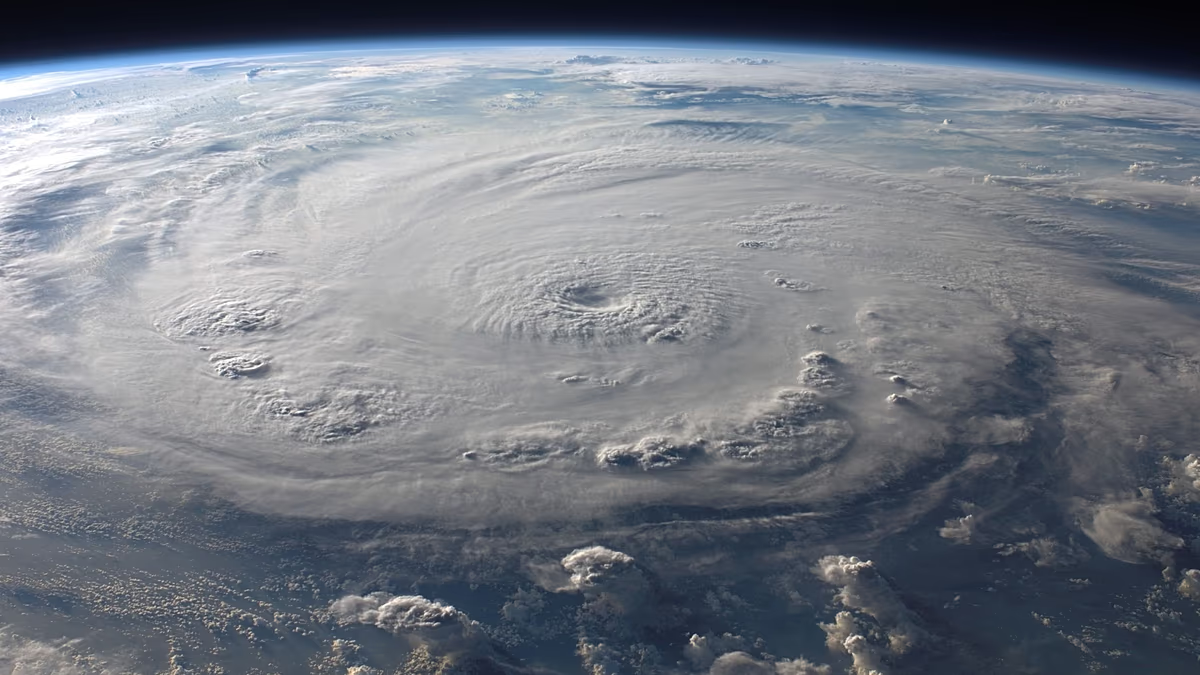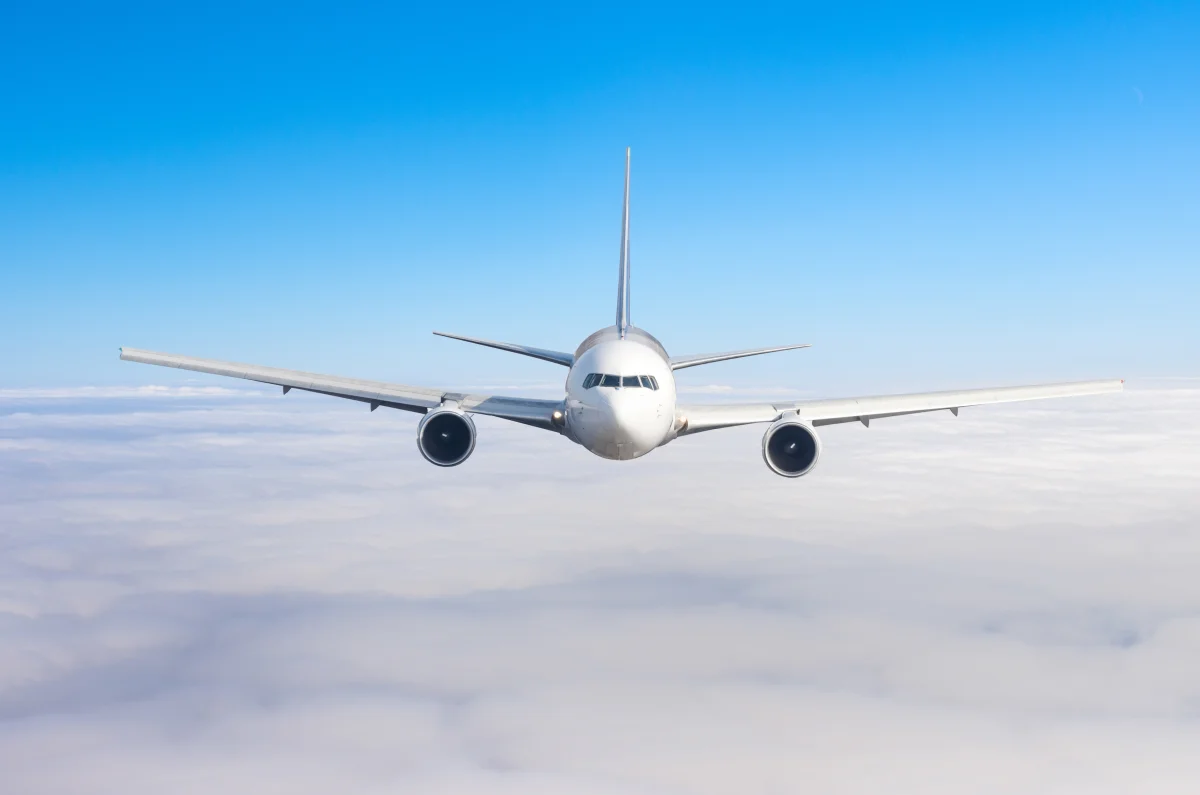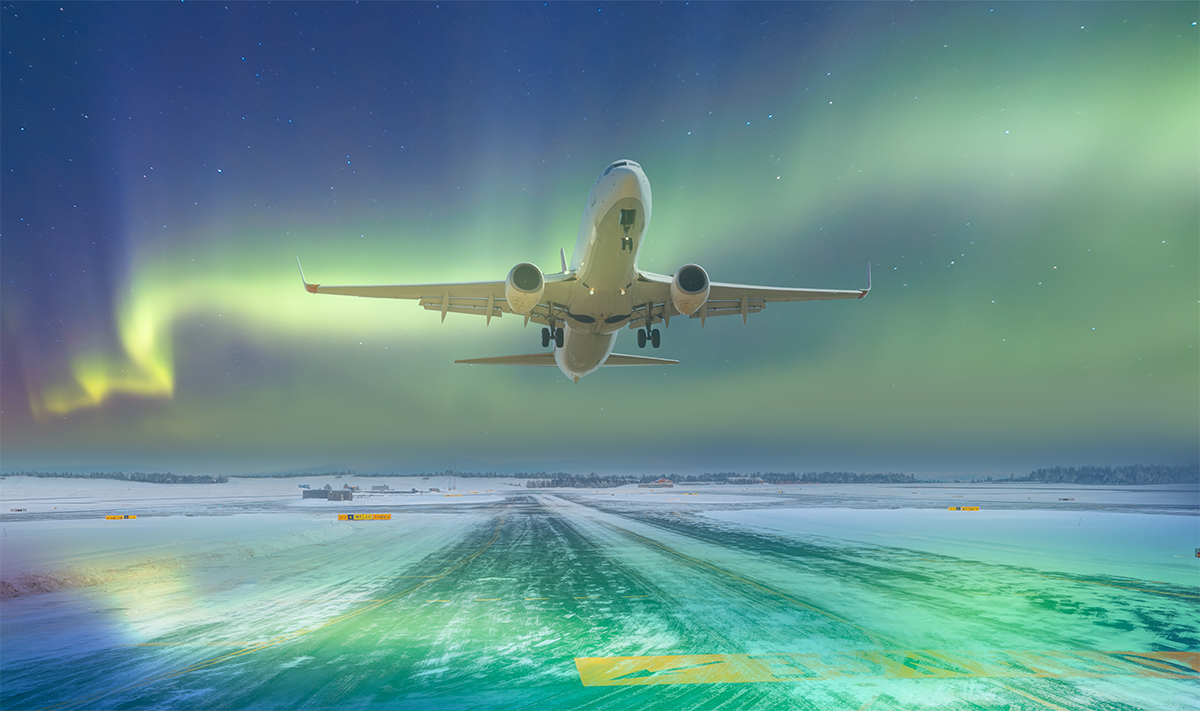
Researchers at the Surrey Space Centre (SCC) found that extreme space weather events can significantly increase radiation exposure at typical flight altitudes of 8–14 km (5–9 miles) and trigger faults in aircraft electronics—posing a challenge for flight safety.
Radiation spikes well above normal
Although the atmosphere provides some protection, radiation exposure on many commercial flights remains significantly higher than at ground level and can surge during solar storms. A major solar storm in November 2025 caused radiation levels to briefly rise to nearly 10 times normal levels at high altitudes, according to measurements led by SCC, while historical data shows the strongest solar storm on record in 1956 could have exposed passengers to the equivalent of a year's worth of flight-related cosmic radiation.
The study, published in the Journal of Space Weather and Space Climate, also highlights the increasing vulnerability of aircraft systems. High-energy particles from space can interfere with onboard electronics, causing what are called single-event upsets (SEUs)—small errors that can accumulate and disrupt critical systems.
Only last year, Airbus temporarily grounded 6,000 A320 aircraft after discovering a vulnerability to "intense solar radiation" in a flight control computer. This was exposed by an incident in October 2025, in which a JetBlue flight from Cancún to Newark had to make an emergency landing in Florida.