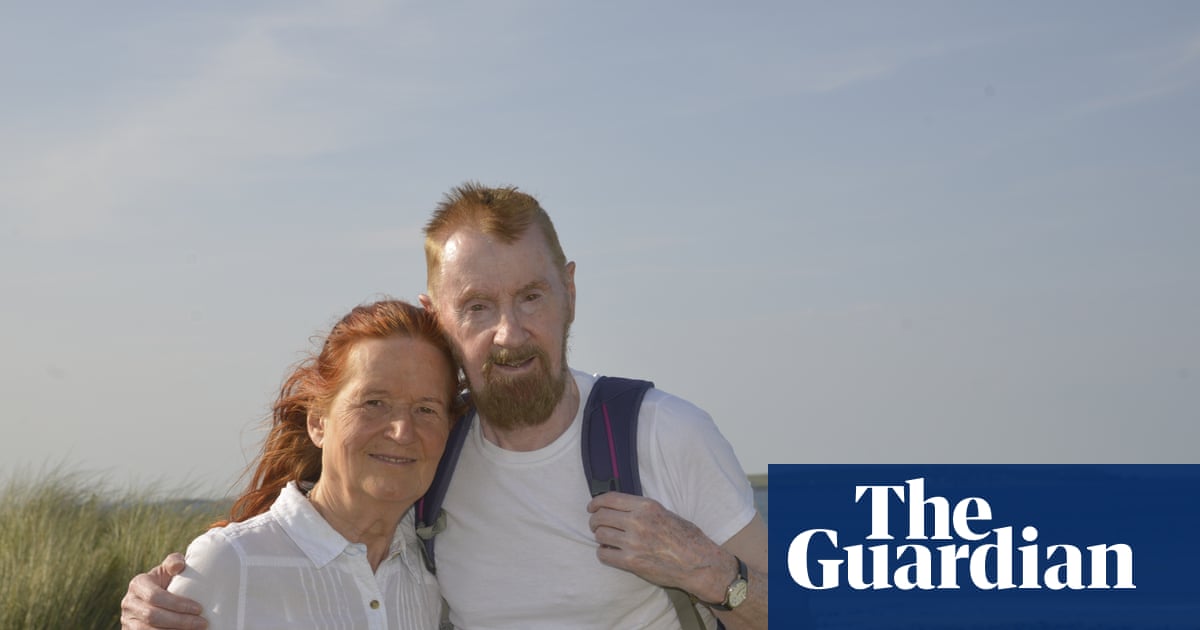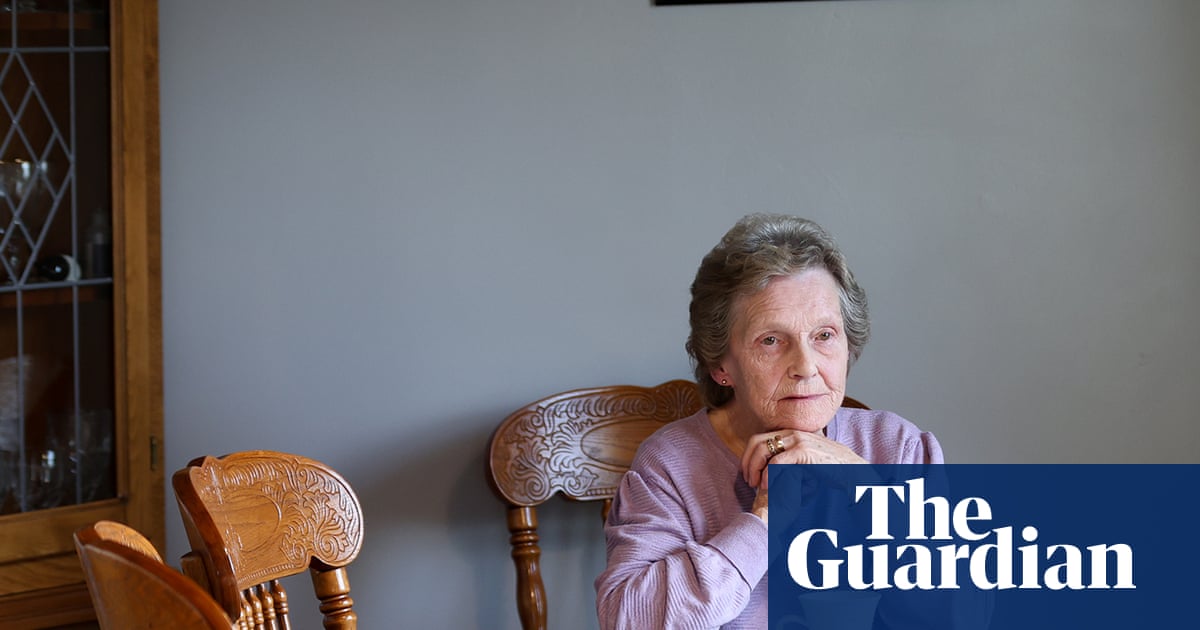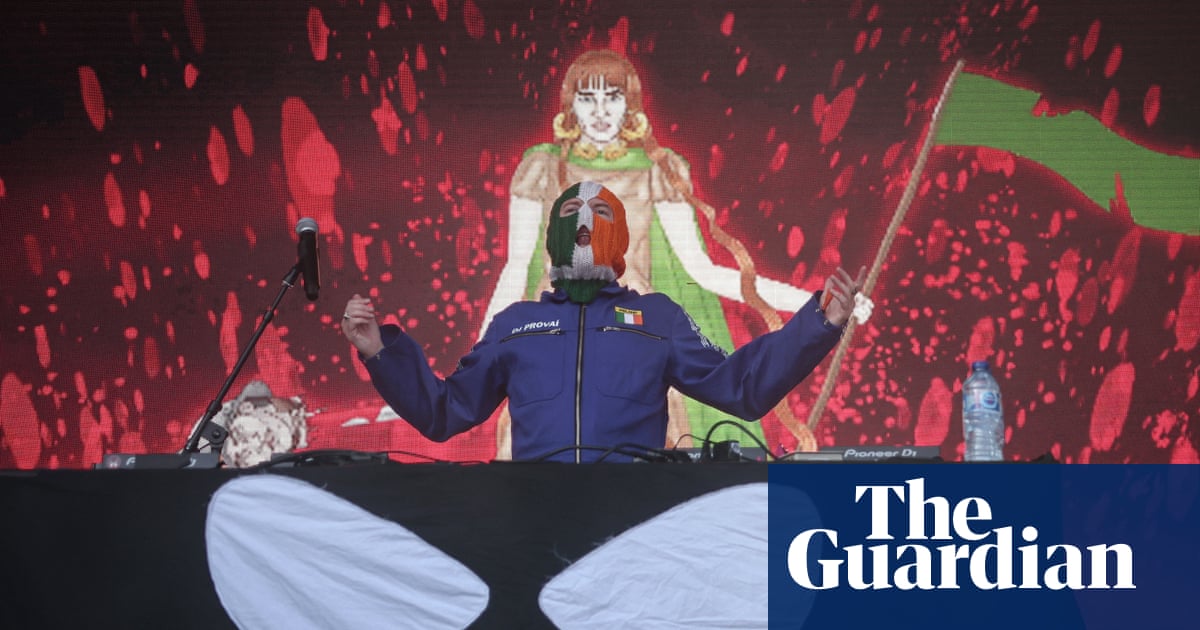
April 8th, 1984 changed my life forever. I was 14. I had gone to the youth Mass at 11 o’clock in our local church, St Brigid’s Catholic Church on Derryvolgie Avenue in south Belfast. When I got home I put on a mini-pizza for my lunch and brought it to my bedroom, with BBC Radio 1 playing in the background.At 12.55pm, my brother Paul burst through my bedroom door shouting. “Quick, Mum, Dad and Mary have been shot. Go and help them.” He said again they had been shot and they were outside the tennis courts.I jumped off my bed and heard Paul on the emergency police radio that we had. My father, Tom Travers, was a Catholic resident magistrate, and we were prepared in case he was targeted. “This is Alpha Lima 168,” my brother was saying.I ran down the corridor as my other brother, Martin, was on the phone in the kitchen: “We need an ambulance and police. Our parents and sister have been shot.”I raced out of the house and as I turned right on to Windsor Avenue, I could see my parents and sister Mary on the ground, with people gathered around. There were two men and a woman walking towards me. They were laughing. I asked them: “Where’s my Daddy? Where’s my Daddy?”I ran towards the bodies on the ground.Mary was lying on top of Mum, and a couple of men lifted her off. Mum got up and knelt beside Dad. I remember her saying: “My poor husband, someone please help my poor husband.”I learned later what happened. Minutes earlier, two Provisional IRA gunmen had walked towards my parents and sister as they walked home from Mass. One man approached Dad, waving something from under a newspaper. Dad asked him: “What do you want?”“It’s you we want,” he said. Mary said, “Daddy, that man has a gun.”Mary Travers with her parents Tom, who was a resident magistrate, and Joan. Photograph: Supplied by family My dad thought she was talking about the man who was standing in front of him; in fact, she was talking about a man on the opposite pavement. As soon as she said this, the man on the other side of the road shot her once in the back. The bullet went straight through her aorta. My beautiful big sister, who was just 23 and had recently started working as a teacher, collapsed on top of Mum, knocking Mum on to the ground. The gunman in front of Dad fired six bullets into him. As Mary lay dying on my mum’s chest, the gunman who shot Mary walked over and put a gun to Mum’s head. He pulled the trigger and the gun jammed. He pulled it a second time and it jammed again. No bullets went into her. Miraculously, my father also survived.[ From the archive: Murdered woman's father says secret deal was doneOpens in new window ]Both gunmen ran down the alleyway and passed their guns and wigs to a 19-year-old woman, who stuffed them down the surgical stockings she was wearing under her skirt.Last Thursday, I saw photographs of President Catherine Connolly standing smiling beside that woman in a group photograph. Her name is Mary McArdle, and she is a director of the Falls Road Women’s Centre – an ironic position for a woman who participated in such violence against my mother, Joan Travers, and my sister, Mary.The gunmen were never brought to justice, but McArdle got a life sentence for murder, and an 18-year concurrent sentence for the attempted murder of my Dad, wounding with intent and a number of firearms offences. She was freed 14 years later under the terms of the Belfast Agreement. She is the only person ever convicted of my sister’s murder.To see her standing alongside our President broke me.Some – including Sinn Féin – say that former prisoners are an important part of the peace process, but the Historical Enquires Team asked McArdle to help with the investigation into my sister’s murder, and she declined. I have asked to meet with her. She has ignored me. I believe she knows who shot my dad and murdered my sister. She could give us answers. I promised my dad as he was dying that I would get justice for Mary.As one of the thousands of surviving family members of victims of the Troubles and a case worker with the South East Fermanagh Foundation, which helps other victims, I am constantly dismayed to see those who were responsible for such violence accepted and welcome into normal society.Sinn Féin president Mary Lou McDonald marked the death of Brendan “Bik” McFarlane in 2025 by saying his was a “life well lived”. This was a man convicted of the Bayardo Bar massacre in 1975 when five Protestants were killed, and charged with the 1983 kidnapping of Don Tidey, during which two members of the security forces were killed. That case collapsed.[ Who was Bik McFarlane? The IRA figure linked to notorious kidnappingOpens in new window ]Michelle O’Neill, Northern Ireland’s First Minister, attended a commemoration in Bellaghy last Sunday of Thomas McElwee. McElwee was involved in the planting of an incendiary device in a shop in Ballymena on October 9th, 1976. Twenty-seven year-old Yvonne Dunlop was working there that day. Her nine-year-old son Denis managed to escape but she did not. Her son Geoffrey gave an interview to the Belfast Telegraph in which he said: “We just can’t understand why Sinn Féin continue to think it’s okay to hurt our family. They claim one of their core policies is [ending] violence against women and girls. What about our mummy’s life?”Two weeks ago, RTÉ’s Miriam O’Callaghan did an interview with Martina Anderson who has published an autobiography. Anderson was jailed in 1986 for life, along with three others, for a planned IRA bombing campaign of 12 English resorts. This barely featured on the programme, beyond O’Callaghan asking what she did to cause her arrest. “I got arrested,” Anderson laughed, before saying that she was charged with conspiracy to cause explosions in England. O’Callaghan also asked her why she stopped short of an apology; Anderson responded only that the British government had never apologised.This normalisation extends to the fetishisation of the Troubles by Kneecap and those who chant the Wolfe Tones’ Up the ‘Ra. There is clearly a need for the Troubles to be added to the education curriculum in Northern Ireland and in Britain, and to be taught more extensively in the Republic in a way that humanises the experiences of victims and survivors.It is time now, too, for President Connolly to come out in support of the victims of terrorist groups, survivors and their families.[ Political violence was the decisive factor in the creation of the Irish Free StateOpens in new window ]On Tuesday, having written to the President, I got a reply from her office. Her representative offered her own deepest condolences and promised to bring my letter to the President’s attention. Maybe President Connolly will agree to encourage Mary McArdle to meet with me and the chief constable of the PSNI, Jon Boutcher. After 42 years of agony, we deserve an answer.
Ann Travers: To see the woman convicted of my sister’s murder with President Connolly broke me
The fetishisation of the Troubles by Kneecap is part of the same normalisation
1,194 words~5 min read