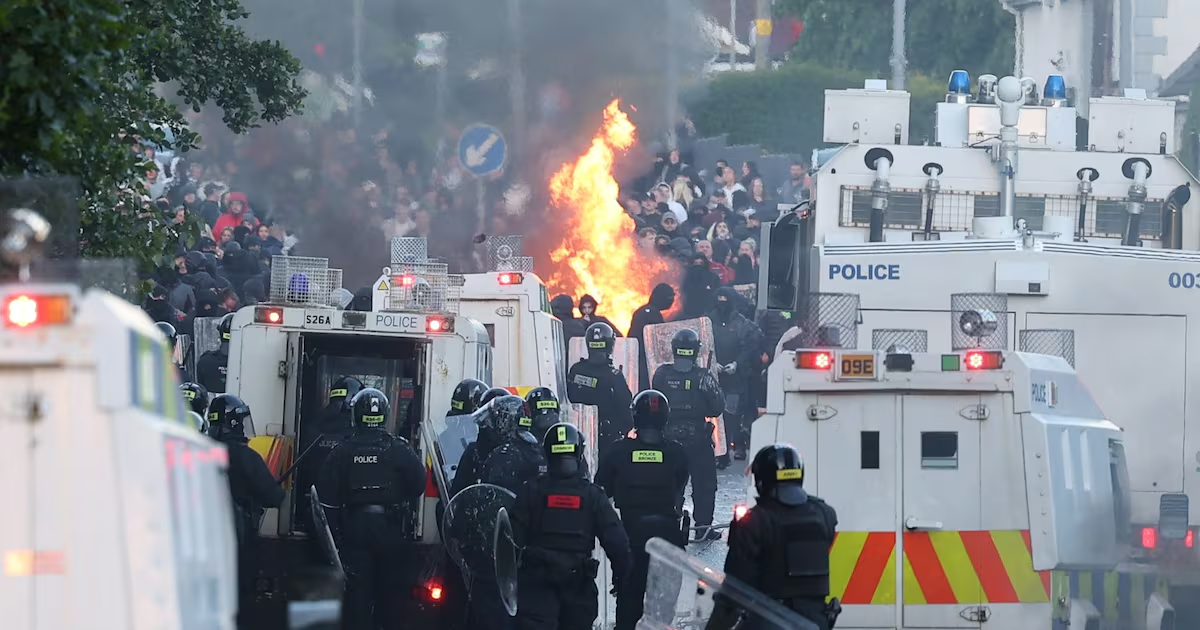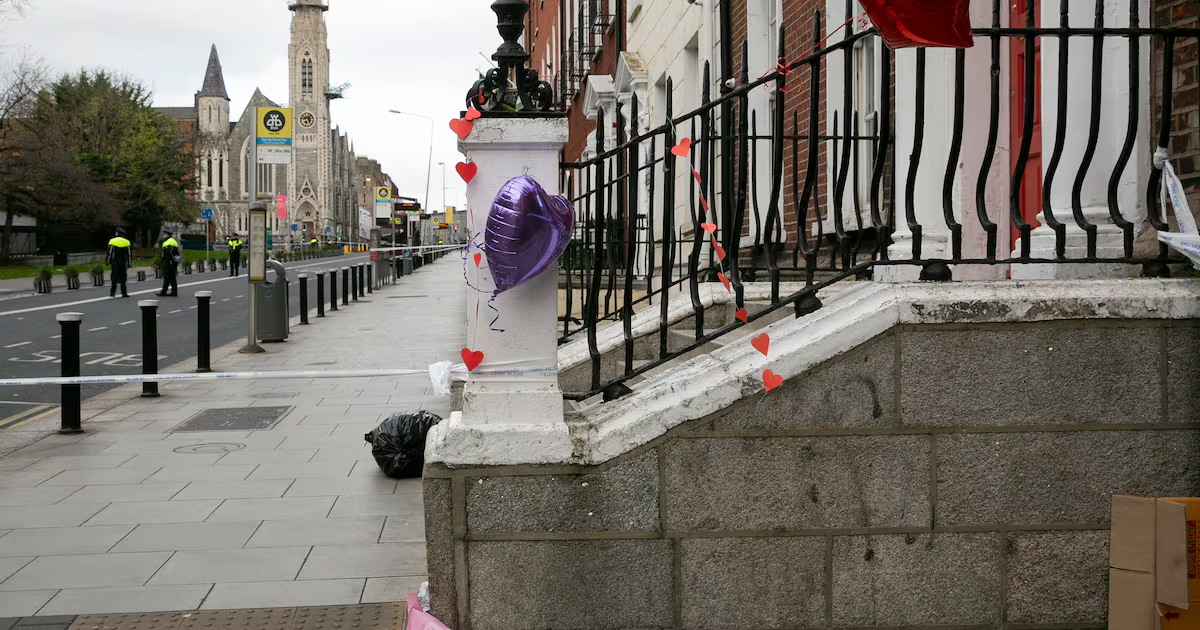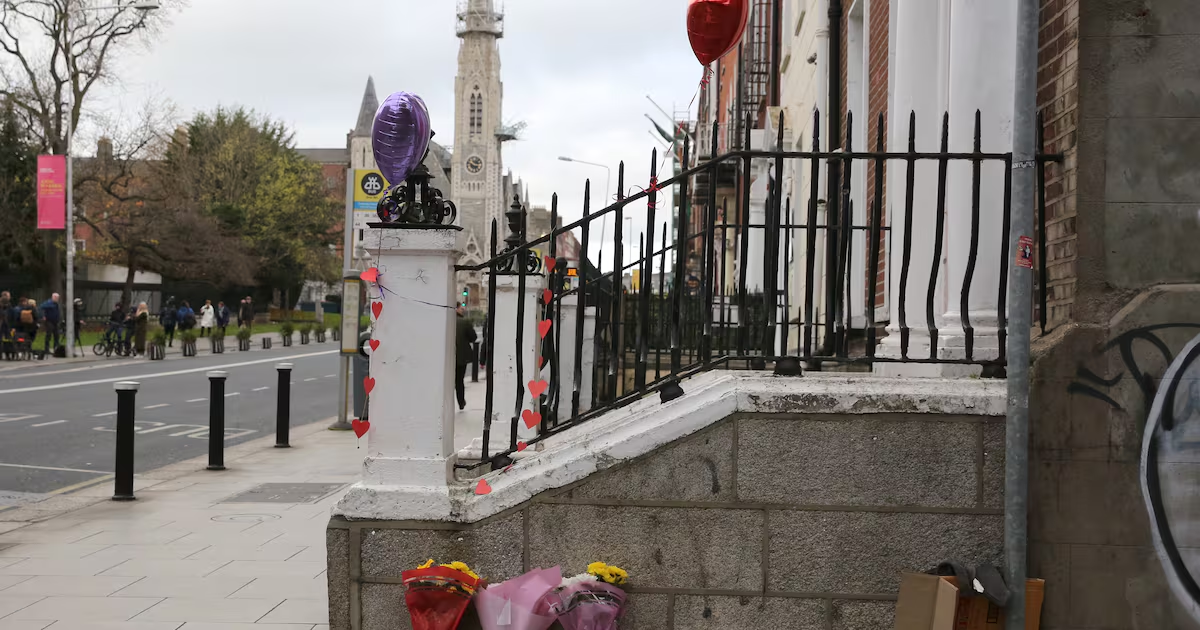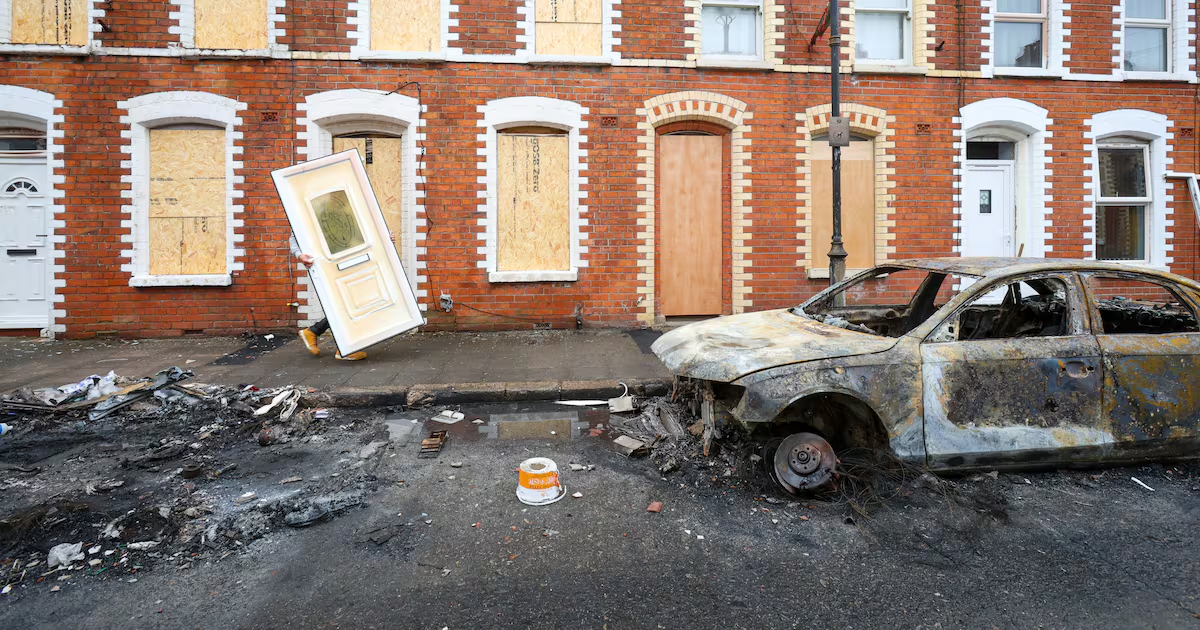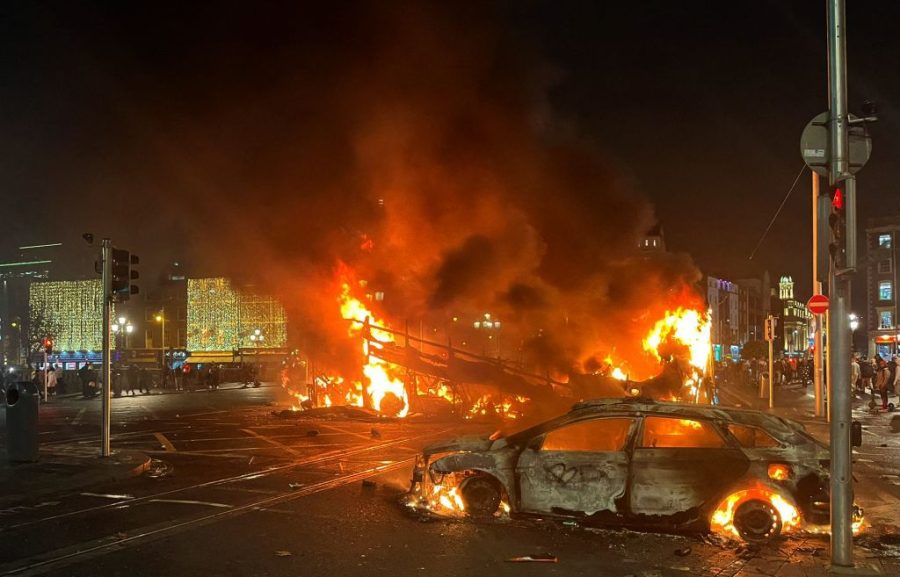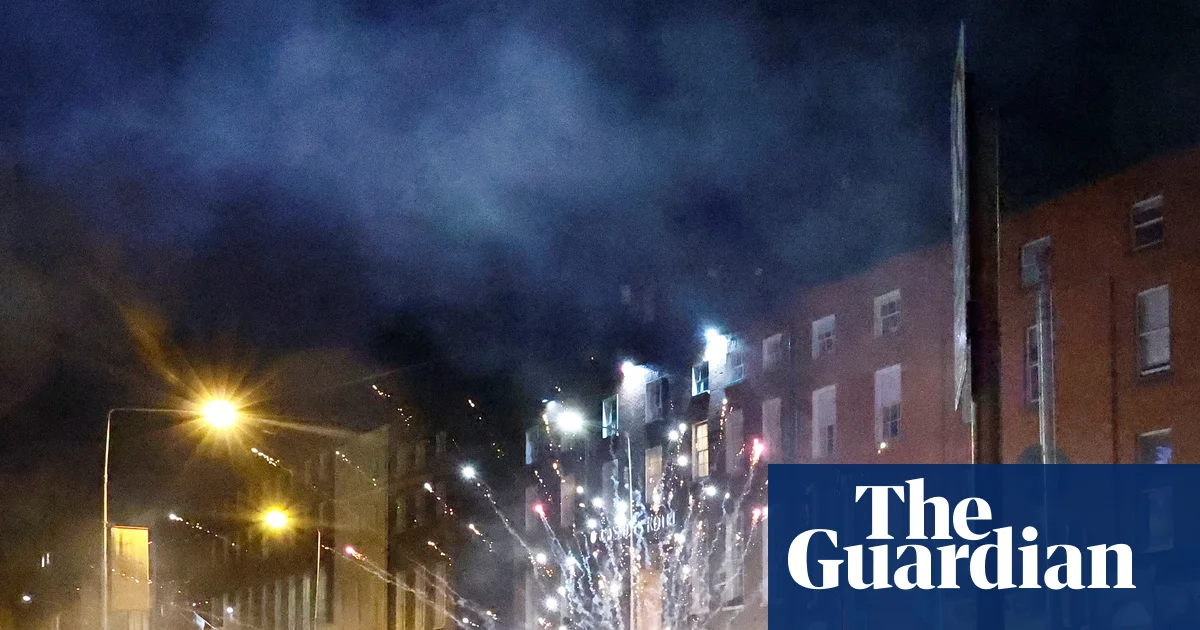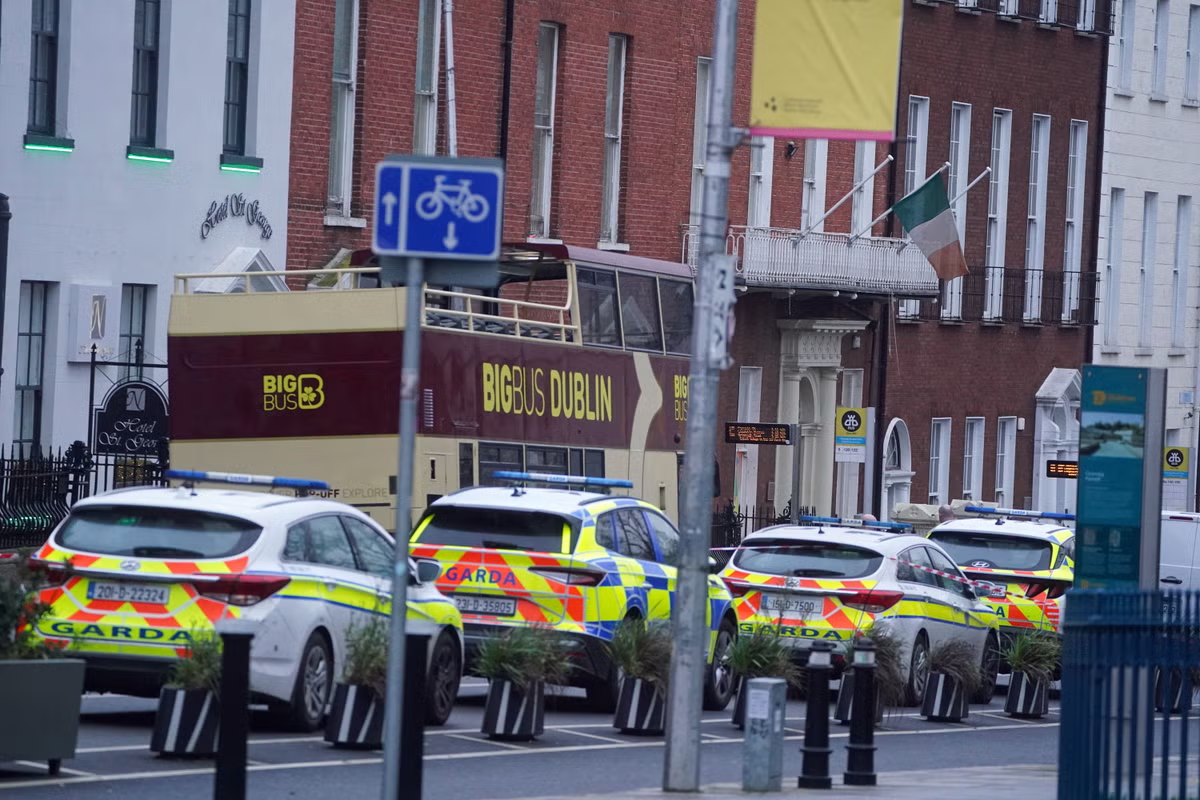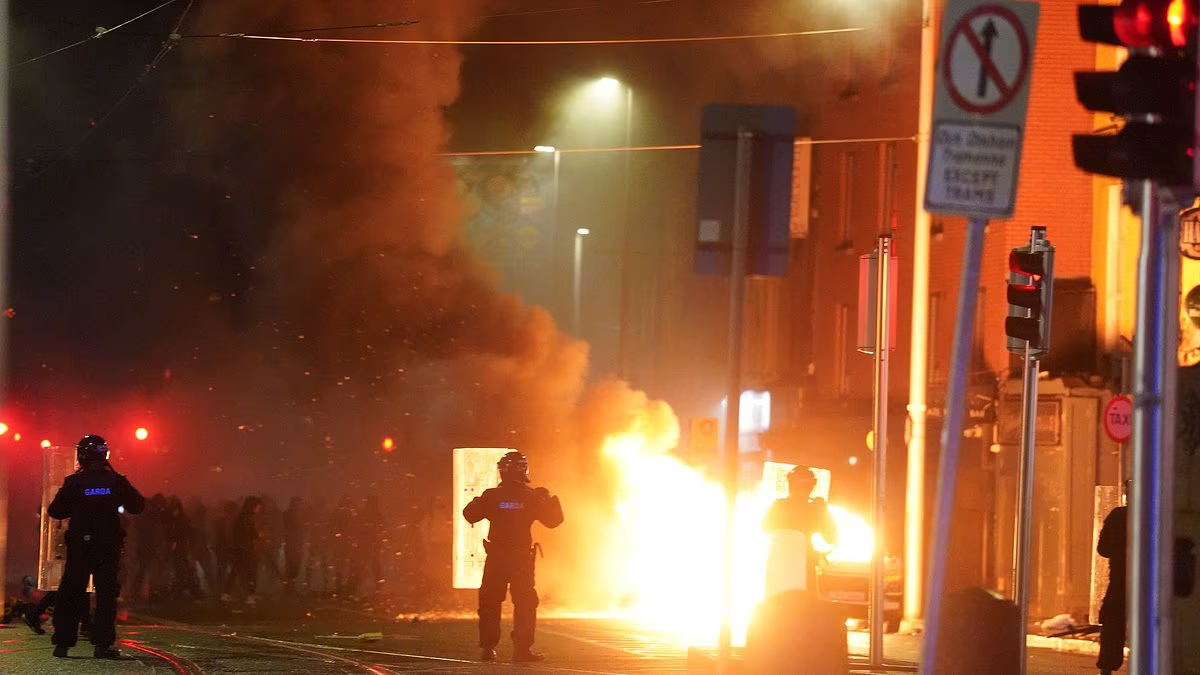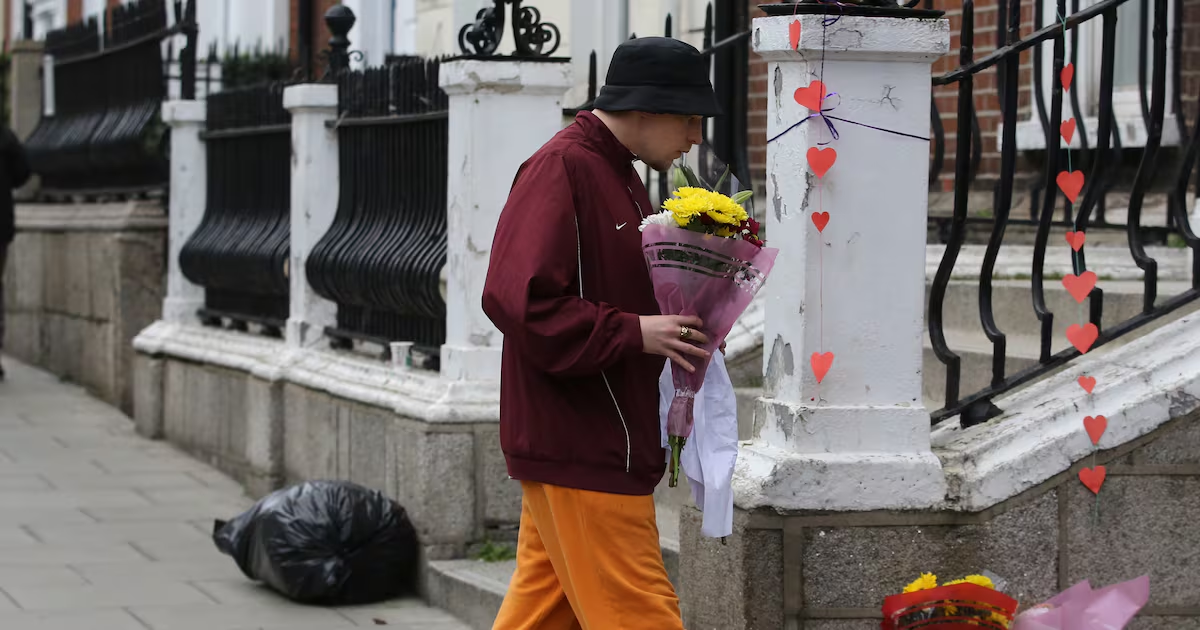
November 23rd, 2023, was already a date etched in our nightmares, the day any illusions we held about ourselves went up like a burning Luas.The images that will stick with us – more so than the rioting, the looting, the impromptu army on motorised scooters – are the ones that emerged during Riad Bouchaker’s trial for the attempted murder of three young children.The collage of horror and humanity includes a mother sprinting desperately from Temple Bar to Parnell Square to find her five-year-old daughter, bloodied and apparently lifeless, being worked on by paramedics. She knew it was her child by her pink backpack and runners.It includes the little children who remained standing at the railings outside their school as a man swung a knife at them, even as their childcare worker screamed at them to run, because waiting by the railings is what little children are trained to do. One small girl wet herself in sheer terror.Violence against women and children is a daily occurrence in Ireland, so mundane it takes the horror of a 36cm carving knife plunged into a child’s heart on a bright winter afternoon to stop us short. Riad Bouchaker, who was convicted last week of the attempted murder of three children and related assault charges arising from the attack, was born in Algeria and is an Irish citizen. Inevitably, there have been murmurings that his citizenship should be revoked. In April 2025, Minister for Justice Jim O’Callaghan signed an order restoring the power to revoke naturalised Irish citizenship in serious cases. But while rescinding Bouchaker’s citizenship might give succour to those who would use his crimes as an excuse to stoke up tensions, it won’t excise violence against women and children from our society. Despite what those who immediately capitalised on his rampage would have us believe, there is nothing remotely “un-Irish” about senseless, terrifying acts of violence, particularly those carried out against women and children.On the day after Bouchaker was convicted, another man – a garda – got a suspended sentence for punching his 20-year-old daughter in the face. He was, he said, “under pressure at the time”. Then there was the man jailed last week for beating his girlfriend around the head with a stone, kicking her in the face as she lay on the ground and telling her he was going to “f**kin’ kill her”. Earlier the same week, a man described as a sometime plumber and DJ was jailed for 17 years for the rape and coercive control of his former partner. The court heard how he removed light bulbs to keep her in the dark and took away her sanitary pads after she had given birth. Are those cases any easier to understand because they were directed at a supposed loved one? [ The inside story of the Riad Bouchaker trial: Horror and heroism at Parnell SquareOpens in new window ]Bouchaker’s incoherent responses to the question of “why” were like a parody of all the pathetic, rambling justifications offered up to gardaí and the courts on a near-weekly basis. They were just another take on “I snapped” or “she broke up with me”.If there’s nothing un-Irish about the violence Bouchaker unleashed on Parnell Square that November afternoon, heroism is, thankfully, equally unconstrained by national borders. Childcare worker Leanne Flynn flung herself in the path of the knife to try to protect her small charges, grabbing hold of Bouchaker and pulling him around. Dizzy from the loss of blood after Bouchaker had stabbed her in the back, she was still trying to look out for the children and pull them away. Even as her lungs were beginning to collapse and she was struggling to breathe, she asked hotel staff to take the children inside so they wouldn’t have to witness any more horror.Alan Lorena Guille, little more than a child himself at 17, jumped in and wrenched the knife from Bouchaker’s hand. Caio Benicio smacked Bouchaker on the head with his bike helmet. Warren Donohue delivered a dig to the jaw and kicked Bouchaker while he was on the ground. Oisín Murphy hit him on the head with his bike lock. Eder Nascimento Dos Santos got the knife away. The paramedics and doctors who rushed to the scene “went against protocols and just ran with things” and saved the little girl’s life.And then there was Siobhán Kearney, who left the scene of one nightmare – the Stardust inquests being held in the Rotunda – and hurled herself without hesitation into another. She climbed on to Bouchaker’s back and, as he lay on the ground, locked arms with another woman, an American, to form a protective cordon around him because – as she put it – “we’re not f**kin’ savages”.Extraordinary grace and courage are not the preserve of any one nationality or ethnicity either. The mother of the little girl Bouchaker attempted to murder said in a television interview this week she holds no anger towards him “because it would not change anything”. Her daughter will still be left in a wheelchair, in sometimes excruciating pain, able to communicate only by blinking, but she will not allow herself to be consumed by anger.[ Mother of child injured in Parnell Square stabbing believes there is not ‘anything to forgive’Opens in new window ]The mother – an immigrant – said this week she has been told to “go back home” by strangers on the street who said she “didn’t belong”. She said she would like “some kind of communication or some kind of message that there is space for everybody”.So no, violence was not imported into Ireland by a rampaging man on a November afternoon in 2023. Hatred did not ride into town for the first time that day on a motorised scooter, wearing a balaclava. Nor did heroism.We are not, as Kearney so vividly put it, f**kin’ savages even if, reading the litany of violence meted out to women and children, you would sometimes struggle to believe it.
Jennifer O'Connell: There was nothing ‘unIrish’ about the violence on Parnell Square. Or the heroism
Violence was not imported into Ireland by a rampaging man on a bright November afternoon in 2023
995 words~5 min read