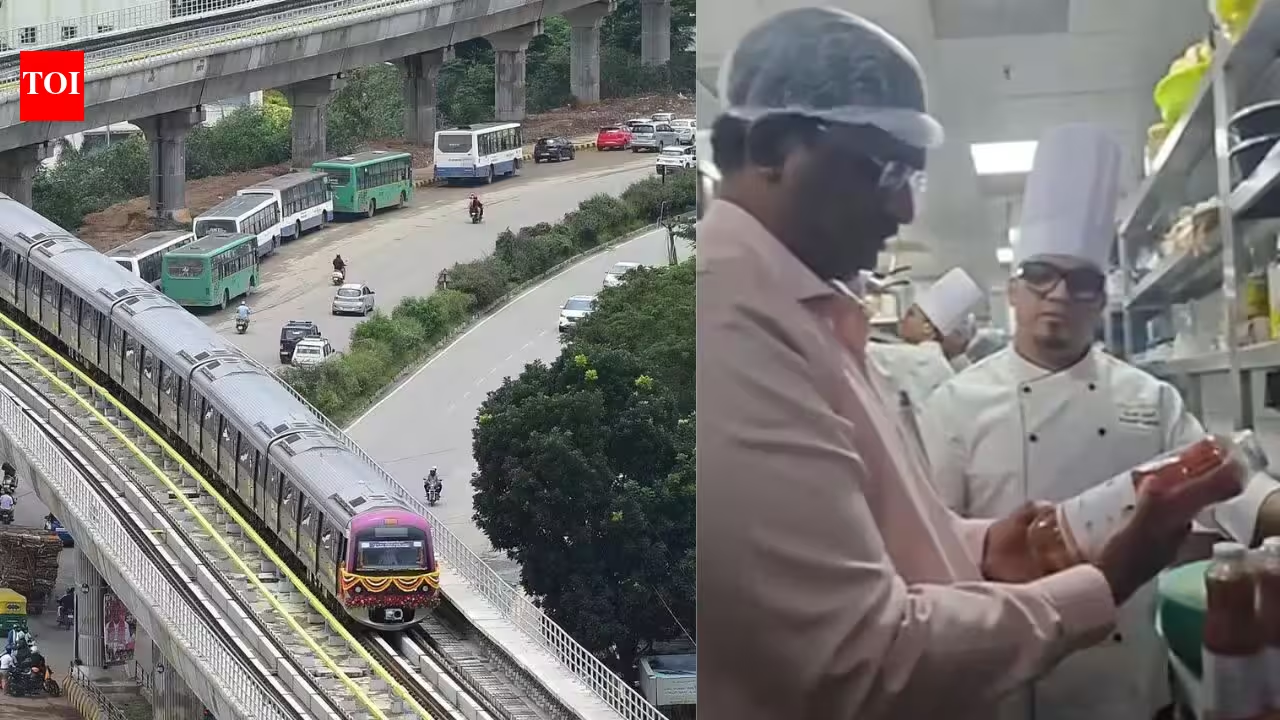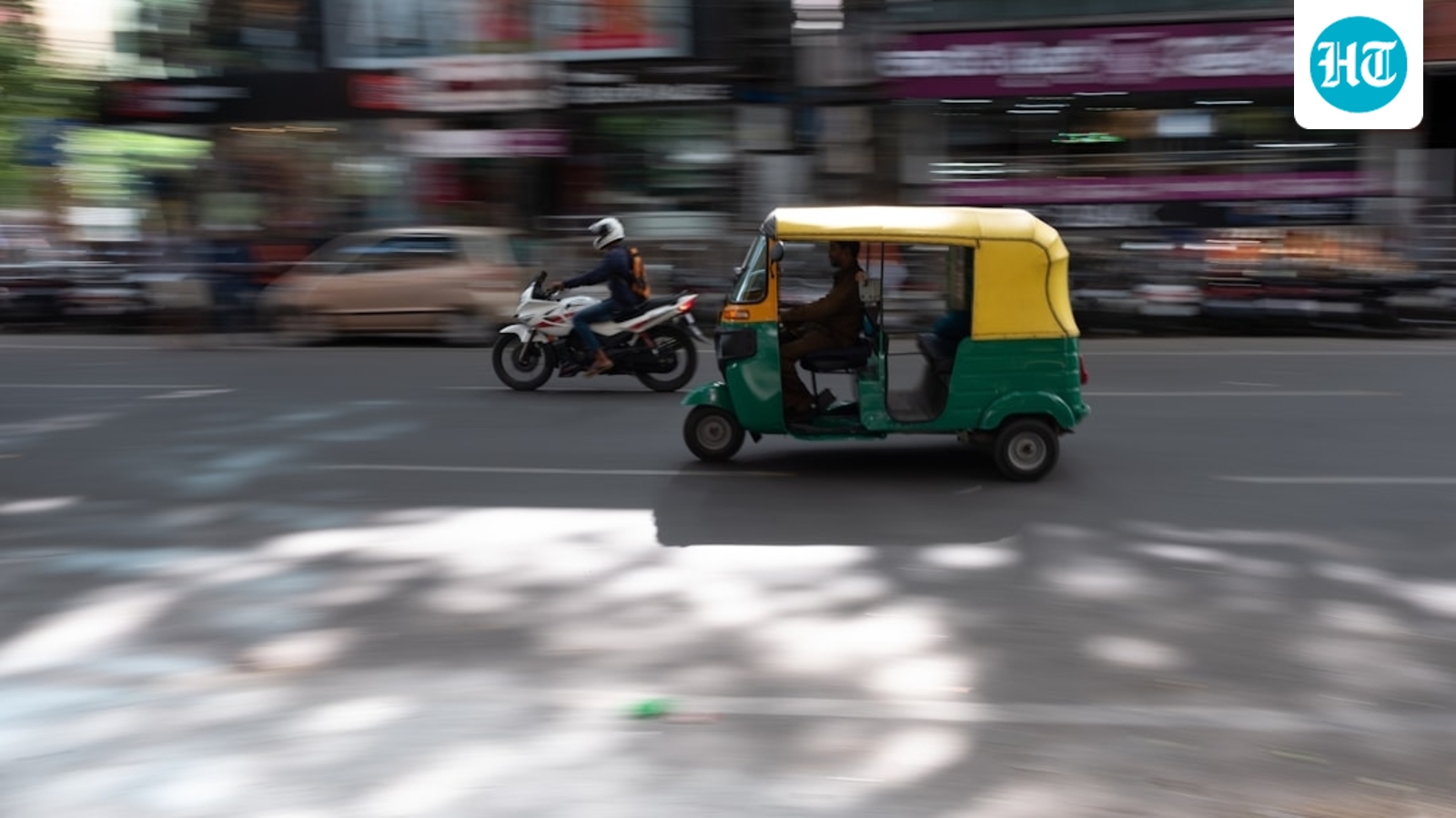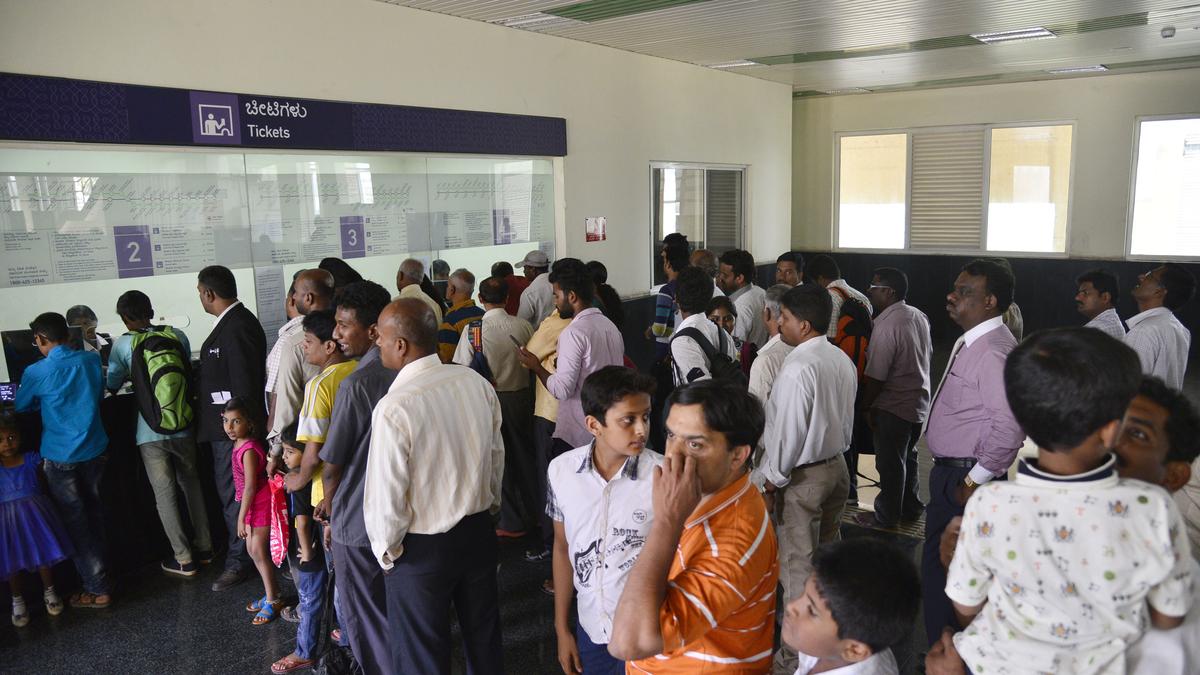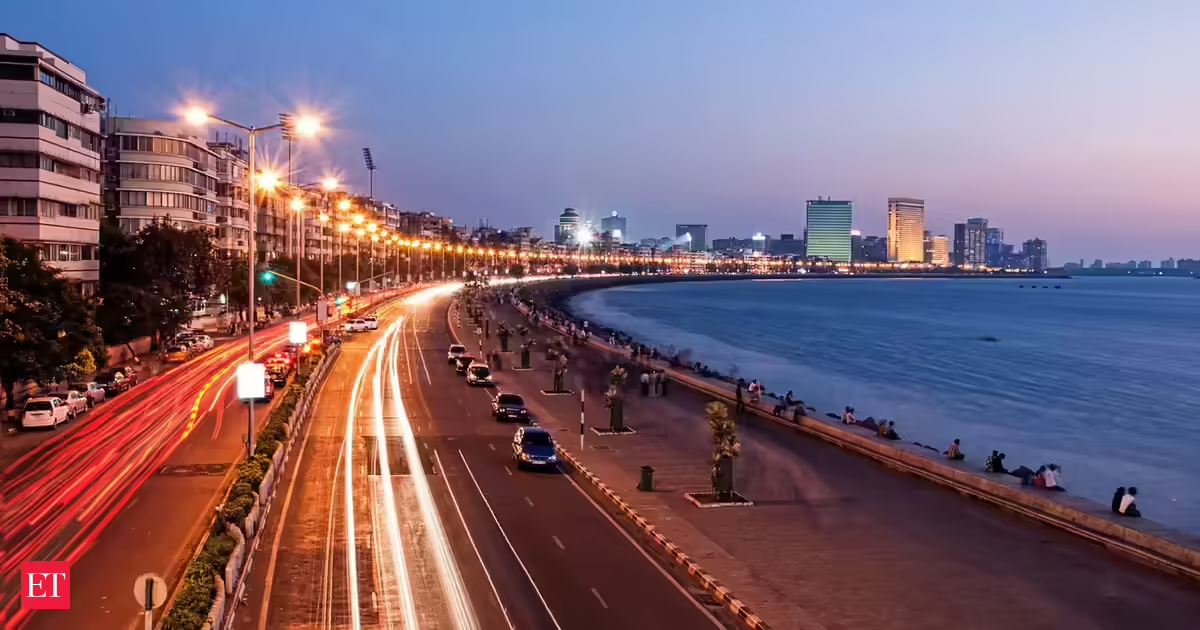
MUMBAI: Most people outside Bengaluru have probably never heard of Namma Yatri—an app that is mostly used to aggregate auto rickshaws, like you would on Uber or Ola. However, it is possible that this narrative may turn out to be one of an also-ran. If it does, it will be a pity. Because the story of this little-known app contains a question much bigger than getting an auto in Bengaluru: When a company discovers a better way of doing business, should it try to become the biggest company in the market? Or should it become the invisible machinery on which everybody else operates?How Namma Yatri can remain on the streetsThis conflict emerged in a conversation with Manoj Nair, who works at the intersection of technology and public policy. He was asked to study it closely by a venture capital firm to see if there was merit in backing the idea. The more he spoke, the more it seemed Namma Yatri may have made an interesting category mistake. It built a restaurant when perhaps it should have built the kitchen.To start with, Namma Yatri did something radical. Unlike other ride-hailing companies, it did not take a percentage of every fare from the driver. Drivers paid between ₹25 and ₹30 a day for using the software. When it aligned with Bengaluru’s auto drivers’ union, it grew rapidly. Drivers put stickers on their vehicles and told passengers about the service. The people who supplied the rides became the company’s sales force. That is a more interesting way of building a business than another app burning money until customers become a habit.And it worked. Beginning 2023, Namma Yatri became a significant presence in Bengaluru and later expanded into cabs. But Bengaluru is not India. An attempt to bring Mumbai’s kaali-peeli taxis into the fold went nowhere. According to Nair, the company was not especially effective at selling its story outside the ecosystem in which it had first taken root.Then something more awkward happened. From 2024 onwards, Uber and Rapido started to adopt elements of the same model. Suddenly Namma Yatri’s most obvious advantage was no longer unique. This is the moment at which a conventional startup would probably decide to compete harder—spend more, advertise more, enter more cities. Namma Yatri had another option. This is where the Open Network for Digital Commerce (ONDC) enters the story. Nair used to work as well.Think of ONDC as a mall. Inside it, many different restaurants compete for customers. Each restaurant has its own name, its own brand, its own relationship with the people who walk through the door. What most of those restaurants do not want to build and run is the kitchen. Namma Yatri was well placed to be the central kitchen: it could aggregate autos and other vehicles and provide the software that made them available to any of the restaurants. Paytm could bring its customers. Tata Digital could bring its customers. A transport corporation could bring buses and metro services. The passenger would keep using the app she already knew. Namma Yatri would sit underneath and make the arrangement work.That is the basic promise of an open network. Different companies do different pieces of the job rather than one company owning the entire relationship with the customer. In the digital economy, whoever owns the customer usually owns the economics. An open network tries to turn that logic on its head.Namma Yatri, however, largely kept control of the whole experience. Drivers used its system. Passengers used its app. It ran both sides itself. Later it built a broader system that could also handle cabs and metro, and sold that system to state governments. Chennai One is the best example. Other states saw smaller efforts. In each case the result was still a separate branded service. Namma Yatri was well placed to become the shared system that many different apps could use. Instead, it continued to run or enable its own branded services. In the metaphor, it chose to run its own restaurants rather than stay as the kitchen that many restaurants could use.UPI shows the other possibility. PhonePe and Google Pay compete for the customer while the underlying rails remain open. An open commerce network needs the same thing: a few serious front ends and enough suppliers to make the system useful. Tata Digital is already moving in that direction in food and financial services. Nair’s verdict is simple: the idea still has force.Namma Yatri is not a failure. It proved the kitchen works. Its unfinished story is whether it can resist the temptation to own the restaurant. On a day when the country marks political independence, the quieter question remains economic: whether ordinary participants in the market can transact without a private layer continuously taking a cut simply for making the connection.
How Namma Yatri can remain on the streets
MUMBAI: Most people outside Bengaluru have probably never heard of Namma Yatri—an app that is mostly used to aggregate auto rickshaws, like you would on Uber or Ola | Mumbai news
798 words~4 min read