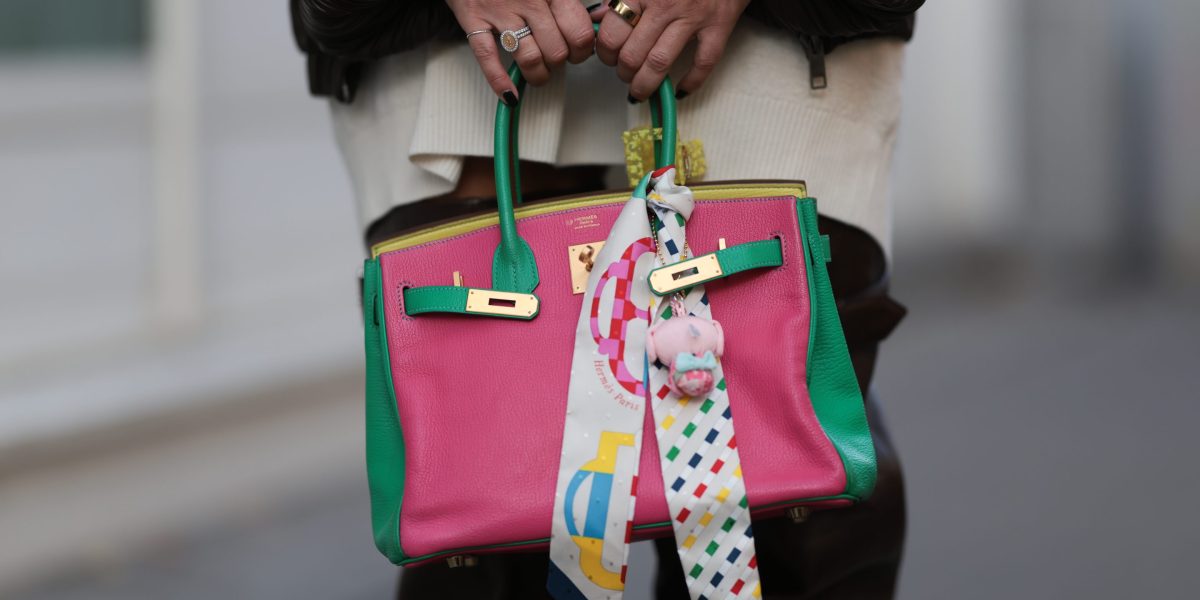
With its padded leather and gold “CC” lock, Coco Chanel’s instantly recognisable bag is practically part of the uniform for any self-respecting Bangkok property agent – an apt accessory for a city that recently edged into the top 10 anywhere for luxury spending.But in chastened economic times liquidity and luxury are no longer in lockstep, challenging many of those with expensive tastes to find new ways to keep up appearances while balancing their books.Jirapun Ngam, 42, works in the fast-paced business of buying and selling the Thai capital’s skyline.She pays for her designer goods on instalments, keeping cash to buy, renovate and flip homes as they hit the market.“I need cash to invest in my business, but I also want luxury items,” she said. “With instalment plans, I get the product immediately and pay it off monthly with only a small amount of interest.”Her calculation reflects a growing mindset among Southeast Asia’s aspirant middle class, a cohort unwilling to let their tastes decouple from the super-rich, despite the economic turbulence of the last few years.Instead, an alternative luxury economy is evolving.
Bling gamble: how Southeast Asia’s middle class is redefining luxury
Instalments and resales are helping customers from Bangkok to Jakarta bridge the gap between aspiration and affordability.
181 words~1 min read