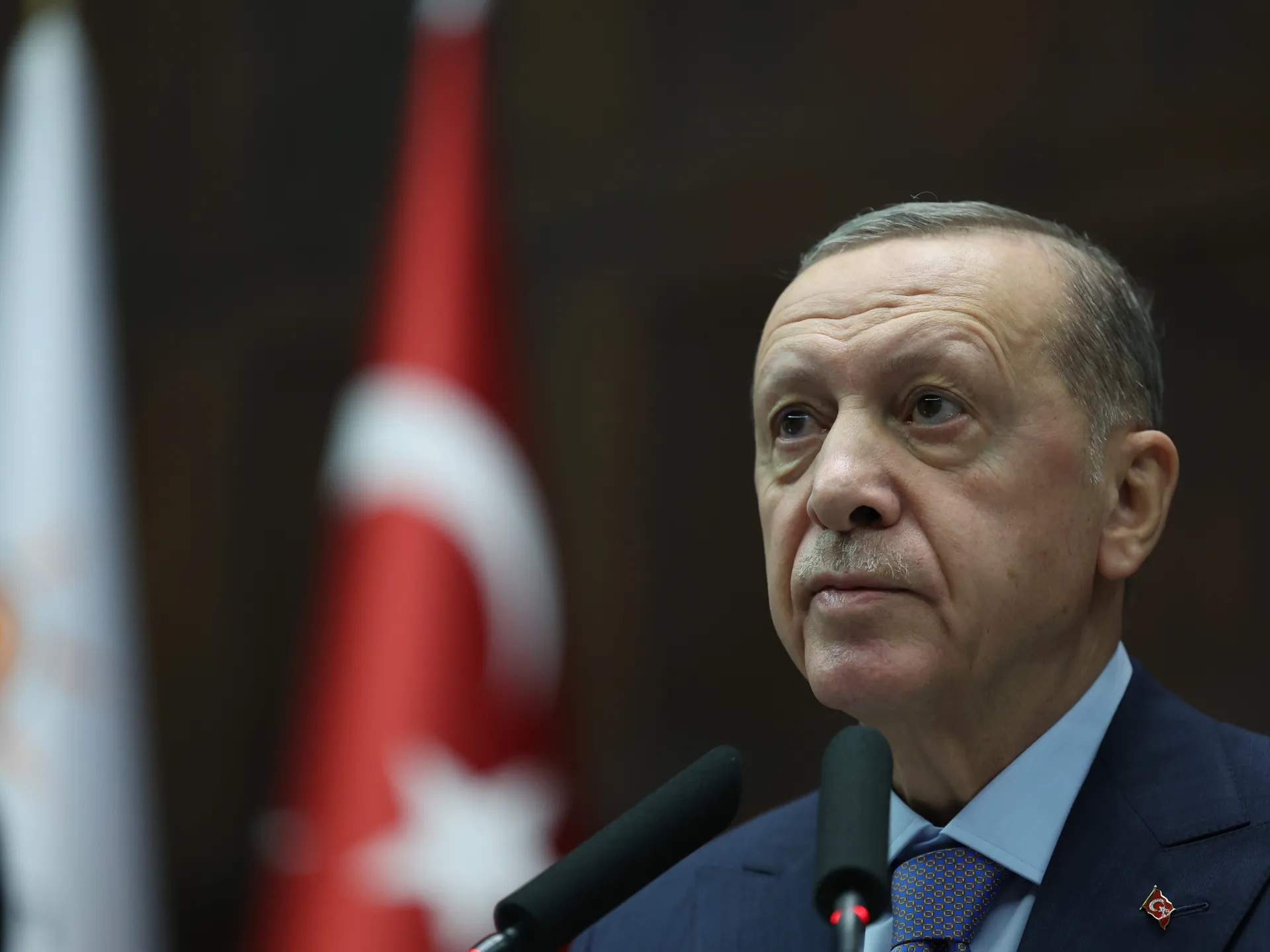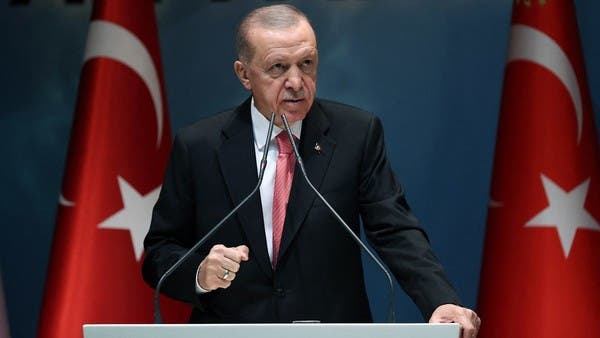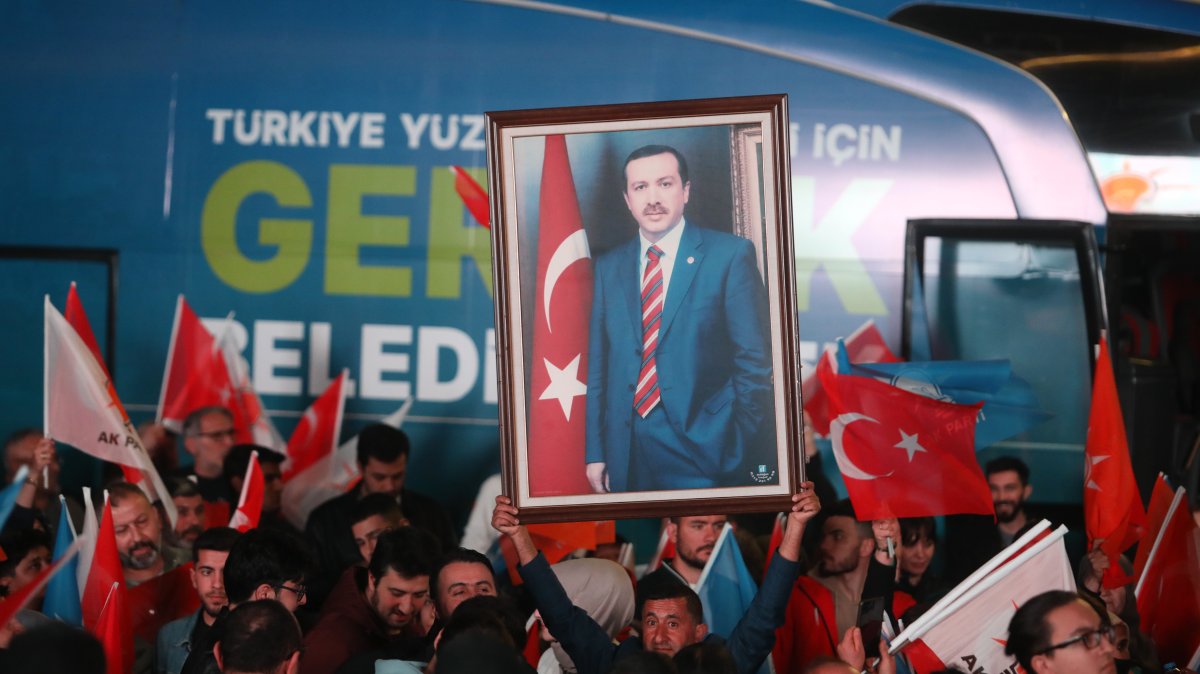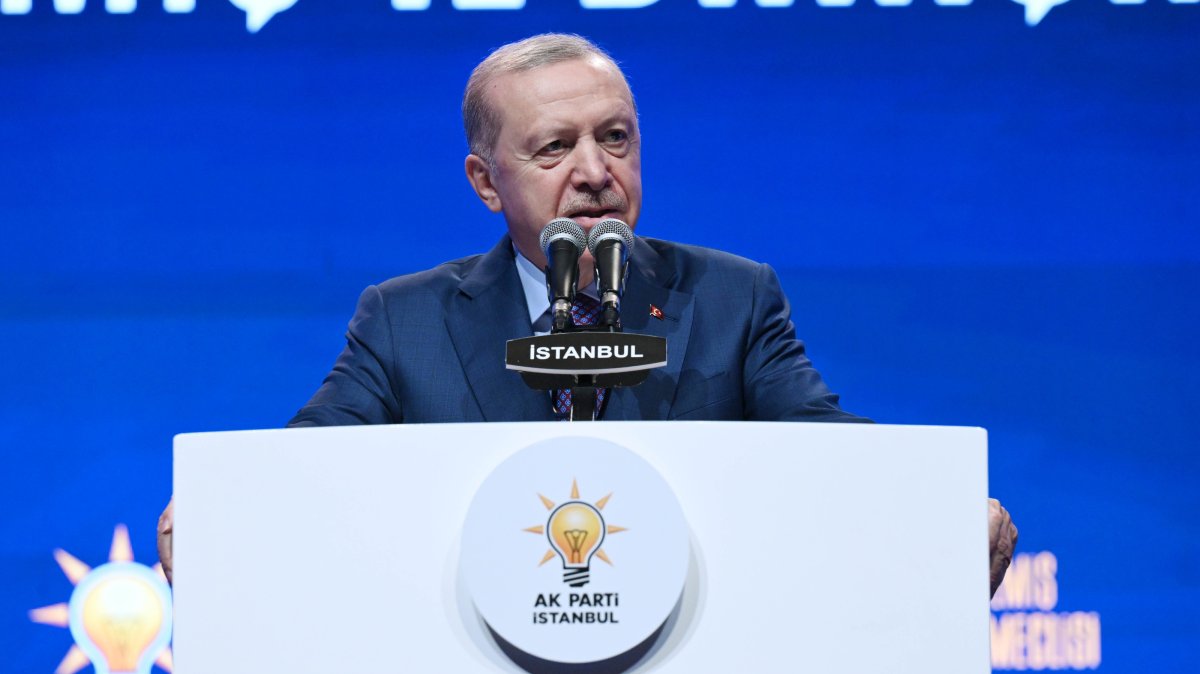
Founded on Aug. 14, 2001, the Justice and Development Party (AK Party) is celebrating its 25th anniversary today. A quarter of a century – easier said than done. Moreover, these 25 years have coincided with an extraordinarily turbulent period for Türkiye and its surrounding region, marked by crises and major upheavals. For a political movement to remain at the center of the country’s politics for 25 years through a period that witnessed numerous major challenges – from global economic crises to regional wars, from the July 15 coup attempt to terrorist attacks, and from the pandemic to the Feb. 6 earthquakes – is in itself a remarkable phenomenon that deserves careful consideration. Just 15 months after its establishment, the AK Party came to power on its own in the Nov. 3, 2002 elections and has succeeded in finishing first in every general election held since then. Therefore, the AK Party’s 25-year story is not merely the story of a political party’s long tenure in power; it is also the story of Türkiye’s profound social transformation over the past quarter century.
The most distinctive feature of this long period has been the extraordinarily strong relationship of trust that President Recep Tayyip Erdoğan has built with broad segments of society. Political parties may wear down over time, organizations may change, policies may be criticized, and voters’ attitudes toward a party may fluctuate. Indeed, the AK Party has not been immune to any of these dynamics over the past 25 years. Yet the relationship voters have established with President Erdoğan has gone far beyond the conventional relationship between a political party and its electorate. At times, a significant portion of the public has drawn a distinction between the AK Party and the president, keeping their criticism of the party separate from their trust in Erdoğan. As a result, a lasting relationship of trust and loyalty has emerged on a scale that very few leaders – perhaps none – in Türkiye’s recent political history have been able to achieve.