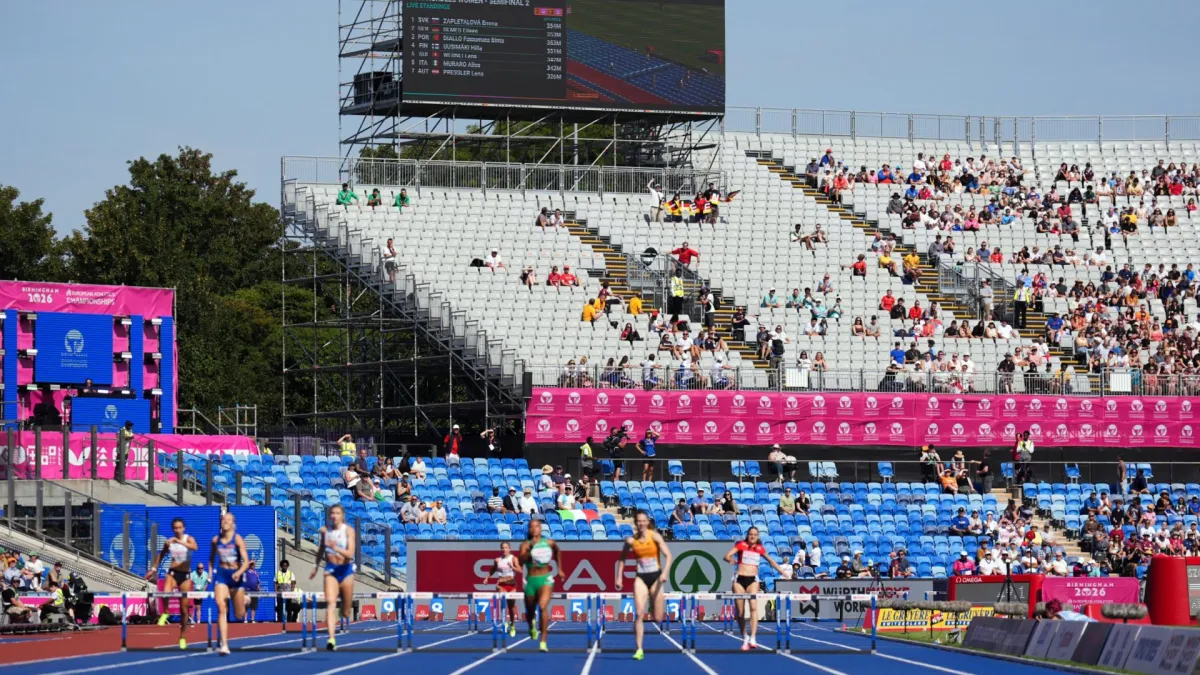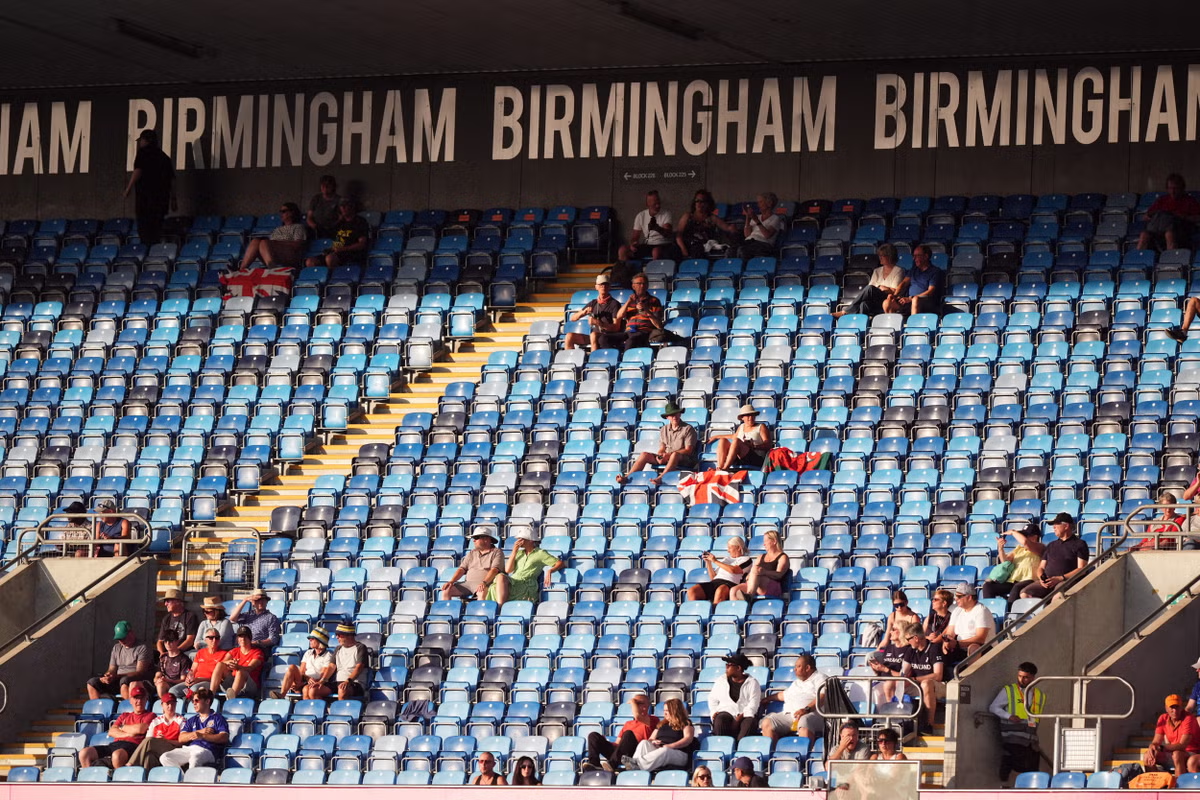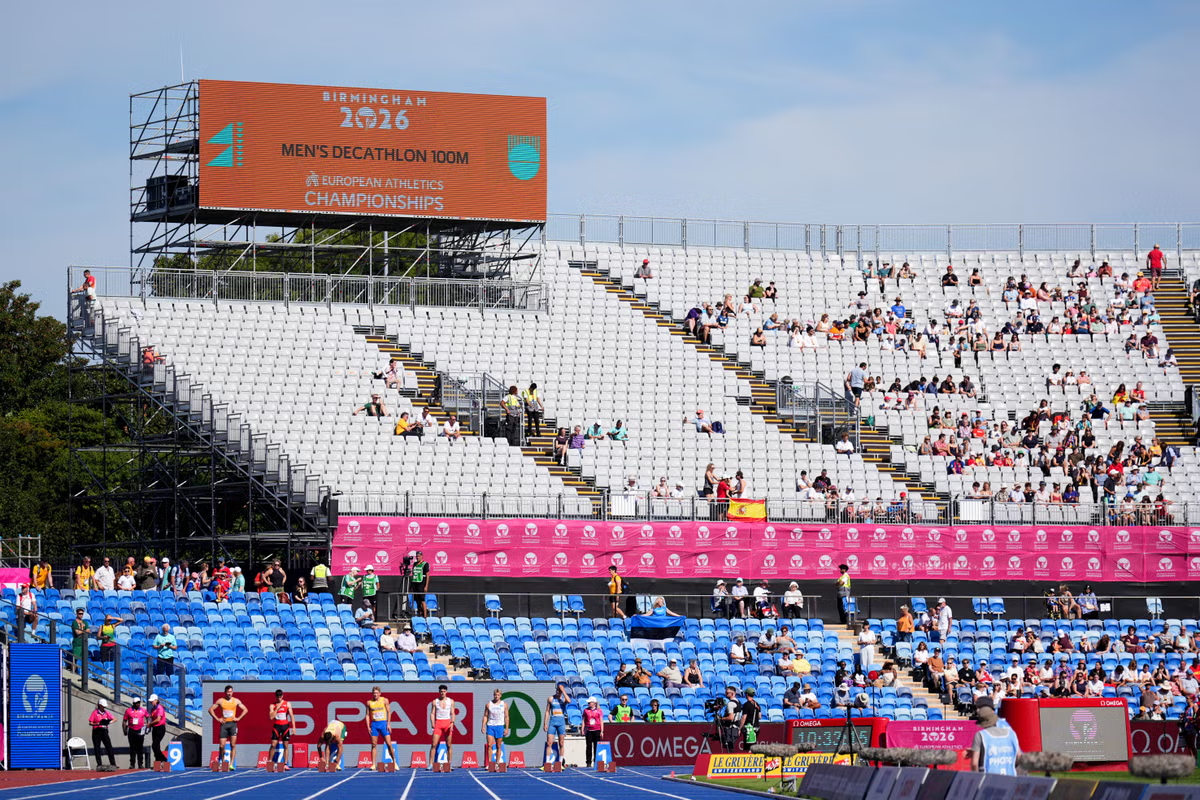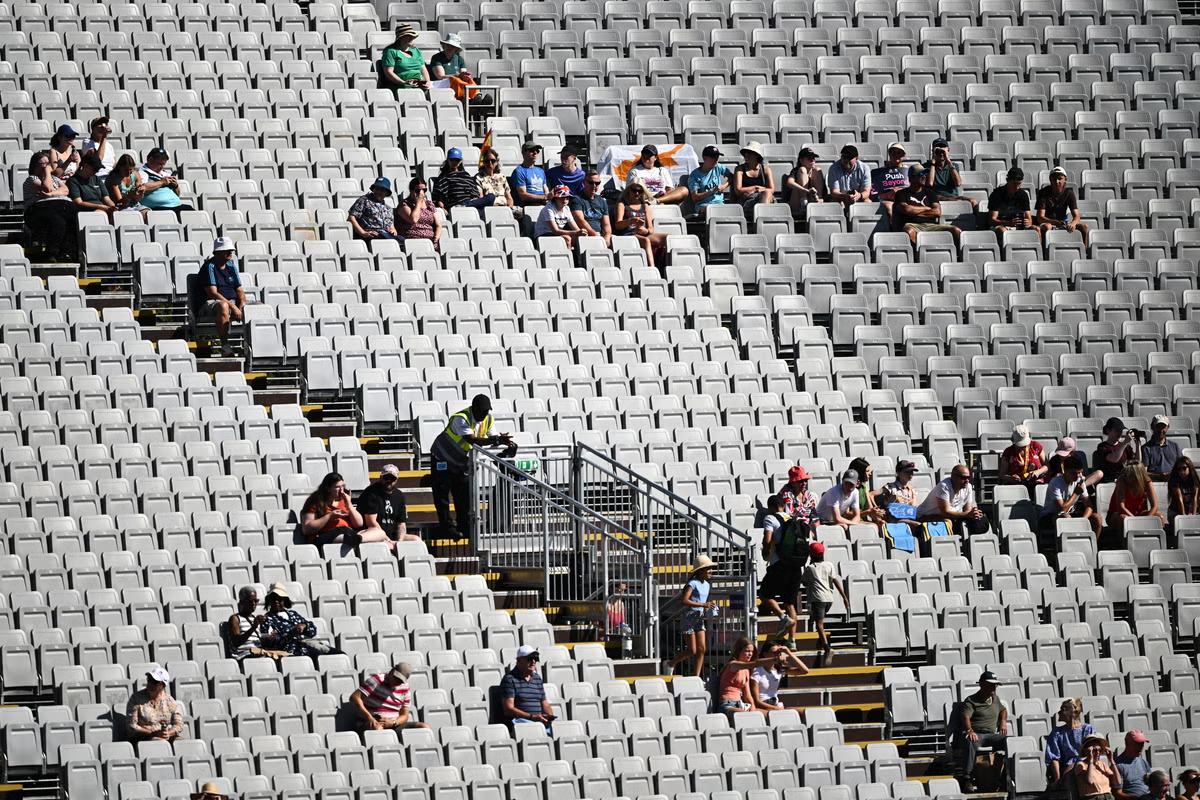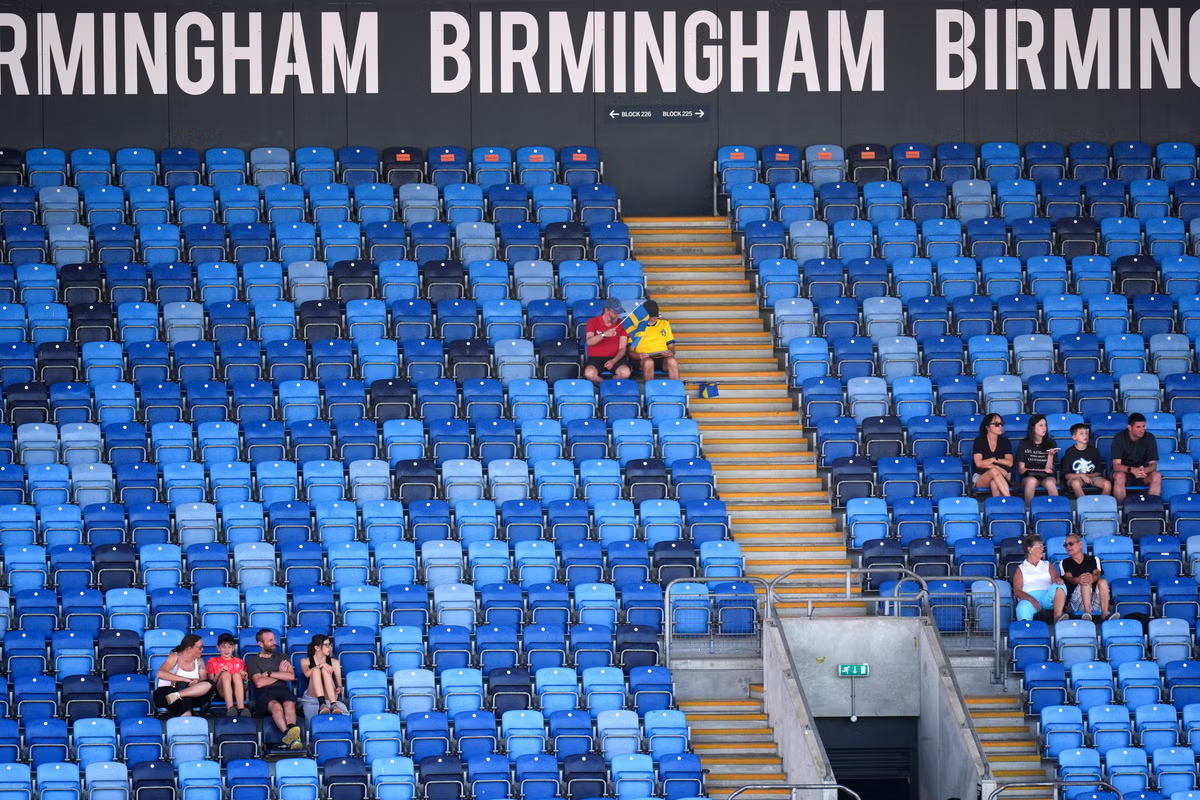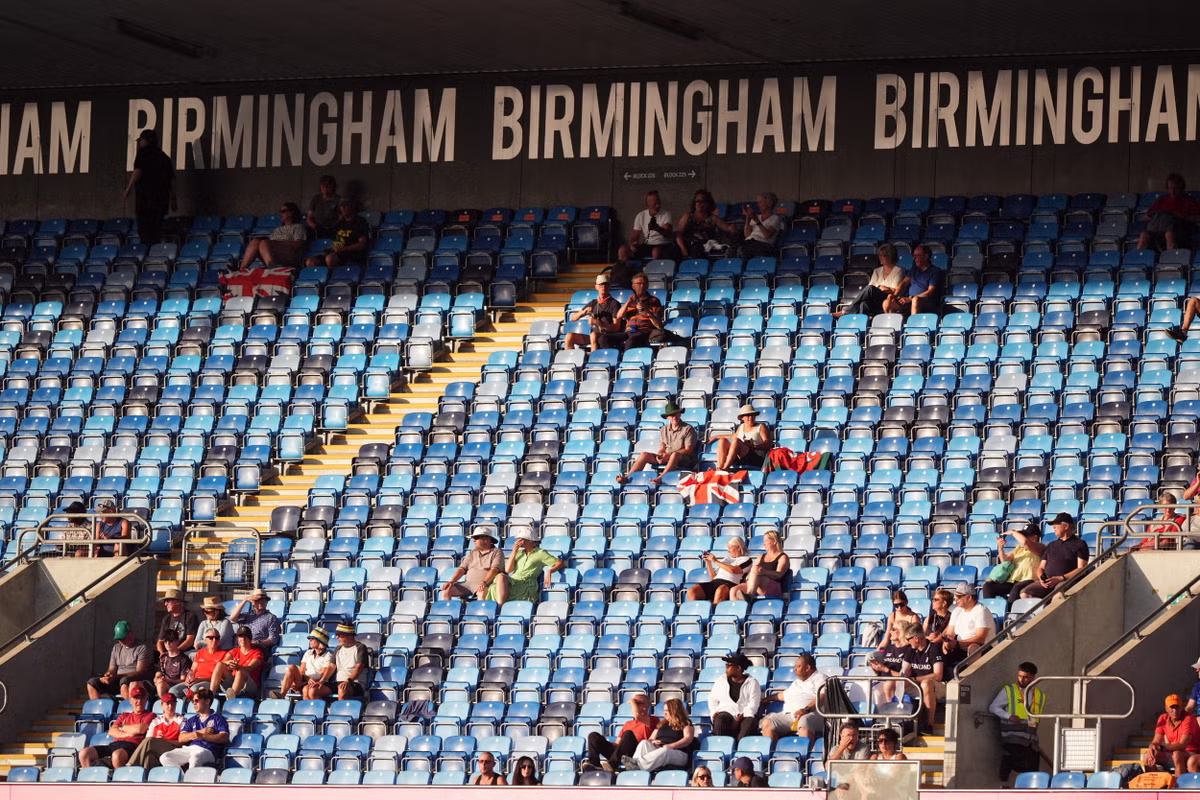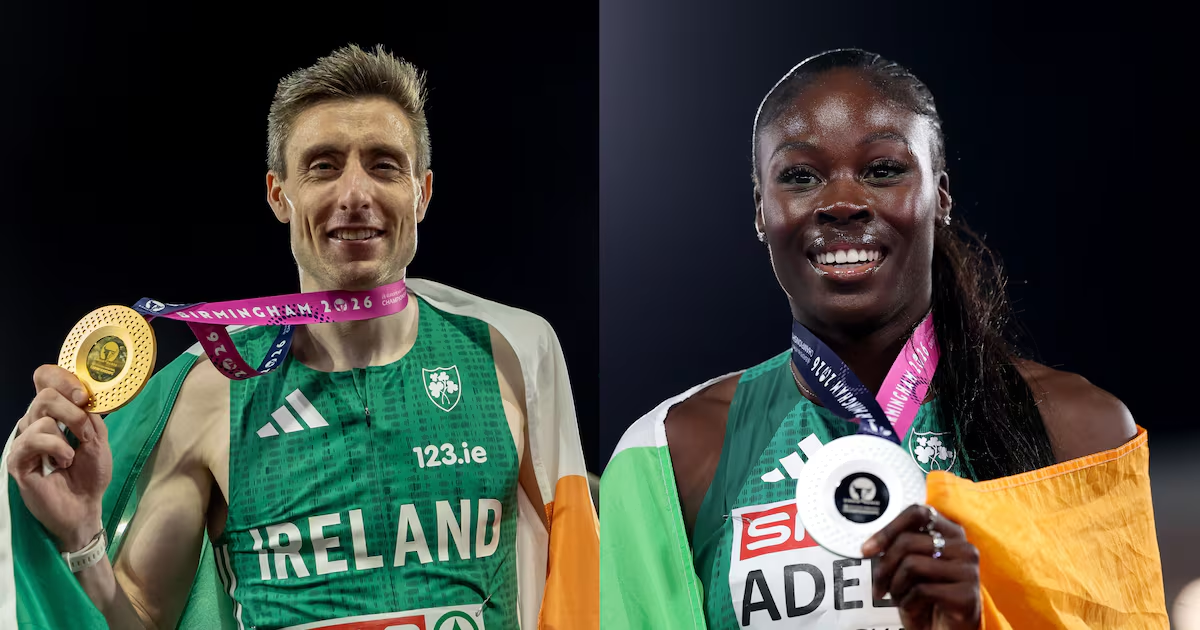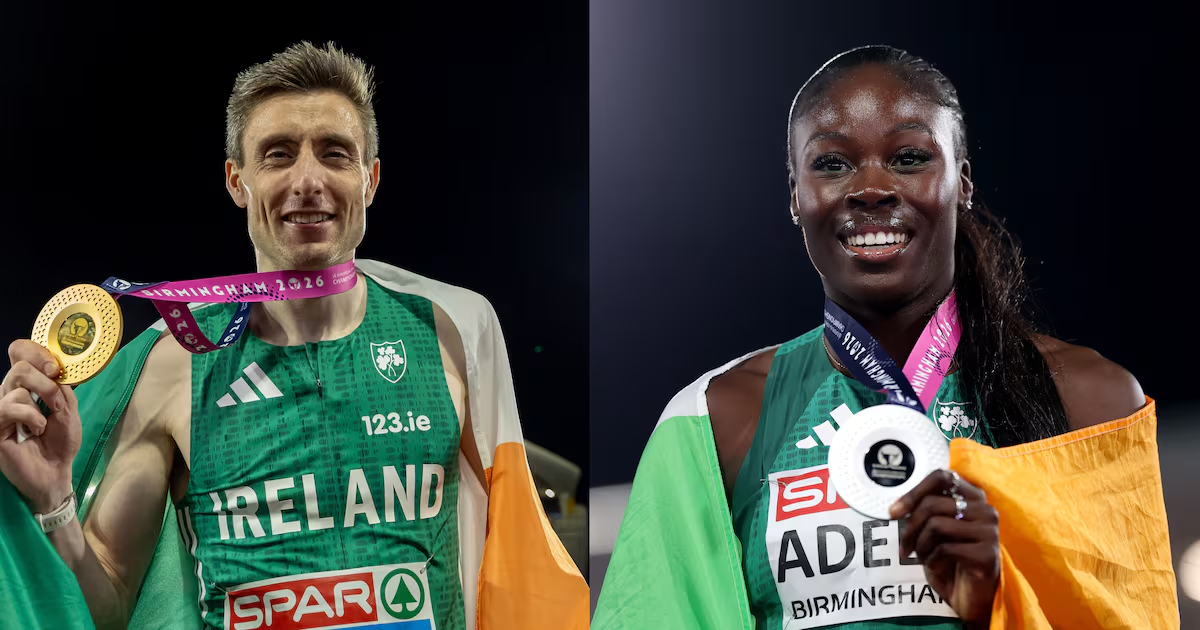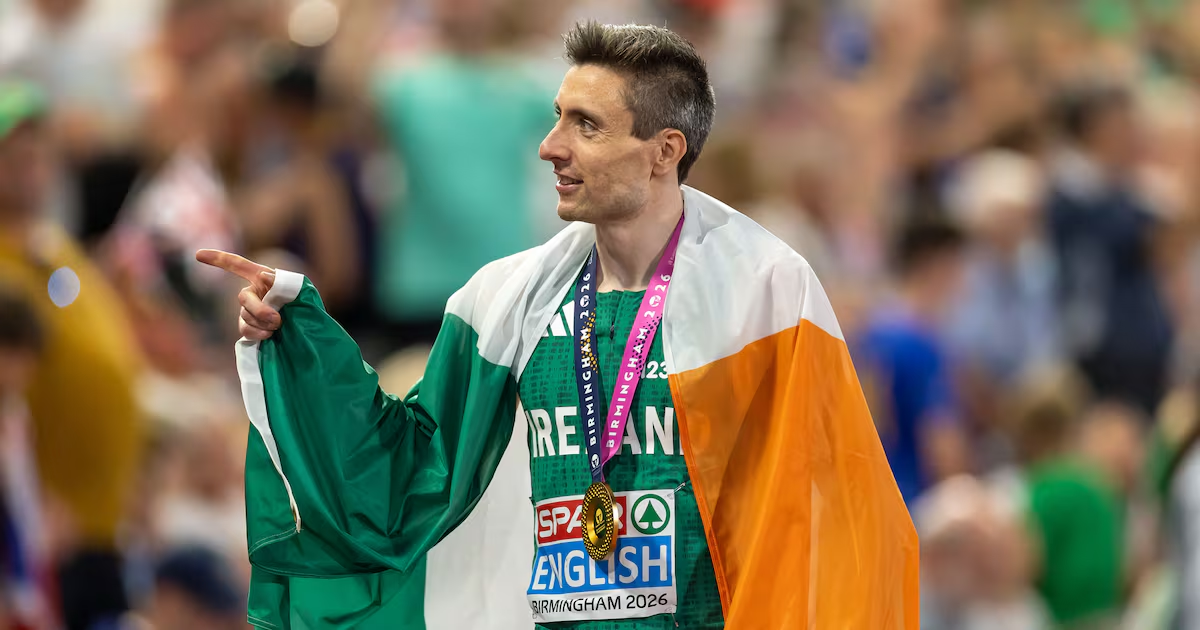
It was close to midnight on Thursday by the time the last of the lingering Irish supporters moved towards the exit gates at the Alexander Stadium. For the opening three days and nights, much of the talk at these European Championships had lamented the poor attendances and at times muted atmosphere in and around the stadium. Partially explained, perhaps, by its desolate location on the northern outskirts of Birmingham.For a city that’s renowned as the birthplace of heavy metal – ever since a local four-piece band named Black Sabbath played their first live gig at The Crown Bar in the summer of 1968 – the lack of any proper stadium noise certainly felt a little strange.That perception changed over the course of Thursday’s evening session. It was said beforehand that 12 per cent of the tickets sold for the seven days of these championships were sent to Irish addresses. By the time the evening events got underway on day four, it felt like that Irish support was all front of stage.The two headline acts were the men’s 800m final, followed by the women’s 200m, happening just 22 minutes apart. Both with strong Irish medal hopes in Mark English and Rhasidat Adeleke. Once English got the crescendo of roars going by winning the gold medal, followed swiftly by Adeleke winning silver, it turned into one of the most glorious nights in the history of Irish athletics. English and Adeleke soaked up their medal-winning moments for all their worth, as well they might. It was no wonder some of those Irish supporters were in no hurry to leave. The Alexander Stadium may lack the grand scale and imposing design of some recent European Championships venues – think Berlin’s Olympiastadion, Barcelona’s Montjuic Olympic Stadium or, my personal favourite, Rome’s Stadio Olimpico. But its relative intimacy did allow for the spectators to get up close and personal with the athletes. Especially when leaving the temporary marquee tent which doubled as the mixed zone, and which spilled the athletes out close to one of those public exit gates.Which is where a large section of those Irish supporters lingered on Thursday night, waiting to greet English and Adeleke, who had just written their own individual chapters in European Championships history. Ireland’s Rhasidat Adeleke celebrates with her silver medal after finishing second in Thursday's 200m final at the European Athletics Championships in Birmingham. Photograph: Morgan Treacy/Inpho In winning the 800m, after a series of five runner-up medals, English became the first Irish man to win a European outdoor title in any event. To help appreciate the magnitude of that achievement, consider just two other Irish men who couldn’t quite get that fa: Ronnie Delany won 1,500m silver in 1958, two years after he won the Olympic gold medal, with Eamonn Coghlan also winning 1,500m silver in 1978.Adeleke has won three European medals, her 400m silver plus two relay medals – mixed gold and 4x400m silver – two years ago in Rome. In winning a first ever Irish medal in the 200m, man or woman, she has now surpassed Sonia O’Sullivan’s previous standalone feat of winning three European medals in three different events.Thursday night did have some recent echoes from the European Indoors, in March of last year, when within 36 minutes, three Irish medals were won in similarly impressive succession. On that occasion, they were won by English (800m bronze), Sarah Healy (3,000m gold) and Kate O’Connor (pentathlon bronze). There may also be some long, distant echoes from the 1932 Olympics in Los Angeles, when Bob Tisdall won a gold medal for Ireland in the 400m hurdles, followed later that same afternoon by Dr Pat O’Callaghan winning another gold medal in the hammer throw. Although ideally, that feat might be referenced somewhere again in about two years’ time.Mark English stops for a photo after winning gold in the 800m at the European Athletics Championships in Birmingham on Thursday. Photograph: Mike Egerton/PA Wire What helps set apart the two medals won by English and Adeleke isn’t just the impressive nature of their execution, but the contrasting back stories and recent circumstances that came with them. At 33, English produced a tactical masterclass in 800m running, having also broken the 48-year-old championship record in his semi-final. At 23, Adeleke broke her own national record in the 200m, her silver medal completing a stunning turnaround from just three weeks ago when she’d been struggling simply to qualify for Birmingham.Among those waiting for English outside the mixed zone were his parents, Joe and Brigid. They had made the trip to Birmingham from their home in Letterkenny, just as they’d done for so many of their son’s championships appearances, starting with his trip to Moscow for a European Youth Olympics back in 2010, where he won gold in the 1,000m.Two years after that, in September 2012, this correspondent met English for a sit-down interview in UCD, where he’d just started a degree in physiotherapy (before later switching to medicine). Clearly an ardent student of his event, English had already made some bold decisions which he believed would help draw the best out of him, including declining an offer of a running scholarship at Villanova University, where head coach and former Irish 800m record holder Marcus O’Sullivan had clearly seen his promise too.Rhasidat Adeleke celebrates with family after winning a silver medal in the 200m final at the European Athletics Championships at Alexander Stadium, Birmingham. Photograph: Morgan Treacy/Inpho It certainly hasn’t been all smooth running ever since. English repeatedly referenced that 16-year journey back to the top of the European podium. Not that he’s in any way finished yet. There’s still that Irish 800m record he’d surely love to win back.A little later, among those waiting for Adeleke outside the mixed zone was her mother Ade, who Adeleke referenced when talking about her recent journey back from injury, and self-doubt. “I got my spark, I got my happiness back,” Adeleke said. “I think this was just such a pivotal moment for me in my career. To never give up on yourself, so this is going to be something that I take on for the rest of my life, really.”The achievements here of both English and Adeleke also provide a timely reminder they are two generational talents, who by that very definition do not come around often. The aligning of their stars this week illuminated a glorious night for Irish athletics.
Ian O'Riordan: In 22 magical minutes, Mark English and Rhasidat Adeleke had sealed their legacies
Comparisons with the greats of Irish athletics fully merited after a night like no other in Birmingham
1,067 words~5 min read