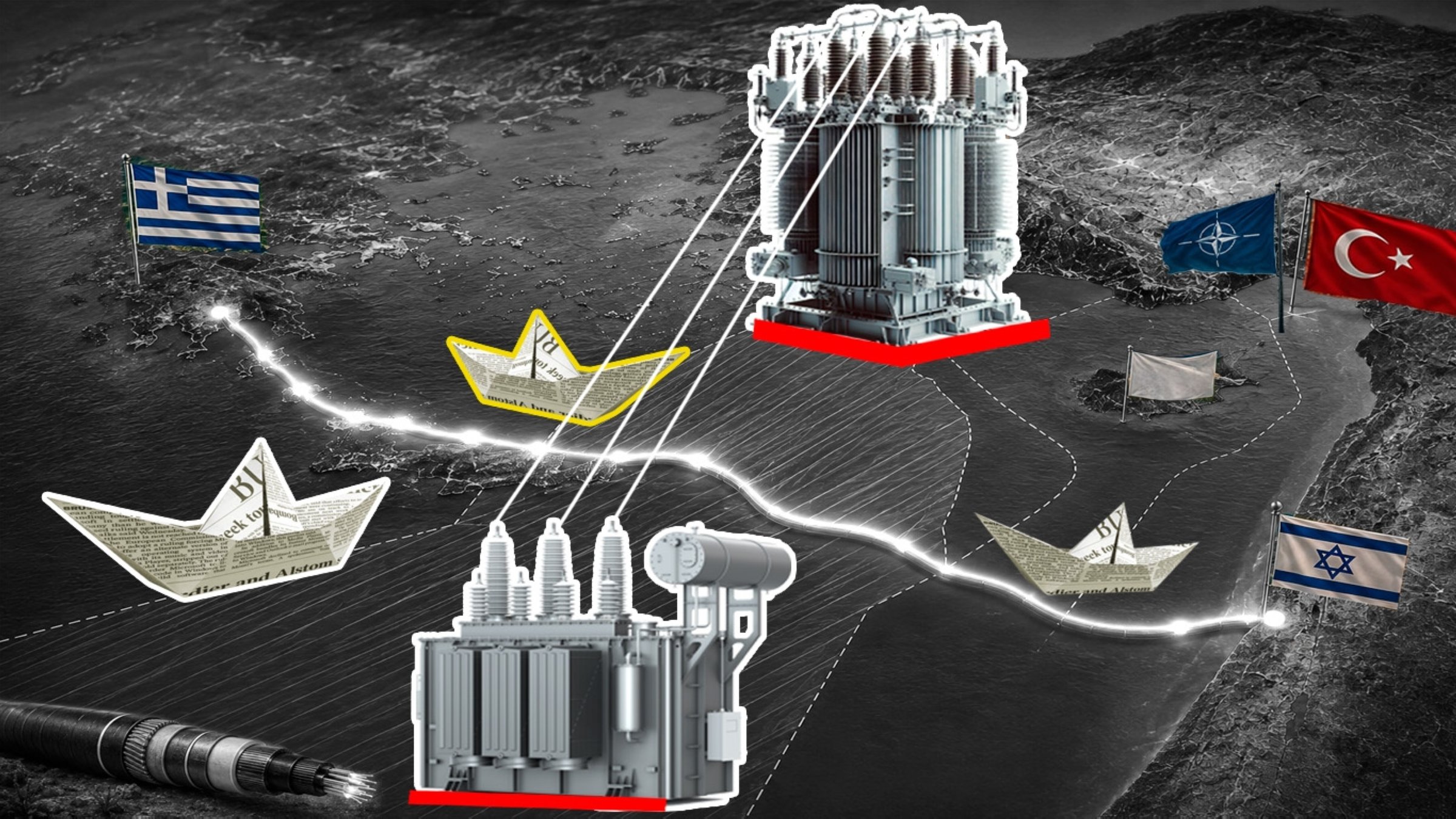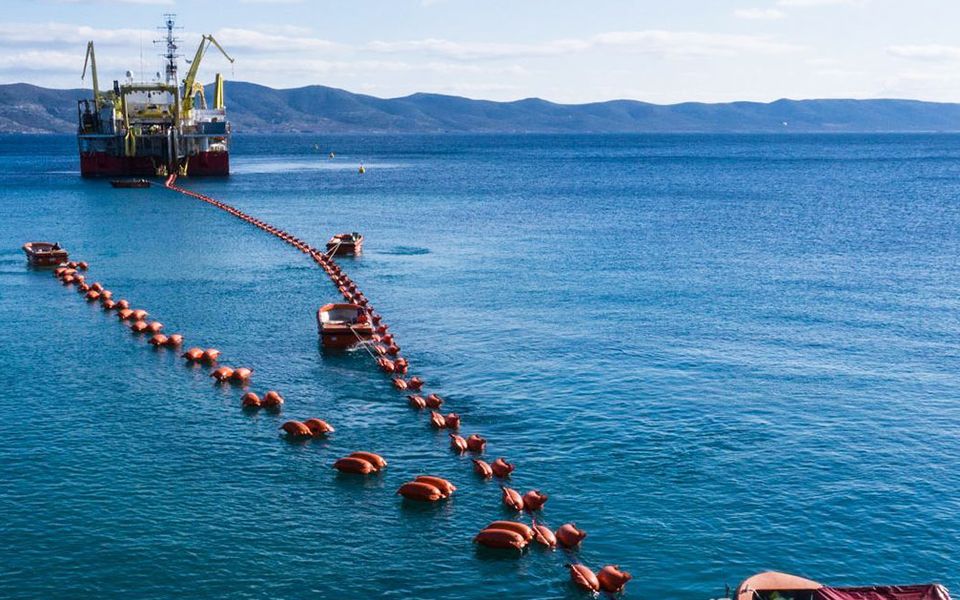
On August 5, after two years of failures, setbacks and disagreements, we had the first good news about the Great Sea Interconnector (GSI), the submarine electrical cable project that would link the grids of Cyprus and Greece – which may later include Israel.
Indeed, since July 2024, when the Italian research vessel Ievoli Relume attempted for the first time to conduct seabed surveys outside the six nautical miles of Greek territorial waters, south of Kasos, and was harassed by Turkish warships, the project has been up in the air for at least two reasons.
First, Turkey had de facto acquired a say and role in the GSI, since it had managed to hinder the seabed surveys, which are a prerequisite for charting the right route and laying the cable. This type of survey is 60% completed, with the remaining 40% concerning the area between Karpathos and Cyprus. The failure consists in Athens’ assessment that Ankara was not going to make its consent necessary for any seabed survey. Even if we had received relevant assurances from Ankara, amid a climate of reduced tensions, we had to consider how much this project undermines Turkey’s overall perception of the “Blue Homeland.”
Based on this doctrine, Ankara believes that it should have a say in any agreement and project that takes place in the Aegean Sea and the Eastern Mediterranean, and that its extreme positions on the delimitation of maritime zones should be respected. Every time this absurd and maximalist perception is negated in practice – as has happened with the partial delimitation agreement between Greece and Egypt, the definition of an Exclusive Economic Zone (EEZ) between Cyprus and Lebanon in November 2025, but also with Chevron’s south of Crete, in areas that intersect with the Turkish-Libyan pact – Ankara believes that it must react strongly to halt any further challenges to the “Blue Homeland.”