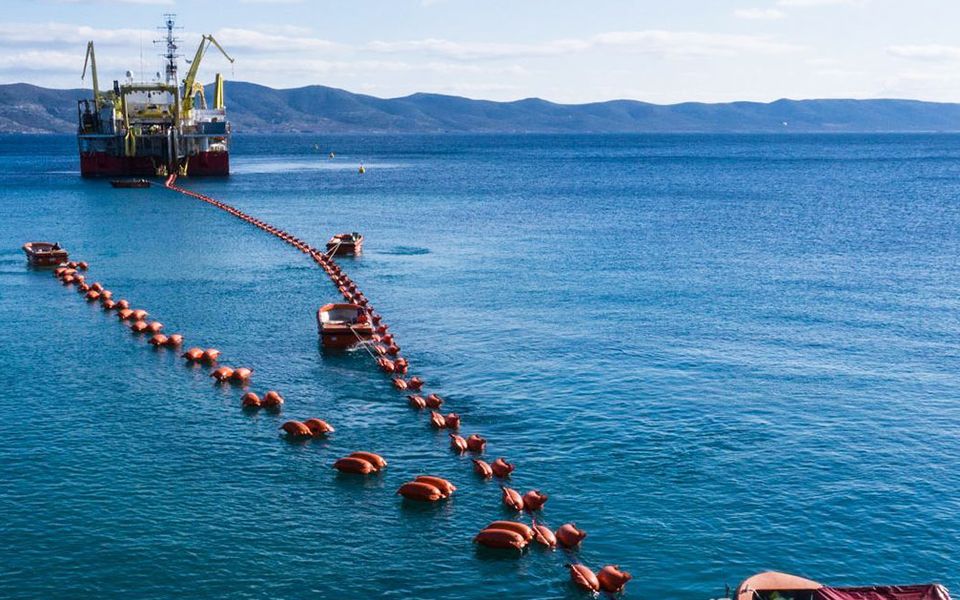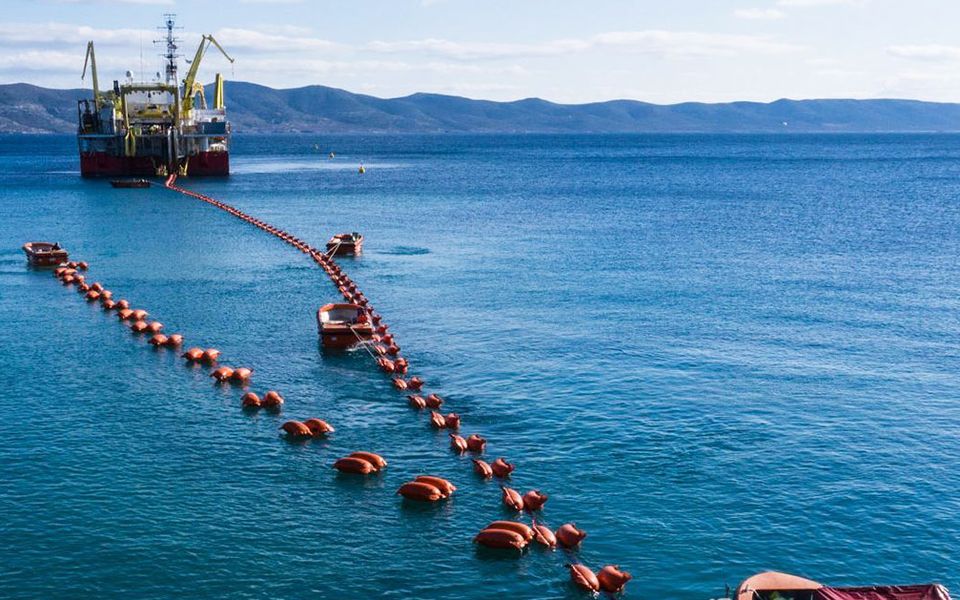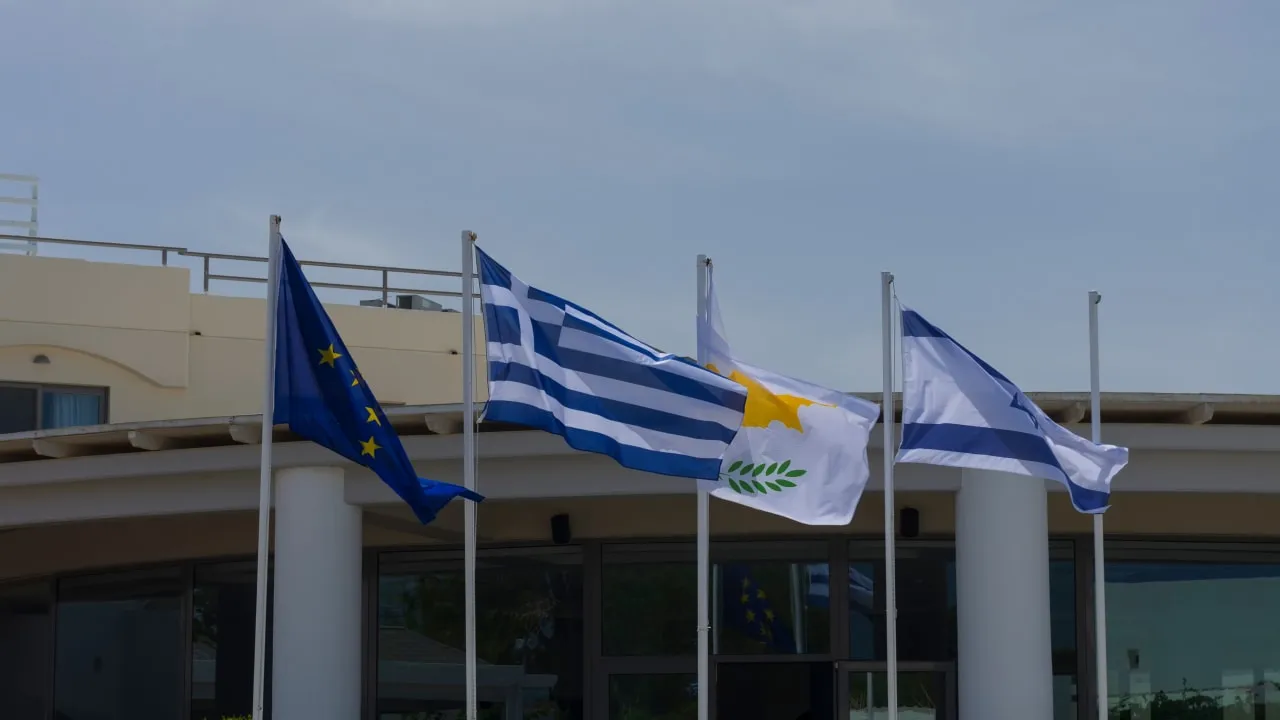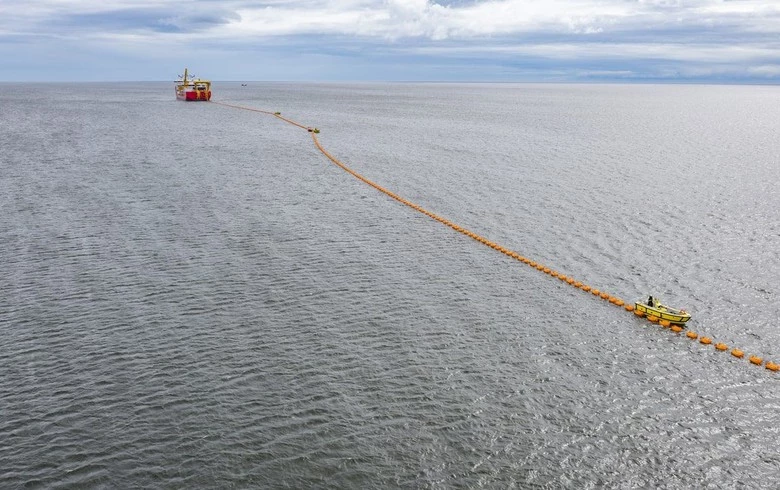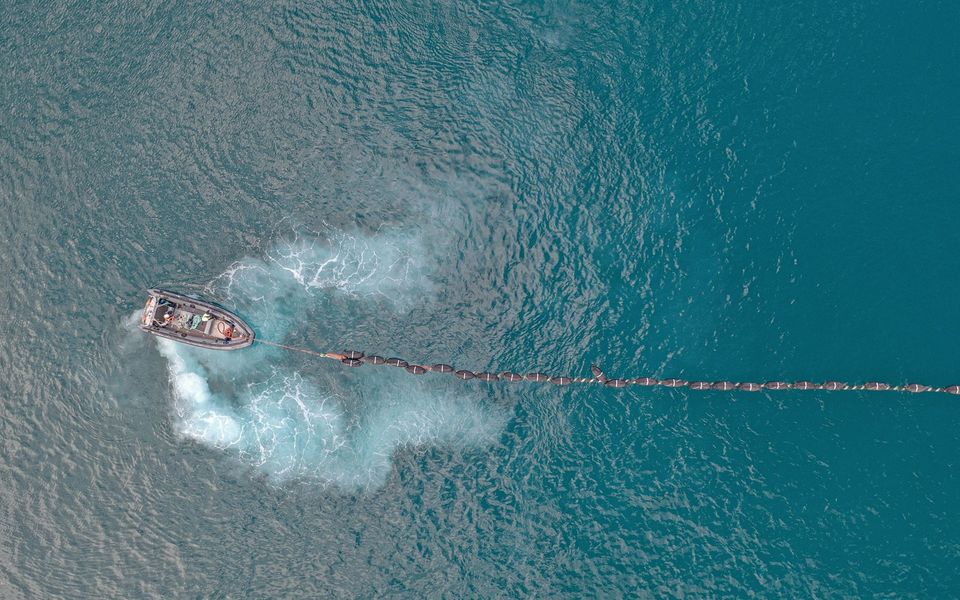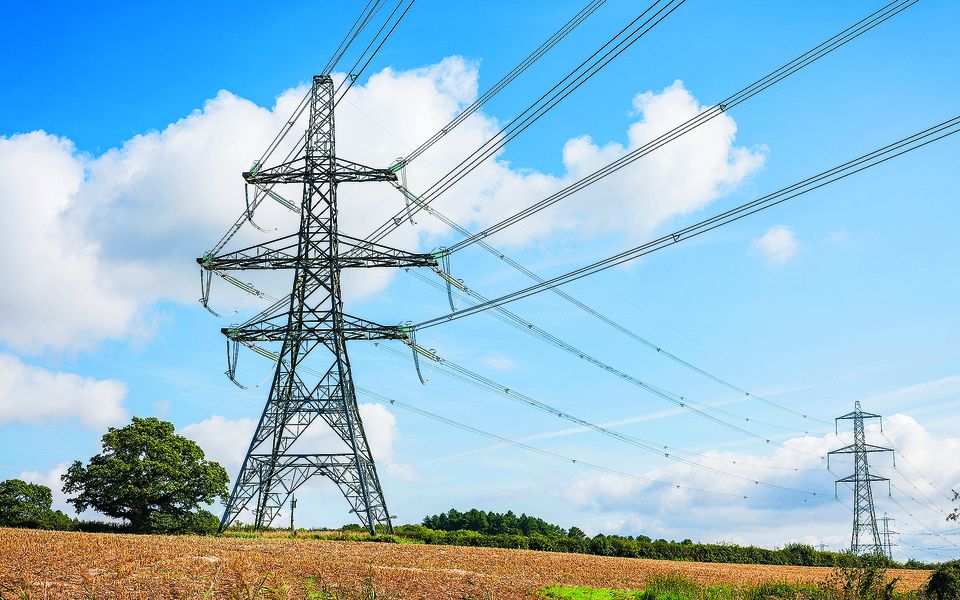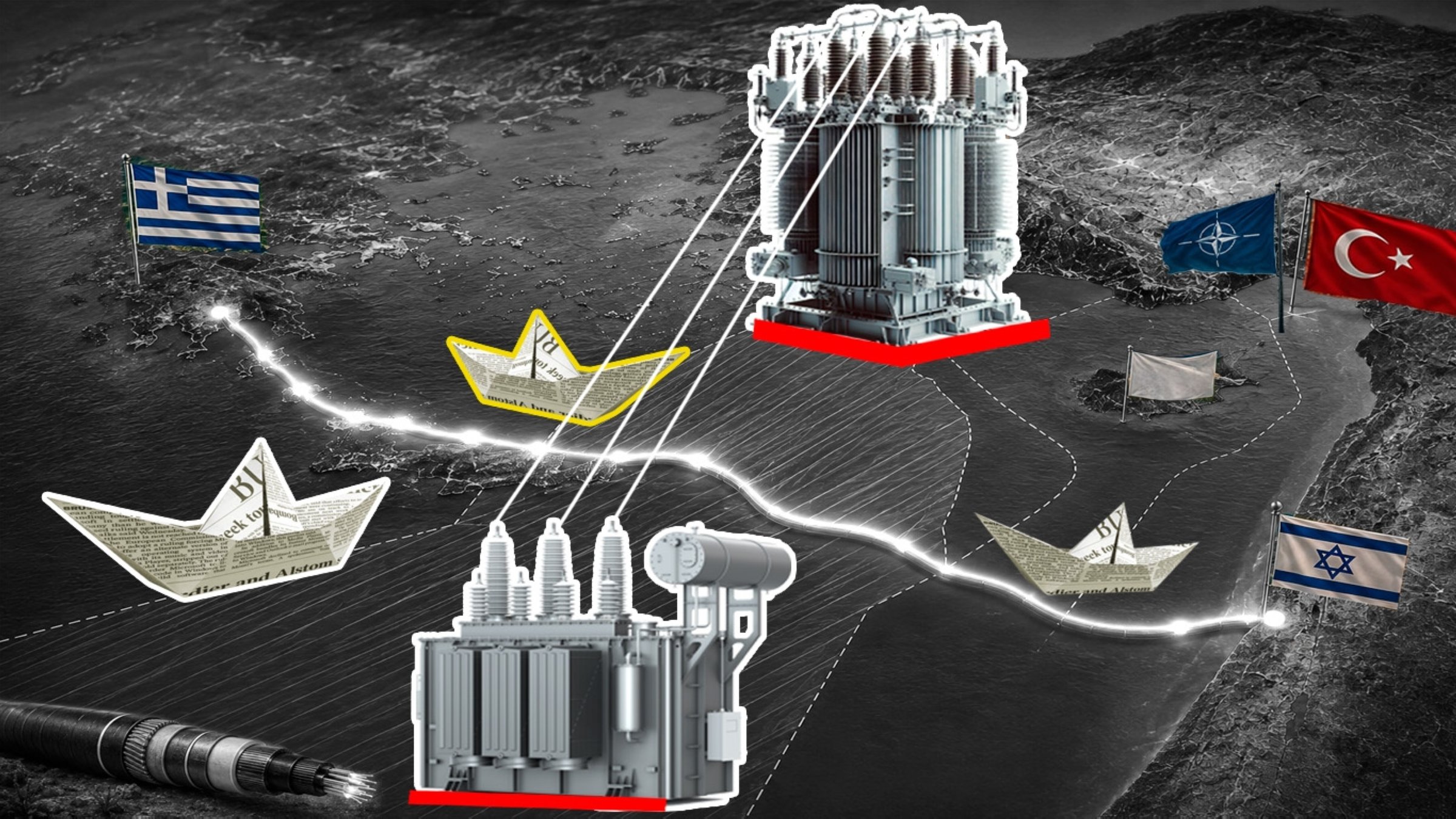
The Great Sea Interconnector is usually presented as an electricity project. That description is accurate, but incomplete. On paper, it is a planned 1,208-kilometer (750-mile) high-voltage direct current link connecting Greece, the Greek Cypriot administration and Israel, with a design capacity of 1,000 megawatts, depths approaching 3,000 meters (9,840 feet) on the Crete-Cyprus section, a 657 million euro ($750 million) EU grant and a total estimated cost of approximately 1.9 billion euros. Strategically, however, it is more than a cable. It is the infrastructural expression of a Greece-Greek Cypriot-Israeli alignment in the Eastern Mediterranean.
The interconnector would connect Cyprus to the European electricity system, offer Israel a maritime backup channel toward Europe and create a corridor where energy resilience, digital control and strategic dependence converge. For Greece, the Greek Cypriot administration and Israel, the logic is clear: A partnership connected by critical infrastructure is more durable than one expressed only through summits, exercises or communiques, while Israel gains not only an energy option but strategic depth in a crisis.
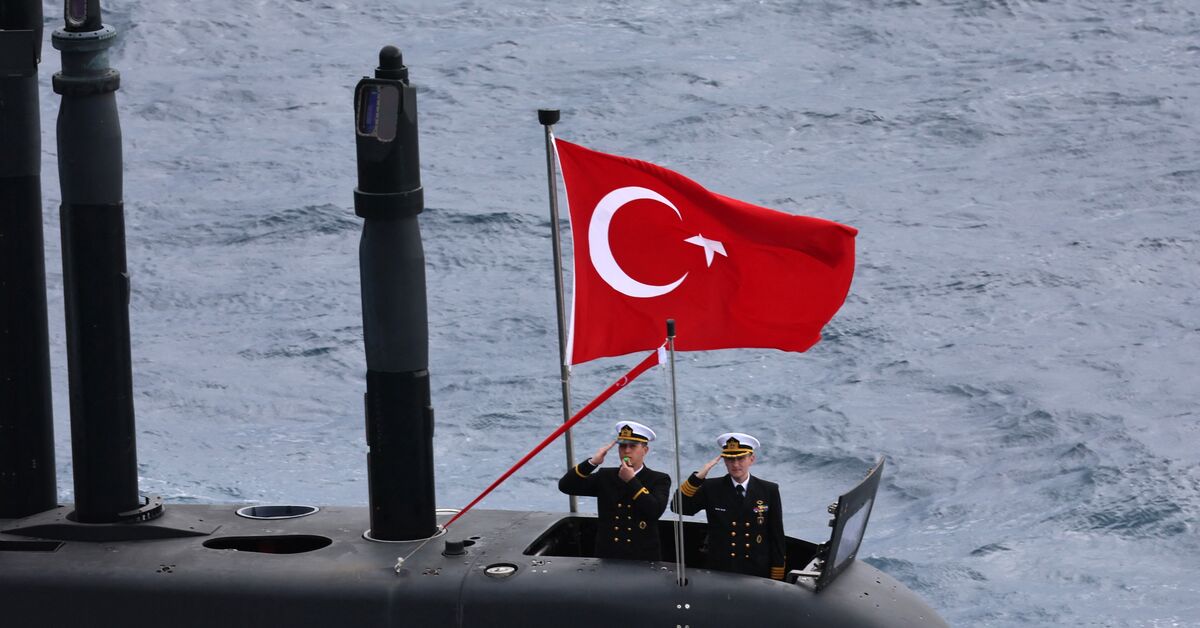
The project belongs to a wider regional architecture: the Greek-Greek Cypriot-Israeli trilateral format, EastMed pipeline diplomacy, joint military exercises and the broader effort to consolidate a strategic infrastructure axis in the Eastern Mediterranean. For Türkiye, the issue is not simply exclusion from that architecture, but the legal route, security function and critical undersea character of the corridor itself.