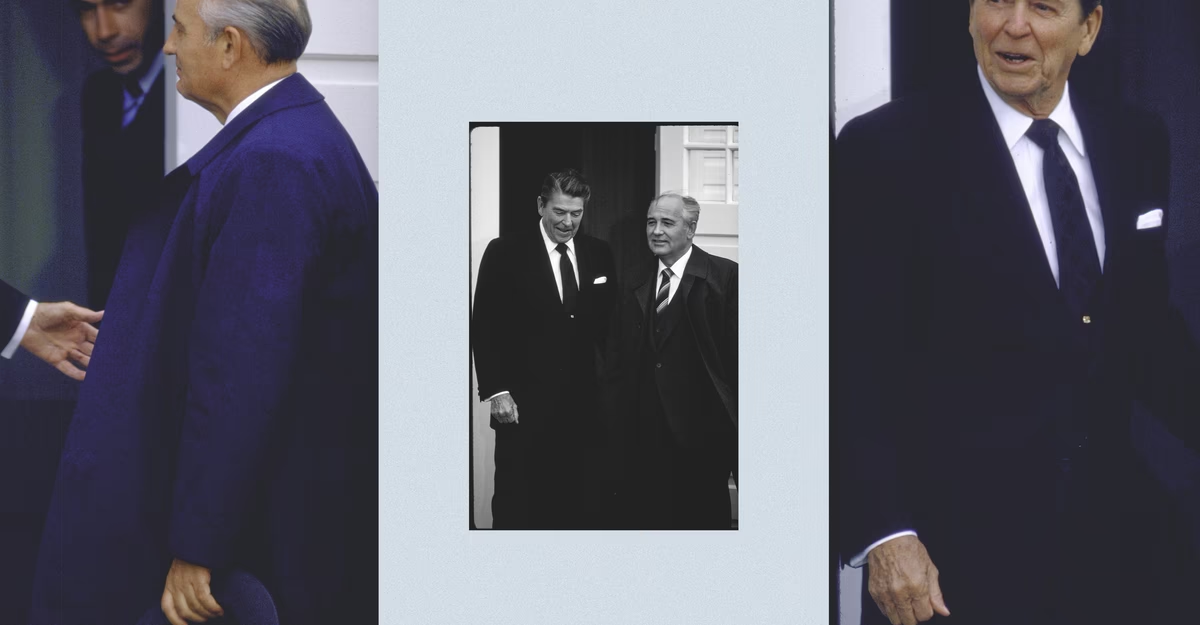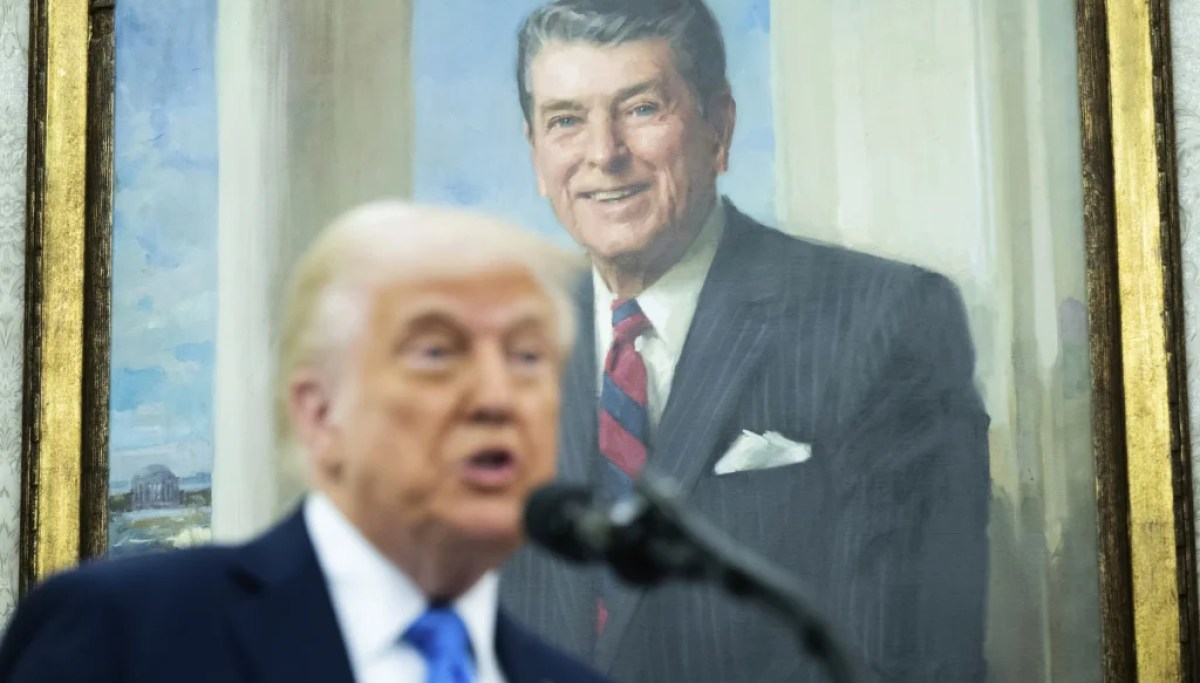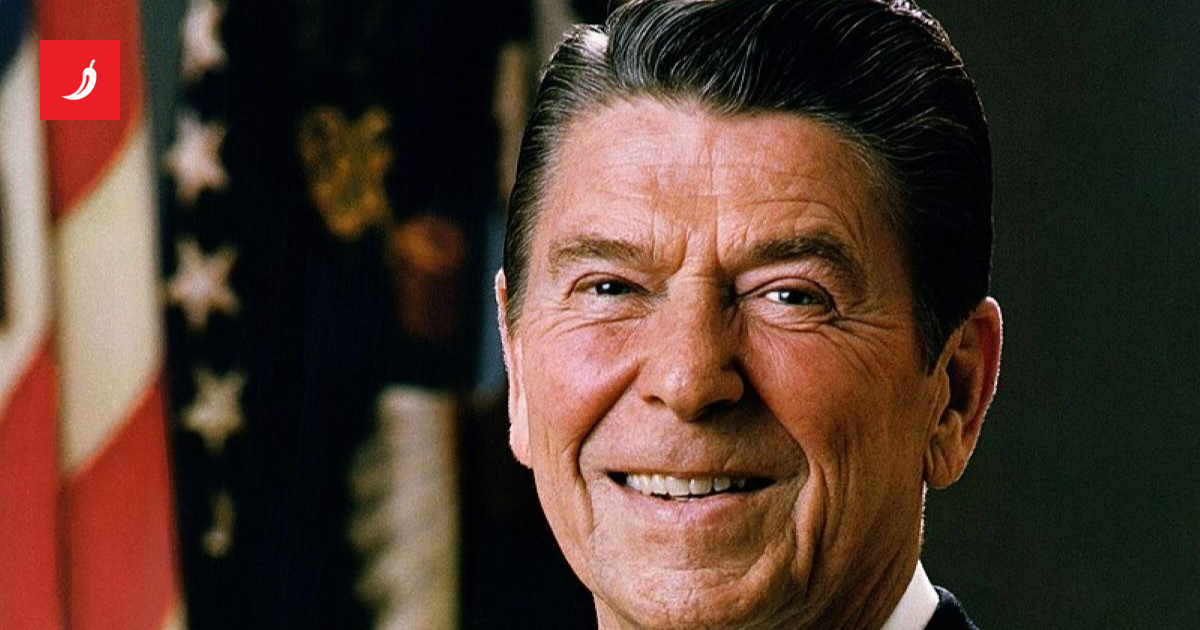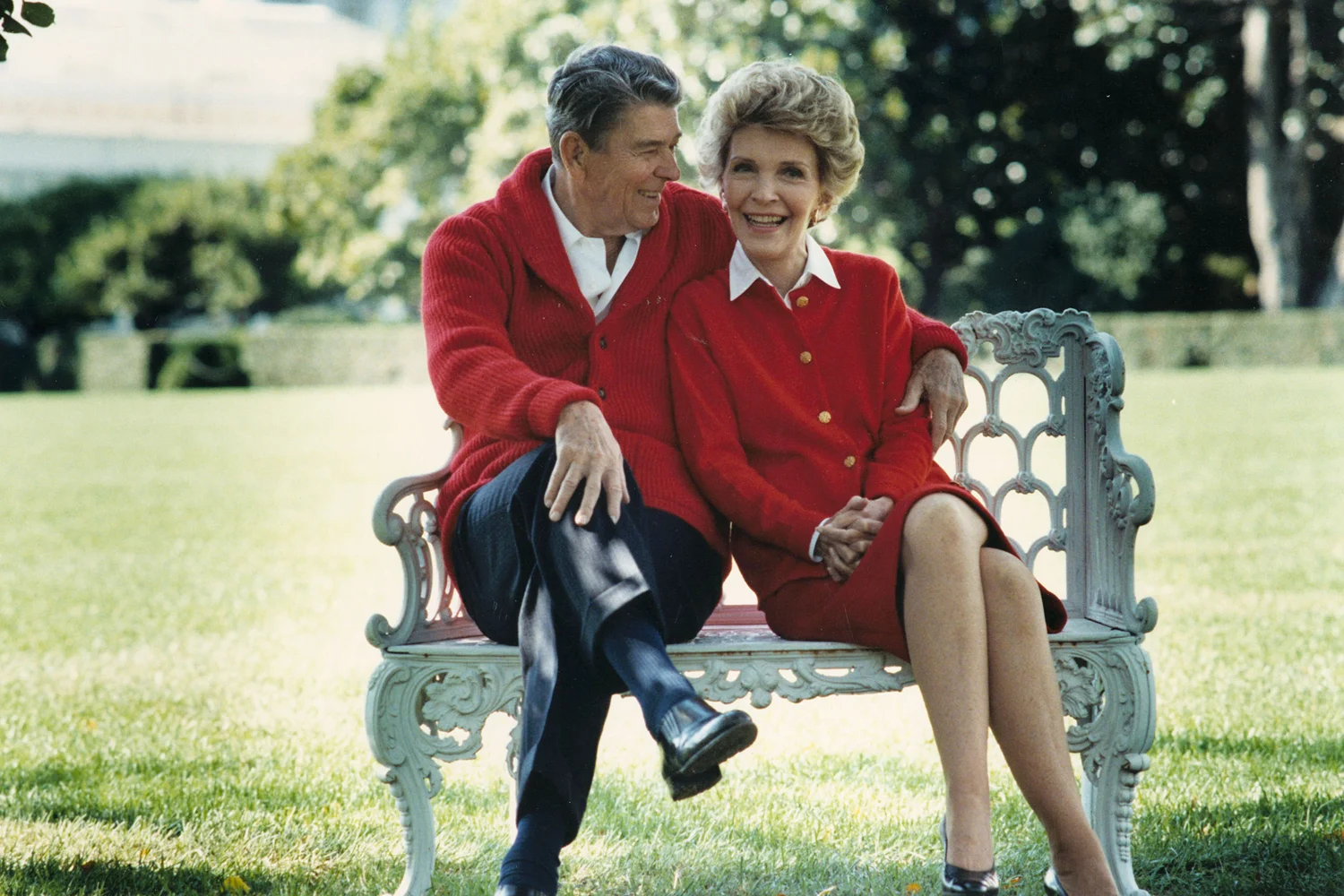
Recent biographies of Ronald Reagan return to a familiar question: How did conviction come to be mistaken for competence? Max Boot’s Reagan: His Life and Legend and William Inboden’s The Peacemaker approach the 40th president from different moral perspectives, but both describe a leader whose composure steadied a disoriented state. Reagan appears less as a policy innovator than as a custodian of calm, a figure who made reassurance feel like governance.
This emotional sensibility became a governing method. In the late 20th century, U.S. bureaucracy learned to mistake repetition for renewal, and procedure for integrity. Rather than fix systems, they became stuck within them, assuring themselves and the public that everything was OK.
Recent biographies of Ronald Reagan return to a familiar question: How did conviction come to be mistaken for competence? Max Boot’s Reagan: His Life and Legend and William Inboden’s The Peacemaker approach the 40th president from different moral perspectives, but both describe a leader whose composure steadied a disoriented state. Reagan appears less as a policy innovator than as a custodian of calm, a figure who made reassurance feel like governance.
This emotional sensibility became a governing method. In the late 20th century, U.S. bureaucracy learned to mistake repetition for renewal, and procedure for integrity. Rather than fix systems, they became stuck within them, assuring themselves and the public that everything was OK.