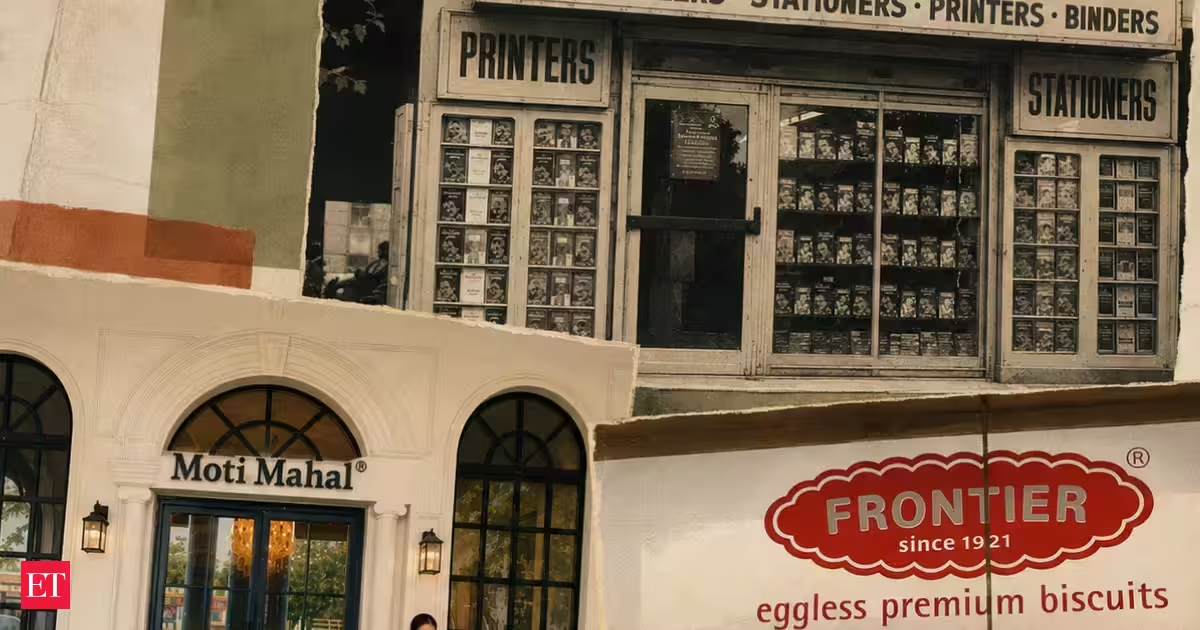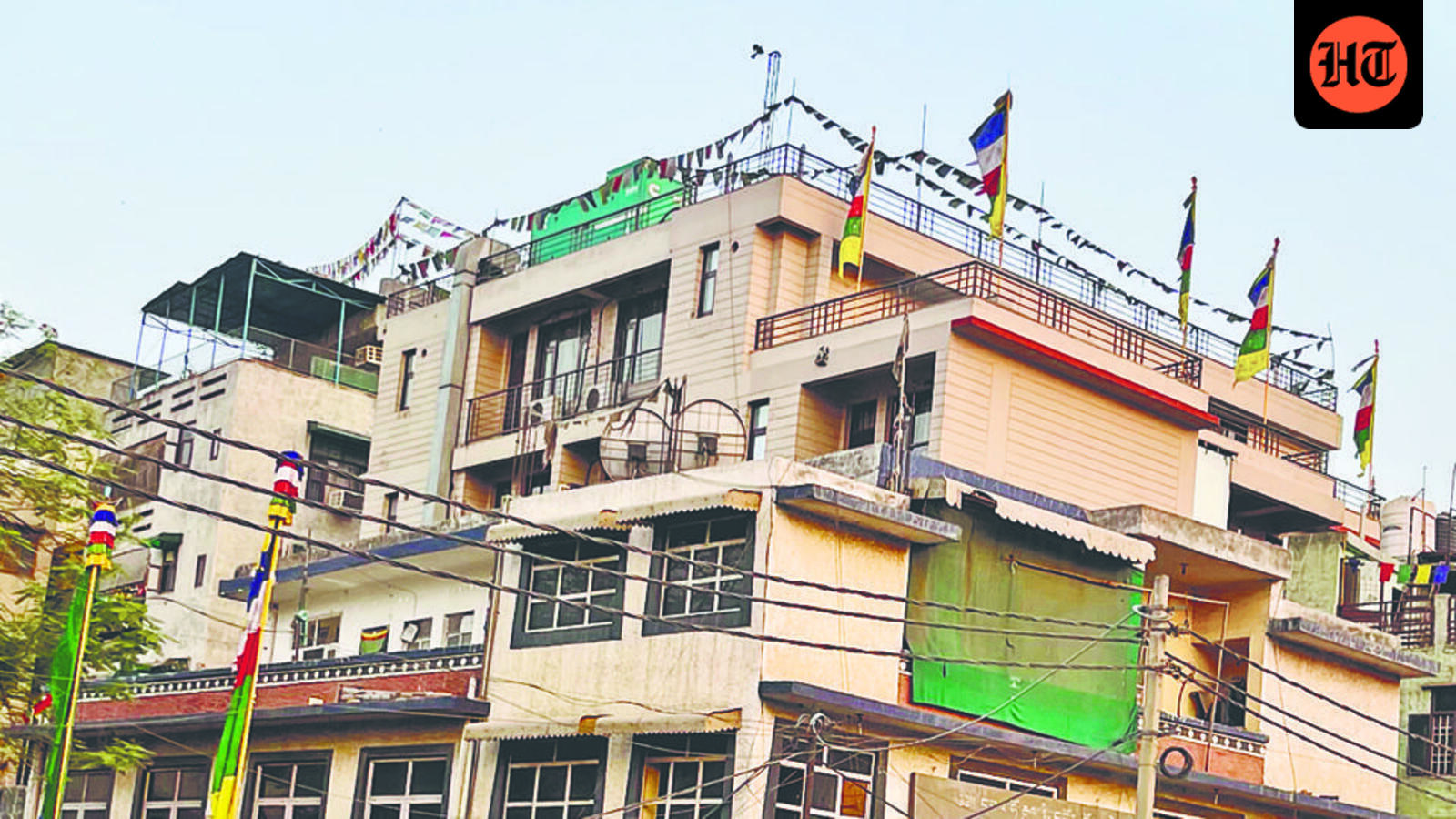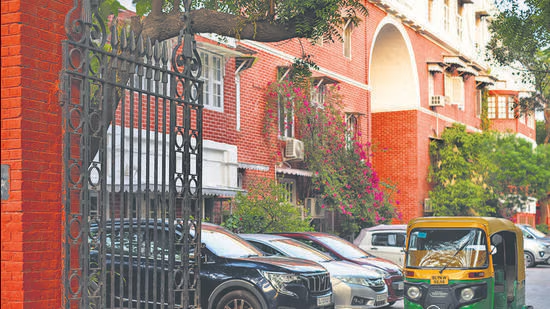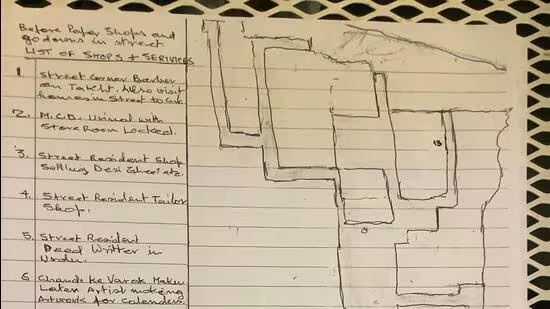
New Delhi: Delhi’s well-known localities — Khan Market, Lajpat Nagar, and Punjabi Bagh — which became home to thousands of refugees who came from Pakistan to India during Partition, were among the central themes at a gathering to mark Partition Remembrance Day on Friday.Several Partition survivors and their family members attended the event. (Photo for representation)The event, commemorating the 79th anniversary of Partition, was held at the Partition Museum and Cultural Hub, located inside the Dara Shikoh Library Building of Dr B.R. Ambedkar University Delhi.Lieutenant Governor of Delhi, Taranjit Singh Sandhu, who was scheduled to attend the event as the chief guest, citing health issues, conveyed his message through a letter.“Partition was not merely the drawing of a border; it was the uprooting of millions from their homes, communities and memories. Delhi bears the imprint of that history in neighbourhoods such as Lajpat Nagar, Punjabi Bagh, Model Town and Khan Market, shaped by the rehabilitation of displaced families who arrived with little, yet rebuilt their lives and contributed to the making of a new nation,” the letter by the LG stated.“As we remember Partition, let us preserve these stories as legacies of courage, rebuilding and nation-building,” the letter added.Several Partition survivors and their family members attended the event. Following the ceremony, attendees visited the Partition Museum, where visual exhibits offered an opportunity to revisit and reconnect with memories of the past.Jagmohan Bharadwaj, 84, was just 4-years-old when his family migrated from Pakistan’s Sheikhupura district to Jalandhar. He remembers little beyond the chaos and uncertainty.“All I remember is that my elder brothers’ pant pockets were filled with chocolate cookies because we were fond of them. We were unsure whether we would find the same cookies wherever we were headed,” he recalled.“It was only years later that I began to understand the magnitude of what we had left behind—not just chocolate cookies, but an entire life,” said Bharadwaj who came to the museum with his wife.Similarly, 74-year-old Sudha Bhattacharya, a scientist and retired professor from the Jawarharlal Nehru University, said even at this age she remains curious to know about her families past.“My father got married in 1946, when it was customary for brides to move to their husband’s home only after a few years. My father was politically aware and foresaw what was likely to happen. He therefore rented a small house in Delhi and migrated before Partition, ensuring that the family could remain together,” said Bhattacharya.“Neither of my parents spoke to me about those years until 2002. When they finally shared their memories, I recorded everything they told me because I wanted to preserve their experiences for future generations of our family. For me, this museum represents the collective history and memory of lakhs of families like mine,” Bhattacharya added.The ceremony was attended by Dr. Sachchidanand Joshi, Member Secretary, Indira Gandhi National Centre for the Arts, as the Guest of Honour, along with Kishwar Desai, Founder and Chair of the Partition Museum, Lakshmi Puri, former Assistant Secretary-General of the United Nations; and K. Mahesh, Managing Director, Delhi Khadi & Village Industries Board and Secretary, Art Culture Language Department, Delhi Government.
Delhi LG Sandhu honours Partition survivors
Delhi commemorated Partition Remembrance Day, reflecting on localities shaped by refugees' resilience, with stories from survivors at the Partition Museum. | Latest News Delhi
520 words~2 min read