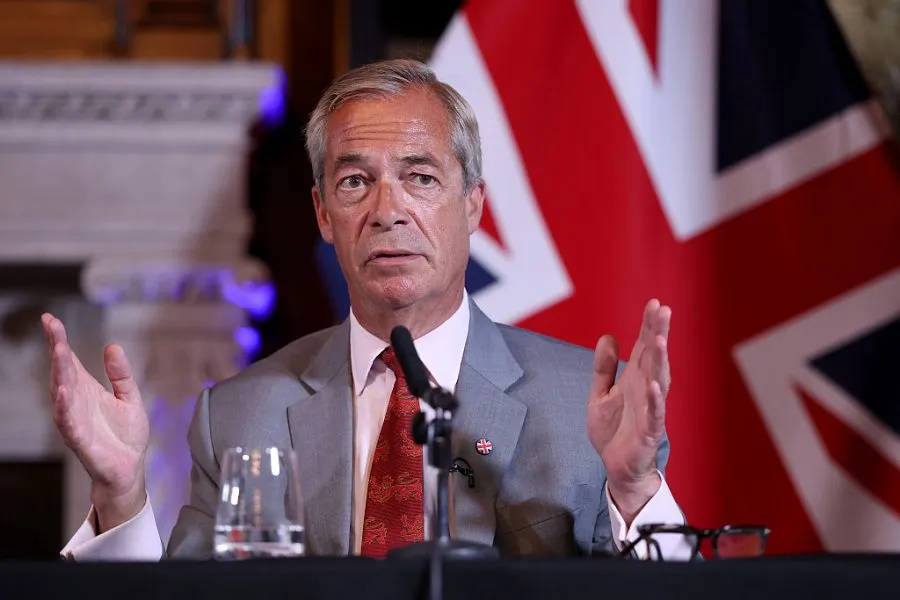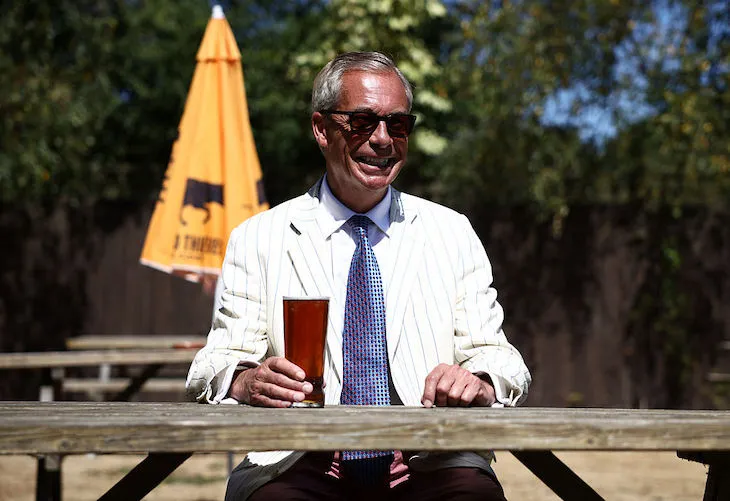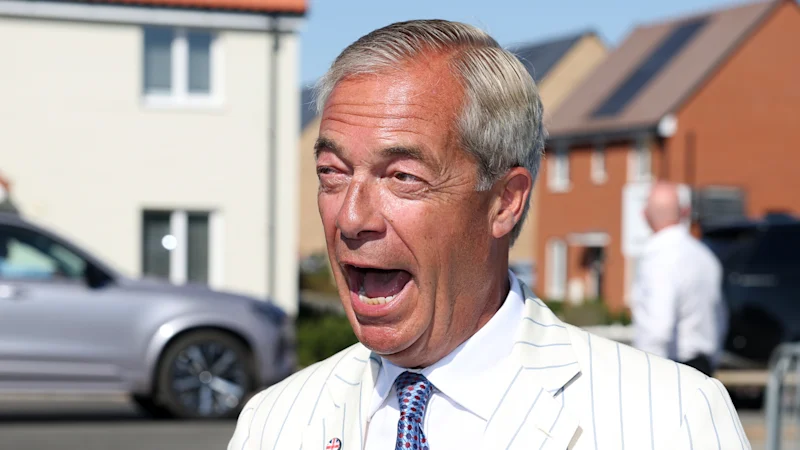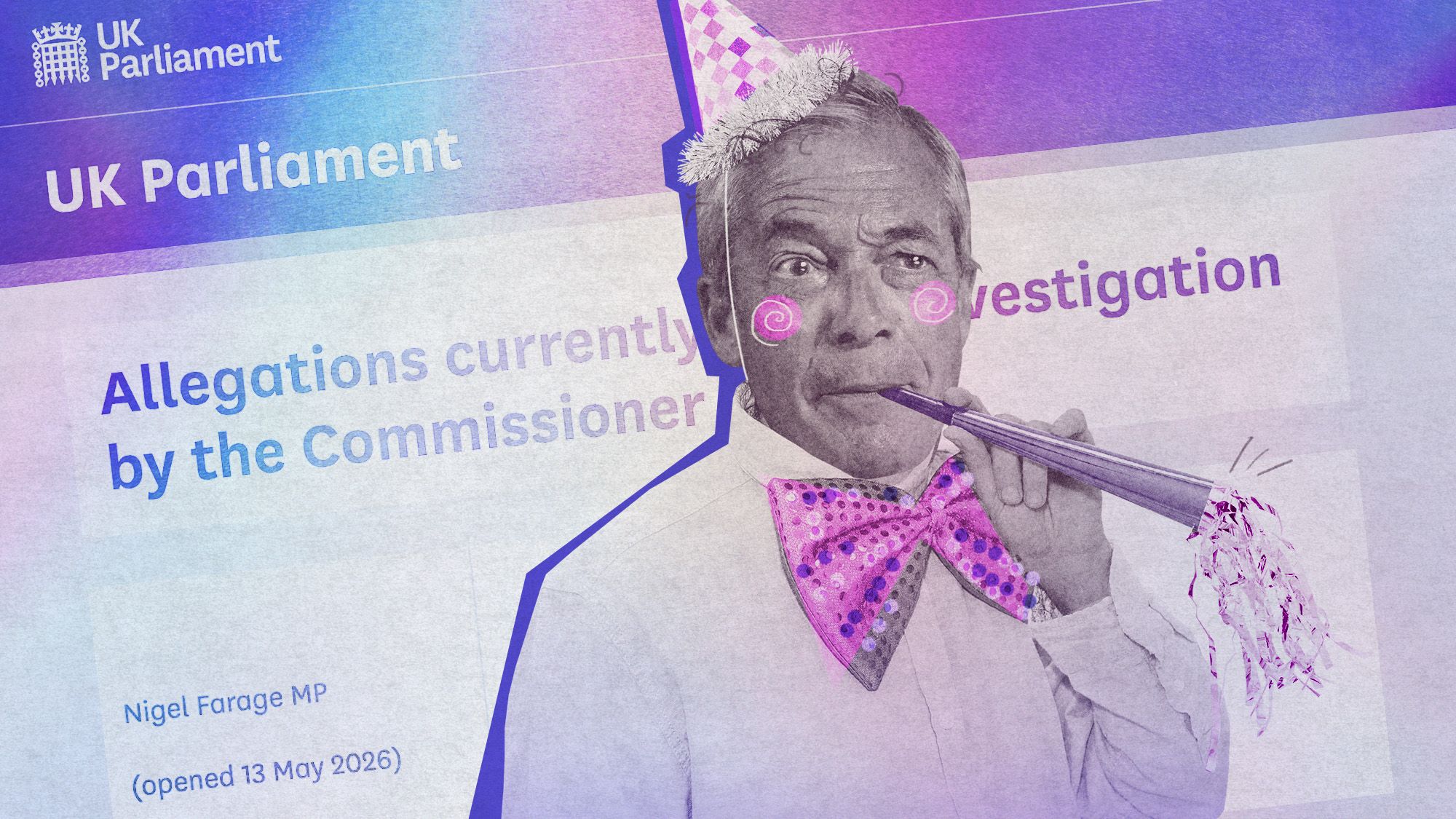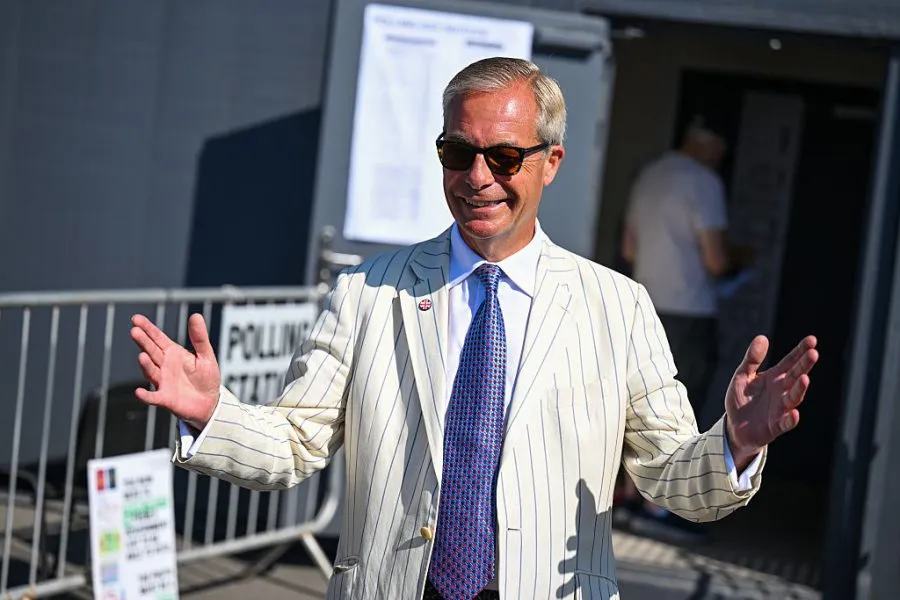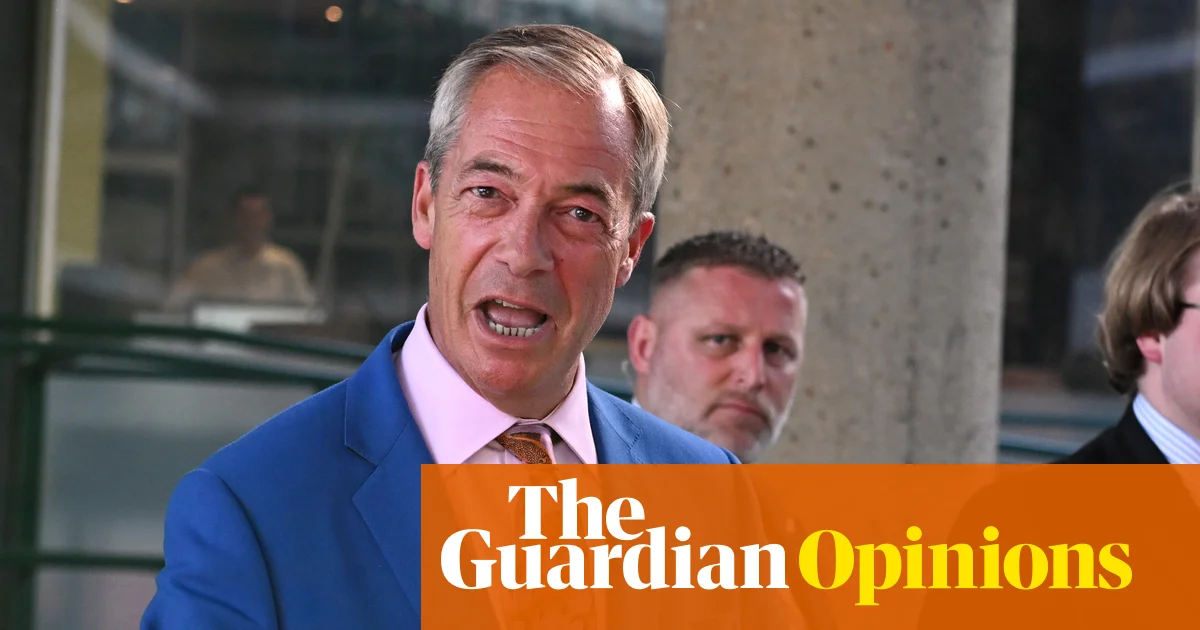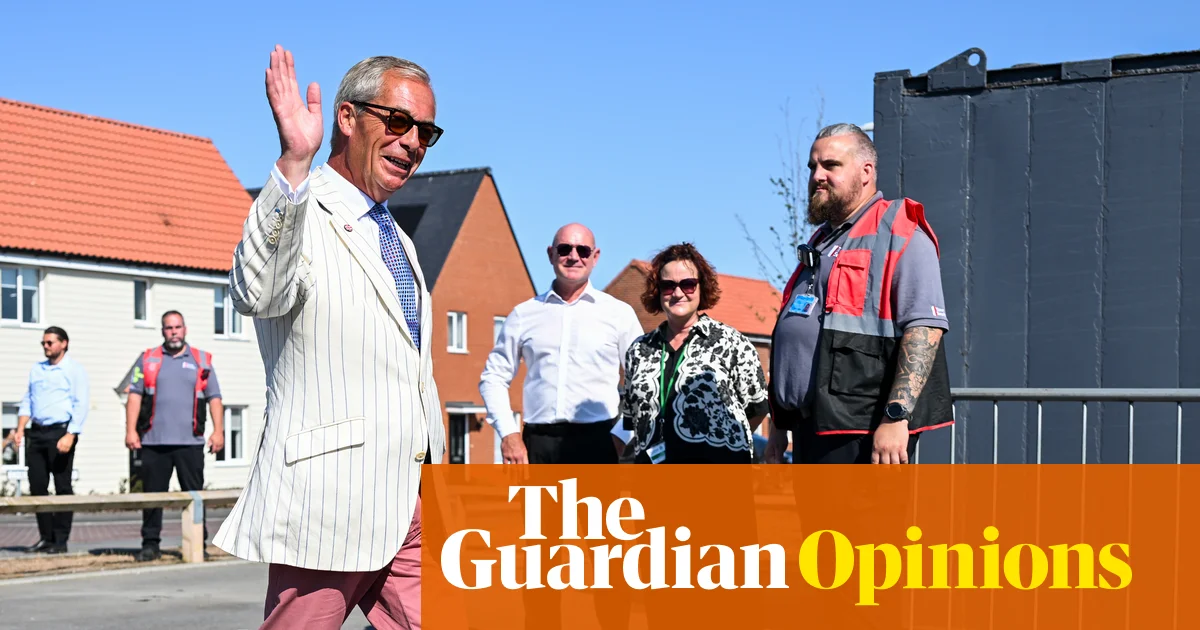
Nigel Farage didn’t attend the count of the byelection he forced upon Clacton. Instead, Reform UK’s leader celebrated his win with supporters at a “Farage Fest”, filmed by a friendly TV channel. For a politician who claims to speak for the people, it was telling that at his triumph he preferred an audience of believers.Mr Farage won because his toughest opponent on the campaign trail was a comedian in a jumpsuit with a bin on his head. That Count Binface nevertheless won 27% of the vote captured the absurdity of a contest the main parties had boycotted as a Faragist stunt. Reform UK’s leader wanted to turn scrutiny of his finances – notably an investigation into whether he failed to report a £5m gift from an overseas crypto billionaire – into a “fight” with the “establishment”. But the result determined who represents the Essex seat, not whether he broke parliamentary or electoral rules.There is no drop in enthusiasm among Mr Farage’s Clacton supporters. But he engineered an election in the safest territory – and despite facing no significant competition, had 37% vote against him. If even this part of the country can mobilise a substantial anti-Reform protest vote when the main parties stand aside, then imagine what might be possible in marginals where a mainstream challenger would prove more formidable.Count Binface. Photograph: Dan Kitwood/Getty ImagesMr Farage also hasn’t escaped the accountability he was trying to outrun. The parliamentary commissioner for standards suspended the investigation when he stopped being an MP; his re-election means the inquiry has resumed. It covers both the millions from the Thailand-based crypto magnate Christopher Harborne, and alleged undeclared support from the convicted fraudster George Cottrell.A mandate is not an acquittal. If the commissioner finds a serious breach of the rules and Mr Farage is suspended for 10 or more Commons sitting days, a recall petition in Clacton would follow. If 10% of electors signed it – roughly 1,500 fewer than voted for Count Binface – another byelection would be triggered. This time Mr Farage would face voters after parliamentary censure and a successful recall campaign, not just, as Labour claimed, reeking of the “stench of sleaze”. With the main parties likely to stand, the anti-Farage vote could also coalesce behind one serious challenger – and present a tougher test.A disturbing pattern is emerging around Reform’s intimidatory tactics. Questions about its funding are repeatedly answered not openly but by attacking those asking. A parliamentary watchdog becomes a “kangaroo court”; Reform deputy leader Richard Tice’s lawyers seek material that could identify sources behind the Guardian’s investigation; and a prominent Farage ally reportedly hired private investigators to examine a Sunday Times journalist investigating the party’s finances.This is likely to backfire for Reform. Last September the party was polling 32% nationally. After Mr Farage announced in July that he was triggering a byelection, it dropped from 27% to 24% – squeezed by a resurgent Labour, recovering Conservative party and Restore Britain’s more extreme policies. As even supporters such as Tim Montgomerie acknowledge, a political party built on voters’ grievances has now become increasingly preoccupied with its own grievances about the media, investigations and treatment of Mr Farage. The result is that Reform appears inward-looking, defensive and sleazy. That will probably damage the party more than its angry, divisive nationalism, which demonises minorities and shreds Britain’s traditions of tolerance and pluralism.
The Guardian view on Nigel Farage: Clacton cannot acquit him | Editorial
Editorial: Reform won a contrived byelection, but scrutiny continues – while the party increasingly attacks the watchdogs and journalists asking awkward questions
599 words~3 min read