Chinese driverless technology firm to deploy over 2,000 robotaxis in Europe
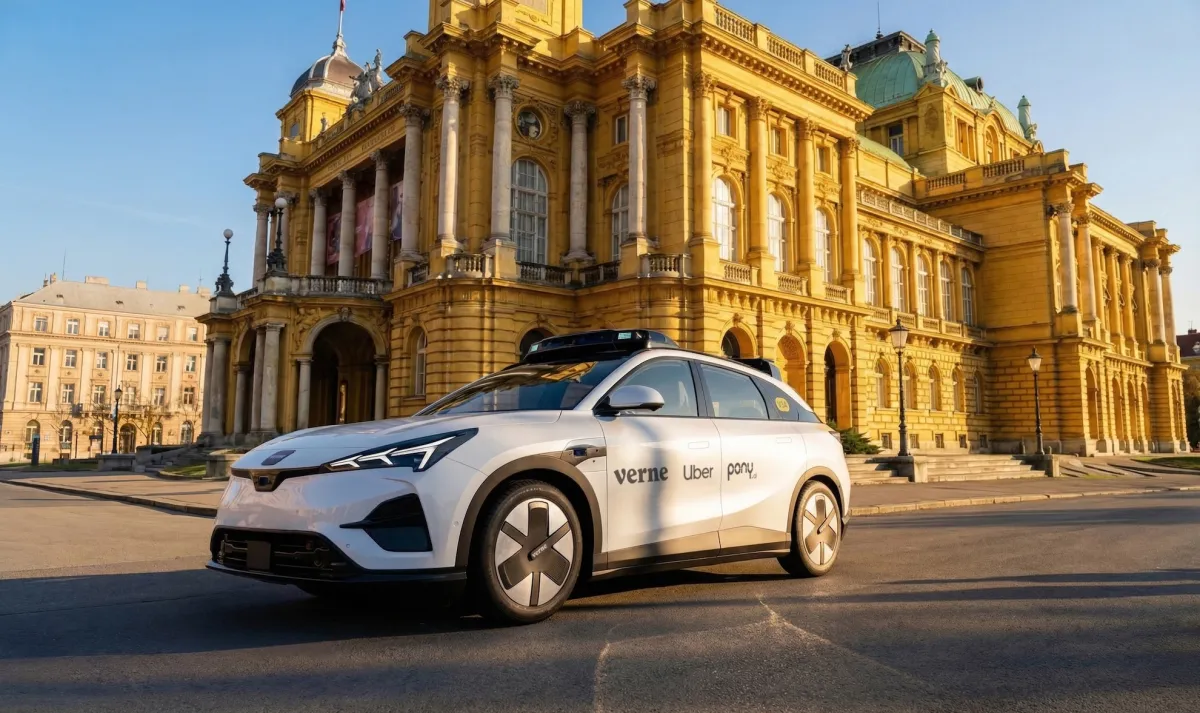
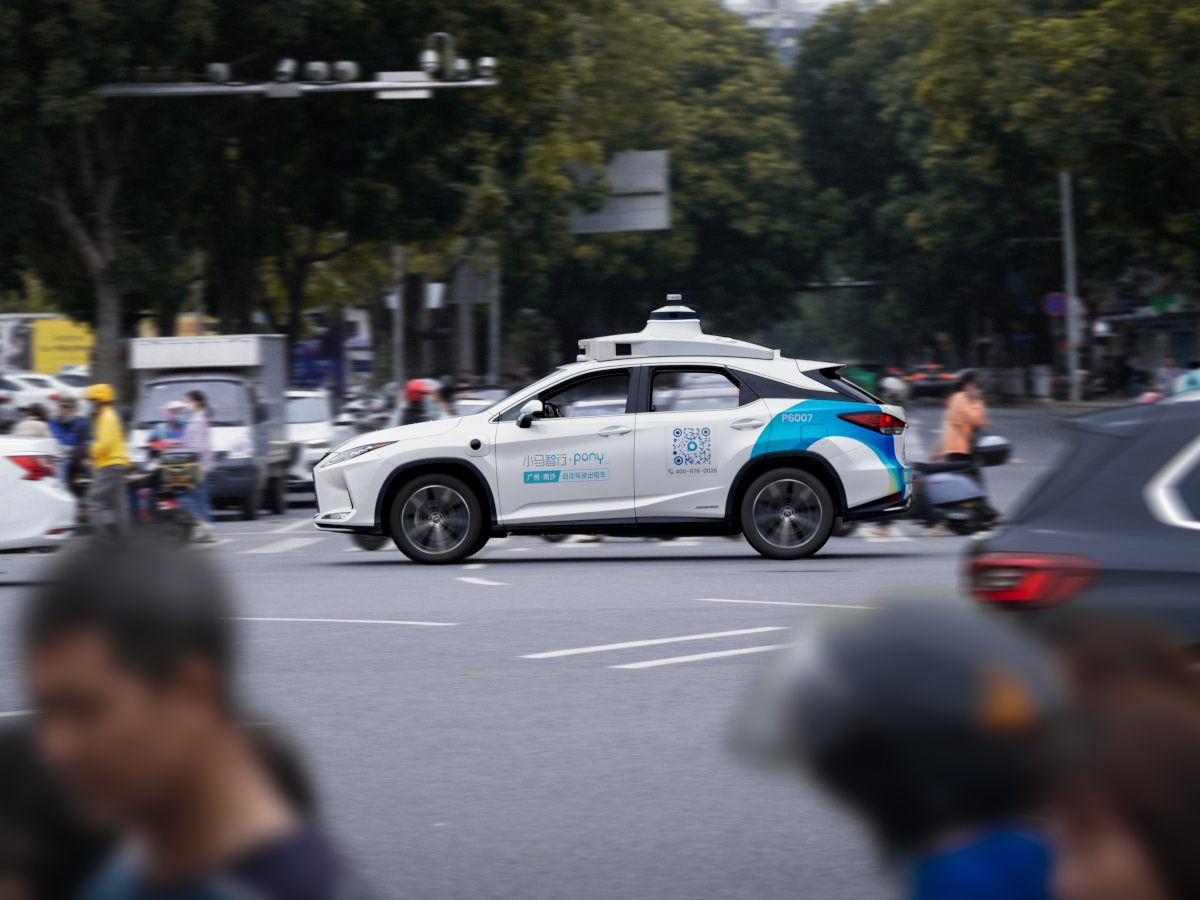
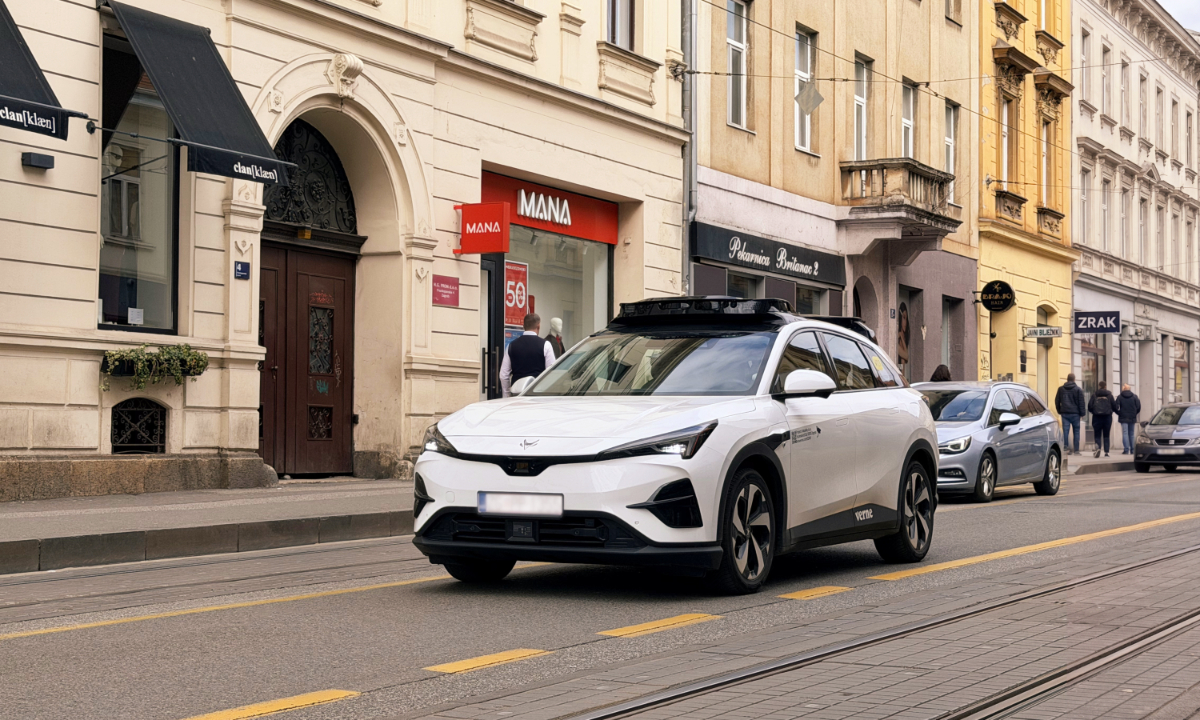
Chinese autonomous driving firm Pony.ai launched commercial robotaxi services in Zagreb, Croatia on April 8. Photo:Courtesy of Pony.ai Leading Chinese driverless technology firm Pony.ai and US ride-hailing firm Uber Technologies Inc announced on Friday an expansion of their strategic partnership, with plans to deploy more than 2,000 Pony.ai robotaxis across Europe.The partnership will expand from the existing commercial service in Zagreb, Croatia, which is coming soon to the Uber platform, to four additional cities in Europe. There are also plans for deployment in the Middle East, according to a press release sent to the Global Times.The partnership brings together three core functions required to operate robotaxi services at scale: Level 4 (L4) autonomous driving technology, a leading mobility platform, and day-to-day fleet operations. It allows technology, platform and fleet partners to work together in the same market, while individual partners may also take on more than one role, according to the release."This expanded agreement marks an important new phase in the partnership between Pony.ai and Uber. It reflects our shared commitment to bringing safe, reliable robotaxi services to more European cities," said James Peng, founder and CEO of Pony.ai.According to its 2025 financial report, Pony.ai's robotaxi fleet will exceed 3,000 vehicles by the end of 2026, with robotaxi services to be deployed in more than 20 cities worldwide.Pony.ai's European expansion comes amid a broader wave of Chinese self-driving firms entering the region, which is becoming the next major market for autonomous driving, with Chinese and US firms having carried out intensive road testing and tech refinement.Another Chinese autonomous driving technology company, WeRide, announced on August 3 that it would enter Denmark through a partnership with Danish electric mobility operator GreenMobility, extending its European footprint to a sixth country.Baidu's Apollo Go unit and Lyft-owned taxi application Freenow said in late July they have officially commenced testing of sixth-generation autonomous vehicles from Apollo Go in London, while Momenta announced that it has received Germany-wide L4 testing approval from the Kraftfahrt-Bundesamt (KBA), one of the world's most demanding vehicle safety authorities. Factors such as compact urban geography, high per-capita transport costs, and widespread adoption of shared mobility make Europe one of the most promising markets for scaling autonomous vehicles worldwide, Zhang Xiang, secretary-general of the International Intelligent Vehicle Engineering Association, told the Global Times on Friday.Chinese experts noted that the autonomous-driving sector is a textbook case of China-Europe complementarity. On one side, Chinese firms offer mature autonomous-driving technology, robust iteration capabilities, and extensive hands-on experience of operating in complex traffic scenarios; on the other side, European companies have an edge in advanced vehicle manufacturing technologies.Together, Zhang said, this combination gives Europe a realistic route to upgrading its smart-mobility infrastructure, while simultaneously lowering the unit costs of autonomous fleet operations.Crucially, China's technological push is underpinned by a strong regulatory framework. China recently introduced its first mandatory national safety standards for advanced autonomous vehicles, requiring automakers to build end-to-end safety systems before deploying Level 3 and Level 4 self-driving technologies on roads.The Ministry of Industry and Information Technology said the new safety standards for automated driving systems of intelligent connected vehicles will take effect on July 1, 2027.