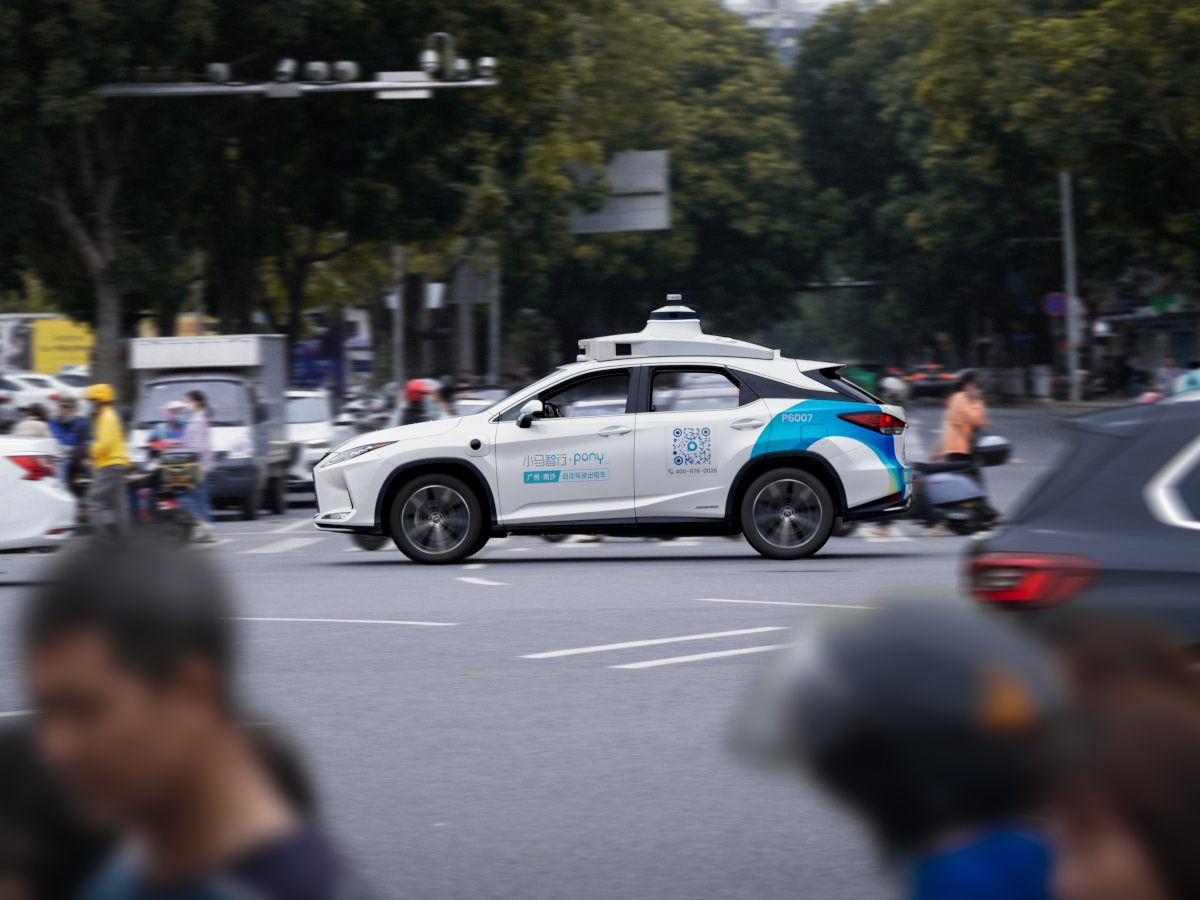
Pony.ai and Uber have expanded their partnership to put more than 2,000 robotaxis on European roads, a deal that hands one of China’s autonomous-driving champions a route onto the continent’s streets through an American app and a scattering of local fleet owners.
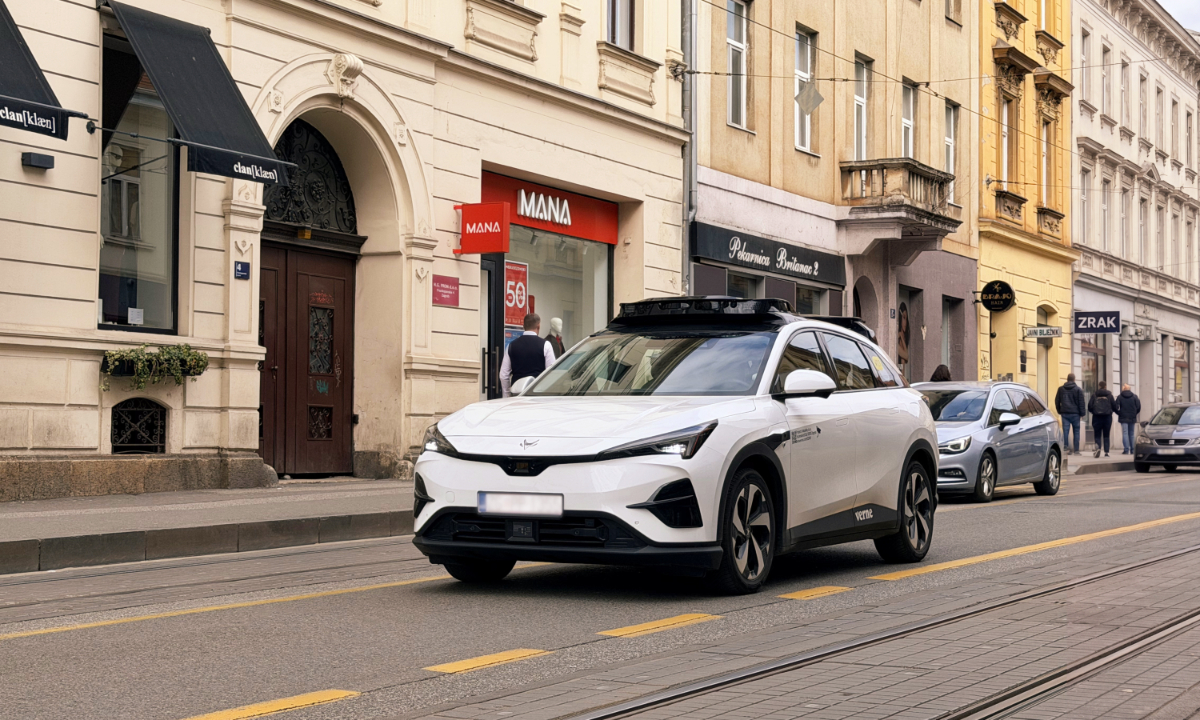
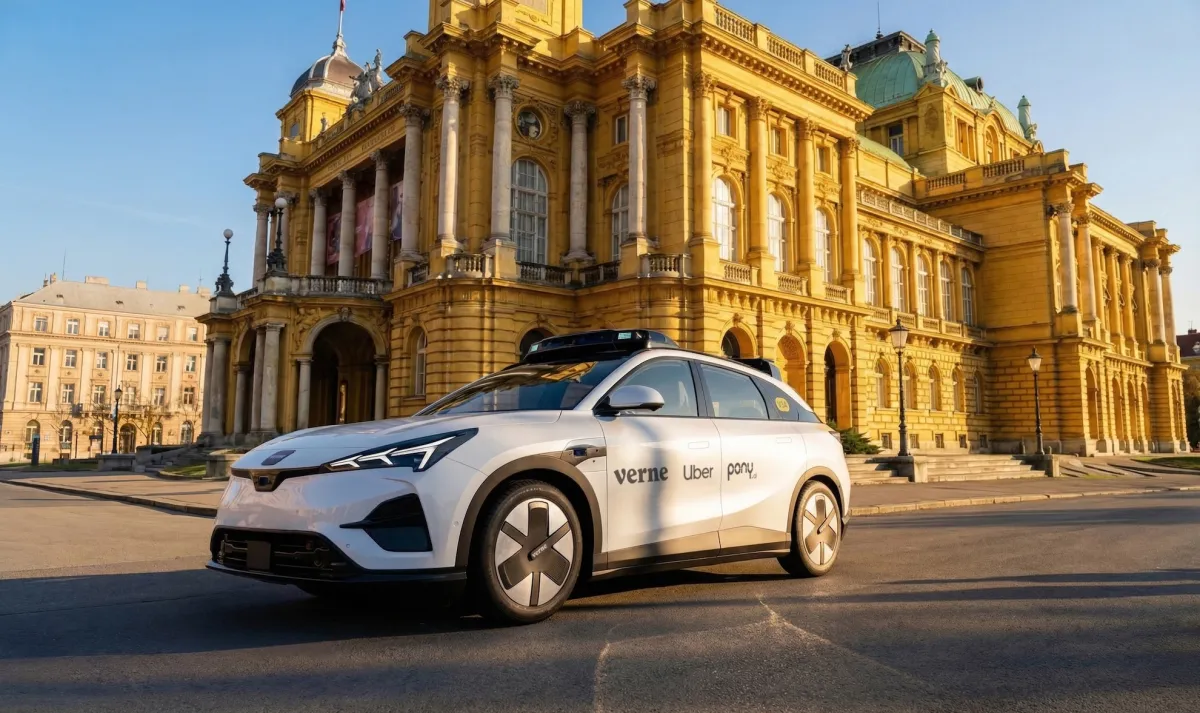
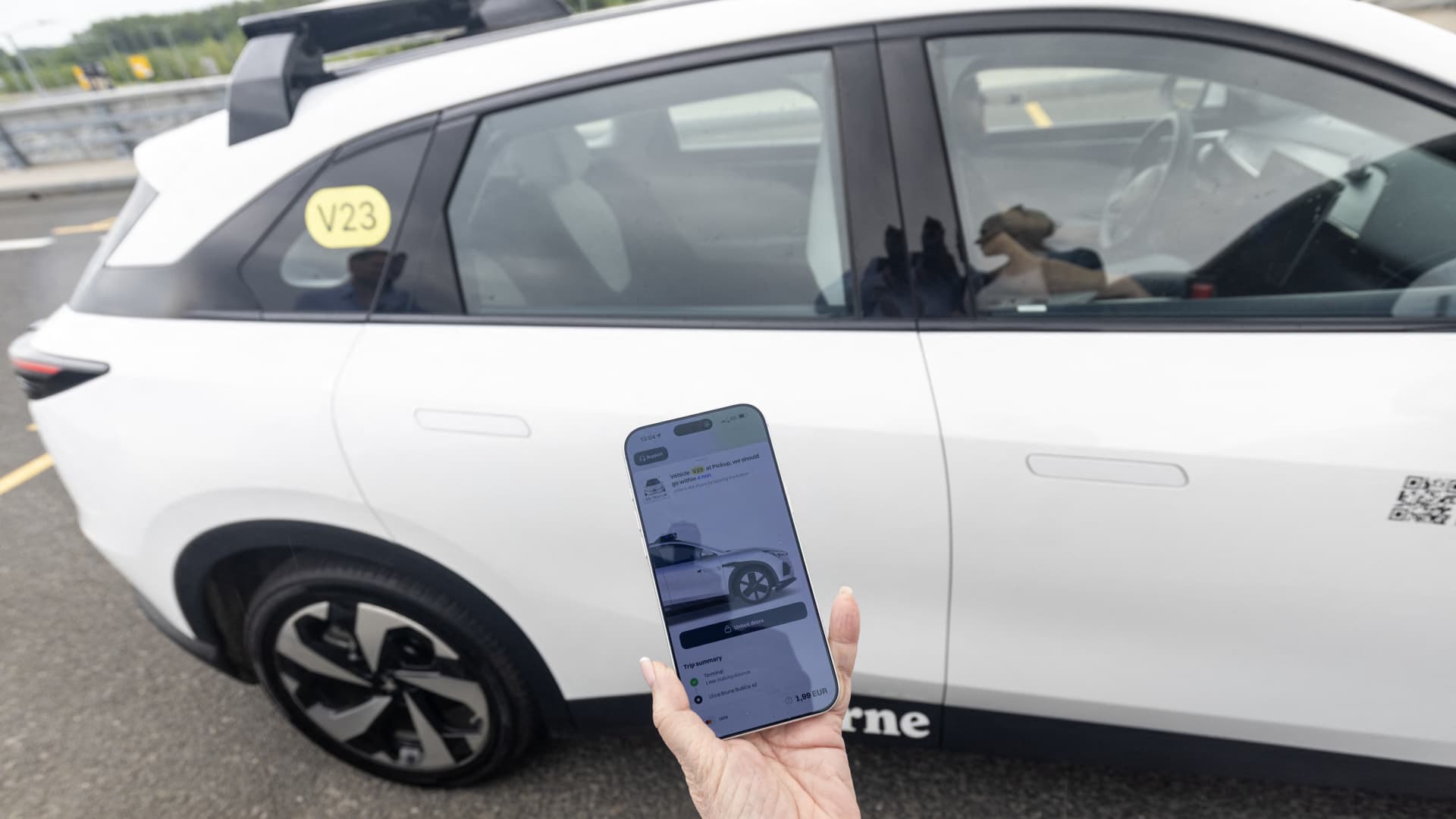
The arrangement is divided as Pony.ai supplies the Level 4 self-driving technology and the operational know-how, Uber provides the platform, meaning booking, payments and customer service, along with its considerable market reach, and local partners own and run the actual fleets. In Zagreb, that partner is Croatia’s Verne.
Zagreb goes first, launching on the Uber platform in 2026, with four more European cities to follow in phases and a Middle East deployment also pencilled in.
It is a familiar shape for Uber, which has spent the past year signing up self-driving suppliers rather than building its own, from Wayve robotaxis in London to a growing roster of partners elsewhere.
The logic is asset-light and, for a Chinese firm eyeing Europe, quietly clever. By letting local partners shoulder the cost of the vehicles and much of the regulatory paperwork, Pony.ai sidesteps a good deal of the capital and compliance burden that has made robotaxi expansion so brutally expensive everywhere else.