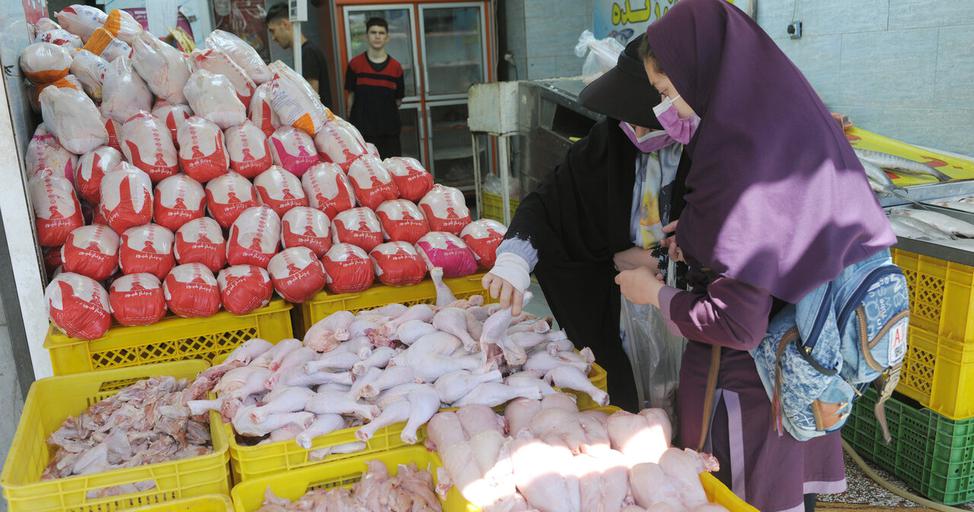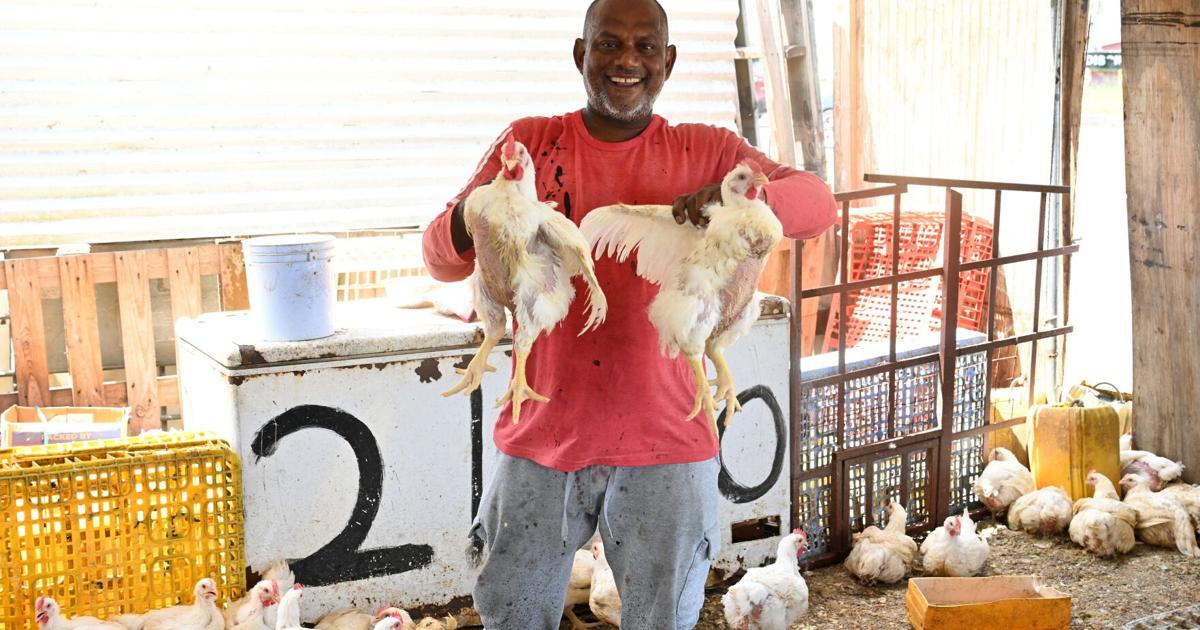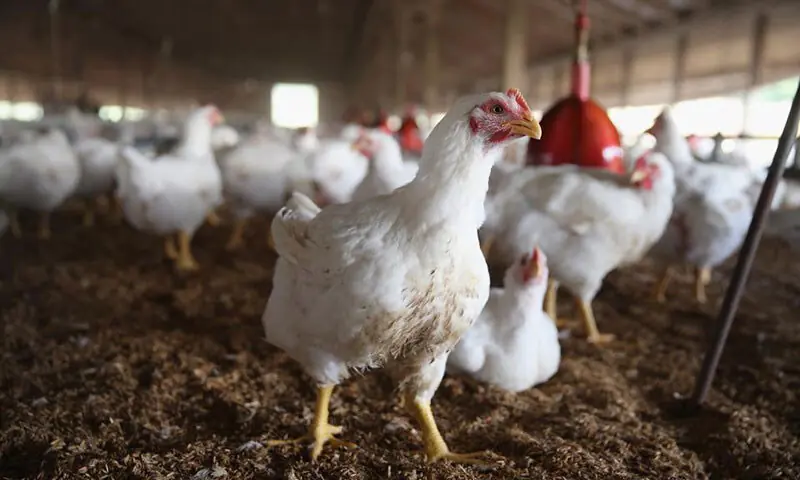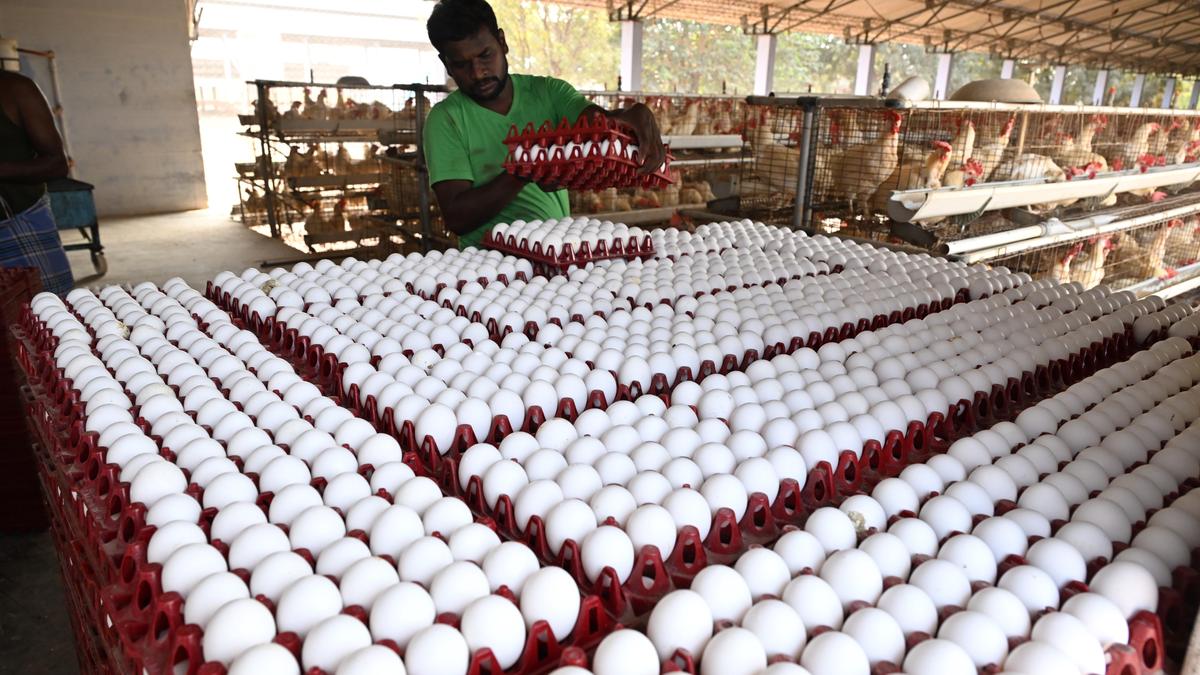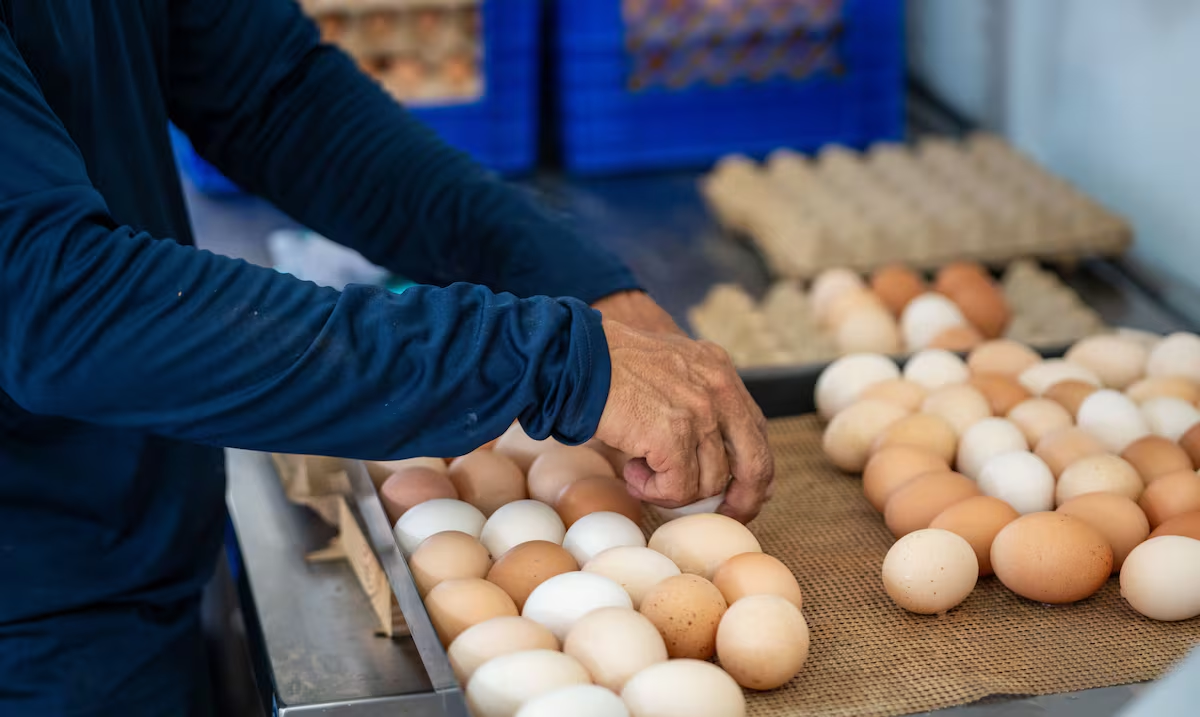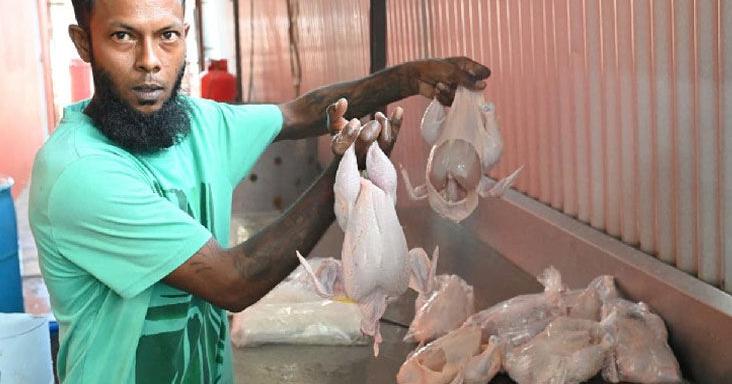
Poultry depots says they continue to face the brunt of an ongoing chicken shortage in the country.Contacted by the Express yesterday, several poultry depot owners said they had no choice but to pass on the limited supply with increased prices to customers.The owner of Reeyad’s Poultry Depot, San Juan, who did not want to be identified by his full name, said despite getting a good number of chickens every day to sell, they were small and cost more.“We get a good amount every day, (but) the chickens are smaller, we had to raise prices, and because of that, we had to cut back on the amount of chicken parts we sell. So, we basically are limited to selling only whole chickens,” he said in a telephone interview.Reeyad said the prices of chicken gradually increased by $1 and $2 per pound.Asked if this was normal around this time of year after the Ministry of Agriculture stated that the shortage was due to increased temperatures and heavy rains, he said briefly, “This is not normal.”Owner of Freeport-based Nagib’s Poultry Depot Nagib Ali said he does not believe the weather conditions are responsible for the chicken shortage.“It’s probably twice a year we experience this, but not for this lengthy period. It never happened like this before. I don’t believe it’s the sun that’s causing this,” said Ali during a phone interview.He added that since the shortage, he worked only some days for the week.Ali said, “We’re not working every day these days, and we’re just more or less waiting. Also, we got a number of different reasons for the shortage. Some people say it’s (foreign exchange); some people say it’s because of the heat. I don’t really believe that heat reason because of the modernised pens with big extractor fans. Some of these pens even have (air-conditioning units).”He noted that though he has been getting the usual quota of chickens, Ali also said they were smaller and cost more.“The price has almost doubled from the last three weeks now. It actually crossed double already (yesterday),” said Ali.He said prices had increased from over $6 to $8 per pound, and now was $10 per pound.Despite these challenges, a Chaguanas depot owner who preferred not to be named assured customers that the situation will improve in a few weeks.She said this was normal around this time of the year but said the situation would normalise in about three weeks.For now, she said, customers will get smaller chickens.Plans for large-scalebreeding facilityAmid the chicken shortage, the Ministry of Agriculture and Fisheries announced several measures to ensure a secure and reliable supply of eggs.However, it acknowledged yesterday that merely increasing the number of egg farms would not necessarily resolve the shortages.In a release, the ministry stated that a key component of this effort was the ministry’s pursuit of a Public-Private Partnership (PPP) to establish a large-scale poultry breeding and hatchery facility in Trinidad and Tobago.“The Expression of Interest for this initiative is currently open,” it stated.The ministry said the proposed facility was intended to produce fertile eggs, breeder stock and day-old chicks locally for both the broiler and layer industries.It explained, “By developing domestic breeding and hatchery capacity, the Government aims to reduce the sector’s dependence on imported inputs, strengthen biosecurity and food security, conserve foreign exchange, create employment and reduce the risk of disruptions to international supply chains.”It said it was also taking steps to manage risks associated with the international poultry supply chain, including the threat posed by Highly Pathogenic Avian Influenza (HPAI).“In addition to the United States, the Netherlands has been approved as an additional source for the supply of hatching eggs and live chicks,” the ministry stated. It added that the presence of avian influenza in a country “does not automatically result in a blanket prohibition on all imports from that country”.“T&T applies science-based, risk-based measures aligned with the standards of the World Organisation for Animal Health (WOAH), including zoning arrangements that allow imports from approved disease-free areas, subject to the applicable veterinary and biosecurity requirements,” the release stated.It noted that the approach allows the ministry to balance the need to protect T&T’s animal health status with the need to maintain a dependable supply of poultry inputs for local farmers.Recognising that increasing egg supplies will not resolve the shortage, it stated, “A stable domestic egg supply depends on the strength of the entire poultry value chain, including access to quality layer chicks, feed and feed ingredients, suitable housing, reliable water and electricity, veterinary services, biosecurity, financing, labour, transportation, packaging and stable markets.” The ministry stated it was also focused on strengthening the systems that support sustainable growth throughout the sector.“The proposed breeding and hatchery facility is expected to form an important part of this vision by providing domestic breeder capacity for both the broiler and layer industries, modern hatchery infrastructure, enhanced biosecurity and traceability, and opportunities to develop local technical expertise,” it explained.The ministry will continue to support the planned and sustainable development of the local egg industry, informed by reliable national production and consumption data as it moves to strengthen local production, reduce vulnerabilities in the poultry supply chain and ensure that T&T’s farmers have more reliable access to the inputs they need to supply consumers, it added.
Chicken shortage drives up depot prices
Poultry depots says they continue to face the brunt of an ongoing chicken shortage in the country.Contacted by the Express yesterday, several poultry depot owners said they had no choice
875 words~4 min read