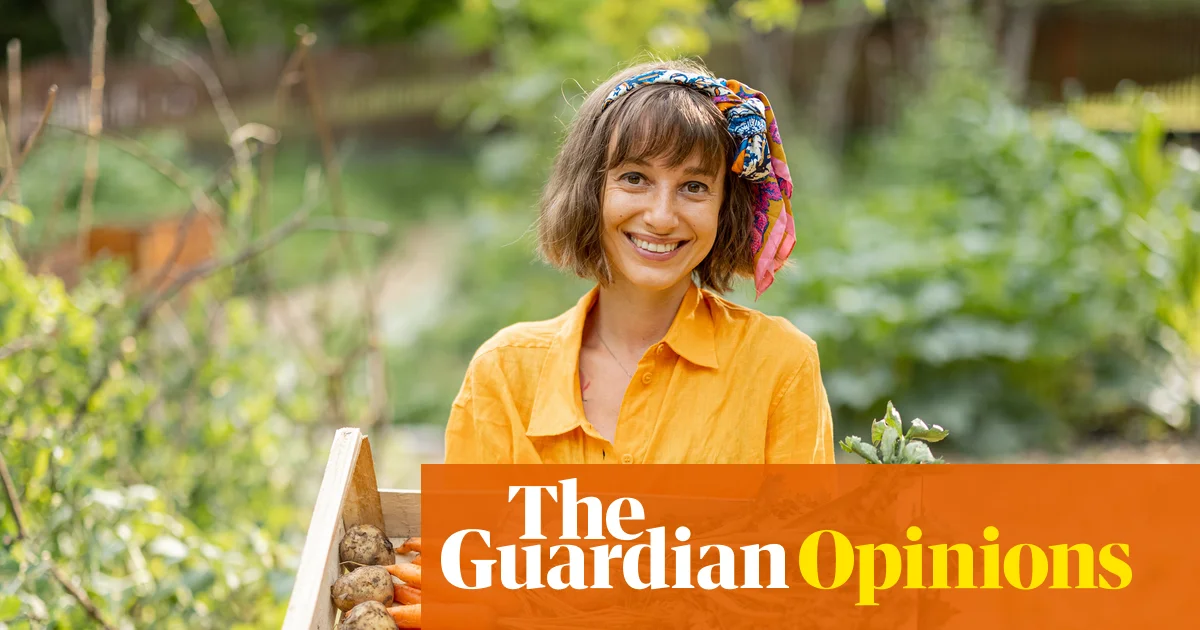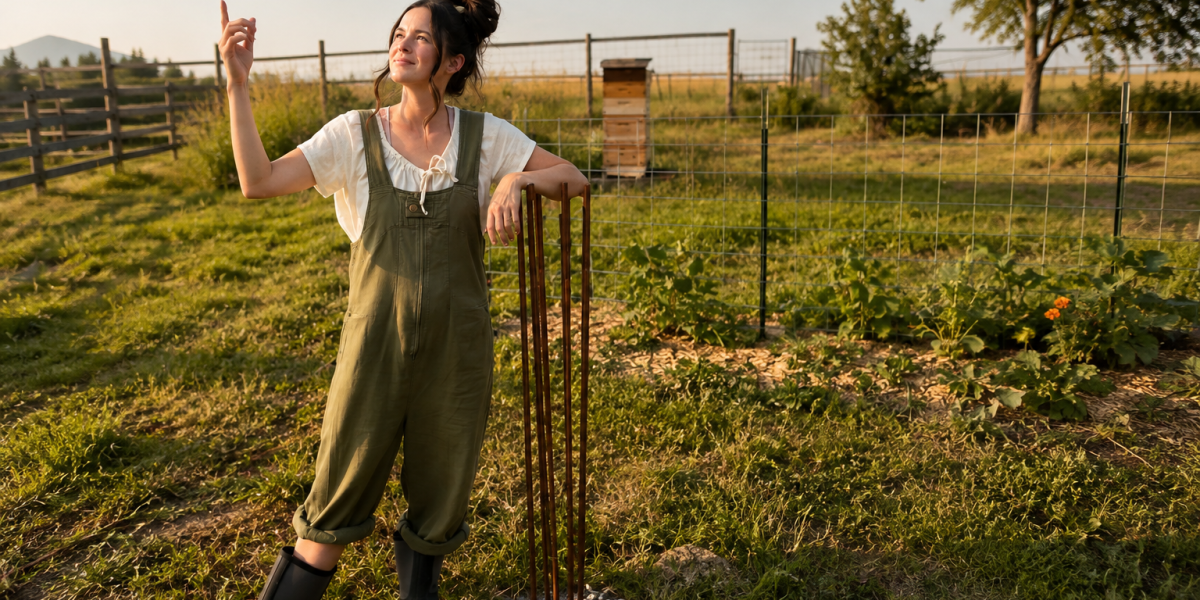
Gubba does not see much separation between the life she shares online and the business she has built around it.
On social media, she teaches followers about food storage and homesteading. Her audience can also buy a homesteading guide, take her food-storage course or shop at Arvoti, the skincare company she launched after creating a tallow balm for her father, who had eczema.
“Whether I’m sharing a day on the homestead or I’m talking on my podcast or making skincare, it’s all rooted in those same values of simplicity and quality and just living closer to nature,” the 29-year-old, who declined to provide a name beyond Gubba, told Fortune.
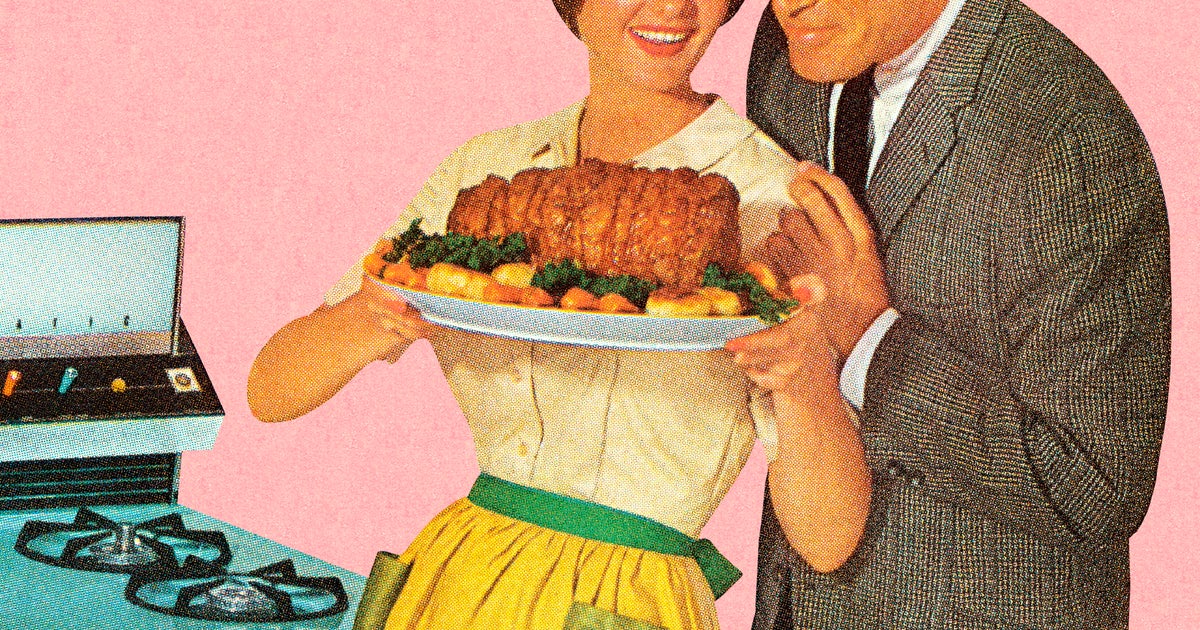
Her operation sits at the center of a growing creator economy around traditional living. As homesteading, cottagecore and tradwife content converge online, the overlap has made the category more marketable. Creators now offer branded lifestyles, selling courses and products to followers looking for different versions of a simpler life. In other words, the market for a less digital, more self-reliant life is increasingly being built through one of the most digital businesses of all: the creator economy.
Gubba estimated that Gubba Homestead and Arvoti now generate seven figures in annual revenue. She considers herself a tradwife but sees what she does as homesteading first. In her view, homesteading is about developing practical skills and becoming more self-reliant. Tradwife, by contrast, is more about relationships and household roles.